
How to Beat Performance Anxiety in Kids with Confidence
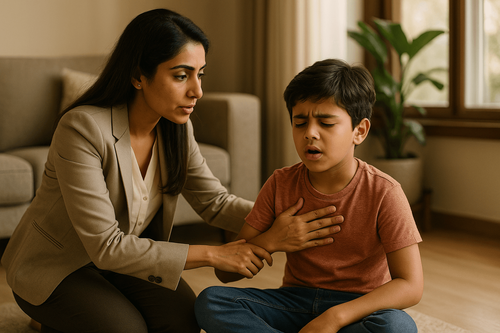

Table of Contents
- Beat Performance Anxiety in Kids with Confidence
- What Is Performance Anxiety
- Why Performance Anxiety Is Common in Classes 5 and 6
- Common Causes of Performance Anxiety in Children
- Signs of Performance Anxiety in Children
- Is Performance Anxiety a Bad Thing
- Difference Between Healthy Nervousness and Performance Anxie
- Performance Anxiety in Exams
- Checkpoint 1: Understanding Performance Anxiety
- Fun Activity 1: My Feelings Chart
- Performance Anxiety in the Classroom
- Performance Anxiety in Public Speaking and Stage Performance
- Performance Anxiety in Sports and Competitions
- How Performance Anxiety Affects the Mind and Body
- Simple Techniques Children Can Use to Manage Performance Anx
- Positive Self-Talk for Confidence
- Practice and Preparation
- Breaking Big Tasks Into Small Steps
- Fun Activity 2: My Calm Plan
- Building Confidence Through Daily Habits
- What Parents Should Avoid Saying
- What Parents Can Say Instead
- Checkpoint 2: Managing Performance Anxiety
- Fun Activity 3: Confidence Jar
- Helping Children Build Long-Term Confidence
- Turning Anxiety into Positive Energy
- Daily Confidence-Building Habits for Children
- Role of Parents in Reducing Performance Anxiety
- What Parents Can Do Before a Performance
- What Parents Can Do After a Performance
- Role of Teachers in Supporting Anxious Children
- When Performance Anxiety Needs Extra Support
- Fun Activity 4: My Confidence Journal
- Fun Activity 5: The Courage Ladder
- Checkpoint 3: Building Confidence
- How We Helps Children Overcome Performance Anxiety
- About PlanetSpark : Personality Development
Does your child feel butterflies before exams, presentations, or stage performances? That nervous feeling is called performance anxiety, and it’s very common in kids around Classes 5 and 6. A little nervousness is normal, but too much can stop them from doing their best.
In this blog, you’ll learn simple ways to spot performance anxiety and easy techniques to stay calm and confident. PlanetSpark’s 1:1 expert coaching helps children overcome fear, practice effectively, and shine with confidence in every performance.
Beat Performance Anxiety in Kids with Confidence
Performance anxiety in kids is common, especially during exams, competitions, stage performances, or public speaking. With the right support and strategies, children can learn to manage anxiety and build lasting confidence.
1. Understand Performance Anxiety
Fear of failure or making mistakes
Pressure to meet expectations (self, parents, teachers)
Physical symptoms like sweating, fast heartbeat, or stomach aches
Help your child perform with confidence — book a free demo class today.
2. Build a Supportive Environment
Encourage effort, not just results
Avoid comparisons with other children
Praise progress and small wins
3. Prepare, Don’t Pressure
Practice in a relaxed, playful way
Break tasks into small, manageable steps
Set realistic goals based on the child’s ability
4. Teach Simple Coping Techniques
Deep breathing and relaxation exercises
Positive self-talk (e.g., “I can try my best”)
Visualization of success
5. Boost Self-Confidence Daily
Encourage hobbies and strengths beyond academics
Give children opportunities to speak and express themselves
Help them learn from mistakes instead of fearing them
6. Role of Parents and Teachers
Stay calm and reassuring
Listen without judgment
Guide children gently instead of pushing too hard
7. When to Seek Extra Help
Anxiety affects daily life or sleep
Frequent emotional breakdowns
Avoidance of school or activities
What Is Performance Anxiety
Performance anxiety is the fear or nervousness a child feels before or during a performance where others are watching. A performance does not only mean standing on a stage. It can be any situation where a child feels evaluated.
Simple Meaning for Children
Performance anxiety means feeling very scared or worried when you have to show what you know or do something in front of people.
Examples of Performance Situations
Speaking during morning assembly
Giving a presentation in class
Writing an exam or test
Reading aloud from a book
Participating in debates or quizzes
Singing, dancing, or acting on stage
Playing a sports match
Answering questions in class
Feeling nervous in these situations is normal. But when fear becomes so strong that it affects confidence, memory, or performance, it is called performance anxiety.
Why Performance Anxiety Is Common in Classes 5 and 6
Children in Classes 5 and 6 are at an important stage of growth. Their thinking, emotions, and awareness of others are developing quickly.
Increased Academic Pressure
At this level, exams become more important. Marks, grades, and rankings start to matter more, which can increase stress.
More Public Speaking Opportunities
Children are often asked to speak in front of the class, participate in debates, or perform on stage. These situations can feel intimidating.
Greater Awareness of Others
Children become more aware of what others think about them. This can lead to fear of judgement or embarrassment.
Comparisons With Peers
Children may compare themselves with classmates who appear more confident or successful, which can lower self-confidence.
Want to help your child beat performance anxiety with confidence? Read more.
Common Causes of Performance Anxiety in Children
Understanding the causes helps parents and teachers support children better.
Fear of Making Mistakes
Many children believe mistakes are bad. They fear giving a wrong answer or forgetting something and being corrected in front of others.
Fear of Being Judged or Laughed At
Children may worry that classmates will laugh at them or that teachers will think they are not capable.
High Expectations
Sometimes children feel pressure to perform well because of expectations from parents, teachers, or even themselves.
Past Negative Experiences
If a child once performed poorly, forgot lines, or was criticised publicly, that memory can create fear in future situations.
Signs of Performance Anxiety in Children
Performance anxiety does not look the same in every child. Some children show clear signs, while others hide their feelings.
Emotional Signs
Feeling scared or worried
Crying before performances
Low confidence
Saying “I can’t do it” or “I will fail”
Feeling upset or irritated
Physical Signs
Fast heartbeat
Sweaty palms
Stomach ache or nausea
Headache
Shaking hands or legs
Behavioural Signs
Avoiding school or activities
Refusing to participate
Forgetting answers they already know
Staying silent even when they know the answer
Is Performance Anxiety a Bad Thing
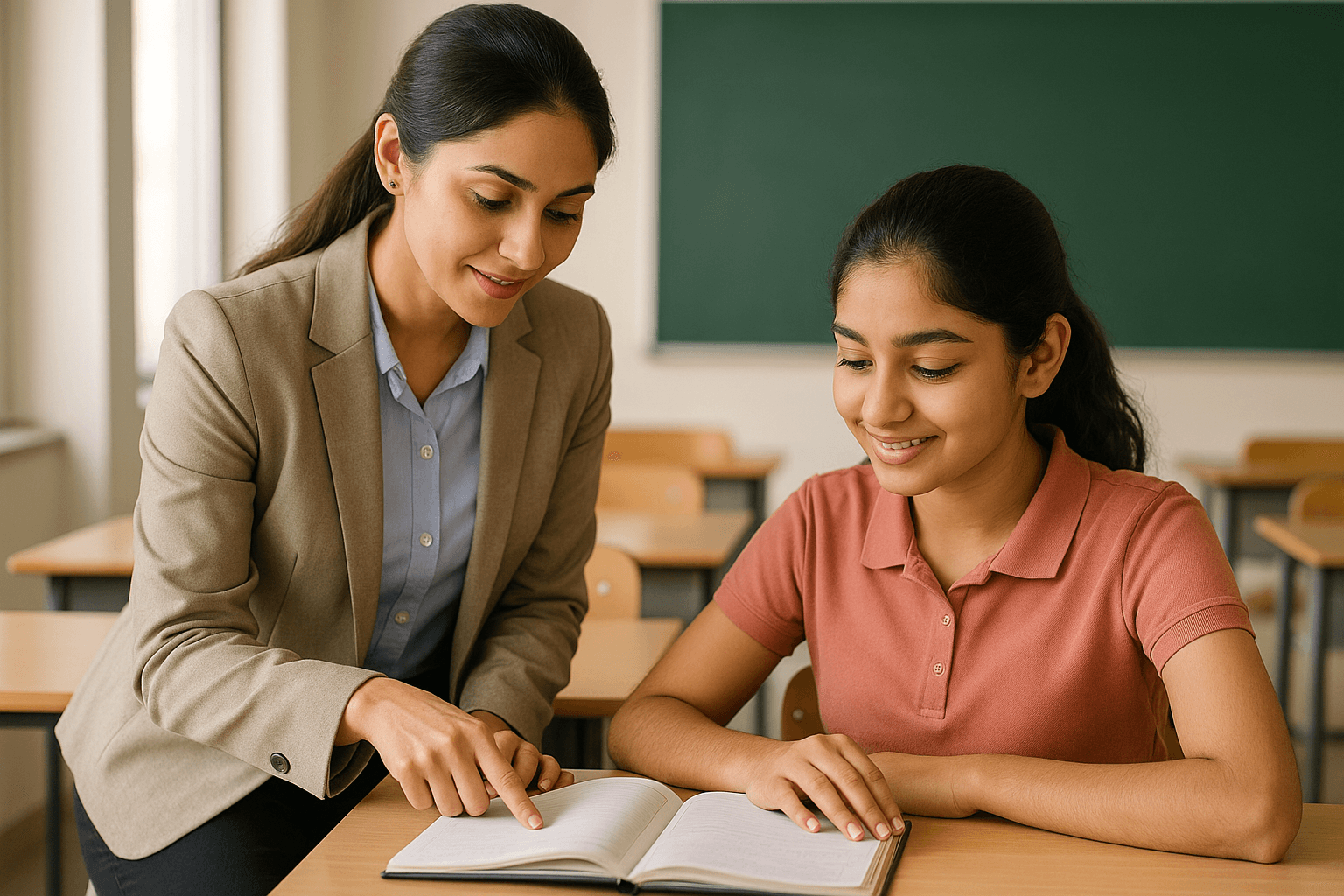
No, performance anxiety is not always bad.
A small amount of nervousness can actually help children focus and stay alert. It becomes a problem only when fear becomes too strong and stops the child from trying or enjoying learning.
Parents should remember that performance anxiety does not mean a child is weak. It means the child cares about doing well.
Difference Between Healthy Nervousness and Performance Anxiety
| Healthy Nervousness | Performance Anxiety |
|---|---|
| Temporary feeling | Strong and long-lasting |
| Helps focus | Blocks thinking |
| Child still tries | Child avoids tasks |
| Builds motivation | Reduces confidence |
Performance Anxiety in Exams
Exams are one of the most common causes of performance anxiety in children.
What Children May Experience During Exams
Forgetting answers they studied
Mind going blank
Panic when seeing the question paper
Rushing through questions
Feeling sick or dizzy
Why Exams Create Anxiety
Fear of low marks
Time pressure
Comparison with classmates
Expectations from family
Checkpoint 1: Understanding Performance Anxiety
Parents can ask children these questions:
What is performance anxiety
Name one situation that makes you nervous
How does your body feel when you are nervous
If the child can answer these questions, they are beginning to understand their feelings.
Fun Activity 1: My Feelings Chart
Ask children to match situations with how they feel.
| Situation | Feeling |
|---|---|
| Exam day | Nervous |
| Stage performance | Scared |
| Speaking in class | Excited |
| Playing sports | Confident |
This helps children identify emotions instead of hiding them.
Performance Anxiety in the Classroom
Not all performance anxiety happens on stage or during exams. Many children feel anxious during everyday classroom activities. Even simple tasks like answering a question or reading aloud can feel scary.
Common Classroom Situations That Cause Anxiety
Reading aloud in class
Answering questions in front of classmates
Writing on the blackboard
Participating in group discussions
Giving short oral responses
Children may know the answer but still feel afraid to speak. This fear is often connected to worry about making mistakes or being judged.
Confidence begins with the first step — book your child’s free demo class
Performance Anxiety in Public Speaking and Stage Performances
Public speaking and stage performances are major sources of anxiety for many children.
Why Stage Performances Feel Scary
Many people are watching
Fear of forgetting lines
Bright lights and loud sounds
Being alone on stage
Fear of embarrassment
Children may worry about what will happen if they make a mistake. These thoughts increase fear and nervousness.
What Children Often Think
“Everyone is looking at me.”
“What if I forget everything?”
“What if I make a mistake?”
These thoughts make the body feel tense and uncomfortable.
Performance Anxiety in Sports and Competitions
Performance anxiety is not limited to academics. It can also affect sports and competitions.
Examples of Sports-Related Anxiety
Fear of losing a match
Worry about disappointing the team
Nervousness before a race or game
Fear of being watched by parents or coaches
Children may perform well during practice but struggle during matches because of anxiety.
How Performance Anxiety Affects the Mind and Body
Performance anxiety affects both thinking and physical reactions.
Mind Reactions
Negative thoughts
Difficulty concentrating
Forgetting information
Overthinking mistakes
Body Reactions
Fast breathing
Sweaty hands
Tight muscles
Stomach discomfort
These reactions are the body’s natural response to fear. Learning to calm the body helps calm the mind too.
Simple Techniques Children Can Use to Manage Performance Anxiety
Children can learn easy techniques to handle nervous feelings. These techniques work best when practised regularly.
Deep Breathing for Calmness
Slow breathing helps the body relax.
Activity:
Breathe in slowly for 4 seconds
Hold for 2 seconds
Breathe out slowly for 4 seconds
Repeat 5 times
Children can practise this before exams, presentations, or performances.
Positive Self-Talk for Confidence
The way children talk to themselves matters.
Common Negative Thoughts
“I will fail.”
“I am not good enough.”
“Everyone will laugh at me.”
Replacing Negative Thoughts
| Negative Thought | Positive Thought |
|---|---|
| I will fail | I will try my best |
| I am not good | I am learning |
| I can’t do this | I can try |
Positive self-talk helps children feel stronger and calmer.
Practice and Preparation
Preparation reduces fear.
Why Practice Helps
Builds familiarity
Improves confidence
Reduces fear of the unknown
Children who practise speaking, writing, or performing feel more prepared and less anxious.
Beat performance anxiety early — book a free demo class for your child.
Breaking Big Tasks Into Small Steps
Big tasks can feel overwhelming.
Example:
Instead of thinking “I have to give a full speech,” think:
I will practise one paragraph
I will practise with family
I will practise in front of a mirror
Small steps make big tasks feel easier.
Fun Activity 2: My Calm Plan
Ask children to create a calm plan for anxious situations.
| Situation | What I Feel | What I Will Do |
|---|---|---|
| Exam | Nervous | Deep breathing |
| Presentation | Scared | Practise aloud |
| Sports match | Excited | Positive self-talk |
This helps children prepare mentally.
Building Confidence Through Daily Habits
Confidence grows through daily actions.
Daily Habits That Help
Reading aloud at home
Speaking in small groups
Practising presentations
Participating without fear of mistakes
Encourage effort, not perfection.
What Parents Should Avoid Saying
Sometimes, words said with good intention can increase anxiety.
Avoid Statements Like
“You must come first.”
“Others can do it, why can’t you?”
“There is no reason to be scared.”
These statements can make children feel misunderstood.
What Parents Can Say Instead
“It’s okay to feel nervous.”
“I am proud of you for trying.”
“Let’s practise together.”
Supportive words build trust and confidence.
Checkpoint 2: Managing Performance Anxiety
Ask your child:
Name one situation that makes you nervous
What is one thing you can do to calm yourself
Can you replace a negative thought with a positive one
If the child can answer, they are learning to manage anxiety.
Fun Activity 3: Confidence Jar
Ask children to write positive statements on small slips of paper and put them in a jar.
Examples:
I am brave
I can improve
I am proud of myself
Children can read one note whenever they feel anxious.
Helping Children Build Long-Term Confidence
Managing performance anxiety is not just about calming fear for one exam or one performance. The goal is to help children build confidence that stays with them for life.
Confidence grows slowly through positive experiences, encouragement, and regular practice. Children who feel safe and supported are more willing to try, even when they feel nervous.
Turning Anxiety into Positive Energy
Anxiety and excitement feel similar in the body. The difference is how children understand the feeling.
Teaching Children to Reframe Fear
Instead of thinking:
“I am scared”
Children can learn to think:
“I am excited to try”
This small change in thinking helps reduce fear and increases motivation.
Daily Confidence-Building Habits for Children
Small daily habits make a big difference over time.
Habits That Build Confidence
Reading aloud for 5 minutes daily
Speaking in front of family members
Sharing opinions during conversations
Practising presentations in small steps
Celebrating effort, not just success
These habits make performance situations feel normal instead of scary.

Role of Parents in Reducing Performance Anxiety
Parents are a child’s biggest support system. The way parents respond to anxiety can either reduce or increase fear.
Create a Safe Emotional Space
Children should feel safe to share their worries without being judged or criticised.
Focus on Effort Over Results
Instead of asking, “What marks did you get?” try asking, “Did you try your best?”
Encourage Without Forcing
Encouragement helps children grow. Forcing can increase fear.
What Parents Can Do Before a Performance
Before Exams or Performances
Help the child prepare in advance
Encourage rest and healthy meals
Avoid last-minute pressure
Remind them that mistakes are okay
On the Day of the Performance
Stay calm and positive
Avoid showing your own anxiety
Offer reassurance and encouragement
What Parents Can Do After a Performance
The time after a performance is very important.
Healthy Responses After Performance
Praise the effort
Talk about what went well
Avoid focusing only on mistakes
Encourage reflection, not criticism
This helps children feel proud instead of disappointed.
Role of Teachers in Supporting Anxious Children
Teachers play a powerful role in shaping a child’s confidence.
Creating a Supportive Classroom Environment
Encourage participation without fear
Avoid public criticism
Allow practice opportunities
Recognise effort and improvement
Helping Quiet or Anxious Students
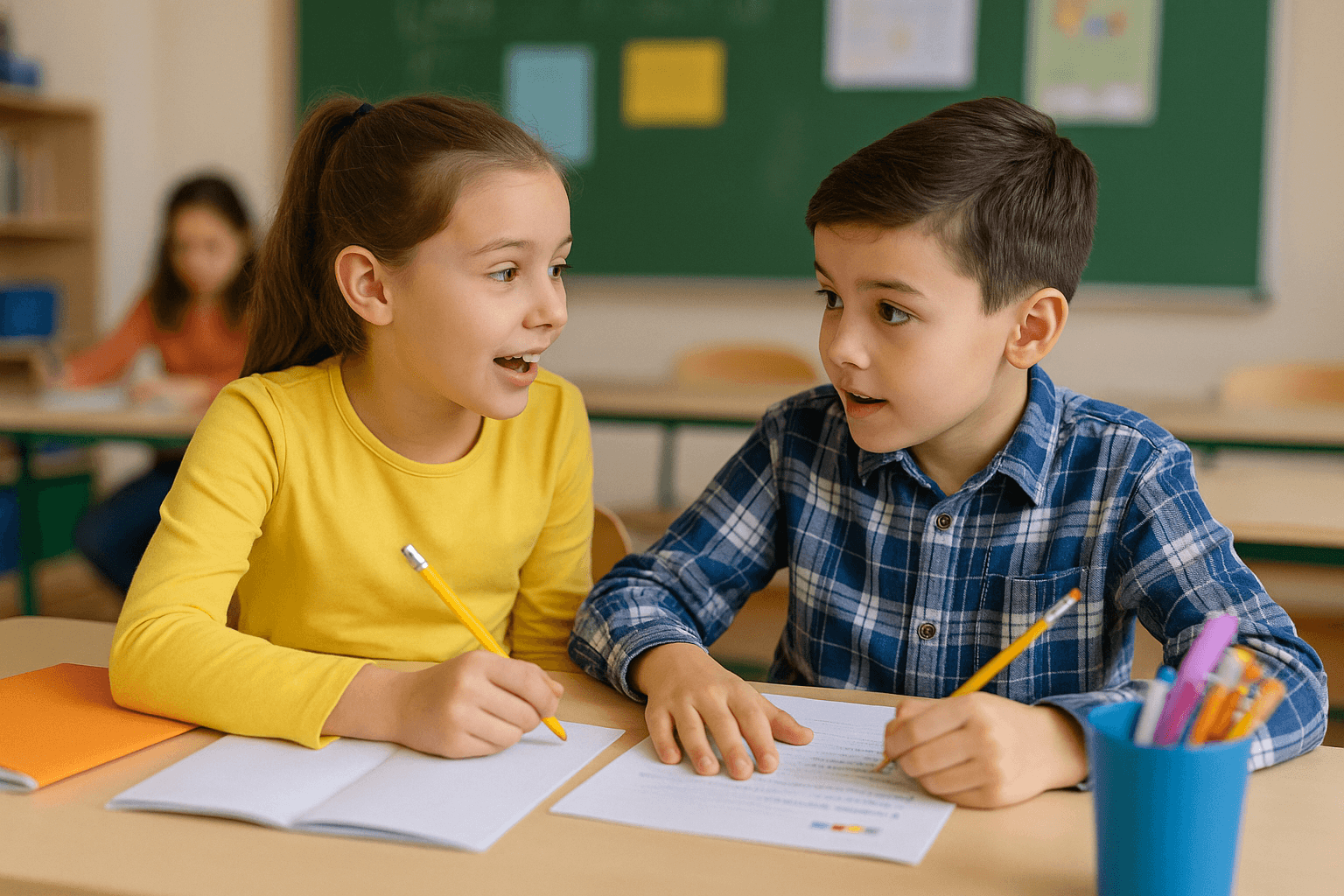
Some children may not raise their hand but still understand the lesson. Teachers can encourage them gently through pair work or small-group discussions.
When Performance Anxiety Needs Extra Support
Sometimes performance anxiety may become overwhelming and require extra help.
Signs That Extra Support Is Needed
Anxiety lasts for many months
Child avoids school or activities
Frequent physical complaints like stomach pain
Extreme fear or panic before performances
Loss of interest in activities they once enjoyed
In such cases, parents can consider speaking to teachers, counsellors, or child development experts.
Fun Activity 4: My Confidence Journal
Ask children to maintain a confidence journal.
Journal Prompts
One thing I tried today
One thing I felt nervous about
One thing I did well
One thing I am proud of
Writing regularly helps children notice growth and build self-belief.
Fun Activity 5: The Courage Ladder
Ask children to list activities from least scary to most scary.
Example:
Reading aloud at home
Speaking in front of family
Answering in class
Giving a short presentation
Speaking on stage
Children can climb the ladder step by step, building courage gradually.
Give your child the confidence advantage — book a free demo class now
Checkpoint 3: Building Confidence
Parents can ask:
What helps you feel calm when nervous
What is one thing you can practise to feel more confident
Can you name one success you had recently
Positive answers show emotional growth.
How We Helps Children Overcome Performance Anxiety
At PlanetSpark, children are guided in a safe and encouraging environment. Through structured speaking activities, storytelling, and interactive sessions, children practise expressing themselves without fear.
They learn:
To speak confidently
To organise their thoughts
To handle mistakes positively
To enjoy learning and performing
This helps reduce performance anxiety and build lifelong communication skills.
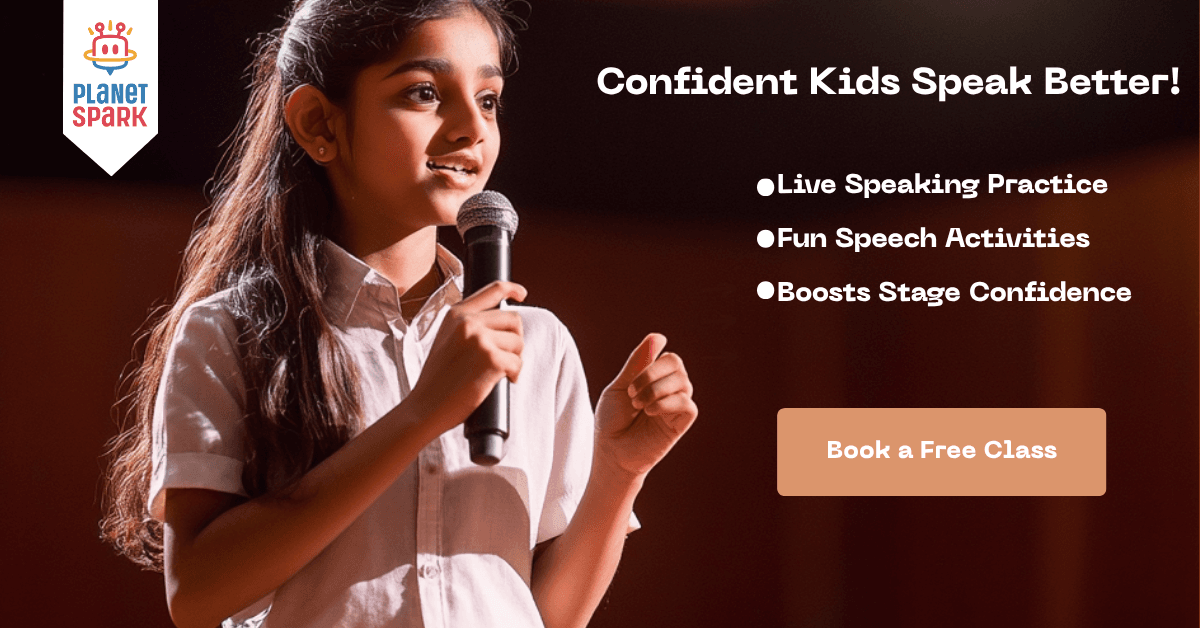
About PlanetSpark : Personality Development
PlanetSpark helps children develop confidence, leadership, and strong interpersonal skills through personalised 1:1 live classes. Our Personality Development Program focuses on self-expression, emotional intelligence, and social etiquette empowering kids to present themselves confidently in every situation.
1. 1:1 Expert Mentorship
Each child is guided by a certified trainer who understands their personality and growth needs offering personalised support to build confidence, self-awareness, and positive communication habits.
2. Personalised Growth Path
A customised learning roadmap focuses on self-introduction, goal setting, communication etiquette, and critical thinking helping children grow step by step into confident individuals.
3. Confidence, Body Language & Etiquette Training
Children learn posture, eye contact, tone, and respectful communication through practical activities building a strong and confident personal presence.
4. Activity-Based & Real-Life Learning
Roleplays, mock interviews, journaling, and scenario-based exercises help children practise social skills, leadership, and emotional expression in real-world contexts.
5. Holistic Personality & Leadership Growth
Beyond communication, PlanetSpark nurtures empathy, teamwork, responsibility, and leadership helping children become confident, well-rounded individuals ready to succeed anywhere.
Frequently Asked Questions
Performance anxiety is the fear or stress children feel when they have to perform tasks like exams, sports, stage shows, or speaking in front of others, often worrying about failure or judgment.
Common signs include nervousness, stomach aches, sweating, crying, fear of mistakes, avoiding activities, trouble sleeping, and negative self-talk before performances.
Parents can help by offering emotional support, focusing on effort rather than results, encouraging practice without pressure, and teaching calming techniques like deep breathing and positive thinking.
Yes, if left unaddressed, performance anxiety can lower self-esteem and confidence. With early support and guidance, children can build resilience and self-confidence.
Parents should seek help if anxiety interferes with daily activities, school performance, sleep, or if the child frequently avoids situations due to fear or stress.