Build Your Future With a Clear And Structured Career Map

Build Your Future With a Clear And Structured Career Map
Last Updated At: 12 Apr 2026
20 min read

Choosing the right career path can feel confusing, especially when students are exposed to multiple options, expectations, and pressures. This is where a well planned career map becomes essential. It acts like a roadmap that helps students move from uncertainty to clarity by defining their goals, interests, and required skills.

A career map is not just about selecting a job. It is a structured plan that outlines where you are today and where you want to be in the future. For students, it provides direction and helps avoid random decisions that can lead to wasted time and effort.

What is a Career Map

A career map is a visual or structured representation of your career journey. It shows the steps required to move from your current stage as a student to your desired professional role. It includes goals, skills, education, and milestones that guide your progress.

Career mapping for students focuses on breaking down long term ambitions into smaller, achievable steps. This makes the process less overwhelming and more practical.

Copy of AI ads (1200 x 628 px) (6) (5).png

Simple understanding of a career map

Think of a career map like a GPS for your future. Just as a GPS shows the route to reach a destination, a career map shows the path to achieve your career goals.

Without a clear map, students may:

  • Feel lost while choosing subjects or courses
  • Switch career paths frequently
  • Lack direction and motivation

With a proper map, every step becomes intentional and aligned with future success.

Core elements of a career map

A well designed career map usually includes:

ElementDescription
Career GoalThe final job or profession you aim for
Skills RequiredAbilities needed to succeed in that field
Education PathCourses, degrees, or certifications required
TimelineEstimated time to achieve each milestone
Action PlanStep by step tasks to follow

This structured approach helps students stay organized and focused.

Types of career maps students can use

Students can create different types of career maps based on their preferences:

  • Visual maps using charts or diagrams
  • Written plans with step by step goals
  • Digital tools and apps for tracking progress

Each type serves the same purpose, which is to provide clarity and direction.

Difference between career planning and career mapping

Many students confuse career planning with career mapping. While they are related, they are not the same.

  • Career planning focuses on deciding what you want to do
  • Career mapping focuses on how you will achieve it

Both are important, but mapping adds structure to your plan.

Why career mapping is important in early stages

Starting early gives students an advantage. It allows more time to explore options, build skills, and correct mistakes without pressure.

Key advantages include:

  • Better decision making
  • Early skill development
  • Stronger academic focus
  • Higher chances of success

A career map transforms dreams into actionable steps. Instead of guessing what to do next, students follow a clear and defined path.

Why students need structured planning

A structured approach ensures that every step taken is purposeful. Instead of randomly choosing subjects or courses, students can align their decisions with long term goals.

For example, a student interested in digital marketing can plan early by:

  • Learning communication skills
  • Exploring social media tools
  • Understanding basic marketing concepts

This structured journey becomes easier when a clear career map is created.

Key components of a strong foundation

To build an effective roadmap, students should focus on:

  • Self awareness
  • Goal setting
  • Skill development
  • Continuous learning

These elements help create a strong base for future success.

In today’s competitive environment, having a career map is no longer optional. It is a necessity for students who want to stay ahead and make informed decisions about their future.

"Your voice shapes your future."
Build confidence and communication skills with PlanetSpark’s personality development course.

Benefits of Career Mapping for Students

A well structured career map provides multiple advantages that go beyond just choosing a profession. It helps students gain clarity, build confidence, and stay focused throughout their academic and professional journey. Career mapping for students is not only about planning the future but also about making better decisions in the present.

One of the biggest benefits is clarity. Many students feel overwhelmed because they are unsure about what to do next. A career map removes this confusion by providing a clear direction. When students know their goals, they can align their efforts accordingly.

Another key advantage is better decision making. With a defined path, students can choose the right subjects, courses, and activities that support their long term goals. This reduces the chances of making random or impulsive decisions.

Key benefits students can experience

  • Clear understanding of career goals
  • Improved focus on academics and skill building
  • Reduced stress and confusion
  • Better time management
  • Increased confidence in career choices

A career map also helps in identifying gaps. For example, if a student wants to pursue a career in technology but lacks coding skills, the map highlights this gap early. This allows enough time to learn and improve.

How it improves academic performance

Students with a clear direction tend to perform better academically. This happens because:

  • They study with a purpose
  • They understand the relevance of subjects
  • They stay motivated to achieve their goals

Instead of studying just to pass exams, students start learning with a vision.

Long term advantages of structured planning

Career mapping for students ensures long term growth by:

  • Helping them adapt to changing industry trends
  • Encouraging continuous learning
  • Building a strong professional foundation

It also prepares students for real world challenges. When they step into their careers, they already have a roadmap to follow.

Comparison without and with a career map

Without Career MapWith Career Map
Confusion in choicesClear direction
Frequent changes in goalsStable career path
Lack of focusStrong focus
Delayed progressFaster growth

In a competitive world, students who plan early always have an edge. A career map acts as a guide that keeps them on track and helps them achieve their goals efficiently.

"Confidence is the first step to success."
Unlock your true potential with PlanetSpark’s personality development course.

Step-by-Step Guide to Create a Career Map

Creating a career map may seem complex at first, but when broken down into simple steps, it becomes easy and practical. Career mapping for students works best when approached in a structured and realistic way.

The goal is to move step by step from self understanding to action planning.

Step 1: Understand yourself

The first step is self awareness. Students need to understand their interests, strengths, and preferences. This forms the foundation of the entire career map.

Ask yourself questions like:

  • What subjects do I enjoy the most
  • What activities make me feel excited
  • What are my natural strengths

This step helps in identifying the right direction.

Step 2: Explore career options

Once you understand your interests, the next step is to explore different career options related to them. Do not limit yourself to traditional choices.

Students can explore by:

  • Researching online
  • Talking to professionals
  • Watching career related content
  • Attending workshops or webinars

This broadens your perspective and helps you discover new opportunities.

Step 3: Set clear career goals

After exploring options, define your goal. Be specific about what you want to achieve.

For example:

  • Instead of saying "I want a good job"
  • Say "I want to become a digital marketing specialist"

Clear goals make your career map more effective.

Step 4: Identify required skills and education

Every career requires a specific set of skills and qualifications. Identify what you need to achieve your goal.

Career GoalSkills NeededEducation Path
DesignerCreativity, design toolsDesign courses
MarketerCommunication, analyticsMarketing studies
DeveloperCoding, problem solvingTechnical education

This step connects your current stage with your future goal.

Step 5: Create an action plan

Break your goal into smaller steps. This makes the journey manageable and less overwhelming.

Your action plan can include:

  • Learning new skills
  • Taking relevant courses
  • Gaining practical experience
  • Building projects or portfolios

Each step should bring you closer to your goal.

Step 6: Set timelines and track progress

A career map is incomplete without timelines. Assign deadlines to each step so you stay accountable.

Students should also track their progress regularly:

  • Review goals every few months
  • Update plans if needed
  • Adjust based on new opportunities

Step 7: Stay flexible and keep improving

While planning is important, flexibility is equally necessary. Interests and opportunities may change over time.

Career mapping for students should allow room for growth and adjustments. The key is to keep learning and improving continuously.

By following these steps, students can create a clear and actionable career map that guides them toward success.

"Great communicators create great opportunities."
Enhance your speaking skills with PlanetSpark’s personality development course.

How to Identify Your Interests and Strengths

Understanding yourself is the most important step in building a successful career map. Without knowing what you enjoy and what you are good at, it becomes difficult to choose the right direction. Career mapping for students starts with deep self awareness, which helps in making confident and informed decisions.

Many students ignore this step and directly jump into choosing careers based on trends, peer pressure, or family expectations. This often leads to dissatisfaction and confusion later. Taking time to identify your interests and strengths ensures that your career path aligns with your personality.

Why self awareness is important

Self awareness helps students:

  • Choose careers that match their passion
  • Stay motivated for a longer period
  • Perform better in academics and skills
  • Avoid switching paths frequently

When students understand themselves clearly, they make decisions with confidence rather than doubt.

Ways to identify your interests

Students can explore their interests through simple activities and observations. It does not always require complex tools.

Some effective ways include:

  • Noticing subjects you enjoy studying the most
  • Observing activities you naturally spend more time on
  • Exploring hobbies like writing, designing, coding, or speaking
  • Trying new experiences such as workshops or online courses

For example, if a student enjoys storytelling and communication, they may explore careers in content creation, media, or marketing.

Identifying your strengths

Strengths are the skills or abilities that you perform well in. These can be natural talents or skills developed over time.

Students can identify strengths by:

  • Reviewing past achievements
  • Asking feedback from teachers or mentors
  • Analyzing tasks they complete بسهولة and confidently
  • Noticing where they perform better than others

Simple self evaluation table

AreaQuestions to Ask Yourself
InterestsWhat do I enjoy doing daily
SkillsWhat am I naturally good at
ValuesWhat matters most to me
PersonalityDo I prefer creative or analytical work

This simple evaluation helps students build a strong base for their career map.

Balancing interests and strengths

It is important to find a balance between what you like and what you are good at. Sometimes students enjoy something but lack skills, or they are skilled in something they do not enjoy.

The ideal approach is:

  • Choose an area of interest
  • Build skills in that area
  • Continuously improve through practice

Career mapping for students becomes more effective when both passion and ability are aligned. This combination leads to long term success and satisfaction.

"Believe in yourself and the world will listen."
Boost self confidence with PlanetSpark’s personality development course.

Setting Short-Term and Long-Term Career Goals

Once students understand their interests and strengths, the next step in building a career map is setting clear goals. Goals provide direction and help in tracking progress. Without defined goals, even the best plans can fail.

Career mapping for students focuses on dividing big dreams into smaller, achievable milestones. This makes the journey less overwhelming and more structured.

Understanding short term vs long term goals

Short term goals are tasks that can be achieved in a shorter time frame. Long term goals define where you want to be in the future.

TypeExample
Short TermLearn a new skill in 3 months
Long TermBecome a professional in a chosen field

Both types of goals are equally important in a career map.

Why goal setting is important

Setting goals helps students:

  • Stay focused on their path
  • Measure their progress
  • Stay motivated during challenges
  • Avoid distractions

Goals act as checkpoints that ensure you are moving in the right direction.

How to set effective career goals

Students should follow a structured approach while setting goals:

  • Be specific about what you want to achieve
  • Keep goals realistic and achievable
  • Set a timeline for completion
  • Break big goals into smaller steps

For example, instead of saying "I want to improve communication skills", a better goal would be:

  • Practice public speaking for 15 minutes daily for 30 days

This makes the goal clear and actionable.

Goal setting framework for students

StepAction
DefineIdentify what you want to achieve
PlanDecide how you will achieve it
ExecuteTake consistent action
ReviewTrack progress and improve

This structured method makes goal setting simple and effective.

Common mistakes while setting goals

Students often make mistakes that reduce the effectiveness of their career map. Some common ones include:

  • Setting vague goals
  • Not having a timeline
  • Ignoring progress tracking
  • Setting unrealistic expectations

Avoiding these mistakes ensures steady progress.

Maintaining consistency and discipline

Setting goals is only the first step. The real challenge is staying consistent.

Students can stay on track by:

  • Creating a daily routine
  • Tracking small achievements
  • Staying accountable
  • Reviewing goals regularly

A strong career map combined with clear goals helps students move forward with confidence and clarity.

"Small improvements lead to big transformations."
Start your growth journey with PlanetSpark’s personality development course.

Skills You Need to Build for Future Success

Building the right skills is a crucial part of creating a strong career map. While goals and planning provide direction, skills determine how effectively students can achieve those goals. Career mapping for students becomes successful only when it is supported by continuous skill development.

In today’s fast changing world, relying only on academic knowledge is not enough. Students need a combination of technical skills and soft skills to stay competitive and adaptable.

Why skill development is essential

Skills help students:

  • Turn knowledge into practical application
  • Improve performance in academics and real life situations
  • Increase confidence and independence
  • Stay prepared for future opportunities

A career map without skill building is incomplete because it lacks execution.

Types of skills students should focus on

Students should aim to develop a balanced skill set that supports both personal and professional growth.

Skill TypeExamples
Technical SkillsCoding, design, data analysis
Communication SkillsSpeaking, writing, presentation
Analytical SkillsProblem solving, critical thinking
Creative SkillsInnovation, storytelling, design thinking
Life SkillsTime management, adaptability

Each skill plays a different role in shaping a student’s career journey.

Top skills for future readiness

Some skills are universally valuable across all career paths. These include:

  • Communication and public speaking
  • Critical thinking and problem solving
  • Digital literacy and basic tech knowledge
  • Creativity and innovation
  • Emotional intelligence

These skills help students perform better in any field they choose.

How students can start building skills

Skill development does not require complex resources. Students can begin with simple steps:

  • Take online courses related to their interests
  • Practice skills daily through small tasks
  • Participate in competitions or group activities
  • Work on personal projects
  • Learn from mentors or educators

Consistency is more important than intensity. Small daily efforts lead to long term growth.

Skill building roadmap example

StageFocus AreaAction
BeginnerBasic understandingLearn fundamentals
IntermediatePracticeWork on projects
AdvancedMasteryApply in real situations

This structured approach aligns perfectly with a career map and ensures continuous improvement.

Balancing academics and skills

Students often struggle to balance studies and skill development. The key is integration.

  • Choose skills that support academic goals
  • Allocate specific time for practice
  • Focus on quality learning instead of quantity

Career mapping for students becomes more effective when skills are developed alongside academics rather than separately.

Common Mistakes Students Make in Career Planning

While creating a career map is important, avoiding common mistakes is equally crucial. Many students start with good intentions but make errors that affect their progress. Understanding these mistakes helps in building a more effective and realistic career path.

Career mapping for students requires clarity, patience, and consistency. Mistakes often occur when students rush decisions or follow the wrong approach.

Lack of self awareness

One of the most common mistakes is not understanding personal interests and strengths. Students often choose careers based on external influence rather than self analysis.

This leads to:

  • Lack of motivation
  • Poor performance
  • Frequent changes in career direction

Following trends blindly

Many students choose careers just because they are popular or high paying. While these factors are important, they should not be the only criteria.

Problems with this approach include:

  • Mismatch between interest and career
  • Difficulty in sustaining long term growth
  • Increased stress and dissatisfaction

Setting unclear or unrealistic goals

Goals that are vague or too ambitious can create confusion and frustration.

Examples of poor goal setting:

  • "I want to be successful" without a clear path
  • Setting goals without considering current abilities

Students should always aim for clear and achievable goals within their career map.

Ignoring skill development

Focusing only on academic performance and ignoring practical skills is a major mistake.

Consequences include:

  • Lack of real world readiness
  • Difficulty in applying knowledge
  • Limited career opportunities

Not updating the career map

A career map is not a one time activity. Students often create a plan but fail to update it based on new experiences or changes in interest.

This can lead to:

  • Outdated goals
  • Missed opportunities
  • Lack of adaptability

Poor time management

Without proper time management, even the best plans can fail. Students may procrastinate or fail to prioritize important tasks.

Quick comparison table of mistakes and solutions

MistakeSolution
Lack of clarityFocus on self awareness
Following trendsChoose based on interest
No skill buildingLearn continuously
No updatesReview regularly
Poor planningCreate structured steps

How to avoid these mistakes

Students can improve their career mapping process by:

  • Taking time to understand themselves
  • Setting realistic and clear goals
  • Focusing on consistent skill development
  • Reviewing and updating plans regularly

Avoiding these common mistakes ensures that a career map remains practical, effective, and aligned with long term success.

"Your personality is your biggest asset."
Develop a strong and impactful personality with PlanetSpark’s personality development course.

Tools and Resources for Career Mapping for Students

Creating a career map becomes much easier when students use the right tools and resources. Instead of relying only on guesswork, structured tools can help in planning, tracking, and improving the overall career journey. Career mapping for students becomes more practical and effective when supported by reliable resources.

Today, students have access to a wide range of online platforms, assessment tools, and learning resources that can simplify the entire process. These tools help in identifying interests, exploring career options, and building required skills.

Types of tools students can use

There are different categories of tools that support various stages of a career map:

Tool TypePurpose
Self Assessment ToolsIdentify interests and strengths
Career Exploration PlatformsDiscover different career options
Skill Learning PlatformsBuild relevant skills
Planning ToolsOrganize goals and track progress

Each type plays a specific role in shaping a structured path.

Self assessment and career discovery tools

Understanding yourself is the first step, and there are tools designed specifically for this purpose. These tools analyze your personality, interests, and preferences to suggest suitable career options.

Students can benefit by:

  • Getting clarity about strengths and weaknesses
  • Exploring careers they were not aware of
  • Making more informed decisions

Even simple methods like journaling or taking quizzes can act as effective self assessment tools.

Online learning platforms for skill development

Skill building is an important part of a career map. Students can use online platforms to learn new skills at their own pace.

Popular learning resources offer:

  • Video based lessons
  • Practical assignments
  • Certifications for skill validation

This helps students stay competitive and prepared for future opportunities.

Planning and tracking tools

A career map needs regular tracking and updates. Planning tools help students stay organized and focused.

Students can use:

  • Digital planners
  • Goal tracking apps
  • Simple spreadsheets

These tools help in breaking down goals and monitoring progress over time.

Using mentors and guidance resources

Apart from digital tools, human guidance plays a major role. Teachers, mentors, and industry professionals can provide valuable insights.

Benefits of guidance include:

  • Real world knowledge
  • Personalized advice
  • Better decision making

Combining tools with expert guidance creates a strong support system for students.

Best approach to using resources

Students should avoid using too many tools at once. The key is to:

  • Choose a few relevant tools
  • Use them consistently
  • Focus on action rather than just planning

Career mapping for students becomes more efficient when tools are used as support systems, not distractions.

Copy of AI ads (1200 x 628 px) (5) (4).png

How PlanetSpark Helps Students Build a Career Map

Building a strong career map requires more than just planning. Students need the right environment to develop skills, gain confidence, and stay consistent in their journey. PlanetSpark supports career mapping for students by focusing on essential life skills that are critical for long term success. It helps students improve communication, think clearly, and express their ideas with confidence. These abilities play a major role in shaping future career opportunities.

With structured learning and expert guidance, students are able to align their skills with their career goals. This makes it easier for them to follow their career map with clarity and purpose. Instead of feeling confused or directionless, students gain a sense of control over their future. By building strong foundational skills early, they are better prepared to face academic challenges, interviews, and real world situations.

  • Improves communication and public speaking skills
  • Builds confidence and self expression
  • Enhances critical thinking and clarity
  • Provides structured learning with expert guidance
  • Helps align skills with career goals
  • Encourages consistency and long term growth

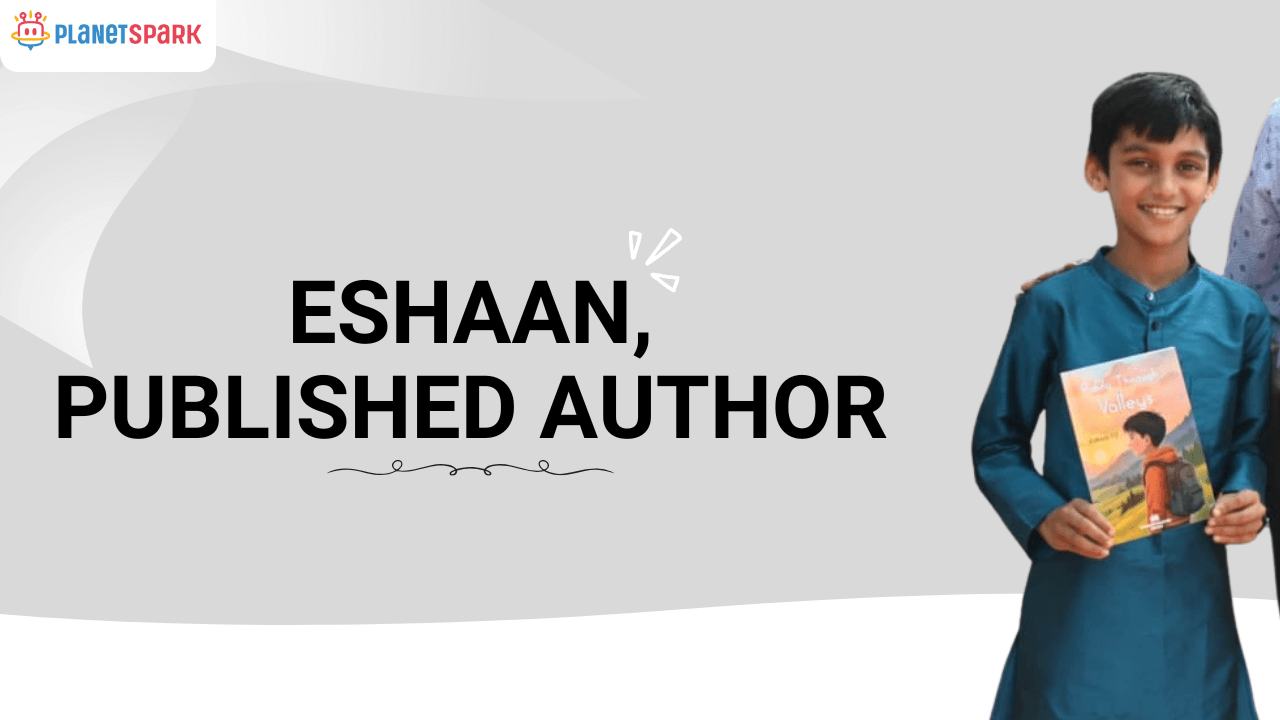
Young Author Success Story: Eshaan Becomes a Published Writer

Eshaan has officially become a published author, transforming a simple classroom activity into a captivating storybook. His journey reflects creativity, confidence, and the power of expressing ideas through storytelling at an early stage.

Eshaan Thumbnail (2).png

Conclusion and Next Steps

A well planned career map gives students clarity, direction, and confidence to move forward with purpose. Instead of feeling confused about future choices, students can take structured steps toward their goals. Career mapping for students helps in aligning interests, skills, and opportunities, making the journey more focused and effective.

The key is to start early, stay consistent, and keep improving. Students should regularly review their goals, update their plans, and continue building relevant skills. Small actions taken today can lead to big achievements in the future. With the right mindset and a clear roadmap, every student can build a successful and fulfilling career path.

"Speak with confidence, lead with clarity."
Master communication skills with PlanetSpark’s personality development course.

You must read:
Career Planning Strategies Every Student Must Know For Future Success

Frequently Asked Questions

A career map is a structured plan that helps students identify their goals, required skills, and steps needed to achieve their desired career path.

Career mapping helps students gain clarity, make better academic decisions, and stay focused on their long term goals without confusion.

Students should start as early as possible so they have enough time to explore options, build skills, and make informed decisions.

Students can identify the right path by understanding their interests, strengths, and values, and by exploring different career options.

A career map includes career goals, required skills, education path, timeline, and a step by step action plan.

Yes, a career map should be flexible. Students can update it based on new interests, opportunities, or changes in goals.