
Character Building Skills That Shape Confident Students | PlanetSpark
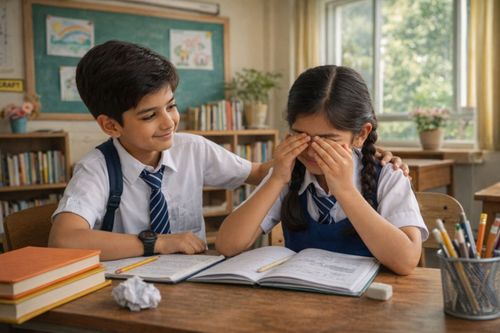

Confidence doesn’t show up overnight. It grows through daily habits, strong values, and the right environment. Character building helps students become more than just good learners. It shapes how they handle pressure, learn from mistakes, treat others, and stay motivated even when things get tough. Qualities like perseverance, empathy, discipline, and integrity directly influence a child’s mindset, decision-making, and long-term confidence in academics and life.
At PlanetSpark, we go beyond textbook learning to help children understand the character building meaning in a practical, age-appropriate way. Through communication-led activities, real-life scenarios, and guided reflection, learners practice responsibility, independent thinking, and respectful expression. Students not only perform well in school, but they also develop the confidence to lead, collaborate, and succeed in real-world situations.

Importance of Character Building in Children
Developing strong values and traits early in life helps children navigate challenges confidently. Character building meaning involves teaching empathy, honesty, perseverance, and responsibility, which shape behavior, social interactions, and decision-making. Such skills form the foundation for success beyond academics.
Moreover, PlanetSpark provides programs that combine learning with life skills. Through interactive sessions, children gradually build confidence, emotional intelligence, and leadership skills. Consequently, they are better prepared for both personal growth and social responsibilities, highlighting the following key benefit:
Enhances Emotional Intelligence
Children who develop strong character can better understand and manage their emotions. This leads to improved relationships with peers, teachers, and family. Moreover, emotional awareness fosters empathy and compassion. Ultimately, emotional intelligence helps children navigate social situations effectively.
Builds Resilience and Discipline
Education for character building equips children with the ability to handle setbacks and stay focused on goals. They learn patience, persistence, and self-control. As a result, children grow adaptable and motivated. Therefore, resilience becomes a lifelong asset both academically and personally.
Strengthens Social Skills
Character building encourages cooperation, teamwork, and respect for others. Children learn to communicate effectively and resolve conflicts positively. Additionally, they develop a sense of responsibility in group settings. These social skills ensure smoother interactions at school and in the community.
Supports Long-Term Character Development
Ongoing guidance in values and ethics fosters consistent character development. Children internalize positive habits and decision-making skills. Consequently, they build integrity, accountability, and leadership qualities.
Ultimately, character development shapes well-rounded individuals ready for future challenges. However, to help your kid get a significant character orientation, you need to know what skills you must foster in them.
Key Character-Building Skills for Confidence
Developing strong values early in life helps children navigate challenges confidently. Traits such as perseverance, honesty, empathy, and self-discipline shape behavior, decision-making, and social interactions. Furthermore, character education plays a vital role in nurturing essential life skills.
Empower your child with essential life skills today. Start focusing on character building to nurture confidence, resilience, and strong values from early childhood. Book our free trial class today!
By fostering emotional intelligence, leadership, and confidence, children learn to handle responsibilities effectively. Consequently, they develop resilience and self-assurance, emphasizing one key focus. Instilling these qualities lays the foundation for personal growth and lifelong success:
Perseverance & Resilience
When a child struggles with math problems or keeps getting a spelling word wrong, perseverance is what makes them try again instead of giving up. Resilience shows up when they bounce back after a low test score and still walk into the next class ready to improve. These are core character building skills that help children stay committed to goals even when outcomes feel uncertain.
Empathy & Respect
Empathy looks like a child noticing a classmate sitting alone and inviting them to join a group activity. Respect shows when they wait their turn to speak, listen without interrupting, and respond politely even in disagreements. Practicing kindness in daily moments strengthens social confidence and builds a supportive peer environment.
Integrity & Responsibility
Integrity is choosing honesty even when lying feels easier. For example, if a child accidentally breaks a friend’s pencil box and still admits it, they learn courage and trust. Responsibility appears when they remember homework, take care of school materials, and own their mistakes without blaming others. This is practical character education in action, shaping dependable students who earn respect from teachers and friends.
Discipline & Self-Management
Discipline is visible when a child finishes homework before screen time without constant reminders. Self-management is when they pack their bag the night before, set a study timer, and control distractions. These habits build independence, consistency, and the confidence that comes from being prepared.
Problem-Solving
Problem-solving shows up when children handle real situations calmly, like resolving a disagreement during a team project by suggesting a fair role split. It also appears when they lose something and retrace steps logically instead of panicking. These skills support how to build character because they teach responsibility, decision-making, and emotional control under pressure.
When children practise these qualities daily, they become more confident in both academics and life. Over time, character development becomes their inner strength, helping them take ownership, handle setbacks, and grow into dependable individuals.
Methods to Shape Confident Students
Education for character building plays a crucial role in helping children develop confidence and resilience. By instilling values such as empathy, perseverance, and responsibility, students learn to navigate challenges effectively. Moreover, guided programs encourage the practical application of these principles.
Through interactive activities and mentorship, students gain self-assurance, leadership skills, and emotional intelligence. Consequently, they are better prepared for social, academic, and future professional success. These skills support academic achievement and personal growth.
Action-Oriented Communication
Teaching students to speak with clarity, respect, and purpose builds confidence in everyday interactions. For example, instead of saying, “You never listen,” a child learns to say, “I feel unheard when I’m interrupted, can I finish my point?” This small shift improves relationships and reduces conflict. It also supports character development by encouraging accountability, empathy, and better emotional control.
Project-Based Learning
Hands-on projects help children learn planning, teamwork, and problem-solving in a practical way. For example, if a group creates a “Save Water” school campaign, students must assign roles, manage timelines, and handle disagreements. When a plan fails, they learn to adapt rather than quit. This method builds perseverance and shows students they can solve real problems through effort.
Positive Affirmations
Positive affirmations strengthen confidence by training students to focus on progress instead of fear. For example, before a class presentation, a student can repeat, “I am prepared, and I can speak clearly,” instead of thinking, “I will mess up.” Over time, this habit reduces self-doubt and supports education for character building by building emotional resilience and a growth mindset.
Give your child the tools to navigate challenges confidently. Encourage habits such as empathy, honesty, and responsibility to support lifelong personal and academic growth. Enrol in our session now!
Extracurricular Involvement
Activities beyond academics build social confidence and leadership naturally. For example, joining theatre helps shy students’ express emotions, while sports teach discipline and teamwork. A student who leads a school club learns responsibility, time management, and decision-making. These experiences strengthen confidence because children see real proof of their abilities outside exam scores.
Focus on Strengths
When children understand what they are good at, confidence becomes easier to build. For example, a child who struggles in writing but excels in speaking can first present ideas verbally, then turn them into written form with support. This approach teaches how to build character through self-awareness, perseverance, and continuous improvement. It also helps students take on challenges without feeling discouraged.
Together, these methods make confidence practical, not theoretical. They build daily habits that shape strong character building foundations and help students grow into resilient, responsible, and capable individuals.
Engaging Parents in Character Development Practices
Parents play a crucial role in shaping children’s values and behavior. By actively participating in their learning, parents can reinforce lessons on honesty, empathy, perseverance, and responsibility. Early guidance helps children internalize these traits and navigate challenges confidently.
Moreover, parental involvement strengthens the home-school connection and supports consistent learning. Engaging parents in activities and discussions encourages children to practice essential skills regularly. This collaborative approach promotes holistic growth and lifelong positive habits.
Encourage regular discussions at home about values and ethical decision-making to reinforce character development.
Share progress and feedback from school activities to keep parents informed and involved.
Provide simple exercises or activities that parents can do with children to strengthen empathy, respect, and responsibility.
Organize workshops or webinars to guide parents on nurturing resilience, self-discipline, and leadership at home.
Overall, actively involving parents in character-building practices creates a supportive environment for children. However, when families collaborate with PlanetSpark, students gain consistent guidance and encouragement, making character development more effective and sustainable.
How PlanetSpark Cultivates Character Building Skills to Shape Confident Students?
Building children's confidence requires more than academic learning; it demands the development of strong personal values and life skills. At an early age, nurturing traits such as empathy, perseverance, honesty, and responsibility can profoundly impact their decision-making and social interactions. PlanetSpark focuses on interactive learning that emphasizes character building skills, ensuring that children grow into well-rounded individuals.

By combining engaging activities with mentorship, PlanetSpark helps students apply these skills in real-life scenarios. Through consistent practice and guidance, children gain confidence, leadership abilities, and emotional intelligence. Consequently, they are better prepared to face challenges with resilience and integrity.
Experiential Learning & Character Education
PlanetSpark integrates experiential learning into its programs to teach real-world problem-solving. Activities are designed to reinforce character education by promoting empathy, teamwork, and honesty. Students learn by doing, which strengthens both cognitive and social skills. This approach ensures lessons are internalized effectively.
Mentorship & Personalized Guidance
Guided mentorship provides students with tailored support to nurture strengths and overcome challenges. Mentors serve as role models, offering feedback and encouragement. This approach enhances self-awareness, resilience, and confidence. Regular mentoring sessions help children consistently apply the values they learn in daily life.
Storytelling & Reflection Activities
Through storytelling and reflection exercises, children explore moral dilemmas and decision-making scenarios. These activities help them understand the character building meaning in practical contexts. By connecting lessons to real-life experiences, students develop empathy and ethical reasoning. Reflection also encourages critical thinking and self-evaluation.
Interactive Group Activities
Team-based challenges and group exercises foster collaboration, communication, and leadership. Students learn to respect diverse perspectives and resolve conflicts positively. This hands-on approach reinforces core values while developing social skills. Overall, interactive activities prepare children to face academic and personal challenges confidently.
Engage your child in guided activities that reinforce values, social skills, and practical decision-making. Unlock your child’s potential with PlanetSpark’s character education programs. Talk to our experts now!
Conclusion
Investing in the development of values, resilience, and social skills equips children to face life’s challenges with confidence. By fostering empathy, responsibility, and integrity, students gain a strong foundation for personal growth and meaningful relationships. Such early guidance ensures long-lasting benefits in both academics and life, making character building an essential part of every child’s journey.
At PlanetSpark, tailored programs combine learning with life skills, mentorship, and interactive activities. Through consistent support, children strengthen confidence, leadership, and emotional intelligence. Consequently, PlanetSpark helps young learners grow into well-rounded, capable individuals prepared to thrive in school, society, and beyond.
Frequently Asked Questions
Character building helps children develop values like honesty, empathy, and resilience. It equips them to face challenges confidently, make ethical decisions, and grow into responsible, well-rounded individuals.
Education for character building can teach children essential life skills and moral values through interactive lessons, mentorship, and practical experiences. This guidance encourages positive behavior, self-discipline, and ethical decision-making in daily life.
Parents influence children by modeling values, providing guidance, and reinforcing positive behavior. Supportive involvement helps children internalize lessons, build confidence, and navigate challenges effectively.
Children can begin developing character building skills such as honesty, empathy, and respect from early childhood. Early exposure ensures long-lasting habits that positively impact academic and personal growth.
PlanetSpark offers interactive programs and mentorship that teach confidence, leadership, and emotional intelligence. Students practice these character building skills in real-life scenarios, thereby reinforcing learning.
Yes, PlanetSpark’s programs align with school lessons and provide practical, hands-on experiences. This combination strengthens learning, ensuring children internalize values and apply them in daily life.