
Fun Colour Games for Kids to Spark Early Creativity
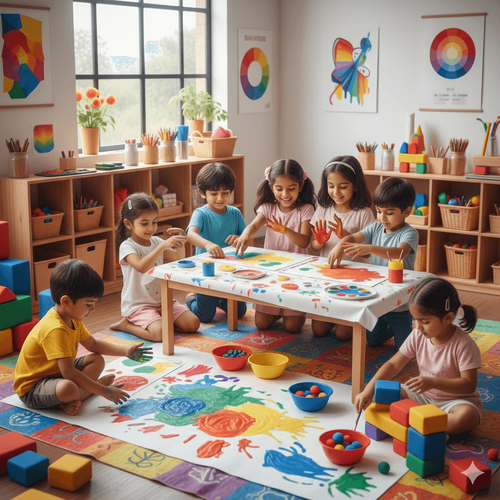

Table of Contents
- 10 Super Fun Colour Games for Kids
- Why Kids Love Colour Games
- Why Colour Games Are Important for Children
- How Parents Can Make Colour Games Even More Effective
- How Colours Boost Creativity
- Parent–Child Bonding Through Colour Activities
- Materials You Need for Colour Games
- Indoor vs. Outdoor Colour Games
- How to Make Colour Games More Fun
- Common Mistakes to Avoid in Colour Games
- PlanetSpark: Building Confident, Future-Ready Personalities
- Colour Their World, Build Their Confidence with PlanetSpark
Colour Games for Kids are fun, creative activities that help children learn colours, boost imagination, and improve motor skills through playful exploration. This blog shares easy colouring games for kids, simple materials you can use, indoor and outdoor ideas, and helpful tips for parents. With PlanetSpark’s engaging communication and creative learning programs, children can further develop confidence, expression, and imagination while enjoying colourful, hands-on learning experiences.
10 Super Fun Colour Games for Kids
Below are ten fun-filled colour games designed for home, classrooms, playdates, or outdoor play. They are simple, active, and perfect for ages 2–10. Some of these are easy colouring games for kids, requiring only a colouring sheet and crayons.
1. Colour Treasure Hunt
This exciting activity turns your surroundings into a colour adventure. Kids search for objects that match the given colour card.
How to Play
- Give each child a card of a specific colour.
- Set a timer for 2–3 minutes.
- Kids must collect or point to objects of that colour.
Why Kids Love It
It feels like a real treasure hunt with endless possibilities.
Skills Gained
- Observation
- Colour recognition
- Physical activity
2. Colour Sorting Bins
Perfect for toddlers and preschoolers, this activity builds early logical understanding.
How to Play
Give kids bowls labelled with colours and a mixed box of colourful items. Kids sort items into matching bowls.
What Kids Learn
- Sorting
- Focus
- Categorisation

3. Rainbow Dice Challenge
A game of surprises! Kids roll a dice to perform a colour-based task.
Example Tasks
- Colour a shape
- Find an object
- Jump to a colour
- Name an item
Benefits
- Quick decision-making
- Energy release
- Creative thinking
4. Water Colour Mixing Lab
A magical science-art game where kids mix primary colours to make new shades.
How to Play
Fill cups with red, blue, and yellow. Let children mix them to create green, orange, purple, and more.
Why Kids Enjoy It
They love seeing colours transform right before their eyes.
5. Colour-by-Number Sheets (Easy Colouring Game)
One of the top easy colouring games for kids, where kids match numbers to colours to complete a picture.
Skills Enhanced
- Attention
- Fine motor skills
- Number recognition
6. Picture Fill Challenge (Easy Colouring Game)
Kids receive a partially coloured picture and finish the rest creatively.
Benefits
- Creativity
- Colour prediction
- Visual understanding
This simple activity encourages kids to think independently and is ideal for quick play.
7. Nature Colour Hunt
A calming outdoor game that blends learning with nature.
How to Play
Children walk around the garden or park to find natural items matching specific colours.
What Kids Learn
- Environmental awareness
- Real-world colour application
Help your child build confidence and communication skills with PlanetSpark’s expert-led personality development classes.
8. Emotion Colouring Game
A beautiful way to teach emotional expression.
How to Play
Draw faces showing different emotions and let kids colour them in shades they feel match the feelings.
Benefits
- Self-awareness
- Emotional intelligence
9. Colour Maze Challenge
Create a maze with multiple coloured paths. Kids must follow the correct colour to escape.
Why It Excites Kids
Mazes feel like puzzles, and adding colours makes them even more fun.
10. Creative Colour Collage
A colourful craft activity using papers, magazine cutouts, fabrics, buttons, or stickers.
How to Play
Choose a theme like “Orange Day” or “Blue Ocean” and let kids make a collage using items of that colour.
Benefits
- Creativity
- Sensory learning
- Fine motor skills
Why Kids Love Colour Games
Children are naturally drawn to bright, vibrant colours. They respond emotionally to colours, explore the world through sight, and express themselves through shades and tones. Colour games are instantly appealing for several reasons:
1. Colours Feel Magical
Kids love seeing colours appear, mix, change, and combine. Every new shade feels like a discovery.
2. Colour Games Are Easy to Understand
Even toddlers grasp colour play quickly. No long instructions, no complex rules—just play and explore.
3. Colours Spark Curiosity
Kids enjoy asking questions like:
“What happens when blue and yellow mix?”
“Why is this flower pink?”
“Can I make a new shade?”
This curiosity fuels learning.
4. Colours Make Kids Confident
When children choose colours for drawings or games, they experience decision-making and creativity at the same time.
5. Colour Games Look Fun
Visually appealing activities feel inviting. The bright materials encourage kids to try the game instantly.
Give your child the power to speak, lead, and express confidently through PlanetSpark’s personalised learning programs.
Why Colour Games Are Important for Children
Colour play is more powerful than it looks. Every colour activity helps a child gain new skills without feeling like “learning.” Instead, it feels like fun, discovery, and creativity.
- Children learn to identify different colours, shades, and tones. This strengthens early observation skills.
- Sorting, matching, selecting colours, and completing colouring challenges improve problem-solving and logical reasoning.
- Kids express their imagination by choosing colours, mixing shades, and creating colourful art.
- Holding crayons, painting, sorting objects, and tearing paper improve finger strength and hand–eye coordination.
- Colours help children express happiness, calmness, excitement, or imagination.
- Colouring games require attention and help kids stay calm, focused, and patient.
How Parents Can Make Colour Games Even More Effective
Parents can make colour games even better with a few simple ideas. First, start with only a few basic colours and slowly add more as your child learns. Then, encourage free creativity and let them play with colours in their own way. Also, mix easy games with slightly harder ones to keep them excited. You can turn daily moments like meals, walks, or bath time into fun colour play. Lastly, always celebrate their creations because it boosts their confidence and makes learning more joyful. Students can also learn mind games to boost their brain by power by clicking this link.
How Colours Boost Creativity
Colours boost creativity in many simple and powerful ways. Children understand colours even before shapes or words, so colour play becomes their first creative language. Through colours, they express ideas freely, choosing shades based on imagination instead of rules. They also explore their emotions, using warm colours when excited and cool colours when calm. Each colourful activity builds their artistic confidence and makes them proud. Colour games also encourage free experimenting, letting kids mix shades and try new ideas. This playful freedom strengthens creativity and flexible thinking in a natural, joyful way.
Parent–Child Bonding Through Colour Activities
One of the most beautiful aspects of colour play is the opportunity it creates for bonding. Sitting together and colouring, mixing paints, or playing colour treasure hunts helps build communication, trust, and emotional closeness.
Parents can observe:
- favourite colours
- creative choices
- emotional expressions
- problem-solving style
Kids feel happy when adults appreciate their colourful creations. It boosts confidence and strengthens the relationship.
Watch your child gain confidence, clarity, and stage presence with PlanetSpark’s smart learning tools and 1:1 coaching.
Materials You Need for Colour Games
Most colour games require simple supplies. Here’s a quick checklist:
Basic Materials
- Crayons
- Sketch pens
- Colour pencils
- Paints (watercolours or tempera)
- Coloured paper
- Scissors
- Glue
- Colour cards
- Stickers
- Pom-poms or beads
Household Items
- Plastic bowls
- Building blocks
- Toys
- Buttons
- Bottle caps
- Fabric scraps
- Leaves, flowers, sticks
Optional Materials
- Whiteboard markers
- Colour-dice
- Printable sheets
- Bubble wrap
- Magnet and paper clips
You can play almost every game with items you already have at home, making this perfect for budget-friendly fun.
Indoor vs. Outdoor Colour Games
Indoor and outdoor colour games both bring unique fun to a child’s day. Indoors offers calm, cosy activities, while outdoors adds movement, fresh air, and exciting colour discoveries in nature.
Indoor Games
- Collages
- Easy colouring games for kids
- Colour maze
- Dice challenge
- Sorting bins
These require minimal space and are great for quiet or rainy days.
Outdoor Games
- Colour treasure hunt
- Nature colour hunt
- Chalk-based colour hopscotch
- Garden exploration
Outdoor colour play builds physical strength, confidence, and creativity. Kids interested in playing hopscotch can learn fun ways to play it by clicking this link.
Transform your child’s creativity and self-expression with PlanetSpark’s engaging personality development sessions.
How to Make Colour Games More Fun
Here are simple ways to make every colour activity more enjoyable:
1. Add Themes
For example:
- Rainbow Week
- Blue Day
- Nature Colours Day
2. Include Rewards
Stickers, stars, or a simple “Well done!” boost motivation.
3. Let Kids Lead
Allow them to pick colours or create their own rules.
4. Turn It Into a Story
Kids love games with characters like “Rainbow Fairy” or “Colour Detective.”
5. Combine Music
Add lively music for movement-based colour games.
Common Mistakes to Avoid in Colour Games
Even simple activities can become confusing if not handled well. Avoid these mistakes:
- Introducing Too Many Colours at Once: Begin with three colours for younger kids.
- Making Games Too Hard: If it feels like work, children lose interest.
- Overcorrecting Kids: If a child colours the sky green—let them! Creativity has no rules.
- Giving Too Many Instructions: Colour games should feel free-flowing.
- Not Appreciating Their Work: Display their artwork to boost confidence.
PlanetSpark: Building Confident, Future-Ready Personalities
PlanetSpark helps children grow into confident, expressive, and emotionally intelligent individuals through expert-led live classes, personalised learning, and interactive tools. The program focuses on real-life skills that shape strong personalities and prepare children to speak, lead, and succeed with clarity and confidence. With structured guidance and activity-based learning, PlanetSpark ensures every child discovers their true potential.
Personality Development Services at PlanetSpark
- Holistic personality curriculum covering self-introduction, etiquette, emotional awareness, leadership, and goal setting.
- Activity-based learning through mock interviews, real-life scenarios, presentations, journaling, and role-play.
- Social-Emotional Learning (SEL) framework to build empathy, responsible decision-making, and self-awareness.
- Body language and etiquette coaching focusing on posture, tone, eye contact, and respectful communication.
- Leadership and teamwork modules that encourage assertiveness, collaboration, and initiative.
- Parent consultations and a confidence meter to track progress and highlight key growth areas.
PlanetSpark empowers children to communicate boldly and grow into their best selves.
Colour Their World, Build Their Confidence with PlanetSpark
To sum it up, Colours make learning joyful, and colour games help children explore, imagine, and express themselves freely. Through simple activities, kids develop confidence, creativity, and essential early skills while having fun. When children play with colours, they learn to think independently, make choices, and enjoy the magic of discovery. To take this creativity further, PlanetSpark offers fun, interactive learning that builds communication skills, confidence, and imagination. With the right guidance and playful learning tools, every child can shine brighter—one colourful moment at a time.
Frequently Asked Questions
Colour games for kids are fun activities that teach colour recognition, creativity, and motor skills through play. They include sorting, painting, matching, and exploring colours in simple, engaging ways.
Colour games build creativity, focus, memory, decision-making, and hand-eye coordination. They help children understand the world visually while strengthening essential pre-writing and pre-reading skills naturally through play.
Basic materials like crayons, coloured paper, stickers, playdough, blocks, pom-poms, and paints are enough. Even household items, such as bottle caps, toys, and leaves, work perfectly for fun, meaningful colour activities.
Yes, colour games encourage imagination, free expression, and experimentation. Kids learn to choose colours, create patterns, and explore new ideas, making creativity a natural part of their playtime.
PlanetSpark boosts creativity through personalised classes, storytelling, public speaking, and activity-based learning. Children learn to express ideas confidently, improving imagination and communication alongside fun colour-based activities.
Colour games build early expression, but PlanetSpark strengthens communication through expert-led classes, AI practice tools, and structured activities that improve speaking, storytelling, confidence, and overall personality development.