
Creative Learning: Fun Ways to Learn Better | Planet Spark
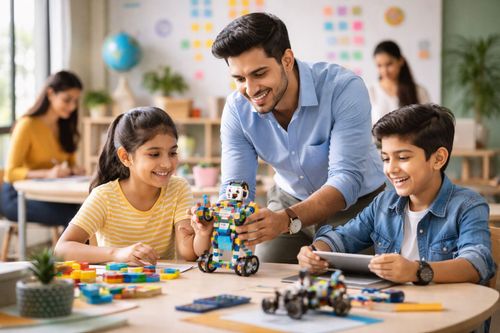

Table of Contents
- What is Creative Learning?
- Benefits of Creative Learning
- Creative Learning Methods
- Creative Learning Activities for Students and Professionals
- Tips for Making Learning Creative
- Why Creative Learning Matters for Students and Professionals
- Who Should Use Creative Learning?
- Success Story: How Creative Learning Changed Meera’s Learnin
- About PlanetSpark : Personality Development
- Conclusion
Tired of boring lessons and endless memorization? Imagine learning in a way that’s fun, exciting, and actually sticks! Whether you are a student aiming to excel in exams or a working professional looking to upskill, creative learning can transform the way you understand and retain knowledge.
In this blog, you’ll discover easy and effective ways to make learning more imaginative, practical, and enjoyable. Platforms like Planet Spark make it simple by offering interactive sessions, hands-on activities, and innovative techniques that help learners of all ages boost skills, confidence, and results.
What is Creative Learning?
Creative learning is a modern approach to learning that goes beyond simply memorizing facts or reading textbooks. Instead of focusing only on theory, it encourages learners to truly understand concepts by actively exploring, experimenting, and applying them in real-life situations. This means learning by doing through activities, projects, discussions, and practical experiences.
Rather than passively listening to lectures, learners become active participants in the process. They ask questions, try out new ideas, solve problems, and think critically about what they are learning. For example, instead of memorizing a concept, they might use it in a real-life scenario or create something based on it. This not only makes learning more interesting but also helps in building deeper understanding.
As a result, creative learning makes the entire process more meaningful, enjoyable, and easier to remember. Whether you are a student preparing for exams or a working professional learning new skills, this approach helps you stay engaged, improve your thinking abilities, and retain knowledge for a longer time.
Turn boring lessons into exciting learning experiences - Book a Free Demo Class
Traditional Learning vs Creative Learning
| Aspect | Traditional Learning | Creative Learning |
|---|---|---|
| Approach | Focuses on memorizing facts | Focuses on understanding concepts deeply |
| Learning Style | Passive learning (lectures, textbooks, notes) | Active learning (activities, projects, discussions) |
| Student Involvement | Low interaction, mostly one-way | High interaction and participation |
| Understanding | Surface-level learning | Deep and meaningful understanding |
| Engagement Level | Often boring and stressful | Fun, engaging, and motivating |
| Skill Development | Limited to theoretical knowledge | Builds critical thinking, creativity, and problem-solving |
| Flexibility | Fixed and rigid structure | Flexible and adaptable approach |
| Use of Creativity | Very limited | Strong focus on imagination and innovation |
| Real-Life Application | Rarely connected to real-world situations | Strong connection with real-life examples |
| Retention | Difficult to remember for long | Better memory and long-term retention |
| Examples | Lectures, rote learning, note-taking | Role-play, storytelling, games, projects |
Benefits of Creative Learning
Creative learning offers several powerful benefits that make the learning process more effective, engaging, and practical for both students and working professionals:
- Improves Thinking Skills: Creative learning encourages learners to think logically, analyze situations, and make better decisions. By engaging in activities that require reasoning and problem-solving, learners develop a sharper mindset and become more confident in handling challenges both in academics and at work.
- Boosts Confidence: When learners are given the freedom to explore ideas and express themselves creatively, their confidence naturally increases. They feel more comfortable sharing opinions, presenting ideas, and trying new approaches without the fear of failure.
- Enhances Memory: Hands-on learning, storytelling, and interactive activities make concepts easier to understand and remember. Instead of relying on rote memorization, learners build a deeper connection with the subject, which helps in long-term retention and quick recall when needed.
- Promotes Collaboration: Creative learning often involves group activities, discussions, and teamwork. This helps learners improve their communication skills, learn how to work with others, and understand different viewpoints, which is essential in both academic and professional environments.
- Prepares for Real-World Challenges: Creative learning develops adaptability, innovation, and practical thinking. Learners become more capable of handling unexpected situations, thinking outside the box, and applying their knowledge to solve real-life problems effectively.
These benefits clearly show that creative learning is not limited to children. It is equally important for students and working professionals who want to grow, stay motivated, and achieve better results in their academic and career journeys.
Creative Learning Methods
Here are some of the most effective methods for creative learning:
- Project-Based Learning: Learners work on real-life projects, which helps them understand concepts deeply and apply knowledge in practical ways. For example, building a simple science model or creating a small business plan.
- Storytelling & Role-Play: Learning becomes fun when learners act out situations or create stories around a topic. This method improves imagination, communication, and understanding of concepts.
- Gamification: Turning lessons into games, quizzes, or challenges keeps learners motivated. Friendly competition and rewards make learning exciting and memorable.
- Mind Mapping & Visual Learning: Using charts, diagrams, and visual tools helps organize ideas and connect concepts, making it easier to remember and recall information.
- Hands-On Experiments: Activities like science experiments, coding exercises, or art projects allow learners to explore and learn by doing, which strengthens understanding and creativity.
- Tech-Integrated Learning: Educational apps, online simulations, and interactive videos combine technology with learning, making it engaging and adaptable for students and working professionals alike.
Platforms like Planet Spark use these creative methods in their sessions, ensuring that learners stay engaged, enjoy the process, and achieve better results in both academics and professional growth.
Creative Learning Activities for Students and Professionals
Here are some creative learning activities that make understanding concepts fun and effective:
- Arts and Crafts: Engaging in art and craft projects helps learners develop creativity while learning concepts like shapes, patterns, and design. It also encourages problem-solving and attention to detail.
- Memory Games & Puzzles: Games and puzzles improve focus, analytical thinking, and problem-solving skills. They make learning interactive and help learners remember information better.
- Interactive Storytelling: Creating or acting out stories strengthens language skills, communication, and imagination. It allows learners to connect ideas in a meaningful and memorable way.
- Music & Rhythm: Learning through music or rhythm can make abstract concepts like math patterns or science principles easier to grasp. It also adds an element of fun and engagement.
- Experiments & DIY Projects: Hands-on activities like experiments, coding exercises, or do-it-yourself projects let learners apply theories practically. This strengthens understanding and helps retain knowledge longer.
These activities are not just for kids they are equally helpful for students and working professionals. They make learning more engaging, improve understanding of complex concepts, and help retain knowledge in a practical, enjoyable way.
Learn smarter with methods that actually work - Book a Free Demo Class
Tips for Making Learning Creative
Here are some practical ways to make learning enjoyable, engaging, and effective for both students and working professionals:
- Ask Open-Ended Questions: Instead of questions with a single right answer, ask questions that spark curiosity and encourage exploration. This helps learners think critically, come up with multiple solutions, and develop a deeper understanding of the topic.
- Use Real-Life Examples: Relate concepts to everyday experiences or practical situations. For example, use real-world problems to explain math formulas or business strategies. This makes learning more meaningful and easier to grasp.
- Encourage Group Discussions & Peer Learning: Learning with others allows learners to share ideas, discuss perspectives, and solve problems collaboratively. Peer interaction improves communication, teamwork, and broadens understanding.
- Reward Effort and Creativity: Celebrate learners’ innovative thinking and consistent effort, not just their final results. Recognizing creativity motivates learners to experiment, take risks, and stay engaged in the learning process.
- Balance Screen Time with Hands-On Activities: While apps, videos, and simulations make learning fun, combining them with physical activities, DIY projects, or experiments helps learners remember concepts better and apply them practically.
By following these tips, anyone whether a student or a professional can make learning more interactive, enjoyable, and effective. Creative learning not only improves understanding but also builds skills that are valuable in academics, career, and everyday life.
Why Creative Learning Matters for Students and Professionals
Creative learning offers many benefits that make learning both effective and enjoyable:
- Understand Concepts Faster and More Deeply: Instead of just memorizing facts, learners focus on understanding the ideas behind each concept. This approach helps students and professionals connect information, see patterns, and retain knowledge for the long term.
- Apply Knowledge in Real-Life Situations: Creative learning encourages practical application. Whether it’s solving real-world problems, completing projects, or using skills at work, learners can apply what they’ve learned in meaningful ways, making the knowledge more useful and relevant.
- Develop Analytical and Problem-Solving Skills: By thinking critically, analyzing information, and approaching challenges creatively, learners build strong problem-solving abilities. These skills are essential for tackling complex academic questions, workplace tasks, and everyday situations.
- Stay Motivated and Confident: Creative learning methods like interactive activities, games, and projects keep learners engaged and make the process enjoyable. This boosts confidence, encourages exploration, and creates a positive attitude toward learning.
Whether you are preparing for exams, learning a new skill, or trying to grow professionally, creative learning transforms the way you approach knowledge. It makes learning more meaningful, helps you retain information better, and prepares you for success both academically and in your career.
Take your learning to the next level - Book a Free Demo Class
Who Should Use Creative Learning?
Creative learning is not just for a specific group of people it is useful for anyone who wants to learn in a better, more effective way. Whether you are studying for exams or building new skills for your career, creative learning can make the process easier and more enjoyable.
- Students: For students, creative learning makes studying more interesting and less stressful. It helps them understand concepts clearly, improve memory, and perform better in exams.
- Working Professionals: Professionals can use creative learning to develop new skills, think more creatively, and solve problems efficiently. It also helps in improving communication and growing in their careers.
- Job Seekers: Creative learning methods like role-plays, mock interviews, and practical exercises help job seekers build confidence and prepare better for real-world challenges.
Overall, creative learning is for anyone who wants to move beyond traditional methods and make learning more engaging, practical, and effective in everyday life.
Success Story: How Creative Learning Changed Meera’s Learning Journey
Meera, a college student, always found traditional learning methods boring and stressful. Memorizing textbooks, attending long lectures, and preparing for exams felt like a routine she couldn’t enjoy. Despite spending hours studying, she often forgot what she learned and struggled to apply concepts in real-life situations. This made her feel frustrated and demotivated.
One day, Meera decided to try a different approach creative learning. She started exploring hands-on projects, interactive storytelling, memory games, and visual learning techniques. She also joined Planet Spark, where she could experience learning through engaging sessions, practical exercises, and innovative methods designed to make learning fun and effective.
Within a few months, Meera noticed a remarkable change. She could understand concepts more deeply, think critically, and solve problems with confidence. Activities like group projects and peer discussions improved her communication and teamwork skills, while hands-on experiments made learning memorable and enjoyable.
Not only did Meera’s academic performance improve, but she also developed a positive attitude toward learning. She became more curious, motivated, and eager to explore new skills. Today, Meera continues to use creative learning methods in her studies and personal growth, showing that learning can be both effective and fun. Platforms like Planet Spark played a key role in guiding her through this transformation, providing the right tools, techniques, and support for a successful learning journey.
About PlanetSpark : Personality Development
PlanetSpark nurtures confident, expressive, and self-aware children through structured personality development programs. Our curriculum builds communication etiquette, emotional intelligence, leadership, and self-confidence empowering kids to thrive socially and personally.
1. Holistic Personality Coaching (1:1)
Each child receives personalised guidance from trained mentors who focus on confidence-building, self-expression, and positive communication habits.
2. Structured Personality Development Path
A customised roadmap develops self-awareness, goal-setting, leadership skills, and social interaction through age-appropriate activities.
3. Confidence, Etiquette & Body Language Training
Children learn eye contact, posture, tone, and respectful communication essential skills for strong first impressions and effective interaction.
4. Activity-Based & Real-Life Learning
Roleplays, mock interviews, journaling, and scenario-based activities help children practise real-world communication and decision-making skills.
5. Emotional Intelligence & Leadership Growth
Through guided feedback and reflection, kids build empathy, teamwork, assertiveness, and leadership confidence skills that last a lifetime.
Conclusion
Learning doesn’t have to be boring or stressful. By adopting creative learning methods, both students and working professionals can make the process more enjoyable while understanding concepts deeply. From hands-on activities to interactive sessions, creative learning helps you stay engaged, think critically, and retain knowledge better. Platforms like Planet Spark support this journey with fun, practical, and effective learning techniques.
The benefits of creative learning go beyond just academics or professional skills. It builds confidence, problem-solving abilities, and adaptability preparing you for future challenges in school, work, and life. By starting your creative learning journey today, you can achieve better results, stay motivated, and enjoy a lifelong love for learning.
Frequently Asked Questions
Creative learning is a way of learning where you use imagination, activities, and real-life examples instead of just memorizing facts. It focuses on understanding concepts through fun and interactive methods.
Creative learning helps students understand concepts better, improves memory, boosts confidence, and makes learning more enjoyable. It also develops problem-solving and critical thinking skills.
Examples include storytelling, role-playing, project-based learning, games, puzzles, experiments, and visual learning techniques like mind maps.
You can make learning creative by using real-life examples, engaging in group discussions, trying hands-on activities, asking open-ended questions, and using interactive tools or platforms.
Yes, creative learning helps professionals improve skills, think innovatively, solve problems effectively, and communicate better in the workplace.