
Difference Between Assertive and Aggressive Communication Explained
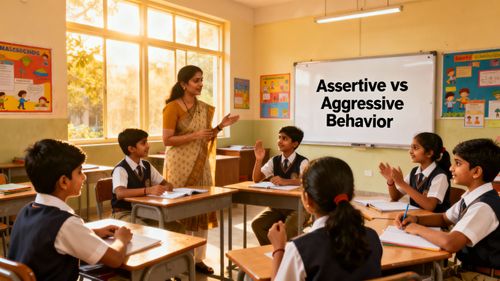

Table of Contents
- What Is the Difference Between Assertive and Aggressive?
- What Does Assertive Mean?
- H2: What Does Aggressive Mean?
- Difference Between Assertive and Aggressive Communication
- Examples of Assertive vs Aggressive Behaviour
- Why Assertiveness Is a Key Life Skill
- Why Aggression Leads to Communication Breakdown
- PlanetSpark Personality Development Course
- Transform Confidence by Learning the Difference Between Asse
Understanding the difference between assertive and aggressive communication is essential for anyone trying to improve their interpersonal skills, confidence, or personality. This blog explains exactly how assertiveness differs from aggression, why the confusion happens, and how you can develop stronger, healthier communication habits. You will also learn the impact of each style in personal, academic, and professional settings.
What Is the Difference Between Assertive and Aggressive?
The difference between assertive and aggressive communication is often misunderstood because both styles involve expressing thoughts, opinions, or emotions. Yet, the way these expressions are delivered makes all the difference. Assertiveness is a calm, respectful, and confident style that values both your rights and the rights of others. Aggression, on the other hand, is forceful, dominating, and emotionally charged, often disregarding the boundaries and feelings of others.
Many people, especially children and young learners, struggle with finding the right balance between being “too quiet” and “too loud.” This confusion often leads them to either stay silent out of fear or express themselves harshly when frustrated. This is why psychologists, educators, and communication trainers emphasise assertiveness as an essential life skill. It helps individuals stand up for themselves without harming relationships or causing conflict.
Assertive communication is rooted in emotional intelligence, clarity, and self-respect, while aggressive communication stems from impatience, insecurity, or unregulated emotions. Understanding the contrast between the two helps children and adults navigate social situations, express opinions confidently, and build stronger relationships.
To make things clearer, let us now explore both styles in detail using simple definitions, behavioural cues, and relatable examples.
What Does Assertive Mean?
Assertiveness is a balanced and effective communication style where individuals express their thoughts, needs, opinions, and boundaries in a confident yet respectful manner. An assertive person does not stay silent out of fear, nor do they overpower others with aggression. Instead, they share their viewpoint with honesty, clarity, and responsibility.
Assertiveness acknowledges two key truths:
Your thoughts and feelings are important.
Other people’s thoughts and feelings are equally important.
This makes assertiveness a powerful tool for healthy relationships, emotional well-being, and success in school, social settings, and professional environments.
Why Assertiveness Is Considered the Healthiest Communication Style
It encourages open dialogue.
Assertive individuals listen actively and speak clearly, making conversations meaningful and solution-oriented.It helps you say no without guilt.
Boundaries are respected, not feared. Assertive people decline respectfully rather than avoiding the situation or responding harshly.It builds confidence and leadership qualities.
Leaders must express ideas honestly while valuing their team. Assertiveness supports both—confidence and collaboration.It respects personal boundaries while allowing self-expression.
Assertiveness ensures that expressing yourself never means harming someone else’s comfort or rights.It strengthens relationships, teamwork, and collaboration.
When people feel heard and respected, they trust more, share more, and work together better.
How Assertive People Communicate
They speak clearly and calmly.
They use positive body language and steady eye contact.
They express their viewpoints without insulting or interrupting.
They use “I” statements instead of blaming.
They listen attentively to others’ perspectives.
Assertive individuals are perceived as mature, emotionally balanced, and dependable. These qualities help children develop strong self-esteem, better peer relationships, improved classroom behaviour, and more confidence during group activities or presentations.
Many modern learning programs, especially those focused on communication skills and personality development, now include assertiveness training for children.
H2: What Does Aggressive Mean?
Aggression is the opposite of assertiveness. It is a communication style where individuals express themselves in a way that violates someone else’s rights, feelings, or boundaries. While assertiveness prioritises mutual respect, aggression prioritises dominance, control, or emotional release—often at the cost of hurting others.
Aggressive communicators may or may not intend to cause harm, but the impact is usually negative. Their words, tone, and body language can create fear, tension, and conflict.
Common Behaviours of Aggressive Communicators
Using a harsh or loud tone
Interrupting or talking over others
Blaming, criticising, or insulting
Showing disrespect or dismissal
Ignoring or invalidating someone else’s perspective
Using threatening body language such as pointing fingers or invading space
Even when the message is correct, aggressive delivery makes it difficult for others to listen or cooperate.
Impact of Aggression in Different Settings
In Classrooms:
Aggressive children tend to argue more, disrupt lessons, or struggle during group activities. This affects learning and classroom harmony.At Home:
Aggressive communication can lead to frequent disagreements, hurt feelings, and strained family relationships.In the Workplace:
Aggressive behaviour results in poor teamwork, leadership conflicts, low emotional intelligence, and reduced trust.
Aggression may give a temporary sense of power or control, but it leads to long-term communication failures, broken relationships, and emotional instability.
Teaching children early how to express themselves confidently without aggression helps them grow into respectful, strong, and emotionally intelligent adults.
Difference Between Assertive and Aggressive Communication
The difference between assertive and aggressive communication becomes clearer when we examine the underlying psychology, emotional patterns, and behavioural cues that define each style. While both assertive and aggressive communication involve expressing feelings and opinions, the way they are expressed changes everything—how people receive the message, how relationships evolve, and how conflicts are resolved.
Assertiveness is rooted in self-confidence, emotional balance, and respect. Aggression comes from impulse, insecurity, dominance, or emotional overwhelm. Understanding these differences not only helps individuals choose healthier communication patterns but also strengthens leadership, teamwork, emotional intelligence, and long-term social success.
This expanded section breaks down the key differences in depth to fulfil the complete search intent.
1. Intent Behind the Communication
Assertive:
The intention is to express thoughts clearly, honestly, and respectfully. Assertive communicators want to be understood without harming the other person’s dignity. Their aim is solution-oriented and rooted in emotional maturity.
Aggressive:
The intention often revolves around domination, control, or emotional discharge. Aggressive communicators focus on “winning,” overpowering, or defending themselves—even when no threat exists. The goal becomes confrontation instead of connection.
Intent is the foundation of communication. Assertiveness comes from inner confidence and clarity, while aggression often comes from frustration, insecurity, fear, or unregulated emotions. Understanding intent helps people become more mindful of how they communicate and how others receive their message.
2. Tone and Delivery
Assertive: Calm, clear, steady, composed.
Aggressive: Loud, sarcastic, impatient, intimidating, emotionally charged.
Tone influences the entire interaction. An assertive tone invites discussion. It signals that both sides matter. An aggressive tone shuts down communication immediately.
Even when someone has a valid point, an aggressive tone makes others defensive, scared, or angry. Assertive communicators maintain composure even during disagreements, which helps resolve conflicts faster.
3. Respect for Others
Assertive: Respects boundaries, perspectives, time, personal space, and emotional needs of others.
Aggressive: Oversteps boundaries, dismisses opinions, interrupts, invalidates emotions, or belittles others.
Respect is the defining marker of assertiveness. Assertive communicators believe in fairness and mutual growth. They understand that expressing themselves doesn’t require diminishing someone else’s worth.
Aggressive communicators, however, prioritize their own emotions and needs above others’. This makes others feel unheard, devalued, or disrespected.
4. Body Language
Assertive:
Relaxed posture
Steady eye contact
Open gestures
Calm facial expressions
Controlled movement
Assertive body language creates comfort and trust, showing that the person is open to listening and communicating.
Aggressive:
Tight, tense posture
Leaning in too close
Finger-pointing
Frowning or glaring
Abrupt or threatening movements
Aggressive body language triggers fear, defensiveness, or withdrawal. It sends a non-verbal message of hostility even before words are spoken.
5. Impact on Relationships
Assertive: Strengthens trust, connection, teamwork, collaboration, and emotional safety.
Aggressive: Causes fear, resentment, emotional withdrawal, and long-term damage.
Assertive communicators build relationships where everyone feels valued and safe. They encourage dialogue, listen actively, and help others express themselves freely. This enhances friendships, family bonds, and professional relationships.
Aggression damages relationships by creating a cycle of conflict. People tend to avoid aggressive communicators, leading to isolation, misunderstandings, and long-standing interpersonal issues.
6. Emotional Intelligence Level
Assertiveness reflects high emotional intelligence, as it requires:
Self-awareness
Self-regulation
Empathy
Confidence
Healthy boundary setting
Aggression reflects low or unstable emotional intelligence, often associated with:
Poor impulse control
Reactiveness
Difficulty processing emotions
Insecure communication patterns
Lack of empathy
Assertive communicators remain balanced even in emotional situations. Aggressive communicators allow emotions to dictate reactions rather than responses.
7. Long-Term Outcomes
Assertive:
Healthier mental well-being
Better communication in all areas of life
Stronger leadership qualities
Higher academic performance
Stronger professional growth
Improved confidence and self-worth
Long-lasting positive relationships
Aggressive:
Increased stress and emotional burnout
Frequent conflicts and misunderstandings
Isolation and peer rejection
Academic and workplace problems
Damaged self-esteem
Poor relationship stability
Assertiveness supports success in life. Aggression creates cycles of conflict and frustration that affect long-term personal and professional development.
Examples of Assertive vs Aggressive Behaviour
Understanding real-life situations makes the difference between assertive and aggressive behaviour far easier to identify.
Example 1: Asking for Help
Assertive:
I am struggling with this task. Can you help me understand it better?
Aggressive:
Why has no one helped me yet? Are you all ignoring me?
Assertive communication accepts vulnerability without blaming others. Aggression projects frustration outward.
Example 2: Saying No
Assertive:
I won’t be able to take this up right now. I can help later if needed.
Aggressive:
Stop bothering me. I said no!
Assertive communication is firm but polite. Aggressive communication shuts down the conversation with hostility.
Example 3: Sharing an Opinion
Assertive:
I have a different point of view. Let’s explore both perspectives.
Aggressive:
That’s wrong. My idea is obviously better.
Assertiveness fosters learning. Aggression creates conflict.
Example 4: Dealing with Conflict
Assertive:
Let’s discuss this calmly and figure out what went wrong.
Aggressive:
This is your fault. You always make things worse.
Assertive problem-solving focuses on solutions. Aggression focuses on blame.
Example 5: Classroom Interaction
Assertive Child:
Raises hand, waits patiently, speaks clearly and respectfully.
Aggressive Child:
Interrupts others, argues loudly, demands attention.
Teaching children to replace aggressive reactions with assertive expression builds stronger social skills and emotional balance.
Why Assertiveness Is a Key Life Skill
Assertiveness is a core life skill that positively influences every area of a person’s development. It is especially beneficial for children as they form foundational communication habits during their early years.
Benefits of Assertiveness
Higher confidence: Children and adults feel more in control of their decisions.
Better communication: Ideas are expressed with clarity and calmness.
Improved leadership skills: Assertive individuals are trusted and respected.
Emotional balance: Helps regulate strong emotions during disagreements.
Healthy relationships: Encourages honesty, trust, and mutual respect.
Better decision-making: Assertive communicators think rationally rather than emotionally.
Stronger professional performance: Assertiveness helps with teamwork, presentations, interviews, and leadership roles.
Assertiveness also aligns with critical secondary keywords such as communication skills, interpersonal skills, emotional intelligence, behavioural development, and personality traits.
Students who learn assertiveness early develop resilience and confidence, which enhances both academic participation and future career success. They become more expressive, independent, and emotionally secure.
Why Aggression Leads to Communication Breakdown
Aggression may appear strong from the outside, but emotionally it often shows unresolved feelings, fear, or insecurity. It creates barriers rather than bridges in communication.
Aggressive Behaviour Leads To:
Peer conflict: Constant arguments and misunderstandings.
Fear-based communication: Others avoid speaking up or sharing honestly.
Poor teamwork: Collaboration becomes difficult due to hostility.
Reduced social acceptance: Aggressive individuals struggle to maintain friendships.
Low emotional intelligence: Difficulty understanding or managing emotions.
Trouble expressing feelings: Emotions are released as anger instead of calm expression.
Academic and professional struggles: Aggression affects group work, leadership, and performance.
Aggressive communicators often isolate themselves without realising it. They may feel misunderstood or frustrated, but their communication style makes people withdraw.
Teaching children early how to communicate assertively—firm but respectful—protects them from developing aggressive patterns in the future.
PlanetSpark Personality Development Course
Holistic Curriculum Beyond Academics:
Covers communication etiquette, self-introduction, goal setting, peer interaction, leadership, self-awareness, and critical thinking.Social-Emotional Learning (SEL):
Focus on emotional awareness, regulation, and social understanding for younger kids.Practical, Activity-Based Learning:
Includes mock interviews, public introductions, journaling, feedback sessions, real-life scenarios, role plays, and case studies.Leadership & Self-Presentation Training:
Builds empathy, responsibility, teamwork, assertiveness, and public presentation skills.Confidence Meter & PTMs:
Regular consultations with parents to track confidence, communication growth, and leadership development.Etiquette & Body Language Sessions:
Teaches posture, eye contact, tone modulation, respectful communication, and grooming basics.
1. 1:1 Personal Trainers for Every Child
One-on-one classes with certified communication mentors
Personalized feedback in real time
Focus on fluency, public speaking, storytelling, grammar, and creative writing
Builds deep mentor-child connection for consistent motivation
2. Personalised Curriculum & Learning Roadmap
Skill assessment to create a customised learning plan
Targets gaps in grammar, vocabulary, fluency, confidence, and structure
Progressive roadmap from basic speaking to advanced public speaking
Continually updated based on performance and milestones
3. SparkX – AI Video Analysis Tool
AI evaluates voice clarity, grammar, posture, confidence, and idea structure
Detailed performance reports for improvement tracking
Helps children refine speaking, storytelling, and presentation skills quickly
4. AI-Led Practice Sessions
Practice with a virtual AI coach
Activities include speeches, storytelling, and prompt-based responses
Instant feedback on pace, fluency, grammar, and clarity
Enables learning outside class in a fun, engaging way
5. Spark Diary – Digital Writing Journal
Space to write daily reflections, stories, poems, and speeches
Trainer prompts encourage structured writing
Builds writing consistency, creativity, and thought clarity
Transform Confidence by Learning the Difference Between Assertive and Aggressive
Understanding the difference between assertive and aggressive behaviour is not just important for communication. It shapes character, emotional growth, leadership ability, and overall personality development. Assertiveness helps individuals speak with clarity, confidence, and respect. Aggression destroys connection, trust, and opportunities.
The earlier children learn assertiveness, the better they perform academically, socially, and professionally.
You may also read:
Frequently Asked Questions
Assertive communication respects both your rights and others' rights, while aggressive communication violates others’ boundaries.
Yes. Assertiveness builds confidence and trust, whereas aggression creates conflict and fear.
Absolutely. Through guided communication training, students can develop clear expression and confidence.
Calmly expressing a need, saying no respectfully, sharing an opinion without insulting others, and maintaining balanced body language.
Aggression damages trust, increases conflict, and weakens social and emotional connections.