
Educational Activities for Kids: Fun and Engaging Learning Ideas
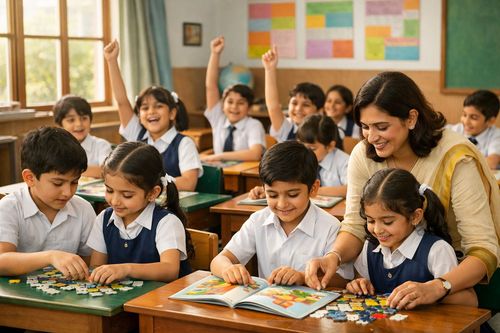

Table of Contents
- Why Educational Activities for Kids Are Important
- Best Fun Learning Activities at Home
- Learning Games for Children
- Classroom Activities for Kids with PlanetSpark Learning Meth
- Creative Activities for Students
- How PlanetSpark Helps Kids Learn Through Fun Activities
- Weekly Activity Plan for Kids
- Success Story: Raghav’s Learning Journey
- About PlanetSpark : Personality Development
- Conclusion
What if your child could learn faster while having fun every day? Educational activities for kids turn simple games, stories and creative tasks into powerful learning experiences that build confidence, focus and curiosity. When learning feels exciting, children stay engaged and remember more.
In this blog, you will discover fun learning activities, classroom ideas, and creative exercises for kids and students. You will also learn how PlanetSpark helps children improve communication, public speaking and creativity through interactive learning programs.
Why Educational Activities for Kids Are Important
Children learn best when they actively participate instead of only reading or listening. Educational activities make learning more interesting, practical and enjoyable for kids and students. They help children understand concepts faster, stay focused for longer, and develop important life skills. Whether at home or in school, activity-based learning supports both academic growth and personal development.
Help your child turn learning into confidence and creativity.
Book a Free Demo Class with PlanetSpark today.
Improve Thinking Skills
Activities such as puzzles, quizzes, matching games and problem-solving tasks help children think clearly and make smart decisions. These activities improve concentration, memory, reasoning and logical thinking. They also encourage children to find solutions on their own.
Build Confidence
When children speak in front of others, share ideas, or participate in group activities, they slowly become more confident. Storytelling, presentations and class discussions help them express themselves without fear. Confidence gained at a young age helps them in school and future life.
Increase Creativity
Creative activities like drawing, craft work, storytelling, music and writing allow children to use their imagination. They learn to think in new ways, create original ideas, and express emotions freely. Creativity also helps children become better problem-solvers.
Make Learning Fun
Children enjoy learning more when lessons include games, movement, challenges and interactive tasks. Fun learning activities reduce boredom and make children excited to participate. When kids enjoy the process, they stay motivated and remember lessons for a longer time.

Best Fun Learning Activities at Home
Parents do not always need expensive tools or long study hours to help children learn. Simple home activities can turn everyday time into exciting learning moments. These activities help kids improve speaking, reading, creativity, problem-solving and confidence while enjoying the process. A relaxed home environment also allows children to learn without pressure and explore new ideas freely.
Storytelling Time
Storytelling is one of the best ways to improve imagination and communication skills. Ask children to create their own story using characters, animals or favourite places. You can also start a story and let them complete it. This activity helps build vocabulary, sentence formation, confidence and creative thinking. It also improves listening skills when family members take turns sharing stories.
Science Experiments
Simple science experiments make children curious about how things work. Activities like mixing colours, growing a plant, making a paper boat float or creating a baking soda volcano are fun and educational. These experiments teach observation, prediction and logical thinking. Children also learn to ask questions and understand basic science concepts through hands-on learning.
Reading Challenge
Create a daily reading habit by giving children short stories, poems, or interesting books. Set a small reading goal based on their age and level. After reading, ask simple questions about the story, characters or lesson learned. This improves reading speed, comprehension, vocabulary and speaking skills. Regular reading also builds concentration and imagination.
Math Treasure Hunt
Math can become exciting when turned into a game. Hide number cards, shapes or simple math questions around the house and ask children to find and solve them. You can also use toys, coins or fruits for counting practice. This activity improves number recognition, addition, subtraction and problem-solving skills while keeping children active.
Art and Craft
Art and craft activities help children express ideas and develop creativity. Give them paper, crayons, glue, scissors, clay or recycled materials to make cards, models, drawings, or decorations. These tasks improve hand-eye coordination, focus, patience and imagination. Children also feel proud when they create something with their own hands.
Learning Games for Children
Games are one of the best ways to teach children while keeping them interested and active. When learning feels fun, children participate more and enjoy practicing new skills. Learning games help improve memory, vocabulary, math skills, concentration, teamwork and problem-solving abilities. They also make difficult subjects feel easier and more enjoyable.
Word Games
Word games are great for improving vocabulary and language skills. Children can play spelling challenges, rhyming games, word search puzzles or make words from given letters. These activities improve spelling, reading, pronunciation and confidence in speaking.
Memory Games
Memory games help children improve focus and attention. Use picture cards, matching cards, or object recall games where children remember items shown for a short time. These games strengthen concentration, observation and short-term memory.
Counting Games
Counting games make math simple and fun. Use toys, coins, fruits or blocks for counting and addition practice. Quick number challenges also help children understand numbers better and build confidence in math.
Quiz Time
Quiz games are a fun way to revise lessons. Ask simple questions on science, English, math or general knowledge. Quiz activities improve memory recall, listening skills, confidence and regular learning habits.
Turn reading struggles into confidence with expert guidance - Book a free demo class today
Classroom Activities for Kids with PlanetSpark Learning Methods
Teachers can make lessons more exciting and effective by using interactive classroom activities. When students participate in speaking, writing, teamwork and problem-solving tasks, they learn faster and stay more interested in class. These activities also help children build confidence, improve communication and enjoy learning with others. Methods used in programs like PlanetSpark also focus on active learning and skill development.
Group Discussions
Group discussions encourage students to share their thoughts and listen to others. Teachers can choose simple topics such as favourite books, healthy habits or environmental care. This activity improves speaking confidence, listening skills, teamwork and respect for different opinions.
Show and Tell
In this activity, children bring an object or picture and speak about it in front of the class. They can talk about why it is special or how it is useful. Show and Tell helps improve public speaking, vocabulary, confidence and presentation skills.
Debate for Beginners
Simple debates help children think clearly and express their ideas. Teachers can choose easy topics such as online learning vs classroom learning or pets vs toys. Students learn to speak with confidence, organize thoughts and understand different viewpoints.
Team Quiz Competitions
Quiz competitions make revision more enjoyable. Students answer questions in teams on subjects like science, math, English or general knowledge. This activity improves memory, teamwork, quick thinking and classroom participation.
Creative Writing Tasks
Teachers can give fun topics such as My Dream Vacation, If I Were a Superhero or A Day in Space. Children enjoy writing stories and sharing ideas. Creative writing improves imagination, grammar, sentence building and self-expression.
Programs such as PlanetSpark also use communication-based activities that help students become better speakers, stronger thinkers and more confident learners.
Fun games can build smart minds and strong communication skills.
Read More and explore PlanetSpark learning.
Creative Activities for Students
Creative activities help students think in new ways, express their ideas and build confidence. These tasks make learning more enjoyable and encourage children to use their imagination. They also improve communication, focus, teamwork and problem-solving skills. When students take part in creative activities regularly, they become more active learners and gain confidence in sharing their thoughts.
Poster Making
Poster making is a fun way to combine learning with creativity. Students can choose topics such as healthy habits, saving nature, science facts or festivals and create colourful posters. This activity improves drawing skills, presentation skills and the ability to explain ideas clearly. It also helps children organize information in a simple and attractive way.
Journal Writing
Journal writing encourages students to express their thoughts and feelings freely. They can write about their daily experiences, future goals, favourite memories or things they learned that day. This activity improves writing skills, vocabulary, sentence formation, and self-expression. It also helps students develop the habit of regular writing.
Role Play
Role play allows students to act like a teacher, doctor, scientist, shopkeeper or favourite character. It is a fun activity where children imagine real-life situations and perform them. Role play improves speaking confidence, creativity, social skills and problem-solving ability. It also helps shy students become more comfortable speaking in front of others.
Music and Movement
Music and movement activities make learning energetic and enjoyable. Students can learn action songs, rhythm games, dance-based learning, or language activities with music. This helps improve memory, coordination, listening skills and confidence. Children often remember lessons better when music and actions are involved.
Video Presentation Practice
Students can record themselves speaking on a topic such as their hobby, favourite book or current events. Watching their own videos helps them notice areas for improvement. This activity builds public speaking skills, confidence, pronunciation and clear communication. It is also a useful way to prepare students for presentations and interviews in the future.
How PlanetSpark Helps Kids Learn Through Fun Activities
Modern learning platforms can make education more engaging and effective for children. PlanetSpark uses activity-based learning to help kids improve communication, creativity and confidence. Instead of only traditional lessons, children learn through speaking practice, creative tasks and interactive sessions. This makes learning enjoyable while building useful life skills.
Live Speaking Practice
PlanetSpark gives children regular chances to speak and share ideas confidently. Through guided speaking sessions and presentations, kids improve pronunciation, vocabulary, fluency and stage confidence. It also helps shy children speak more comfortably.
Creative Tasks
Children learn better when they enjoy the process. PlanetSpark includes storytelling, role play, debates and presentation activities. These tasks improve imagination, creative thinking and communication skills while keeping learning fun.
Confidence Building
Confidence grows with regular practice in a supportive environment. PlanetSpark encourages children to participate, speak openly and perform without fear. This helps them feel more confident in school and daily life.
Skill Development
PlanetSpark also helps children develop leadership, teamwork, critical thinking and problem-solving skills. These abilities are useful for academic success and future growth.
Give your child the skills to speak, lead and shine in every classroom.
Book a Free Demo Class now.
Weekly Activity Plan for Kids
A simple weekly activity plan helps children learn new skills in a fun and balanced way. Different activities each day keep kids interested and prevent boredom. It also improves reading, creativity, speaking, problem-solving and confidence. Parents and teachers can easily adjust these activities based on age and interest.
Monday – Reading and Storytelling
Ask children to read a short story or poem. Then encourage them to retell it in their own words or create a new ending. This improves reading, vocabulary, imagination and speaking skills.
Tuesday – Science Experiment
Choose simple activities like mixing colours, growing a plant or testing objects that sink and float. These tasks build curiosity and teach science through hands-on learning.
Wednesday – Math Game Challenge
Use toys, coins, flashcards, or puzzles for counting and simple math challenges. This improves number skills, logical thinking and math confidence.
Thursday – Drawing and Craft
Let children draw pictures, make cards or create crafts with paper and recycled items. This develops creativity, focus, and fine motor skills.
Friday – Public Speaking Practice
Ask children to speak for one or two minutes on topics like hobbies, favourite books or dream vacations. This builds confidence, vocabulary and communication skills.
Weekend – Quiz or Outdoor Learning Game
Use weekends for family quizzes, treasure hunts or nature games. These activities make learning active, enjoyable and memorable.
Every child learns better with the right guidance and engaging practice.
Book a Free Demo Class with PlanetSpark today.
Success Story: Raghav’s Learning Journey
Raghav was a shy student who avoided speaking in class and felt nervous during presentations. His parents started using fun educational activities like storytelling, quizzes and speaking practice at home.
Within a few months, Raghav became more confident and active in school. He began answering questions in class, speaking clearly and enjoying learning. Today, he takes part in classroom activities with confidence.
About PlanetSpark : Personality Development
PlanetSpark nurtures confident, expressive, and self-aware children through structured personality development programs. Our curriculum builds communication etiquette, emotional intelligence, leadership, and self-confidence empowering kids to thrive socially and personally.
1. Holistic Personality Coaching (1:1)
Each child receives personalised guidance from trained mentors who focus on confidence-building, self-expression, and positive communication habits.
2. Structured Personality Development Path
A customised roadmap develops self-awareness, goal-setting, leadership skills, and social interaction through age-appropriate activities.
3. Confidence, Etiquette & Body Language Training
Children learn eye contact, posture, tone, and respectful communication essential skills for strong first impressions and effective interaction.
4. Activity-Based & Real-Life Learning
Roleplays, mock interviews, journaling, and scenario-based activities help children practise real-world communication and decision-making skills.
5. Emotional Intelligence & Leadership Growth
Through guided feedback and reflection, kids build empathy, teamwork, assertiveness, and leadership confidence skills that last a lifetime.
Conclusion
Educational activities for kids make learning simple, fun and effective. Storytelling, games, classroom tasks and creative projects help children understand concepts better while improving confidence, creativity, communication and problem-solving skills.
Parents and teachers should include fun learning activities regularly for overall growth. A mix of home learning, classroom practice and guided programs like PlanetSpark can help children build confidence and important life skills.
Frequently Asked Questions
The best educational activities for kids include storytelling, puzzles, reading, science experiments, math games, and creative tasks like drawing and role play. These activities improve learning while keeping children engaged.
Fun learning activities improve memory, creativity, problem-solving, and communication skills. They make learning enjoyable, helping children stay focused and understand concepts better.
Parents can try storytelling, reading challenges, simple science experiments, math treasure hunts, and art and craft activities at home to support learning.
Classroom activities like group discussions, debates, quizzes, and presentations help students build confidence, improve communication, and learn teamwork.
You can improve your child’s creativity and confidence by encouraging storytelling, role play, public speaking, and creative writing, along with regular participation in fun learning activities.