
Emotional Detachment: Signs, Causes and How to Overcome It
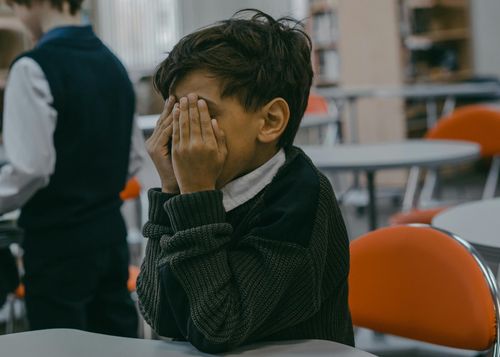

Table of Contents
- What is Emotional Detachment and Emotional Attachment Meanin
- Signs and Causes of Emotional Detachment in Students
- How Emotional Detachment Affects Growth and Confidence
- How to Emotionally Detach in a Healthy Way
- Practical Strategies and Daily Habits to Overcome Emotional
- PlanetSpark Communication Skills Classes
- Build Strong Emotional Connections for a Confident Future
Feeling disconnected from emotions or struggling to express feelings can be confusing for kids and students. Emotional detachment is more common than we think and often goes unnoticed until it starts affecting relationships, confidence, and communication.
In this blog, you will learn what emotional detachment means, understand the emotional attachment meaning, identify signs and causes, and discover how to emotionally detach in a healthy and balanced way. By the end, you will also explore practical strategies that help students reconnect with their emotions and communicate with confidence.
What is Emotional Detachment and Emotional Attachment Meaning
Emotional detachment is a state where a person feels disconnected from their emotions or from people around them. It can be temporary or long-term depending on experiences and environment.
Emotional detachment can sometimes be misunderstood as strength or independence. Many students may believe that not expressing emotions makes them stronger or more mature. However, suppressing emotions for long periods can create internal stress and confusion.
It is important to help children understand that emotions are natural and necessary. Feeling happy, sad, excited, or even upset is part of healthy emotional development. When children learn to accept their emotions instead of avoiding them, they develop better emotional balance.
Another important aspect is that emotional attachment and detachment work together. Strong emotional attachment builds trust and connection, while healthy detachment helps manage difficult situations. Teaching children this balance early helps them handle both success and challenges more effectively.
Emotional Attachment Meaning in Simple Terms
Emotional attachment refers to the emotional bond we form with others. It helps children feel safe, valued, and understood. These connections are essential for developing empathy, communication skills, and confidence.
For students, emotional attachment supports:
- Healthy friendships and social bonding
- Confidence in expressing ideas
- Trust in teachers and peers
- Emotional security in challenging situations
When this attachment becomes weak, children may struggle to express themselves, leading to emotional detachment.
Healthy vs Unhealthy Emotional Detachment
Not all detachment is negative. Healthy detachment helps children manage emotions without being overwhelmed. For example, staying calm during an argument or not reacting impulsively is a form of healthy detachment.
Unhealthy detachment, however, can result in:
- Emotional numbness
- Lack of interest in relationships
- Avoidance of conversations
- Difficulty understanding feelings
Why Understanding This Difference Matters
Recognizing whether detachment is helping or harming is crucial. Children who learn to balance emotions can handle stress better and build stronger relationships. Without this balance, detachment may grow into long-term emotional challenges.
Signs and Causes of Emotional Detachment in Students
Understanding both signs and causes together helps parents and educators identify the issue early and take the right steps.
In many cases, emotional detachment is not intentional. Children may not even realize they are withdrawing. It often begins as a way to protect themselves from stress or uncomfortable situations.
For example, a student who feels judged in class may stop participating to avoid embarrassment. Over time, this behavior can turn into a habit of avoiding emotional expression altogether.
Another subtle sign is reduced curiosity. Children who are emotionally engaged tend to ask questions and explore ideas. When detachment sets in, this curiosity may decrease, affecting both learning and confidence.
Observing patterns over time is more helpful than focusing on isolated behavior. Consistency in withdrawal or lack of engagement often indicates a deeper issue.
Common Signs of Emotional Detachment
Children may not always express their feelings directly. Instead, emotional detachment appears through behavior.
Some key signs include:
- Lack of emotional reaction to events
- Avoidance of conversations about feelings
- Difficulty making or maintaining friendships
- Reduced interest in activities they once enjoyed
- Preference for isolation or staying alone
These signs may develop gradually, making them harder to notice at first.
Emotional and Behavioral Changes
Students experiencing emotional detachment may show changes such as:
- Increased irritability or frustration
- Withdrawal from group activities
- Limited participation in classroom discussions
- Low enthusiasm for learning
These changes often reflect deeper emotional struggles rather than lack of interest.
Root Causes of Emotional Detachment
There are several reasons why children may become emotionally detached.
Some common causes include:
- Emotional overload due to stress or pressure
- Fear of rejection or failure
- Lack of communication skills
- Negative past experiences such as criticism or conflict
- Excessive screen time reducing real-world interaction
The Role of Environment and Support
A supportive environment plays a key role in emotional development. Children who feel heard and understood are less likely to disconnect emotionally.
On the other hand, lack of support or constant pressure can push them toward detachment as a coping mechanism.
How Emotional Detachment Affects Growth and Confidence
Emotional detachment does not just affect feelings. It impacts multiple aspects of a child’s development, including communication, academics, and relationships.
Emotional detachment also affects decision-making abilities. When children are disconnected from their emotions, they may struggle to understand what they truly feel or want. This can lead to confusion and hesitation in making choices.
Additionally, emotional disconnection can reduce creativity. Emotions play a key role in imagination and expression. When children feel detached, they may find it difficult to engage in creative activities like storytelling, speaking, or writing.
Another important impact is reduced resilience. Children who are emotionally aware can handle challenges better because they understand their reactions. Without this awareness, even small difficulties may feel overwhelming.
Addressing emotional detachment early helps children build stronger coping skills and adaptability.
Help your child express emotions with clarity and confidence
Join expert-led communication classes today
Impact on Communication Skills
When children feel disconnected from their emotions, they struggle to express themselves. This affects their ability to share ideas, ask questions, and participate in discussions.
Over time, this can lead to hesitation in speaking and fear of expressing opinions.
Effect on Relationships and Social Skills
Emotional connection is the foundation of relationships. When students are detached, they may find it difficult to build friendships or maintain connections.
This can result in:
- Loneliness
- Lack of teamwork skills
- Difficulty understanding others’ emotions
Academic and Learning Challenges
Emotional detachment reduces engagement in learning. Students may find it hard to focus, participate, or stay motivated.
They may also avoid activities that require interaction, such as group discussions or presentations.
Impact on Self-Confidence
Confidence grows when children feel understood and capable of expressing themselves. Emotional detachment limits this growth.
Students may start doubting their abilities, leading to reduced participation and missed opportunities.
Long-Term Emotional Development
If not addressed early, emotional detachment can affect emotional intelligence. This impacts decision-making, relationships, and overall well-being in the long run.
How to Emotionally Detach in a Healthy Way
Learning how to emotionally detach is about balance. It is not about avoiding emotions but understanding and managing them effectively.
Building Emotional Awareness
The first step is helping children recognize their emotions. Encourage them to identify what they are feeling and why.
Simple practices like naming emotions or discussing daily experiences can improve awareness.
Encouraging Healthy Expression
Children need safe ways to express emotions. This can include:
- Talking to parents or teachers
- Writing in a journal
- Engaging in creative activities
These methods help release emotions instead of suppressing them.
Setting Emotional Boundaries
Teaching children to set boundaries helps protect their emotional well-being. They learn to say no, manage reactions, and avoid unnecessary stress.
Developing Problem-Solving Skills
When children learn to handle challenges, they become more emotionally resilient. Encourage them to think of solutions rather than avoiding problems.
Creating a Supportive Environment
Open communication and encouragement play a key role in emotional development. When children feel supported, they are more likely to express themselves freely.
Healthy emotional detachment also involves teaching children how to pause before reacting. Instead of responding immediately, they can take a moment to think about their emotions and choose how to respond.
This simple habit improves emotional control and reduces impulsive reactions.
It is also helpful to encourage self-reflection. Asking questions like “How did that situation make you feel” or “What could you do differently next time” helps children understand their emotions better.
Over time, these practices build emotional intelligence, which is essential for both personal and academic growth.
Consistency in these efforts is important. Emotional skills develop gradually, and regular practice helps children become more confident in managing their feelings.
Practical Strategies and Daily Habits to Overcome Emotional Detachment
Consistency is key when helping children reconnect with their emotions. Small daily habits can create long-term change.
Encouraging Daily Conversations
Regular conversations help children open up. Ask simple questions about their day and listen actively.
Promoting Social Interaction
Group activities and teamwork encourage connection and improve social skills.
Limiting Screen Time
Reducing screen time allows more opportunities for real-world interaction and emotional development.
Practicing Mindfulness and Reflection
Simple breathing exercises or quiet reflection time can help children stay present and aware of their emotions.
Using Creative Activities for Expression
Activities like storytelling, drawing, and speaking exercises help children express emotions in a comfortable way.
Celebrating Small Progress
Recognizing small improvements builds confidence and motivation. It encourages children to keep improving.
Another effective habit is encouraging children to express gratitude. Talking about positive experiences or things they appreciate helps shift focus from negative emotions and builds a healthier mindset.
Parents and teachers can also model emotional expression. When children see adults expressing emotions calmly and clearly, they learn to do the same.
Creating a routine that includes both learning and relaxation is also important. Balanced routines prevent stress and provide time for emotional recovery.
Lastly, patience is key. Emotional development takes time, and small improvements should be recognized and encouraged. Consistent support helps children feel safe and motivated to open up.
Build strong communication habits and emotional awareness
Start your child’s learning journey at Planetspark today
PlanetSpark Communication Skills Classes
Build Emotional Confidence with PlanetSpark
PlanetSpark Communication Skills classes are designed for kids and students who want to improve expression, confidence, and emotional awareness. These classes help children communicate clearly, participate actively, and build meaningful connections.
Structured learning ensures that children develop essential life skills in a guided and supportive environment.
Why Choose PlanetSpark
- Live interactive classes
- Expert teachers
- Real-world communication practice
- Personalized feedback
- Confidence-building framework
- Structured curriculum for students

Build Strong Emotional Connections for a Confident Future
Emotional detachment can affect how children think, learn, and connect with others. Recognizing early signs and taking consistent action can help them regain confidence and emotional balance.
By encouraging communication, building awareness, and practicing daily habits, children can develop strong emotional skills that support lifelong growth. With the right guidance and consistent effort, they can learn to express themselves clearly, build meaningful relationships, and grow into confident individuals.
Frequently Asked Questions
Healthy detachment involves managing emotions and setting clear boundaries. It also includes expressing feelings in a balanced way. This helps maintain emotional stability without shutting down.
It can be caused by stress, lack of communication, or negative experiences. Excessive digital exposure may also contribute to it. These factors can make students feel isolated or withdrawn.
Yes, it can reduce focus, engagement, and interest in learning. Students may struggle to participate or stay motivated. This can impact academic performance over time.
PlanetSpark builds communication skills through structured and interactive learning. It helps children express thoughts and emotions clearly. This boosts confidence and emotional awareness.
Yes, the classes are designed for different age groups and learning levels. They offer personalized support for individual needs. This ensures every student can learn comfortably and effectively.