
Best Emotional Development Games for Learning and Growth
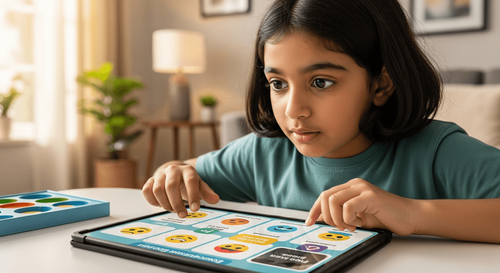

Table of Contents
- What Is Emotional Development in Children
- Why Emotional Development Matters
- Benefits of Emotional Development Games
- Best Emotional Development Games for Kids
- Group Games for Empathy and Teamwork
- Indoor Emotional Development Activities
- Outdoor Emotional Development Games
- Role-Playing for Emotional Intelligence
- Creative Activities for Emotional Expression
- Tips to Encourage Emotional Growth Through Play
- How PlanetSpark Boosts Emotional Development
- Final Thoughts
Children need more than academic success to thrive in today’s world. They need strong emotional skills to express themselves, build relationships, and communicate confidently. This blog will guide you through the best social and emotional learning activities and emotional development games that support holistic growth. You will explore practical social-emotional development activities, including ideas for preschoolers, kindergarten learners, and activities that can be practised at home. By the end, you will clearly understand how to nurture emotional intelligence through engaging methods and help your child become confident, expressive, and socially aware.
What Is Emotional Development in Children
Emotional development is a gradual and essential process through which children learn to identify, understand, and manage their feelings effectively. It forms the foundation for strong communication, healthy relationships, and confident self-expression. When children engage in social-emotional skills activities, they begin to recognise emotions not only in themselves but also in others.
At an early age, especially during preschool years, children start learning through observation and imitation. Activities such as identifying facial expressions, naming emotions, and simple role-playing introduce them to emotional awareness. As they grow, these basic skills evolve into more complex abilities like empathy, emotional regulation, and decision-making.
Key Components of Emotional Development
- Emotional Awareness
- Recognising different emotions such as happiness, sadness, anger, and fear
- Understanding what triggers these emotions
- Emotional Regulation
- Learning to control reactions in different situations
- Practising calm-down techniques
- Social Interaction Skills
- Sharing, cooperating, and taking turns
- Understanding social cues and behaviours
- Empathy Development
- Understanding others’ feelings
- Responding with kindness and compassion
Through consistent social-emotional activities for kindergarten, children begin to apply these skills in group settings. Storytelling, interactive play, and guided discussions help them connect emotions with real-life situations. Over time, structured social-emotional development activities help children become more confident communicators and emotionally balanced individuals.
Why Emotional Development Matters
Emotional development plays a crucial role in shaping a child’s personality, behaviour, and overall success in life. While academic skills are important, emotional intelligence determines how well a child handles challenges, builds relationships, and expresses thoughts effectively.
Children who regularly engage in social and emotional learning activities tend to develop a stronger sense of self-awareness. They understand their emotions better and can communicate their needs clearly. This leads to improved confidence and reduced frustration.
- Improved Communication Skills
Children learn how to express thoughts and feelings clearly and respectfully. - Better Social Relationships
They understand how to interact with peers, resolve conflicts, and build friendships. - Enhanced Confidence
Emotional awareness helps children feel secure and self-assured. - Stronger Decision-Making Skills
They learn to think before reacting and make thoughtful choices. - Emotional Stability
Children become more resilient and can handle setbacks effectively.
Real-Life Impact
Struggling to help your child build a strong personality and express themselves confidently?
Join the Personality Development Program by PlanetSpark with a free trial today and help your child become confident, expressive, and socially smart!
- Children perform better in school due to improved focus and behaviour
- They develop leadership qualities through teamwork and collaboration
- They handle stress and peer pressure more effectively
Using social-emotional activities for preschoolers at home allows parents to nurture these skills early. Structured programmes, such as those offered by PlanetSpark, further enhance emotional intelligence alongside communication and personality development, preparing children for long-term success.
Benefits of Emotional Development Games
Emotional development games are one of the most effective ways to teach children important life skills in a fun and engaging manner. These games transform learning into an interactive experience where children can explore emotions without pressure or fear of failure.
Unlike traditional teaching methods, games allow children to learn naturally through play. When children participate in social-emotional development activities, they become more open to expressing their feelings and understanding others.
Key Benefits of Emotional Development Games
- Builds Emotional Awareness
Children learn to identify and label different emotions - Encourages Self-Expression
Games create a safe space for children to express their thoughts and feelings - Strengthens Empathy
Children learn to understand and respect others’ emotions - Improves Teamwork
Group games teach cooperation and collaboration - Enhances Problem-Solving Skills
Children learn to handle challenges and conflicts
How Games Support Learning
- Active Participation
Children stay engaged and attentive during gameplay - Practical Learning
They apply emotional skills in real-time situations - Positive Reinforcement
Encouragement during games builds confidence - Safe Environment
Mistakes are part of learning, reducing fear and anxiety
Through social-emotional activities for kindergarten, children begin to communicate better and understand group dynamics. Similarly, social-emotional activities for preschoolers at home provide a comfortable environment for consistent practice. These games not only build emotional intelligence but also prepare children for real-life interactions.
Best Emotional Development Games for Kids
Emotional development games are simple yet powerful tools that help children understand emotions and build strong communication skills. These activities can be easily adapted for different age groups, making them ideal for both preschoolers and kindergarten learners.
Top Emotional Development Games
- Emotion Charades
- Children act out emotions without speaking
- Others guess the emotion being expressed
- Helps improve emotional recognition and expression
- Feelings Matching Game
- Match facial expressions with emotion cards
- Enhances understanding of emotional cues
- Storytelling Circles
- Children create stories together
- Encourages empathy and imagination
- Compliment Circle
- Each child gives a compliment to another
- Builds confidence and positivity
- Calm Down Activities
- Deep breathing exercises
- Guided relaxation techniques
Why These Games Work
- They combine fun with learning
- They encourage active participation
- They create a safe space for emotional exploration
How to Use These Games Effectively
- Start with simple activities for younger children
- Gradually introduce complex scenarios
- Provide guidance and feedback
- Encourage open discussion after each activity
These social emotional skills activities can be adapted into social and emotional activities for preschoolers using visuals and simple instructions. With regular practice, children develop stronger emotional awareness and improved communication skills.
Worried about your child’s hesitation in communication and lack of self-confidence?
Enrol in PlanetSpark today and empower your child with personality development skills, emotional intelligence, and effective communication!
Group Games for Empathy and Teamwork
Group-based activities are essential for helping children develop empathy, cooperation, and social awareness. These social emotional development activities allow children to interact with peers, understand different perspectives, and build meaningful relationships.
When children participate in group games, they learn valuable life skills that go beyond emotional understanding. They begin to appreciate teamwork, respect others’ opinions, and handle disagreements constructively.
Examples of Group Games
- Team Storytelling
Children create a story together, taking turns to add ideas - Cooperative Building Games
Work together to build structures using blocks or materials - Sharing Activities
Practice taking turns and sharing resources - Group Challenges
Solve problems as a team
Skills Developed Through Group Games
- Communication Skills
- Expressing ideas clearly
- Listening to others
- Teamwork
- Working towards a common goal
- Supporting teammates
- Empathy
- Understanding others’ feelings
- Responding with kindness
- Leadership Skills
- Taking initiative
- Guiding group activities
Parents can adapt these into social-emotional activities for preschoolers at home by involving siblings or friends. Similarly, social-emotional activities for kindergarten help children practice these skills in classroom settings, preparing them for real-world interactions.
Indoor Emotional Development Activities
Indoor activities provide a controlled and comfortable environment where children can explore emotions without distractions. These social-emotional development activities are especially useful for younger children who need guidance and structured learning.
Popular Indoor Activities
- Emotion Drawing
Children draw different emotions and discuss them - Story Discussions
Talk about characters’ feelings in stories - Expression Puzzles
Match faces with emotions - Mirror Activities
Practice facial expressions in front of a mirror
Benefits of Indoor Activities
- Safe and distraction-free environment
- Better focus and concentration
- Easier guidance from parents or teachers
- Encourages open communication
How to Make Indoor Activities Effective
- Create a comfortable learning space
- Use visual aids like charts and flashcards
- Encourage children to talk about their feelings
- Provide positive feedback
These social emotional activities for preschoolers help children become more aware of their emotions and express them confidently. Structured indoor programmes, such as those used by PlanetSpark, combine these activities with communication training to enhance overall personality development.
Outdoor Emotional Development Games
Outdoor games add an element of physical activity to emotional learning, making the experience more dynamic and engaging. These social and emotional learning activities help children develop resilience, teamwork, and emotional control in real-life situations.
Examples of Outdoor Games
- Obstacle Courses
Teach perseverance and problem-solving - Nature Storytelling
Encourage creativity and observation - Group Sports
Promote teamwork and discipline - Role-Play Games
Act out real-life scenarios
Benefits of Outdoor Activities
- Improves physical health
- Reduces stress and anxiety
- Encourages social interaction
- Teaches handling success and failure
Skills Developed
- Emotional resilience
- Team coordination
- Conflict resolution
- Confidence building
Parents can extend social-emotional activities for preschoolers at home into outdoor spaces like gardens or parks. Outdoor play helps children experience emotions in real-time, making learning more practical and impactful.
Looking for the right platform to shape your child’s confidence and overall personality?
Book your free trial now with PlanetSpark and give your child the skills to speak confidently, think clearly, and succeed in every situation!
Role-Playing for Emotional Intelligence
Role-playing is one of the most effective ways to teach children how to handle real-life situations. These social-emotional skills activities allow children to step into different roles and understand various perspectives.
Benefits of Role-Playing
- Builds empathy
- Improves communication skills
- Enhances confidence
- Encourages problem-solving
Common Role-Playing Scenarios
- Sharing toys with friends
- Resolving conflicts
- Expressing feelings
- Asking for help
Why Role-Playing Works
- Provides real-life context
- Encourages active participation
- Builds confidence through practice
- Helps children prepare for social situations
Through social emotional activities for kindergarten, children learn how to respond appropriately in different situations. Role-playing also supports personality development by improving verbal and non-verbal communication skills.
Creative Activities for Emotional Expression
Creative activities provide children with an outlet to express their emotions freely. These emotional development games encourage imagination while helping children understand their feelings.
Examples of Creative Activities
- Drawing emotions
- Writing short stories
- Music and movement
- Craft projects
Benefits of Creative Expression
- Encourages self-expression
- Reduces emotional stress
- Builds confidence
- Enhances creativity
How to Encourage Creativity
- Provide art materials and tools
- Allow freedom of expression
- Avoid judging their work
- Encourage storytelling
For younger learners, social-emotional activities for preschoolers at home such as colouring and singing are highly effective. These activities not only build emotional awareness but also improve communication and confidence.
Tips to Encourage Emotional Growth Through Play
Supporting emotional development requires consistent effort and a nurturing environment. By incorporating social emotional skills activities into daily routines, parents can help children build strong emotional foundations.
Practical Tips
- Create a supportive and safe environment
- Encourage open communication
- Practice daily emotional activities
- Appreciate positive behaviour
- Lead by example
Daily Strategies
- Talk about emotions regularly
- Use storytelling to explain feelings
- Encourage children to express themselves
- Model positive behaviour
Regular social-emotional activities for preschoolers help children develop confidence, while structured social-emotional development activities refine their emotional intelligence over time.
How PlanetSpark Boosts Emotional Development
Build self-confidence, leadership skills, emotional intelligence, and social etiquette.
- Holistic Curriculum: Covers communication, self-introduction, goal setting, leadership, and critical thinking.
- SEL-Based Design: Aligned with CASEL to support emotional and social growth.
- Activity-Based Learning: Includes mock interviews, journaling, and real-life simulations.
- Leadership Training: Develops empathy, teamwork, and assertiveness.
- Progress Tracking: Confidence meter with regular parent consultations.
- Etiquette Training: Focus on body language, eye contact, and communication tone.

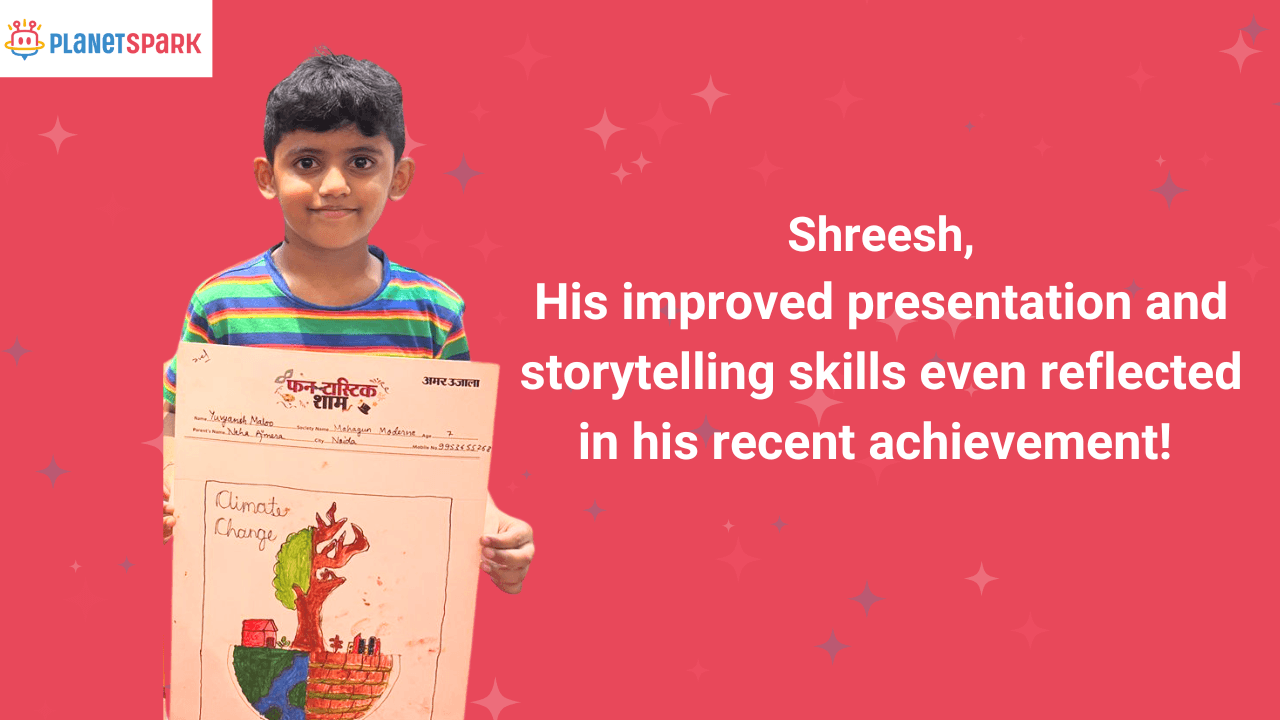
Shreesh – Creativity and Expression
PlanetSpark has helped Shreesh express his ideas creatively and confidently. His improved storytelling and presentation skills reflect how emotional development activities can transform a child’s ability to communicate and connect with others.
Final Thoughts
Emotional development is not a one-time lesson but a continuous journey that shapes how children think, feel, and interact with the world around them. While academic excellence opens doors, emotional intelligence determines how confidently children walk through them. By consistently engaging in emotional development games and social and emotional learning activities, parents and educators can create a strong foundation for lifelong success.
Children who develop emotional awareness early are better equipped to handle challenges, express themselves clearly, and build meaningful relationships. These skills go beyond childhood and play a crucial role in future leadership, communication, and decision-making abilities.
Frequently Asked Questions
Social and emotional learning activities are exercises that help children understand emotions, build relationships, and improve communication skills.
Examples include storytelling, emotion matching games, drawing feelings, and simple role-play activities.
Group storytelling, teamwork games, and role-playing activities are highly effective for kindergarten learners.
Parents can use activities like colouring emotions, storytelling, singing, and simple games to teach emotional skills at home.
Emotional development games are fun activities designed to help children recognise, express, and manage their emotions effectively.