
Explained Empathy Development Stages in Children

Table of Contents
- Empathy development stages
- What Is Empathy
- Why Empathy Matters for Children
- What Are the Stages of Empathy Development
- Stage 1: Understanding One’s Own Feelings
- Stage 2: Recognizing Feelings in Others
- Stage 3: Responding to Feelings
- Stage 4: Empathy with Thinking
- Stage 5: Empathy in Action
- What Are the Different Stages of Emotional Development
- What Is Empathy in Child Development
- Stages of Empathy (Complete Overview Table)
- Empathy Stage in Design Thinking
- Empathy in Development Communication
- How Parents Can Help Children Grow Empathy at Home
- Fun Activities to Build Empathy
- Checkpoints for Children
- Checkpoints for Parents
- Conclusion
- About PlanetSpark : Personality Development
Empathy is one of the most important skills a child can learn. It helps children understand how others feel, build stronger friendships, solve problems peacefully, and grow into caring human beings. Understanding the stages of empathy development helps parents, teachers, and children know what to expect at every age. In this blog, we will explore the stages of empathy, how children grow emotionally.
At PlanetSpark, we help children build strong communication, public speaking, and emotional skills, and empathy is the base of all three. When children understand emotions, they listen better, speak with confidence, and connect with people easily. Empathy prepares them for teamwork, leadership, and lifelong success.
Empathy development stages
What Is Empathy
Empathy means understanding how another person feels and showing care for them. When a friend is sad, empathy helps you imagine what they may be going through. When someone is happy, empathy helps you feel happy for them. Empathy is not only about knowing emotions, but also about responding in a kind and helpful way.
Empathy is a part of emotional development. It does not grow in one day. Children develop empathy step by step, and each stage helps them become more understanding and caring.
Why Empathy Matters for Children
The Importance of Emotional Understanding
Children who learn empathy early become better listeners, better friends, and more confident problem solvers. They understand situations better and react with thoughtfulness. It also reduces bullying and increases teamwork.
Benefits of Empathy in Daily Life
Here is a simple table that shows how empathy helps children in different areas of life:
| Area of Life | How Empathy Helps |
|---|---|
| Friendships | Helps children understand feelings and avoid conflicts |
| School | Encourages teamwork and peaceful communication |
| Family | Builds stronger bonds and respect |
| Community | Helps children become responsible and caring members |
| Self-growth | Increases emotional awareness and confidence |
What Are the Stages of Empathy Development
Children grow emotionally with age. Researchers have identified several stages in how empathy develops. These stages may not be the same for every child, but they give a clear idea of what to expect as a child grows.
Below are the main empathy development stages:
First Stage: Understanding Own Feelings
Second Stage: Recognizing Feelings in Others
Third Stage: Responding to Feelings
Fourth Stage: Empathy with Thinking
Fifth Stage: Empathy in Action
We will explore each of these in detail, along with examples, age-wise explanations, and activities.
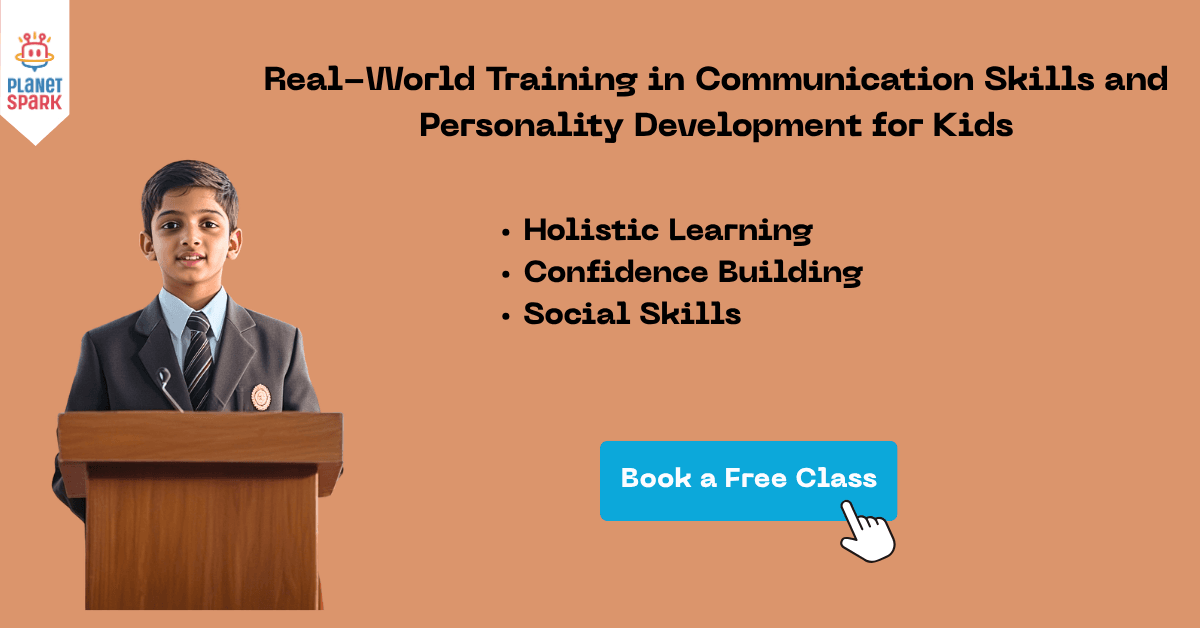
Stage 1: Understanding One’s Own Feelings
(Age Group: Approx. 2–4 years, but foundations continue up to age 7)
This is the earliest stage of empathy. Children begin to understand their own feelings. They may say things like "I am sad" or "I am scared." This stage is important because a child cannot understand others unless they first understand themselves.
What Children Learn
To name basic emotions like happy, sad, angry, scared
To feel emotions in their own body
To express emotions through words
How Parents Can Help
Ask questions like "How do you feel right now"
Teach emotion words
Read picture books that show expressions
Fun Activity
Emotion Mirror Game:
Stand in front of a mirror with your child and make different faces. Ask them to copy you. Then let them make a face and you copy it. This helps them understand their own emotions.
Stage 2: Recognizing Feelings in Others
(Age Group: 4–6 years)
At this stage, children begin to understand that other people also have feelings. They notice facial expressions, tone of voice, and body language. For example, if someone cries, the child may say, "He is sad."
What Children Learn
To identify emotions in others
To notice small changes in behavior
To understand that people feel differently in the same situation
How Parents Can Help
Ask questions like "How do you think your friend is feeling"
Talk about characters in movies and stories
Encourage observing reactions in daily situations
Checkpoint for Parents
Does your child notice when someone is upset
Do they ask questions about how someone feels
Do they show curiosity about why someone is sad, angry, or scared
If the answer is yes to most of these, the child is developing well in this stage.
Stage 3: Responding to Feelings
(Age Group: 6–9 years)
Once children can understand emotions in others, they start showing simple sympathetic reactions. This is the stage where they may offer help. They may give a hug, share a toy, or speak kind words.
What Children Learn
To feel concern for others
To take small actions to help
To understand emotional needs
Parent Support
Appreciate their helpful behavior
Model kindness
Teach polite ways to express caring
Example
If a friend falls while running, a child at this stage might run to help or call an adult.
Fun Activity
Kindness Basket:
Keep small papers in a basket. Every day, write one act of kindness done by the child. At the end of the week, read all of them together.
“Speak boldly. Think clearly. Become unstoppable.”
Claim Your Free Class
Stage 4: Empathy with Thinking
(Age Group: 9–12 years)
This is a deeper stage of empathy. Children begin to think about the reason behind someone’s feelings. They understand that emotions happen due to situations. They also understand that different people feel differently in the same situation.
What Children Learn
To look at situations from another person’s point of view
To think before reacting
To plan helpful actions
Example
A child may understand that a classmate may be angry because he lost a competition, not because he dislikes the child.
Checkpoint Table for Emotional Thinking
| Skill | Does the Child Show It |
|---|---|
| Can understand reasons behind emotions | Yes / No |
| Can think from another perspective | Yes / No |
| Can explain emotional situations | Yes / No |
| Can solve small conflicts with calmness | Yes / No |
Stage 5: Empathy in Action
(Age Group: 12 years and above, though basics begin at 10)
At this stage, children not only feel empathy but also act with responsibility. They take bigger steps to help others, think about fairness, and try to reduce hurt.
What Children Learn
To use empathy in real-life problems
To understand fairness and justice
To become responsible helpers in society
Example
Organizing a group study session because a classmate is weak in a subject.
Parents Can Support
Encourage volunteering
Have discussions about fairness
Teach problem-solving with emotions

What Are the Different Stages of Emotional Development
Empathy is a part of emotional development. Emotional development includes many skills:
Understanding emotions
Managing emotions
Expressing emotions
Empathy
Making friends
Handling conflicts
Here is a simple table to explain the stages:
| Age | Emotional Development Stage |
|---|---|
| 0–3 years | Recognizing basic emotions |
| 3–6 years | Understanding feelings in self and others |
| 6–9 years | Managing emotions and showing empathy |
| 9–12 years | Using empathy in thinking and relationships |
| 12+ years | Emotional maturity and responsible actions |
What Is Empathy in Child Development
Empathy is a key skill in child development. It helps children become emotionally strong and socially intelligent. It plays a role in:
Personality building
Problem solving
Communication
Relationship skills
Moral understanding
When children learn empathy, they also learn cooperation, respect, and leadership.
“Great personalities aren’t born, they’re built.”
Start Building: Free Demo
Stages of Empathy (Complete Overview Table)
| Stage | Age Range | What Happens | Example |
|---|---|---|---|
| Self-awareness | 2–4 yrs | Understand own emotions | Says "I am sad" |
| Recognizing others | 4–6 yrs | Understand emotions in others | Notices someone crying |
| Responding to emotions | 6–9 yrs | Shows caring actions | Shares toys or comforts a friend |
| Empathy with thinking | 9–12 yrs | Understands reasons for emotions | Knows why someone is upset |
| Empathy in action | 12+ yrs | Shows responsible empathy | Helps solve emotional problems |
Empathy Stage in Design Thinking
Design thinking is a method used to solve problems creatively. The first stage of design thinking is Empathy. This means understanding the user’s feelings, problems, needs, and experiences before creating a solution.
Why Empathy Is Important in Design Thinking
Helps understand who the user is
Helps identify real problems
Helps design better solutions
Helps connect emotionally with users
Example for Children
If you want to design a better school bag, first talk to students and understand their problems. Maybe the bag is too heavy, or the straps hurt. This is empathy in design thinking.
Empathy in Development Communication
Development communication is communication used to improve society. Empathy is important in development communication because it helps people:
Understand needs of others
Share helpful information
Solve community problems
Support each other in difficult times
For example, when explaining health advice to a community, communicators use empathy to understand their fears and beliefs.
How Parents Can Help Children Grow Empathy at Home
1. Talk About Feelings
Have daily conversations about emotions.
2. Encourage Storytelling
Ask how characters feel in stories.
3. Teach Active Listening
Ask children to listen without interrupting.
4. Teach Respectful Behavior
Small acts of kindness build empathy.
5. Show Empathy Yourself
Children learn from watching adults.
Fun Activities to Build Empathy
Activity 1: Feelings Journal
Children write one feeling they experienced each day and why.
Activity 2: Story Builder
Tell a story and let the child add what the character feels.
Activity 3: Helping Card
Children pick a card that tells them one helpful thing to do that day.
Activity 4: Emotion Role Play
Act out emotions and guess what the other person is feeling.
Activity 5: Perspective Switch
Let the child describe how a situation looks from another person’s point of view.
“Your growth story begins with a single class.”
Book Your Free Demo Now
Checkpoints for Children
Children can use these checkpoints to see how empathetic they are becoming:
Do I listen to others when they are talking
Do I try to understand how my friends feel
Do I say kind words when someone is upset
Do I help people when they need support
Do I try to think before reacting
Checkpoints for Parents
Parents can use these checkpoints:
Does my child talk about feelings openly
Does my child notice emotional changes in others
Does my child show small acts of kindness
Does my child understand different perspectives
Does my child try to solve conflicts calmly
Conclusion
Empathy is one of the strongest skills a child can develop. It helps them understand emotions, build friendships, respect differences, and grow into caring individuals. Empathy grows in stages, and each stage prepares children for the next. Parents, teachers, and the community all play an important role in helping children learn empathy.
When children grow in empathy, the whole world becomes a kinder place. Empathy helps in relationships, design thinking, development communication, and in building a thoughtful future generation. With practice, guidance, and everyday experiences, empathy becomes a natural part of a child’s life.
About PlanetSpark : Personality Development
PlanetSpark helps children develop strong personality skills through engaging, interactive, and personalised 1:1 live sessions. Our Personality Development Program builds confidence, clarity, social skills, communication, and leadership empowering kids to express themselves naturally in every situation.
1. 1:1 Expert Personality Coaches
Every child learns with a certified mentor who tailors each session to their personality, strengths, and goals ensuring visible growth in confidence, behaviour, and overall presentation.
2. Personalised Growth Roadmap
A customised curriculum strengthens body language, self-awareness, expression, etiquette, and mindset guiding children step by step toward a confident personality.
3. Communication & Confidence Training
Through structured speaking activities, debates, storytelling, and real-life conversations, students learn to speak clearly, think confidently, and present themselves with ease.
4. Interactive & Activity-Based Learning
Fun modules like Social Skills Games, Expression Drills, Roleplays, and Leadership Challenges make learning enjoyable while building real-life confidence through practice.
5. Life Skills for Every Situation
From stage presence and emotional intelligence to decision-making and positive attitude training, children gain the essential life skills needed to thrive at school, in groups, and in public spaces.
Frequently Asked Questions
Empathy means understanding how someone else feels and responding in a caring way. It is a key part of emotional development.
Children start showing early signs of empathy around 2–4 years, but deeper empathy grows between ages 6–12.
The stages include understanding one’s own feelings, recognising others’ feelings, responding with care, thinking with empathy, and acting with empathy.
If your child notices emotions, talks about feelings, helps others, and thinks before reacting, they are growing empathy.
Empathy helps children build friendships, solve problems peacefully, avoid bullying, and communicate better.