
Etiquettes of Communication: Meaning, Key Aspects, Benefits
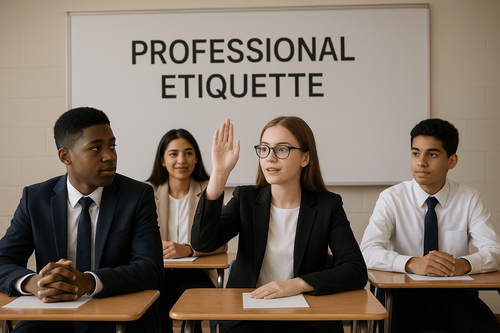

Communication etiquette is the set of polite behaviours and social norms that guide how we interact with others in personal, professional, and digital settings. Whether it’s a business meeting, a classroom discussion, or a casual conversation online, proper etiquette ensures that your message is conveyed clearly and respectfully. Understanding and practising these etiquettes is essential for building trust, fostering strong relationships, and leaving a positive impression.
What is Etiquette?
Etiquette is more than just a set of rules; it’s the language of respect and consideration that shapes how people interact with each other. It represents the code of polite behaviour that helps society function smoothly. From saying “please” and “thank you” to listening attentively when someone speaks, etiquette forms the invisible glue that holds relationships together, at work, in classrooms, online, and even among friends.
The word “etiquette” comes from the French term étiquette, which means a label or prescribed order. Historically, it referred to formal court behaviour in Europe, but over time it evolved into everyday manners that define how we treat one another. Whether you’re greeting a neighbour, sending an email, or participating in a meeting, etiquette sets the tone for mutual respect and understanding.
Key Aspects of Etiquette
- Respect: Treating others the way you want to be treated.
- Courtesy: Small gestures like saying please, thank you, and excuse me.
- Awareness: Being mindful of time, tone, and context in every interaction.
- Cultural Sensitivity: Understanding that etiquette varies across places and people.
- Adaptability: Adjusting your behaviour according to the situation, formal, informal, digital, or in-person.
Etiquette is not about pretending or pleasing everyone; it’s about building trust and comfort in any form of communication.
“Book your PlanetSpark demo class—communicate with confidence!”
How Etiquette is Changing in the Digital Age
The rise of technology has transformed how we communicate. With emails, video calls, and instant messaging becoming normal, the traditional rules of etiquette have evolved.
1. From Handshakes to Emojis
Earlier, first impressions were made through handshakes and smiles. Today, they begin with an email, a LinkedIn message, or a text. Emojis and gifs have replaced physical cues, but professionalism must still be maintained.
Do: Use emojis sparingly in semi-formal chats.
Don’t: Use them in official emails or serious conversations.
2. Online Meeting Etiquette
Virtual communication requires a new level of awareness. A few simple habits make a huge difference:
- Join meetings on time and test your microphone beforehand.
- Keep your camera on when possible to show engagement.
- Mute yourself when not speaking.
- Avoid multitasking, people can sense when your attention drifts.
- Dress appropriately even if working from home.
3. Social Media Behaviour
Your online presence says as much about you as your offline conduct. Maintaining digital decorum is essential.
- Avoid negative comments or public arguments.
- Be respectful while sharing opinions.
- Think twice before posting sensitive or private content.
- Give credit when you share someone’s work.
- Always cross-check facts before reposting information.
4. Email and Chat Etiquette
Emails and chats dominate professional life. The tone, formatting, and timing matter more than we realise.
Good practices include:
- Using clear subject lines.
- Keeping messages concise and polite.
- Starting with a greeting and ending with a sign-off.
- Avoiding all caps, which can sound aggressive.
- Responding within 24 hours whenever possible.
5. Respecting Digital Boundaries
The biggest shift in etiquette today is about boundaries, knowing when and how to communicate.
- Avoid messaging people outside work hours unless urgent.
- Refrain from calling without prior notice.
- Respect privacy; don’t share screenshots or forward personal messages.
- Always ask permission before tagging someone or adding them to a group.
Digital etiquette, in essence, blends professionalism with empathy. As our screens become windows to the world, how we behave online reflects our real-world values.

What are Some Basic etiquette for Effective Communication?
Effective communication is built on courtesy, clarity, and empathy. Whether you’re speaking, writing, or listening, etiquette ensures your message connects, not just reaches.
1. Listen Before You Speak
Good communication starts with good listening.
- Pay attention to words, tone, and body language.
- Avoid interrupting; let others finish their thoughts.
- Show that you are listening with nods or short acknowledgements.
- Summarise key points to ensure mutual understanding.
2. Speak Clearly and Confidently
How you speak matters as much as what you say.
- Maintain a calm, steady tone.
- Use simple language, clarity is not the same as simplicity.
- Avoid slang in formal settings.
- Control your pace, don’t rush or drag.
- Practise positive body language.
3. Mind Your Tone
Tone is often the difference between being assertive and being rude.
- Keep your tone respectful even during disagreements.
- Use polite expressions like Could you please or Would you mind.
- Smile when speaking, it reflects warmth even through voice.
4. Email and Written Communication
Writing has its own etiquette that ensures professionalism and clarity.
Essential guidelines:
- Start with a greeting like Dear, Hello, or Hi followed by the name.
- Use short paragraphs and bullets for readability.
- Avoid jargon unless your audience understands it.
- Proofread before sending, typos can ruin first impressions.
- Always thank the reader at the end.
5. Non-Verbal Communication
Your body language speaks louder than your words.
- Maintain eye contact to show attentiveness.
- Keep your posture straight and open.
- Use hand gestures naturally, not excessively.
- Dress neatly according to the occasion.
6. Respecting Differences
Etiquette also means adjusting your approach for people from different backgrounds.
- Avoid assumptions based on appearance or accent.
- Be sensitive to cultural and gender differences.
- Show openness to learn from others’ communication styles.
7. Handling Conflicts Gracefully
When disagreements arise, etiquette helps you stay calm and constructive.
- Listen actively to the other person’s viewpoint.
- Avoid raising your voice or using harsh words.
- Address the issue, not the person.
- End on a polite note, even when you disagree.
8. Group Communication Etiquette
When interacting in groups, meetings, WhatsApp groups, or class discussions, certain courtesies go a long way.
- Avoid dominating the conversation.
- Encourage quieter members to share opinions.
- Don’t interrupt; wait for your turn.
- Stay relevant to the topic.
9. Professional Communication Etiquette
Workplace communication requires an extra layer of professionalism.
- Use official channels for professional exchanges.
- Keep your emails concise and factual.
- Avoid gossip or emotional language.
- Maintain confidentiality when required.
- Always show gratitude and respect to seniors and peers alike.
10. Feedback and Appreciation
Giving and receiving feedback is part of communication etiquette.
- Offer constructive feedback, focus on behaviour, not personality.
- Accept criticism positively; don’t react defensively.
- Appreciate others’ efforts, even for small tasks.
“Learn etiquette today—join a free PlanetSpark class.”
14 Etiquettes for Professional Communication
Professional communication is not just about speaking correctly, it’s about creating trust, maintaining clarity, and representing your organisation with integrity. The smallest habits can influence how others perceive your competence and professionalism.
Here are 15 key etiquettes that help you communicate effectively in professional settings:
1. Be Punctual in Your Responses
Respecting time shows responsibility. Reply to emails, messages, and meeting invites promptly. Even a short acknowledgement like “Received, will review soon” conveys reliability.
2. Address People Appropriately
Use correct titles, Mr., Ms., Dr., or Professor, unless invited to use first names. In global or startup environments, where first names are common, still maintain respect in tone.
3. Keep Emails Clear and Structured
Use short paragraphs, bullet points, and relevant subject lines. Start with a greeting, state your purpose early, and end with a polite closing. Avoid long, unbroken blocks of text.
4. Maintain Professional Tone
Your choice of words reflects your attitude. Avoid slang, abbreviations, and emotional expressions in professional communication. Use neutral, polite language even when disagreeing.
5. Be an Active Listener
Listening is the foundation of effective communication. Give full attention to the speaker, avoid interrupting, and use gestures like nodding to show engagement.
6. Maintain Eye Contact
In meetings or interviews, maintaining natural eye contact shows confidence and sincerity. However, avoid staring, balance attentiveness with comfort.
7. Respect Personal and Digital Boundaries
Don’t send unnecessary messages outside work hours or personal content on professional platforms. Always ask before sharing someone’s contact details or adding them to a group.
8. Proofread Before Sending
Grammatical errors, spelling mistakes, or incorrect attachments can damage your professional image. Take a minute to double-check your messages and documents before sending.
9. Be Courteous in Meetings
Arrive on time, keep your phone silent, and avoid side conversations. When online, mute yourself when not speaking and ensure your camera background is neat.
10. Use Polite Language
Simple words like please, thank you, and sorry hold great value. They soften communication and leave a positive impression.
11. Avoid Gossip or Negative Talk
Professional spaces demand maturity. Avoid discussing colleagues negatively or spreading rumours; it erodes trust and professionalism.
Master communication skills—start with PlanetSpark now.
11. Be Mindful of Non-Verbal Cues
Body language communicates more than words. Keep a calm posture, smile genuinely, and avoid defensive gestures like crossed arms.
12. Use Technology Responsibly
Refrain from checking phones during meetings or replying casually to official emails. Respect company policies on device use, recording, and confidentiality.
13, Follow Up, But Don’t Overdo It
Following up shows initiative, but excessive reminders can feel pushy. Wait for reasonable time gaps before sending polite follow-up messages.
14, End Conversations Gracefully
Whether in person or over email, always close interactions with gratitude and positivity. A simple “Thank you for your time” or “Looking forward to your feedback” leaves a lasting impression.
Benefits of Learning Etiquette for Communication
Learning etiquette isn’t only about behaving correctly; it transforms how you connect, collaborate, and grow both personally and professionally. Here’s how mastering communication etiquette adds value:
1. Builds Strong First Impressions
Polite communication instantly sets you apart. Whether it’s an interview, a meeting, or an email, proper etiquette creates trust and respect right from the start.
2. Enhances Professional Relationships
People appreciate those who communicate with consideration. Respectful interaction fosters collaboration, reduces misunderstandings, and strengthens workplace relationships.
3. Improves Clarity and Efficiency
When communication follows a clear, polite structure, work flows faster. Meetings become more productive, and emails lead to action rather than confusion.
4. Boosts Self-Confidence
Knowing how to behave and communicate in any situation boosts your confidence. You no longer worry about saying the wrong thing or appearing unprofessional.
5. Encourages Mutual Respect
Etiquette teaches you to value others’ time, opinions, and space, and in return, you earn the same respect. It builds a culture of empathy and cooperation.
6. Reduces Misunderstandings
Most workplace conflicts arise from poor communication. By practising etiquette, using calm tone, proper greetings, and active listening, you minimise friction and confusion.
7. Strengthens Your Professional Image
Good manners and polished communication reflect emotional intelligence. They signal that you’re reliable, mature, and capable of handling responsibility.
Speak confidently—reserve your PlanetSpark demo class
8. Supports Career Growth
Employers value people who communicate clearly and respectfully. Proper etiquette can make you stand out during meetings, client interactions, and appraisals.
9. Promotes Positive Work Environment
When everyone communicates politely, the overall energy of the workplace improves. It encourages teamwork, trust, and open dialogue.
10. Prepares You for Global Interaction
In today’s global workspace, understanding diverse etiquette styles helps you connect across cultures. You learn when to be formal, how to use greetings, and how to maintain professionalism online.
Why Choose PlanetSpark for Learning Professional Etiquette?
PlanetSpark offers a dynamic and interactive approach to learning professional etiquette, helping students develop confidence, communication skills, and workplace readiness. Through engaging live classes, real-world roleplays, and expert mentorship, learners build essential social and professional behaviours that set them apart in academic and career settings.
- Expert-led interactive sessions: Classes are conducted by certified trainers who specialise in communication and behavioural skills. They use engaging discussions, group activities, and simulations to make learning enjoyable and effective.
- Practical roleplay-based learning: Students participate in realistic roleplays that simulate workplace and social situations. This hands-on approach helps them practise professional etiquette, teamwork, and leadership in a safe environment.
- Personalised feedback and mentoring: Each learner receives individual attention and feedback from mentors, helping them identify their strengths and areas for improvement. This ensures steady growth in confidence and social presence.
- Focus on communication and confidence: The curriculum strengthens both verbal and non-verbal communication skills—tone, body language, presentation, and active listening, building the foundation for self-assured and respectful interactions
- Real-world professional grooming: Beyond classroom learning, students gain insights into workplace manners, dressing sense, email etiquette, and interview behaviour, skills essential for thriving in modern academic and corporate settings.
Conclusion
Etiquette is a lifelong skill that evolves with time. Whether it’s digital communication, office interactions, or social exchanges, good manners never go out of style.
When you practise professional etiquette, you don’t just communicate better, you lead with empathy, clarity, and respect. That is what sets truly effective communicators apart in the modern world.
Join PlanetSpark’s Public Speaking and Communication Skills program if you’re ready to strengthen your communication confidence and master the art of professional etiquette. Through interactive lessons, expert feedback, and real-world practice, PlanetSpark helps you develop polished communication skills that make a lasting impact, both online and offline.
Frequently Asked Questions
Etiquettes in communication are the set of polite behaviours and social norms that guide how we speak, listen, and respond to others. They help create respectful and effective exchanges, whether in personal, professional, or digital settings.
The five main etiquettes in communication include active listening, clarity in speech, respect for others’ opinions, appropriate body language, and maintaining a positive tone. These basic manners reflect emotional intelligence and professionalism.
The 7 C’s of communication are clarity, conciseness, correctness, completeness, concreteness, courtesy, and consideration. These principles ensure that your message is well-structured and impactful.
Etiquette refers to a set of accepted rules and manners that define polite and respectful behaviour in society. The main types include social etiquette, business etiquette, dining etiquette, and communication etiquette.
The five basic communication skills are listening, speaking, reading, writing, and non-verbal communication. Together, they form the foundation of effective interaction in both personal and professional life.
Etiquette is important because it helps maintain respect, kindness, and professionalism in every form of communication. It ensures that your message is delivered thoughtfully and received positively.