
How Extra-Curricular Activities for Kids Boost School Life

Table of Contents
- What Are Extra-Curricular Activities for Kids and Why Do The
- Benefits of Extra-Curricular Activities for Kids
- Boosting Academic Performance
- Types of Extra-Curricular Activities for Kids
- Tips to Encourage Kids to Join Extra-Curricular Activities
- Real-Life Stories: Kids Who Thrived Through Extra-Curricular
- PlanetSpark Personality Development Courses: Unlock Your Chi
- Small Steps Lead to Big Growth
- Frequently Asked Questions
Many children struggle with shyness, lack of focus, or feeling disconnected at school. This often affects learning and social growth. Extra-curricular activities for kids can be the perfect solution, offering a structured way to develop skills beyond textbooks.
In this blog, we will explore what extra-curricular activities are, their benefits, practical tips to encourage participation, and inspiring real-life stories. Parents can also discover how PlanetSpark Personality Development courses can support their child’s holistic growth naturally.
What Are Extra-Curricular Activities for Kids and Why Do They Matter?
Extra-curricular activities for kids are structured, non-academic pursuits that complement classroom learning. They include sports, arts, music, drama, debate, robotics, and many other interests. These activities matter because they contribute to a child’s overall growth, improving physical health, social skills, creativity, and mental well-being. Participation helps children explore passions, discover talents, and build self-discipline. Schools that encourage such involvement often see happier, more engaged students. Beyond academics, extra-curricular activities foster essential life skills such as teamwork, problem-solving, and confidence. PlanetSpark courses further enhance this growth by integrating personality development with skill-building for school-age children.
Benefits of Extra-Curricular Activities for Kids
Here are the benefits listed below-
Boosting Academic Performance
Extra-curricular activities for kids play a significant role in enhancing academic performance. Activities like chess, debate, coding, and robotics sharpen critical thinking, problem-solving, and memory skills. When children engage in structured activities outside the classroom, they learn to focus on tasks, manage time efficiently, and set achievable goals. These skills directly translate into improved concentration during lessons and higher retention of academic material.
Key Benefits:
Improves focus, attention span, and memory
Encourages time management and discipline
Enhances problem-solving and critical thinking
Reduces stress and improves classroom performance
Building Social Skills and Friendships
Extra-curricular activities for kids provide a natural platform to develop social skills and forge friendships. Group activities such as sports teams, clubs, and drama productions encourage communication, teamwork, and empathy. Children learn to collaborate with peers, share responsibilities, and navigate social dynamics, which helps reduce shyness and social anxiety. Forming friendships through shared interests enhances emotional intelligence and fosters a sense of belonging.
Key Benefits:
Improves communication and empathy
Builds teamwork and collaboration skills
Helps shy or reserved children gain confidence
Strengthens friendships and peer connections
Encouraging Creativity and Imagination
Creativity and imagination are essential for a child’s overall development, and extra-curricular activities offer the perfect outlet. Engaging in arts, music, drama, storytelling, and creative writing stimulates innovative thinking and problem-solving skills. These activities allow children to express themselves freely, experiment with ideas, and develop unique perspectives. Creative pursuits also enhance cognitive flexibility, enabling children to approach academic and real-life challenges with originality.
Key Benefits:
Stimulates imaginative and innovative thinking
Enhances self-expression and confidence
Develops problem-solving and analytical skills
Supports academic learning through creative engagement
Encourage social skills and friendships – book your child’s PlanetSpark trial now.
Enhancing Physical Health and Well-Being
Physical well-being is closely linked to academic success and emotional health. Extra-curricular activities for kids, such as sports, yoga, dance, and outdoor games, keep the body active and improve stamina, coordination, and overall fitness. Regular physical activity releases endorphins, which reduce stress, boost mood, and improve mental clarity. Children also learn discipline, resilience, and patience through practice and regular training.
Key Benefits:
Improves physical health, coordination, and energy
Reduces stress and promotes emotional balance
Teaches discipline, resilience, and self-care
Supports overall school performance and engagement
Fostering Leadership and Teamwork
Extra-curricular activities for kids are ideal for developing leadership and teamwork skills. When children participate in sports teams, clubs, or group projects, they learn to take responsibility, collaborate with peers, and lead initiatives. Assigning roles in group activities helps them understand accountability, decision-making, and problem-solving. These experiences build resilience and teach children how to motivate others while managing challenges.
Key Benefits:
Encourages accountability and decision-making
Builds collaboration and team spirit
Develops practical leadership skills
Strengthens confidence in group settings
Boosting Self-Confidence and Independence
Participation in extra-curricular activities for kids significantly boosts self-confidence and independence. Completing tasks, performing in competitions, or achieving personal milestones gives children a sense of accomplishment. They learn to make choices, overcome challenges, and trust their abilities. Over time, this nurtures self-reliance and decision-making skills.
Key Benefits:
Builds self-belief and courage
Enhances independence and decision-making
Encourages resilience and perseverance
Supports personal growth and self-motivation
Help children explore their talents
Join PlanetSpark Personality Development for free trial classes.
Balancing Fun and Learning for a Happier School Life
Extra-curricular activities for kids create the perfect balance between learning and fun. By engaging in hobbies, creative pursuits, and group activities, children reduce stress and develop a positive attitude toward school. Fun learning keeps students motivated, encourages curiosity, and improves overall mental health.
Key Benefits:
Reduces stress and increases school enjoyment
Encourages curiosity and a love for learning
Promotes mental and emotional well-being
Develops a balanced and confident personality
Types of Extra-Curricular Activities for Kids
1. Sports and Physical Activities
Engaging in sports not only keeps kids active but also teaches teamwork, discipline, and resilience.
Team Sports: Football, basketball, cricket, volleyball
Individual Sports: Swimming, gymnastics, martial arts, athletics
Fun Physical Activities: Yoga, dance, cycling, skating
2. Arts and Creative Activities
These activities spark imagination, boost creativity, and improve fine motor skills.
Visual Arts: Painting, sketching, pottery, craft-making
Performing Arts: Drama, dance, music, theatre
Literary Arts: Story writing, poetry, journaling
3. Academic and Intellectual Activities
These activities develop critical thinking, problem-solving, and curiosity.
Debates and Public Speaking: Enhances confidence and communication skills
Quizzes and Olympiads: Encourages knowledge and quick thinking
STEM Activities: Robotics, coding, science experiments
4. Social and Community Activities
Fostering empathy, responsibility, and teamwork through social engagement.
Volunteering: Community service, charity drives
Clubs: Environmental clubs, book clubs, cultural clubs
Mentoring Programs: Helping younger students or peers
Empower children with life skills and confidence
5. Hobbies and Special Interests
Exploring personal passions helps children build self-identity and focus.
Gardening, photography, chess, puzzles, cooking classes
Collecting stamps, coins, or nature specimens
Tips to Encourage Kids to Join Extra-Curricular Activities
Encouraging children to participate in extra-curricular activities for kids requires understanding, patience, and motivation. Here are practical tips to make it engaging and stress-free:
1. Offer a Variety of Options
Introduce children to different types of activities, including sports, arts, music, drama, debate, and coding.
Allow them to explore their interests rather than imposing a choice.
2. Start Small and Build Gradually
Begin with one or two activities to prevent overwhelm.
Gradually increase involvement as the child grows comfortable.
3. Celebrate Participation, Not Just Success
Appreciate effort and consistency rather than only achievements.
Focus on enjoyment, learning, and personal growth.
4. Join Activities Together Initially
Parents can attend sessions or observe first few classes to build comfort.
Participating together helps reduce hesitation and anxiety.
5. Highlight Benefits in Real-Life Terms
Explain how activities improve friendships, confidence, focus, and creativity.
Share relatable stories of children enjoying learning through extra-curriculars.
6. Create a Supportive Environment at Home
Encourage discussion about experiences, achievements, and challenges.
Avoid pressuring children; let motivation come naturally.
7. Use Structured Programs for Guidance
Enrol children in well-designed courses like PlanetSpark Personality Development to explore skills, build confidence, and experience structured growth alongside fun activities.
Make learning fun and engaging
Start PlanetSpark Personality Development sessions today.
Real-Life Stories: Kids Who Thrived Through Extra-Curricular Activities
Extra-curricular activities for kids can completely transform a child’s school life. Here are some inspiring stories that show how children blossomed when they engaged beyond the classroom:
1. From Shyness to Stage Confidence
Maya, 10, was extremely shy and rarely spoke in class. Joining the school drama club was her first step outside her comfort zone. Through acting exercises and storytelling sessions, she began expressing herself freely. Today, she confidently participates in class presentations and even volunteers for school events, proving that extra-curricular activities can build self-assurance.
2. A Young Leader on the Sports Field
Arjun, 12, loved football but struggled to communicate with teammates. When he was given the role of captain for his school team, he learned to guide peers, make quick decisions, and motivate the group. By the end of the season, Arjun not only improved his game but also became a confident leader, showing how sports foster teamwork and responsibility.
3. Academic Boost Through Strategic Thinking
Sanya, 13, joined the school chess club alongside debate sessions. The logical thinking required in chess helped her approach problems systematically, while debating enhanced her analytical skills. She noticed better focus during lessons, improved problem-solving abilities, and even higher grades in maths and science.
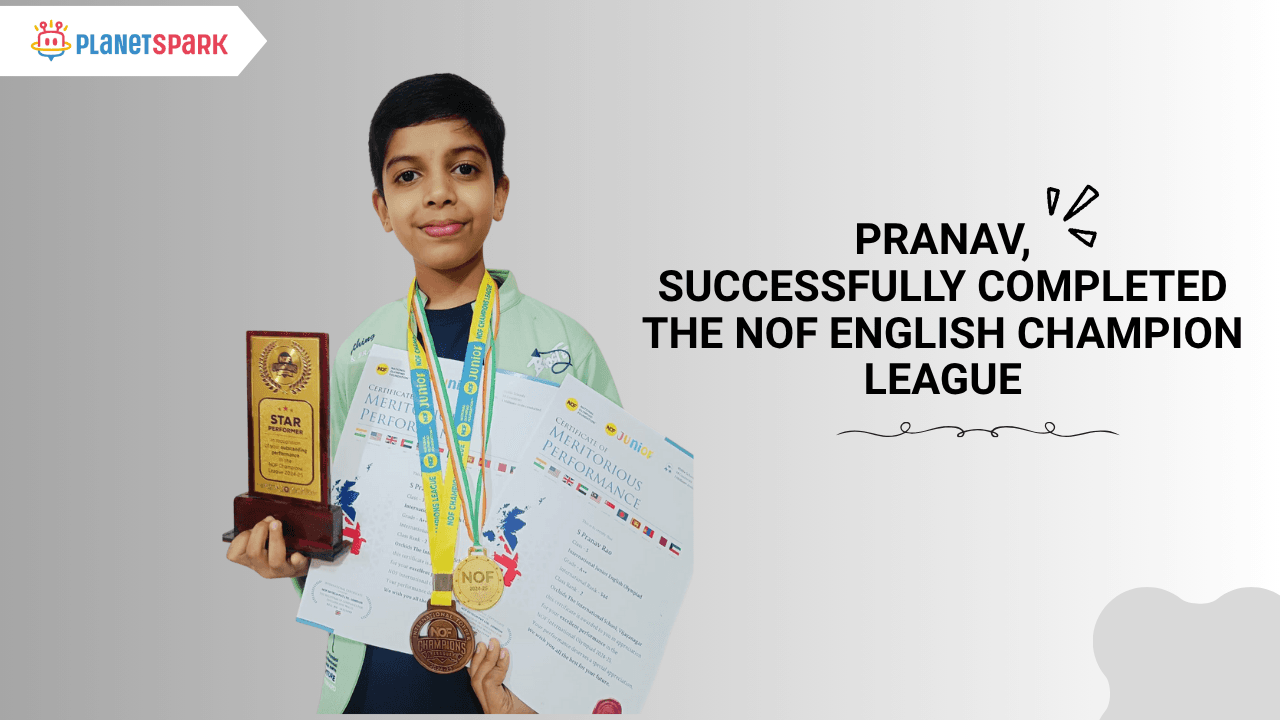
Pranav, a Grade 3 star, - successfully completed the NOF English Champion League, showcasing his brilliance in Public Speaking and Creative Writing.
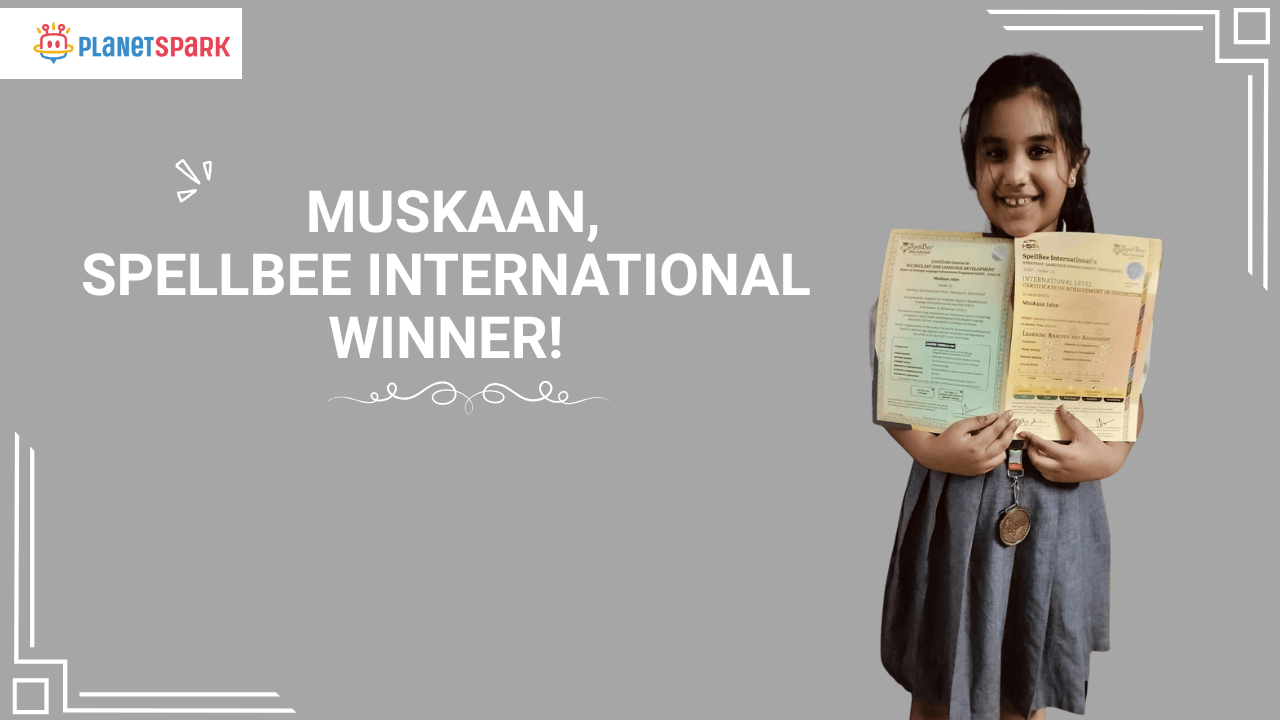
We are beyond proud of Muskaan from PlanetSpark, who showcased her spelling brilliance at the SpellBee International Programme!
Unlock your child’s potential like these superstars! Enrol in PlanetSpark’s free Personality Development trial class today and help them shine confidently in school and beyond
PlanetSpark Personality Development Courses: Unlock Your Child’s Potential
PlanetSpark Personality Development courses help children develop essential life skills alongside academic growth. Key USPs include:
Expert mentors guiding personalized learning
Interactive exercises promoting communication and confidence
Focus on leadership, teamwork, and problem-solving
Fun and engaging methodology for better retention
Flexibility to learn from home with structured schedules
Progress tracking for continuous improvement
These courses are designed to nurture a child’s personality while complementing extra-curricular activities.
Small Steps Lead to Big Growth
Extra-curricular activities for kids transform school life, fostering learning, confidence, creativity, and friendships. Even small, consistent participation in activities can make a child happier, healthier, and more motivated. Parents and teachers play a key role in encouraging involvement while supporting exploration of interests. Combining these activities with structured guidance from PlanetSpark Personality Development courses ensures holistic growth and a fulfilling school experience. Every small effort contributes to building confident, capable, and joyful learners ready to take on challenges.
Frequently Asked Questions
1. What are the benefits of extra-curricular activities for kids?
Extra-curricular activities improve academic performance, social skills, physical health, creativity, and confidence. They also encourage leadership, teamwork, and independence, contributing to overall personality growth. PlanetSpark courses further enhance these benefits by integrating structured personality development exercises.
2. What extracurricular activities should my child try first?
Start with activities matching your child’s interests, such as arts, music, sports, or clubs. Observing their enthusiasm helps select activities they enjoy and continue long-term. PlanetSpark offers guided options to explore skills and interests effectively.
3. How do extra-curricular activities boost academic performance?
Activities like debate, chess, or creative writing improve focus, problem-solving, and critical thinking. Physical sports increase energy and concentration. PlanetSpark courses complement these skills with exercises that enhance logical reasoning and learning habits.
4. Can extra-curricular activities help shy children?
Yes, group activities, clubs, and creative sessions allow shy children to express themselves safely, make friends, and build confidence gradually. PlanetSpark’s personality development programs provide additional support for communication and social confidence.
5. How many hours per week should kids spend on extra-curriculars?
Around 3–5 hours per week is ideal for primary school children. Balance with academics ensures benefits without burnout. PlanetSpark courses offer structured, flexible schedules to integrate personality development effectively.
6. Are online personality development programs effective for kids?
Yes, interactive online programs can be highly effective. PlanetSpark provides live sessions, personalised guidance, and engaging exercises that enhance confidence, communication, and leadership skills while complementing school activities.
7. Do extra-curricular activities influence future success?
Absolutely. Early involvement fosters discipline, teamwork, and leadership. Children who participate in diverse activities often develop skills essential for lifelong learning and success. PlanetSpark courses strengthen these traits with focused guidance and interactive learning.