
Facial Expressions That Boost Your Child’s Social Skills
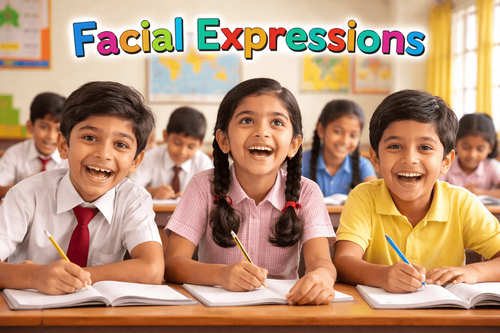

Table of Contents
- What Facial Expressions Are and How Children Use Them
- Facial Expression in Communication: Why It Matters
- Facial Expressions and Emotions: Understanding the Connectio
- Different Facial Expressions Children Show in Daily Life
- Types of Facial Expressions Common in Children
- Facial Expressions of Emotions and Social Understanding
- Why Facial Expressions Are Essential for Social Growth
- Types of Facial Expressions That Help Children Connect With
- Reading Facial Expressions to Understand Others Better
- Facial Expressions and Emotions in Everyday Social Situation
- Teaching Children to Express Emotions Through Facial Express
- Activities to Improve Facial Expression in Communication
- Building Confidence in Using Facial Expressions
- Facial Expressions and Long-Term Social Success
- Why Students Must Join Planet Spark for Body Language Improv
- Conclusion
Facial expressions are one of the first ways children communicate with the world. Even before children learn to speak clearly, their faces express happiness, confusion, anger, curiosity, and fear. These expressions quietly guide social interactions and help children understand both their own emotions and the feelings of others. Building awareness around facial expressions early plays a strong role in shaping a child’s social skills.
What Facial Expressions Are and How Children Use Them
Facial expressions are visible movements of the face that show emotions, reactions, and thoughts. Children naturally use facial expressions to respond to situations, people, and experiences—even when they are not aware of it.
Facial Expressions as a Child’s First Language
Before words develop, babies rely almost entirely on facial expressions. A smile shows comfort, while a frown or tight lips may signal discomfort.
Example:
A toddler smiles when a familiar person enters the room. This expression communicates recognition and comfort without using words.
As children grow, facial expressions remain a constant part of how they share feelings, especially in situations where words feel difficult or overwhelming.
Facial Expression in Communication: Why It Matters
Facial expression in communication plays a key role in how children interact socially. Words alone do not carry full meaning—facial expressions add emotion, intention, and clarity.
How Facial Expressions Support Verbal Communication
Facial expressions help reinforce what a child is saying.
Example:
A child saying “I like this game” with a smile appears sincere and friendly. The same words with a blank or annoyed expression can confuse peers.
Children who use facial expression in communication effectively are often better understood and feel more confident expressing themselves.
When Facial Expressions Replace Words
Sometimes children rely only on facial expressions, especially when they are shy or unsure.
Example:
A child may raise eyebrows or widen eyes to show surprise during a classroom activity instead of speaking.
Understanding these cues helps parents and teachers respond more accurately to a child’s needs.
Help your child understand emotions and social cues better.
Book a PlanetSpark Demo Class to build strong communication skills.
Facial Expressions and Emotions: Understanding the Connection
Facial expressions and emotions are closely linked. Emotions naturally appear on the face, often before a child realises what they are feeling.
How Emotions Appear on a Child’s Face
Basic emotions like happiness, sadness, anger, fear, and surprise usually show clearly through facial expressions.
Example:
A child’s face tightens, brows lower, and lips press together when feeling angry—even if they don’t say it.
These facial expressions of emotions help children express feelings that are hard to explain verbally.
Why This Connection Supports Emotional Awareness
When children learn to notice how emotions affect their facial expressions, they become more emotionally aware. This awareness supports better emotional control and social understanding.
Different Facial Expressions Children Show in Daily Life
Children display different facial expressions throughout the day depending on their environment, mood, and interactions.
Facial Expressions at Home
At home, children often show emotions freely because they feel safe.
Example:
A relaxed smile during family time or a pout when upset with a sibling.
These expressions help parents understand emotional states without needing explanations.
Facial Expressions at School and Social Settings
In social environments, children may control or mask expressions.
Example:
A child may hide disappointment after losing a game but still show subtle facial cues like downcast eyes.
Recognising these different facial expressions helps adults support children gently in social situations.
Types of Facial Expressions Common in Children
There are several types of facial expressions children commonly use, especially in social interactions.
Happy and Friendly Expressions
Smiles, relaxed eyes, and open facial movements signal friendliness and approachability.
Example:
A smiling child is more likely to be invited into group play.
Confused or Curious Expressions
Raised eyebrows, tilted heads, or slightly open mouths often show curiosity or confusion.
Example:
A child looks puzzled during a math lesson, signalling a need for help.
Upset or Frustrated Expressions
Frowns, clenched jaws, or narrowed eyes can indicate frustration or disappointment.
These types of facial expressions provide important clues about a child’s emotional state and readiness to engage socially.
Facial Expressions of Emotions and Social Understanding
Facial expressions of emotions help children understand how others feel. This skill is essential for building empathy and meaningful relationships.
Learning Through Observation
Children learn by watching others’ facial expressions.
Example:
Seeing a friend look sad teaches a child to respond with care or ask what’s wrong.
Building Emotional Sensitivity
When children recognise emotional expressions, they become more sensitive to social situations. This leads to better cooperation, sharing, and conflict resolution.
Why Facial Expressions Are Essential for Social Growth
Facial expressions influence how children are perceived by peers and adults.
Facial Expression in Communication Builds Trust
Children who express emotions clearly through facial expressions appear more open and approachable.
Stronger Social Confidence
Understanding facial expressions—both their own and others’—helps children feel secure in social interactions.
Children who master facial expression in communication are often more confident speakers, better listeners, and stronger friends.
Want your child to express feelings confidently and read others better?
Try a PlanetSpark Facial Expressions Demo Class today.
Types of Facial Expressions That Help Children Connect With Others
Not all facial expressions serve the same purpose. Some help children bond socially, while others signal emotional needs or boundaries.
Positive Facial Expressions That Encourage Interaction
Smiling, relaxed eye contact, and open facial movements make a child seem approachable.
Example:
A child who smiles while joining a group activity is more likely to be welcomed than a child with a blank or tense expression.
These types of facial expressions help children start conversations and feel included.
Neutral Facial Expressions During Listening
Listening faces—calm eyes, slight nods, neutral mouth—show attention and respect.
Example:
A child listening with a calm expression during a class discussion signals interest, even without speaking.
Teaching children that neutral facial expressions are part of communication helps them participate effectively without pressure.
Reading Facial Expressions to Understand Others Better
Reading facial expressions is one of the most important social skills children can develop. It allows them to understand emotions without words and respond appropriately.
How Children Learn to Read Facial Expressions
Children learn facial cues through observation, experience, and guided conversations.
Example:
A child notices a friend’s frown and realises they may be upset—even if the friend hasn’t spoken.
Encouraging children to pause and observe helps strengthen their emotional awareness.
Why Reading Facial Expressions Prevents Conflict
Misunderstandings often occur when children miss emotional cues.
Example:
Not noticing frustration on a peer’s face may lead to pushing a game too far, causing conflict.
Children who practise reading facial expressions are better at adjusting their behaviour and avoiding unnecessary arguments.
Facial Expressions and Emotions in Everyday Social Situations
Facial expressions and emotions work together in daily interactions—during play, learning, and problem-solving.
Matching Facial Expressions to Feelings
Children sometimes feel one emotion but show another due to fear, shyness, or confusion.
Example:
A child may smile while feeling nervous about meeting new classmates.
Helping children understand this mismatch builds emotional honesty and self-awareness.
Recognising Facial Expressions of Emotions in Others
Children benefit from learning common emotional facial cues.
Example:
Wide eyes and raised eyebrows may signal surprise, while lowered eyes and a tight mouth may show sadness.
This understanding improves empathy and social sensitivity.
Teaching Children to Express Emotions Through Facial Expressions
Many children struggle to express feelings clearly. Teaching them how facial expressions of emotions work helps reduce frustration.
Naming Emotions Along With Facial Expressions
Linking emotion words to facial expressions improves emotional literacy.
Example:
“You look disappointed—your eyes are down and your mouth is tight.”
This approach helps children recognise and communicate emotions more effectively.
Encouraging Honest and Safe Expression
Children should feel safe expressing emotions without fear of judgement.
Example:
Allowing a child to show frustration through facial expressions rather than suppressing emotions supports emotional health.
When children learn that facial expressions are acceptable forms of communication, they feel more confident socially.
From shy smiles to confident communication—see how PlanetSpark helps children master facial expressions. Enroll for a free demo class now.
Activities to Improve Facial Expression in Communication
Practise is essential. Simple, playful activities help children improve facial expression in communication naturally.
Mirror Practice Activities
Children practise making different facial expressions in front of a mirror.
Example:
Ask your child to show a happy, confused, or proud face and discuss how each one feels. This builds awareness of facial movements and emotional cues.
Emotion Guessing Games
One person shows a facial expression, and the other guesses the emotion.
Example:
A parent makes a worried face, and the child identifies it as concern or fear. These games strengthen reading facial expressions and emotional recognition.
Role-Play Social Scenarios
Act out everyday situations using facial expressions.
Example:
Practising how to look interested during a conversation or calm during disagreement. Role-play helps children apply facial expression in communication in real-life settings.
Building Confidence in Using Facial Expressions
Confidence plays an important role in how children use facial expressions in social situations. Even when children understand emotions well, they may struggle to show the right expressions at the right time. With gentle guidance, children can learn to use facial expressions naturally and confidently while interacting with others.
Supporting Shy or Reserved Children
Some children understand facial expressions but hesitate to display them due to shyness or fear of judgment. They may avoid eye contact, keep their facial expressions neutral, or suppress emotions in group settings.
Example:
A shy child may avoid eye contact even when happy to join an activity. Gentle encouragement, positive reinforcement, and adults modelling expressive yet calm facial behaviour help children feel safe and confident about showing emotions openly.
Managing Over-Exaggerated Facial Expressions
Some children express emotions very strongly, which can confuse or overwhelm peers. These exaggerated expressions may unintentionally send the wrong message in social interactions.
Example:
Exaggerated anger or excitement during play may cause discomfort among classmates. Teaching children balance—through conversation, role-play, and feedback—helps them express emotions clearly without miscommunication, leading to smoother and more positive social interactions.
Facial Expressions and Long-Term Social Success
Facial expressions play a key role in shaping how children are perceived and understood in social settings. A child who can express emotions clearly and read others’ expressions is more likely to feel confident, accepted, and comfortable in group interactions. These skills support social success not only in childhood but also later in life.
Better Friendships Through Emotional Awareness
Children who understand facial expressions and emotions are better at recognising how their friends feel. This awareness helps them respond with empathy, kindness, and patience, which are essential for building trust. When children notice happiness, sadness, or frustration on a friend’s face, they can adjust their behaviour—offering support, sharing joy, or giving space when needed. Over time, this emotional awareness leads to deeper connections and more meaningful friendships.
Improved Classroom and Group Interaction
Reading facial expressions helps children understand unspoken cues from teachers and classmates. A teacher’s encouraging expression may signal approval, while a classmate’s confused look may suggest the need for help. Children who can interpret these cues participate more effectively in discussions, group work, and collaborative activities. As a result, facial expression in communication improves listening skills, teamwork, and overall classroom behaviour, making learning more engaging and stress-free.
Boost your child’s social confidence through fun, guided learning.
Book a PlanetSpark demo class on facial expressions.
Why Students Must Join Planet Spark for Body Language Improvement?
PlanetSpark empowers students to express confidently and communicate effectively through the right mix of gestures, expressions, and posture. Its interactive classes focus on building natural communication skills that go beyond words.
- Interactive and engaging sessions: Students participate in live, activity-based classes where they learn how posture, facial expressions, and gestures influence communication. Fun tasks like storytelling, speeches, and debates help them practise real scenarios.
- Learning by doing: Every lesson includes practical exercises and confidence-building games that teach students to express clearly and stay composed while speaking in front of others.
- Expert mentor guidance: Experienced communication coaches provide personal feedback, helping students correct common mistakes like crossed arms, lack of eye contact, or slouching during conversation.
- Focus on confidence and clarity: With regular practice, learners develop confident body posture, expressive facial cues, and purposeful movements that make their communication more engaging and impactful.
- Preparation for the real world: From class presentations to interviews, PlanetSpark prepares students to use body language effectively in every situation, helping them leave a lasting positive impression.
Conclusion
Facial expressions are more than emotional reactions—they are powerful tools for communication and connection. When children learn to understand different facial expressions, recognise facial expressions of emotions, and practise reading facial expressions, they become more empathetic, confident, and socially skilled.
By guiding children gently—through observation, discussion, and practice—parents and educators can help them use facial expressions effectively in everyday life. These small skills lead to big outcomes: better relationships, clearer communication, and stronger emotional intelligence.
Frequently Asked Questions
Facial expressions help children communicate feelings without words. They make it easier for children to connect with others, show emotions clearly, and understand social cues during interactions.
Facial expressions naturally reflect emotions like happiness, sadness, or anger. When children learn this connection, they become more aware of their feelings and respond better in social situations.
Children commonly show happy, confused, curious, angry, and sad facial expressions. These different facial expressions signal their emotions and help others understand how they feel.
Facial expression in communication helps children show attention, interest, and understanding. It improves classroom interaction, reduces misunderstandings, and supports better peer relationships.
Facial expression in communication helps children show attention, interest, and understanding. It improves classroom interaction, reduces misunderstandings, and supports better peer relationships.