
Fun and Meaningful Green Day Activity for Kids: Ideas to Celebrate Nature


Table of Contents
- Green Day Activities for Kindergarten Kids
- Themes to Celebrate on Green Day
- How Teachers Can Plan a Perfect Green Day Celebration
- How Parents Can Encourage Green Living at Home
- Eco-Friendly Art and Craft Ideas for Kids
- Green Day Quiz and Fun Games Ideas
- The Long-Term Impact of Celebrating Green Day
- Green Day Activities for Preschoolers
- Green Day Activities for Primary School Students
- Green Day Activities for Middle School Students
- Creative Classroom and Home Ideas
- How PlanetSpark Helps Kids Develop Holistically
- Conclusion
Green Day is more than just a celebration of the color green but also it’s a beautiful reminder to nurture our planet. Schools across the world use Green Day activities for kids to inspire young learners to care for nature, conserve resources, and make eco-friendly choices. The purpose of Green Day is simple yet powerful: to make children aware that protecting the environment starts with small, everyday actions.
Through interactive classroom sessions, creative projects, and fun games, kids learn the importance of sustainability in an engaging way. Let’s explore how schools and parents can make Green Day both fun and meaningful for children of all ages.
Green Day Activities for Kindergarten Kids
Green Day is a fun and educational celebration that highlights the importance of caring for the environment while helping children enjoy nature. For kindergarten kids, it is an excellent opportunity to participate in activities that nurture curiosity, creativity, and responsibility toward the planet. Here are ten engaging Green Day activities designed to be both entertaining and educational.
1. Planting Seeds
Description: Planting seeds introduces children to the life cycle of plants and teaches them the importance of caring for living things.
Materials Needed:
Small pots or containers
Soil
Seeds (flowers, herbs, or vegetables)
Watering cans
How to Do It: Fill pots with soil and let children plant a few seeds in each one. Explain what plants need to grow, such as sunlight, water, and nutrients. Encourage kids to water their plants regularly and observe their growth.
Experience: This activity excites children as they watch their seeds sprout and grow. It teaches patience, responsibility, and the joy of nurturing living things. Many kids even bring small watering cans from home, eager to care for their little garden.
2. Nature Walk and Scavenger Hunt
Description: A nature walk paired with a scavenger hunt helps children explore the outdoors while learning about plants, trees, and insects.
Materials Needed:
Scavenger hunt list (leaves, flowers, rocks, etc.)
Baskets or bags
How to Do It: Take kids on a walk around the school or a nearby park. Give them a list of items to find and talk about the role of each in the ecosystem.
Experience: Kids love the adventure of discovering different items while learning about nature. The activity encourages teamwork, observation, and curiosity. They enjoy sharing their finds with classmates, making the learning process fun and interactive.
3. Green Craft Projects
Description: Crafts using recycled materials teach children the value of reusing and recycling.
Materials Needed:
Recycled paper, cardboard, plastic bottles
Glue, scissors, markers
Green paint and decorations
How to Do It: Help kids create items such as bird feeders or planters using recycled materials. Emphasize the use of eco-friendly supplies and green colors.
Experience: Crafting sparks creativity while instilling eco-conscious habits. Children enjoy making bird feeders from plastic bottles and seeing birds use them outside the classroom window. It is a memorable way to teach sustainability.
4. Leaf Printing
Description: Leaf printing is a creative method to learn about different types of leaves and plants.
Materials Needed:
Leaves of various shapes and sizes
Paint and brushes
Paper
How to Do It: Paint one side of a leaf and press it onto paper. Repeat with different leaves and colors to create unique artwork.
Experience: Kids love exploring textures and patterns. Leaf printing also provides a chance to discuss trees and plant types, enhancing their understanding of nature while enjoying art.
5. Recycling Relay Race
Description: A recycling relay race combines learning with physical activity to teach the importance of sorting recyclables.
Materials Needed:
Labeled bins for paper, plastic, and metal
Recyclable items
How to Do It: Set up a race where children sort items into the correct bins. Explain why recycling is essential.
Experience: Children enjoy the excitement of competition while learning proper recycling habits. It reinforces knowledge about materials and encourages teamwork.
6. Green Day Story Time
Description: Reading nature-themed books fosters a love for reading and appreciation for the environment.
Materials Needed:
Children’s books on nature and green living
How to Do It: Read stories aloud and discuss their messages. Ask children how they can help protect the environment.
Experience: Storytime is calming and interactive. Kids enjoy discussing ideas and characters, helping them understand environmental lessons in an age-appropriate way.
7. Building a Mini Ecosystem
Description: Creating a mini-ecosystem like a terrarium teaches kids about ecological balance.
Materials Needed:
Glass or plastic containers
Soil, rocks, small plants
Water and optional decorative items
How to Do It: Layer rocks, soil, and plants in the container. Explain how each part supports the ecosystem.
Experience: Kids love building their mini-worlds and watching them grow. This hands-on activity teaches responsibility and ecological awareness.
Unlock your child’s full potential with PlanetSpark’s personality development program.
Interactive sessions focus on confidence, communication, and leadership skills.
Book a free trial today and watch them shine!
8. Green Day Sing-Along
Description: Singing songs about nature is a joyful way to celebrate Green Day while reinforcing eco-friendly lessons.
Materials Needed:
Song lyrics about nature and the environment
Optional musical instruments
How to Do It: Teach simple songs and encourage children to sing along. Discuss the meaning behind the lyrics.
Experience: Children enjoy singing and expressing themselves. Songs become memorable ways to reinforce environmental messages.
9. Green Day Parade
Description: A parade allows children to showcase crafts, costumes, and environmental messages.
Materials Needed:
Green clothes or recycled costumes
Banners and eco-friendly signs
How to Do It: Organize a small parade around the school or playground, letting children carry signs with green messages.
Experience: Kids feel proud of their creations and enjoy marching with friends. Parents also love seeing their children participate enthusiastically.
10. Green Cooking Activity
Description: Preparing a green-themed snack teaches kids about healthy eating and sustainability.
Materials Needed:
Green fruits and vegetables or smoothie ingredients
Basic kitchen utensils
How to Do It: Prepare simple snacks together and discuss the nutritional benefits of green foods.
Experience: Kids enjoy tasting what they prepare and develop healthy eating habits. Cooking also teaches basic life skills and teamwork.
These Green Day activities for kindergarten offer a variety of fun, educational ways for children to connect with nature. By incorporating them into your classroom or home, you can inspire young learners to love and care for the environment while developing curiosity, creativity, and responsibility.
Themes to Celebrate on Green Day
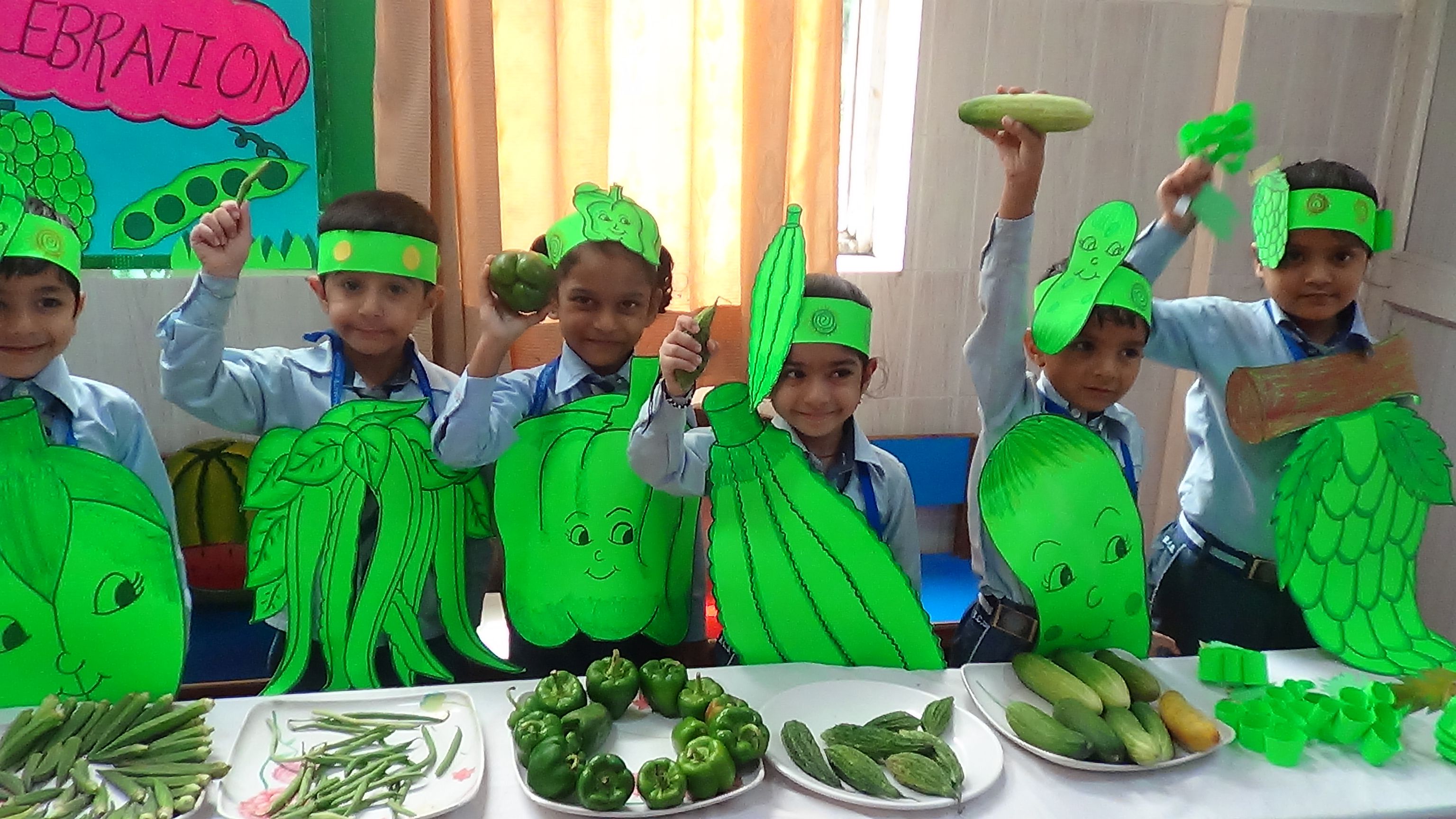
Green Day is most engaging when it revolves around a strong, relatable theme. Themes help teachers plan activities with a clear goal and give children a specific cause to understand. You can also explore to different activities for personality development for students. Each year, schools can pick a new theme to keep learning fresh and meaningful.
Here are some popular Green Day themes:
Save Trees: Students can create a “Tree of Life” wall with paper leaves. Each leaf can carry one eco-promise written by a student such as “I will not waste paper.”
Go Plastic Free: Organize an awareness drive where students display posters showing alternatives to plastic bags and bottles. Encourage them to use cloth bags in daily life.
Save Water: Teachers can conduct a water conservation experiment by showing how leaky taps waste liters of water every day.
Grow Your Food: Students can plant herbs like coriander, mint, or spinach in small pots and observe their growth week by week.
Save Energy: Turn off classroom lights for one hour to celebrate “Earth Hour” and talk about the importance of renewable energy.
Example:
A school can host a “Green Expo” where every classroom represents one theme. Parents and other classes visit each room to learn from creative displays, posters, and small skits.
By giving Green Day a theme, schools not only make it visually appealing but also ensure every child takes home a focused message about caring for the planet. It turns celebration into understanding and awareness into action.
How Teachers Can Plan a Perfect Green Day Celebration
Teachers play a key role in making Green Day both fun and educational. The event becomes memorable when it’s well-planned and inclusive. A structured celebration allows every student to participate and understand the deeper message of sustainability.
Step-by-Step Plan:
Set the Theme: Choose a topic such as “Go Green, Live Clean” or “Be Kind to Nature.” Keep it simple and relevant to students’ age groups.
Classroom Decoration: Decorate using eco-materials like paper cutouts, potted plants, and leaf art instead of plastic items.
Morning Assembly: Start the day with a short speech or a song on protecting nature. Invite students to share green pledges.
Interactive Activities: Plan games, drawing contests, or storytelling sessions where students express their eco-ideas.
Community Message: End the day with a group activity, such as planting a school garden or writing letters to parents about saving nature.
Example:
A teacher can assign students a “Green Journal” for a week. Each day, they record one eco-friendly action like switching off unused lights or carrying a water bottle. On Green Day, they present their journals to classmates.
Teachers should focus on balance such as making it fun while reinforcing environmental values. The goal is for students to walk away not only with smiles and memories but also a genuine desire to protect nature every day.
Give your child the tools to express themselves with confidence.
PlanetSpark’s activities build social, emotional, and leadership skills from a young age.
Book a free trial now and start their journey!
How Parents Can Encourage Green Living at Home
Parents are powerful role models when it comes to building eco-friendly habits in children. What kids learn at school must continue at home for lasting impact. Green Day is a great starting point, but the real lesson begins in daily life.
Here are a few ways parents can support green learning:
Practice What You Preach: Children notice habits. If parents carry reusable bags or separate waste, kids will naturally follow.
Start a Family Garden: Even a small balcony can host pots of herbs, flowers, or vegetables. Let children water and care for them daily.
Conserve Energy Together: Make it a family rule to switch off lights, fans, and gadgets when not in use.
Eco Shopping: Choose products with minimal packaging and explain to children why those choices matter.
Reduce Waste: Reuse jars, donate old toys, and teach the joy of sharing instead of buying new items frequently.
Example:
A family can hold a monthly “Green Challenge.” One month, it could be avoiding plastic bottles; another, walking or cycling to nearby places. Kids enjoy challenges, and they feel proud when their parents participate too.
When children see eco-responsibility practiced daily, they begin to associate sustainability with family values. The lessons of Green Day thus turn into lifelong habits that strengthen the bond between children, parents, and the planet.
Eco-Friendly Art and Craft Ideas for Kids
Art is one of the best ways for children to express their love for nature. Green Day crafts help kids explore creativity while learning the value of recycling and reusing. Teachers and parents can plan art sessions that use safe, eco-friendly materials.
Fun Craft Ideas:
Leaf Printing: Use real leaves dipped in paint to make prints on paper. Discuss different leaf shapes and textures.
Bottle Planters: Cut old plastic bottles, decorate them, and use them as planters for small herbs or succulents.
Paper Bag Making: Teach kids how to fold and glue paper to create strong reusable bags.
Egg Carton Flowers: Transform egg trays into colorful flowers using paint and imagination.
Newspaper Wall Art: Create collages using old newspapers to spread messages like “Go Green” or “Save Trees.”
Example:
A classroom can host an “Eco Art Exhibition” where each student displays one recycled creation. Parents can be invited to view the exhibits and encourage their children’s innovative efforts.
Art activities make learning visual and hands-on. Kids remember what they see and create, making it easier to internalize eco-friendly habits. Plus, these sessions improve focus, creativity, and problem-solving such skills that benefit them beyond the classroom.
By combining fun with sustainability, children learn that even waste can be turned into beauty when imagination and care are involved.
Green Day Quiz and Fun Games Ideas
Games and quizzes make Green Day exciting while reinforcing learning in a playful manner. Children love competition, and it’s a great way to test their knowledge of the environment without making it feel like a classroom exam.
Quiz Ideas:
What is the process by which plants make their food? (Answer: Photosynthesis)
Which planet is known as the Blue Planet? (Answer: Earth)
Name one renewable source of energy. (Answer: Solar or Wind)
What should you do with plastic bottles after use? (Answer: Recycle or reuse)
Fun Game Ideas:
Green Treasure Hunt: Hide eco items like seeds, paper bags, and reusable bottles around the classroom. Give kids clues to find them.
Recycle Relay: Teams race to correctly place waste items into labeled bins for paper, metal, and plastic.
Plant and Pass: Pass a small potted plant while music plays. When the music stops, the student holding it must share one eco tip.
Nature Bingo: Create bingo cards with pictures of trees, animals, and eco actions. Kids mark the ones they identify.
Example:
A teacher can organize an “Eco Quiz Show” modeled like a game show. Students can use buzzers or raise placards to answer. The excitement encourages participation while solidifying key environmental concepts.
Games make learning active and joyful. They teach teamwork, observation, and quick thinking and all while reinforcing the message of sustainability.
The Long-Term Impact of Celebrating Green Day
Green Day celebrations may last one day, but their influence extends far beyond. These activities shape attitudes, habits, and awareness that can last a lifetime. When a child learns to plant a tree or conserve water, that understanding grows with them into adulthood.
Long-Term Benefits:
Sustained Awareness: Children who participate in eco-activities early tend to remain environmentally conscious in later life.
Empathy for Nature: Handling plants, cleaning surroundings, and caring for living things fosters compassion and respect.
Leadership and Teamwork: Planning and executing Green Day projects helps students develop leadership and collaborative skills.
Confidence Building: Public speaking, presentations, and creative projects strengthen expression and self-belief.
Global Citizenship: Kids learn that caring for the planet connects them to people everywhere. It builds a sense of responsibility beyond borders.
Example:
A student who started planting saplings in school may grow up to volunteer for environmental causes or lead sustainability projects at work. The spark of Green Day can evolve into a lifelong commitment.
Ultimately, Green Day is not just about wearing green or decorating classrooms. It’s about planting seeds and both literal and emotional just that nurture a generation ready to protect and heal the Earth. Each activity, no matter how small, contributes to a greener, kinder future for all.
Green Day Activities for Preschoolers
Preschoolers are naturally curious and love exploring colors, textures, and sounds. Green Day is a perfect opportunity to use this curiosity to teach them about plants, trees, and nature. At this age, learning happens best when it feels like play. So, the focus should be on simple, visual, and fun activities that hold their attention.
Teachers can begin the day with a “Green Dress Parade” where every child wears something green. The classroom instantly turns into a cheerful garden of young nature lovers. You can then organize a “Show and Tell” activity where each child brings a green object from home, such as a cucumber, toy turtle, or leaf, and shares a few words about it. This not only teaches environmental awareness but also boosts speaking confidence.
Art and craft time can be filled with creativity. Children can make “Leaf Collages” using collected leaves or paint their palms green to create a “Handprint Tree” on paper. Teachers can narrate simple stories about trees and animals that live in forests, helping children understand why greenery is important.
Snack time can also turn educational. Serve healthy green foods such as grapes, spinach sandwiches, and cucumbers. This connects the idea of green with health and well-being. A small “Leaf Hunt” outside the classroom allows kids to explore shapes, patterns, and textures while learning about plants in their surroundings.
The key to preschool Green Day celebrations is keeping everything light, visual, and filled with discovery. When children associate green with fun, freshness, and care, they naturally develop love for the planet. These small moments of joy and play lay the foundation for environmental awareness that lasts a lifetime.
Transform learning into growth with PlanetSpark’s personality development program.
Hands-on activities and expert guidance help children become confident and expressive.
Book a free trial today to experience the difference!
Green Day Activities for Primary School Students
For primary school children, Green Day becomes a mix of fun and meaningful learning. Kids in this age group are capable of understanding how their small actions can make a big difference. Activities can now include a balance of creativity, practical lessons, and teamwork.
One great idea is to organize a “Plant a Sapling” drive. Each student can bring a small plant to school, label it with their name, and take care of it daily. Over time, this becomes a visual symbol of growth and responsibility. Teachers can even dedicate one corner of the classroom as a “Mini Garden” to display everyone’s plants.
Another engaging idea is an “Eco Art Workshop” where students make useful crafts from waste materials. For instance, they can create pen holders using old cans or design planters from bottles. It not only sparks creativity but also teaches the concept of reusing.
To make learning interactive, schools can host a “Poster Making Competition” with themes like “Save Water” or “Keep Our Earth Clean.” Encourage students to present their posters to the class, improving their confidence and speaking skills.
A “Recycling Relay Race” is another fun addition. Divide the students into groups and let them sort waste items like plastic, paper, and metal into correct bins. It becomes a playful way to understand segregation.
Teachers can also conduct “Green Talks” where children share eco-friendly habits they practice at home, like using cloth bags or turning off lights. These personal reflections make lessons practical and relatable.
By combining creativity with learning, primary school Green Day celebrations teach kids that protecting nature is fun, achievable, and rewarding.
Green Day Activities for Middle School Students
Middle school students are ready to go beyond basic learning and participate in more impactful Green Day activities. This stage is perfect for encouraging responsibility, leadership, and independent thinking. Activities can focus on real-world problems and community engagement to help students connect classroom lessons with daily life.
One powerful idea is to create an “Eco Pledge Wall.” Students can write down personal promises such as “I will reduce plastic use” or “I will plant one tree every month.” Displaying these in the school corridor inspires others to join in.
Organizing a “Community Clean-Up Drive” can be another excellent initiative. Students can clean a nearby park, playground, or school area under supervision. Such tasks teach civic sense and collective action.
To develop communication skills, teachers can conduct debates and group discussions on topics like “Technology versus Nature” or “Are We Doing Enough to Save the Planet?” This helps them think critically and speak confidently on environmental issues.
An “Upcycling Workshop” can be arranged where students transform waste materials into something useful, such as turning glass jars into lanterns or old jeans into bags. It shows them that creativity can lead to sustainability.
Another popular option is organizing a “Green Quiz.” Questions about pollution, global warming, and renewable energy can make learning exciting and competitive.
Schools can even form a “Go Green Club” where students lead monthly projects such as composting or tree mapping. These experiences help them learn teamwork, planning, and leadership while developing a genuine connection with nature.
By participating in these activities, middle schoolers gain more than knowledge. They develop empathy for the environment and realize their power to influence change at a community level.
Creative Classroom and Home Ideas
Green Day learning should not stop at school. The spirit of sustainability should extend to homes and daily life. Both teachers and parents play a vital role in helping children understand that caring for nature is not just a one-day event but a habit.
At School:
Nature-Themed Story Time: Teachers can read engaging books like The Giving Tree or The Lorax. These stories teach kindness toward trees and animals through emotional storytelling.
Green Collage Wall: Display children’s drawings, leaf prints, and eco slogans. This creates pride and excitement as students see their ideas showcased.
Green Parade: Organize a small march where kids dress as trees, recycling bins, or flowers. They can chant short eco-rhymes, creating enthusiasm across the school.
At Home:
DIY Terrarium: Parents and kids can create mini gardens in jars with soil, small plants, and pebbles. This helps kids learn about plant life cycles.
Family Planting Challenge: Each member of the family plants a tree and tracks its growth. It becomes a bonding and learning activity.
Waste Audit Day: Families can check the waste generated at home and plan how to reduce it by reusing or recycling.
Example:
A fun idea is to start a “No Plastic Sunday” where the family avoids disposable bags and bottles. This teaches children how easy it is to make small but effective lifestyle changes.
When classroom lessons continue at home, children realize that being eco-friendly is not a school rule but a life value.
How PlanetSpark Helps Kids Develop Holistically
Holistic Curriculum Beyond Academics
Children explore topics like communication, leadership, goal setting, self-awareness, and critical thinking. These lessons help them express ideas clearly and collaborate with peers.
Social-Emotional Learning (SEL) Based Design
Young learners develop emotional awareness and regulation. Activities teach patience, empathy, and teamwork in a fun, supportive environment.
Practical, Activity-Based Learning
Hands-on exercises include mock interviews, role plays, journaling, and real-life scenario simulations. Kids practice public speaking and decision-making in engaging ways.
Leadership & Self-Presentation Training
Children gain soft skills such as empathy, responsibility, assertiveness, and teamwork. Presentations and storytelling boost confidence and impact.
Confidence Meter & Parent Consultations
Teachers track growth in confidence, leadership, and communication. Regular PTMs help parents understand progress and support continued learning.
Etiquette and Body Language Sessions
Kids learn eye contact, posture, respectful communication, and tone modulation. These lessons enhance self-presentation and interpersonal skills.
Conclusion
Green Day activities provide children with fun and meaningful ways to connect with nature. They teach responsibility, creativity, and teamwork from a young age. Hands-on experiences like planting seeds, crafting, and eco-games make learning interactive. Kids develop awareness about the environment while enjoying the process. Integrating these activities at home or school strengthens curiosity and observational skills. With consistent practice, children carry eco-friendly habits into daily life. Celebrating Green Day helps foster a generation that values nature, sustainability, and conscious living.
Frequently Asked Questions
Green Day activities teach children about nature, sustainability, and eco-friendly habits through fun, hands-on learning. They help kids develop curiosity and a sense of responsibility toward the environment.
Activities like scavenger hunts, recycling relay races, and group projects encourage collaboration and teamwork. These exercises also enhance communication and problem-solving skills among children.
Yes, many activities like planting seeds, leaf printing, or cooking green snacks can be done with simple home supplies. Parents can join in to make it a family learning experience.
Recycled paper, cardboard, plastic bottles, glue, scissors, and green paints are enough to create creative eco-friendly crafts. Simple household items can also be repurposed for fun projects.
PlanetSpark combines holistic learning with activities that build confidence, leadership, and communication in children. Teachers guide kids through hands-on exercises while fostering emotional and social development.
Yes, regular progress tracking and parent-teacher consultations help monitor confidence, leadership, and social skills. This ensures personalized guidance for each child’s continuous improvement.
While Green Day is celebrated annually, short eco-friendly activities can be repeated weekly or monthly for consistent learning. Regular practice reinforces habits and keeps kids engaged with nature.