
Healthy Lifestyle Habits for Students: Importance, Ways
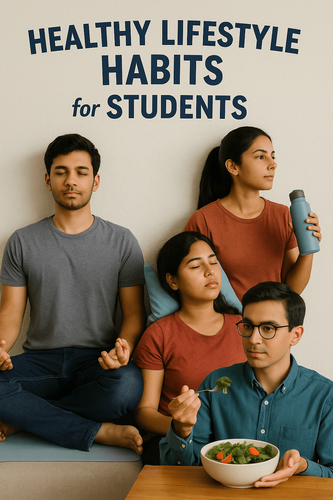

Table of Contents
- Why a Healthy Lifestyle Matters for Students Today
- Building a Strong Foundation with Balanced Nutrition
- Role of Physical Activity in Academic and Personal Developme
- Sleep: The Most Underrated Habit for Student Success
- Time Management Habits That Improve Productivity
- Protecting Mental Health Through Mindfulness and Self-Awaren
- Managing Screen Time and Digital Distractions
- Hydration and Its Impact on Cognitive Performance
- Developing Strong and Consistent Study Habits
- Social Well-Being and the Power of Healthy Relationships
- Hygiene and Self-Care as Essential Lifestyle Practices
- Designing a Balanced Daily Routine That Actually Works
- Overcoming Common Lifestyle Challenges Faced by Students
- Long-Term Benefits of Adopting Healthy Lifestyle Habits
- How Does PlanetSpark Help in Adapting a Healthy Lifestyle?
- Conclusion
Healthy habits for students shape their academic performance, physical well-being, confidence, and emotional balance. With rising screen exposure and academic pressure, developing a well-rounded lifestyle becomes essential. When students practise small, consistent habits, nutritious eating, mindful routines, proper sleep, and physical activity, they perform better, stay happier, and build a strong foundation for long-term success.
Why a Healthy Lifestyle Matters for Students Today
A healthy lifestyle supports every part of a student’s day, from focus in class to confidence in social situations. When children follow small but steady habits, they feel more energised, motivated, and emotionally stable. A balanced lifestyle reduces stress, improves thinking, and helps students develop discipline that lasts well into adulthood.
Better Focus and Mental Clarity Throughout the Day
Students who follow a balanced daily routine experience improved concentration, sharper memory, and faster learning. Healthy habits such as eating breakfast, limiting screen time, and staying hydrated help the brain stay active and alert, making lessons easier to absorb.
Emotional Balance and Reduced Stress
A structured lifestyle supports emotional well-being. When students get proper rest, eat nutritious meals, and incorporate movement into their routine, they feel calmer and more confident. This reduces anxiety during exams, presentations, and social interactions.
Stronger Academic and Social Performance
Healthy daily habits allow students to participate more actively in school activities. Whether it is group projects, sports, or classroom discussions, students who maintain a balanced lifestyle tend to be more enthusiastic and engaged, improving both academic scores and peer relationships.
A healthy lifestyle prepares students for demanding routines, boosts their learning potential, and creates a positive mindset that supports long-term success.
Building a Strong Foundation with Balanced Nutrition
Healthy eating habits for students play a key role in maintaining energy, boosting immunity, and improving focus during school hours. Nutritious meals allow students to think clearly and stay alert throughout the day.
Essentials of a Student-Friendly Diet
- Include proteins like eggs, lentils, or yoghurt for sustained energy
- Add colourful fruits and vegetables to enhance immunity
- Choose whole grains such as brown rice or whole-wheat bread
- Avoid processed snacks and sugary drinks
Example: A student who chooses fruit and nuts during breaks stays focused longer than one who eats chips or chocolates
Role of Physical Activity in Academic and Personal Development
Physical activity is not just about fitness, it influences memory, learning, confidence, and classroom performance. Movement keeps the brain active, improves mood, and reduces stress, making it one of the most important student wellness tips.
Physical Activity Enhances Cognitive Performance
Exercise increases blood flow to the brain, improving concentration and mental sharpness. Students who engage in 20–30 minutes of daily movement learn faster and retain information longer.
Builds Confidence and Social Interaction
Sports and group activities help students communicate better, make new friends, and develop leadership skills. They learn teamwork, perseverance, and decision-making, qualities essential for life.
Supports Emotional Stability
Regular physical activity reduces stress hormones and boosts endorphins, helping students feel relaxed and emotionally balanced. Even a short walk after school can refresh the mind before studying again.
Physical activity supports healthy habits for students by improving academic performance, emotional strength, and physical growth.
Sleep: The Most Underrated Habit for Student Success
Sleep directly affects focus, memory, mood, and motivation. Students who follow a consistent sleep schedule feel more energetic, positive, and ready for learning
- Maintain a fixed sleep and wake-up time
- Avoid screens at least one hour before bed
- Keep the bedroom dim, quiet, and cool
- Eat light meals in the evening
Example: A student who sleeps 8–9 hours performs better in morning tests than one who studies late into the night
Give your child the confidence to speak, learn, and grow. Book a free PlanetSpark demo class today.
Time Management Habits That Improve Productivity
Effective time management prevents stress and helps students balance studies, hobbies, rest, and social time. A well-planned daily routine for students improves consistency and boosts self-confidence.
Clear Planning Helps Reduce Overwhelm
Planning the day in advance helps students prioritise tasks, organise assignments, and meet deadlines without pressure. This reduces last-minute stress and improves productivity.
Break Tasks Into Smaller, Achievable Steps
Completing small tasks encourages momentum. For example, studying one chapter per day is less overwhelming than revising an entire subject before exams.
Encourages a Balanced Lifestyle
Students who plan their time can fit in exercise, hobbies, and rest, creating a well-rounded day that supports mental and physical health.
Time management helps children stay organised, reduces confusion, and encourages disciplined learning habits.
Protecting Mental Health Through Mindfulness and Self-Awareness
Mental health is a key part of student wellness tips. Mindfulness helps children become more aware of their thoughts and feelings, allowing them to respond calmly during stressful moments.
- Practise slow breathing exercises
- Maintain a gratitude or reflection journal
- Take short mindful breaks during study time
- Participate in calming activities like drawing or listening to soft music
Managing Screen Time and Digital Distractions
Digital tools are helpful, but excessive screen time impacts sleep, posture, and focus. Students who manage their digital habits study better and stay healthier.
Reducing Screens Improves Concentration
Limiting screen exposure helps students stay present during lessons and reduces distractions during study hours. Turning off notifications makes homework more efficient.
Supports Better Sleep and Eye Health
Less screen time, especially at night, improves sleep quality and reduces headaches and eye strain. This allows students to wake up refreshed and ready for school.
Helps Build Strong Offline Hobbies
When children spend less time on screens, they explore reading, sports, art, or outdoor play, activities that nurture creativity and confidence.
Managing screen time encourages healthier, more productive routines throughout the week.
Hydration and Its Impact on Cognitive Performance
Water is essential for concentration, memory, and overall well-being. Even mild dehydration can make students feel tired or irritable.
- Carry a water bottle and refill it often
- Drink water before, during, and after school
- Include hydrating foods like watermelon or cucumbers
- Avoid sugary drinks as they cause energy crashes
- Example: Students who stay hydrated report fewer headaches and improved attention in class
Developing Strong and Consistent Study Habits
Strong study habits help students learn faster and retain information better. When studying becomes part of a consistent daily routine, learning feels less stressful and more enjoyable.
A Clean Study Space Improves Focus
Clutter-free spaces minimise distractions and help students feel motivated. An organised desk supports better concentration.
Active Learning Deepens Understanding
Students who create mind maps, summaries, or flashcards engage more deeply with lessons. Teaching a concept aloud also strengthens memory.
Consistency Creates Confidence
Studying a little each day builds mastery and reduces exam anxiety. A steady routine improves both performance and self-belief.
Strong study habits make learning systematic, enjoyable, and highly effective.
Social Well-Being and the Power of Healthy Relationships
Positive friendships build resilience and emotional strength. Healthy relationships help children navigate challenges, communicate openly, and feel supported.
How Healthy Friendships Help Students
- Reduce feelings of loneliness and stress
- Improve communication and teamwork skills
- Encourage participation in group activities
- Build empathy and interpersonal maturity
Example: Students who join clubs or sports teams often develop stronger social confidence
Unlock powerful communication skills with fun, interactive lessons. Join a PlanetSpark demo class now.
Hygiene and Self-Care as Essential Lifestyle Practices
Hygiene practices protect students from illness and help them feel confident in school. Simple routines like bathing, brushing, and keeping belongings clean support overall health.
Hygiene Boosts Physical Health
Regular hand washing, clean clothes, and proper grooming reduce infections and absences from school.
Builds Self-Esteem and Confidence
Students feel more comfortable participating when they look and feel clean. This improves their social interactions.
Teaches Responsibility and Routine
Maintaining cleanliness builds discipline and forms positive lifelong habits.
Self-care helps students stay healthy, active, and confident throughout the school year.
Designing a Balanced Daily Routine That Actually Works
A balanced daily routine for students ensures enough time for studies, hobbies, rest, and physical activity. It decreases stress and increases productivity.
- Wake up and sleep at consistent times
- Plan study hours with breaks
- Add exercise and creative time
- Limit screen exposure at night
Overcoming Common Lifestyle Challenges Faced by Students
Managing Academic Pressure
Breaking tasks into smaller, manageable steps helps students stay organised and reduces the fear of large workloads. Instead of cramming or feeling overwhelmed, they can approach assignments with clarity and calmness. This method also builds confidence as students see steady progress with each completed step.
Example: A student preparing for a science test studies one chapter per day instead of revising the entire syllabus the night before, resulting in better understanding and lower stress.
Staying Motivated During Tough Times
Motivation naturally rises and falls, especially during long academic terms. Setting small, achievable goals gives students direction, while rewarding themselves for progress keeps their spirits high. These goals help students stay focused, develop discipline, and build a sense of accomplishment that fuels further effort.
Example: A student who rewards themselves with 10 minutes of drawing after completing a 40-minute study session stays motivated and consistent.
Handling Peer Influence Wisely
Peer pressure can make students doubt their choices or adopt unhealthy behaviours. Teaching them to build healthy friendships and communicate openly encourages independence and self-respect. When students learn to choose friends who uplift them, they feel more secure and confident in making positive decisions.
Example: A student declines skipping homework with friends and instead invites them to a group study session, turning peer pressure into a productive activity.
Ready to boost your child’s English and public speaking skills? Reserve a PlanetSpark demo class for free.
Long-Term Benefits of Adopting Healthy Lifestyle Habits
Healthy lifestyle habits shape future success. Students who practise wellness routines develop discipline, mental strength, and better academic performance.
- Consistent focus and improved academic scores
- Strong emotional resilience
- Better physical fitness and immunity
- Improved decision-making and independence
Example: Students who follow healthy routines grow into organised, confident adults
How Does PlanetSpark Help in Adapting a Healthy Lifestyle?
PlanetSpark helps students understand hypothetical situations in grammar through personalised teaching, structured lessons, interactive exercises, and smart learning tools. The platform simplifies abstract concepts like second conditional, third conditional, and mixed conditionals by using clear explanations, examples, and guided practice.
- Trained mentors break down every hypothetical grammar rule in simple language. They give customised examples, explain the difference between real and unreal conditions, and help students identify when to use structures like If I were, If I had, or I would have. With individual attention, every learner progresses comfortably at their own pace.
- Lessons follow a structured, step-by-step method: definition, identification, explanation, and practice. This removes confusion and helps students recognise hypothetical situations in any sentence, story, or real-life conversation.
- Students practise through worksheets, speaking activities, and writing tasks where they create and analyse hypothetical sentences. Interactive tools such as quizzes, scenario-based exercises, and storytelling tasks make learning engaging and memorable.
- With consistent practice and expert guidance, students gain the confidence to use hypothetical sentences naturally. This strengthens communication skills, improves academic writing, and helps them express ideas more clearly and creatively.
Conclusion
A healthy lifestyle helps students think clearly, stay active, and manage daily challenges with confidence. Simple habits like balanced nutrition, regular exercise, proper sleep, and mindful routines create long-term academic and personal growth. When students develop these skills early, they become more focused, resilient, and self-driven learners.
To help your child build strong communication and life skills, join PlanetSpark’s interactive learning program. Book a free PlanetSpark demo class today and empower your child’s journey toward confident learning.
Frequently Asked Questions
Healthy lifestyle habits help students stay focused, active, and emotionally balanced. Good routines improve concentration, memory, and confidence, supporting both academic performance and overall well-being.
A basic routine includes waking up at a fixed time, eating a healthy breakfast, studying in short focused sessions, taking breaks, staying active, and sleeping early. Small steps create big changes over time.
Nutritious meals provide steady energy, improve attention span, and support brain development. Students who eat balanced meals perform better in class and feel more alert throughout the day.
Most students need 8–9 hours of sleep each night. Proper rest helps improve memory, mood, and overall academic performance while reducing stress and fatigue.
Setting small goals, tracking progress, and celebrating improvements help maintain motivation. Students can also build routines with friends or family for support and accountability.