
Help Your Child Develop Social Skills and Healthy Socialization

Table of Contents
- Socialization: Key Social Skills Every Child Should Learn
- Understanding Socialization and Gender
- Emotional Intelligence and Social Skills
- Role of Play in Social Development
- Signs Your Child Needs Support in Socialization
- How Parents Can Support Social Skill Development
- Success Story: Muskaan
- Role of Schools and Extracurricular Activities
- Technology, Social Media, and Socialization
- Overcoming Common Challenges in Socialization
- Tips for Encouraging Long-Term Social Growth
- How PlanetSpark Helps Children Develop Social Skills
- Conclusion
Socialization meaning refers to the process through which children learn to interact with others, understand social norms, and develop essential life skills. From a young age, children observe, imitate, and practice behaviors that help them communicate, cooperate, and build relationships. Socialization is not just about making friends, it also shapes a child’s confidence, emotional intelligence, and ability to navigate different situations.
Socialization also plays a key role in learning values, cultural norms, and understanding differences among peers, including aspects related to socialization and gender. In this blog, we will explore how parents and educators can help children develop healthy social skills, recognize signs when support is needed, and use practical strategies to guide them.
Socialization: Key Social Skills Every Child Should Learn
Socialization is the process through which children learn to interact with others and develop essential life skills. Developing strong social skills early helps children communicate effectively, build relationships, and navigate different social situations with confidence.
Some of the key social skills every child should learn include:
Communication and active listening: Children should express their thoughts clearly and listen to others attentively. This helps them understand feelings, follow instructions, and respond appropriately in conversations.
Sharing, taking turns, and teamwork: Learning patience, cooperation, and working together teaches children how to contribute to group goals and resolve conflicts constructively.
Empathy: understanding others’ feelings: Empathy allows children to respond compassionately and build deeper connections with peers.
Problem-solving and conflict resolution: Children who can find solutions to disputes independently or with guidance develop confidence and independence.
Building friendships and cooperating in group settings: Friendships provide practical opportunities to practice all these skills in real-life situations.
Mastering these social skills prepares children for school, extracurricular activities, and future professional interactions, making socialization an essential part of healthy development.
Understanding Socialization and Gender
An important aspect of socialization is how socialization and gender influence behavior and interactions. From a young age, children notice cultural messages about how boys and girls are expected to behave. For example, girls may be encouraged to be nurturing, while boys may be praised for assertiveness. These messages can create stereotypes that affect social learning.

Parents and educators can support children by encouraging activities that are not bound by gender stereotypes, such as collaborative games, problem-solving tasks, or leadership roles. Teaching children to express themselves freely regardless of gender helps them develop a wide range of social skills.
Key points:
Gender expectations can influence how children interact and behave
Encouraging non-stereotypical play and activities broadens social experience
Children who experience inclusive socialization become more confident and empathetic
Emotional Intelligence and Social Skills
Emotional intelligence plays a crucial role in socialization. Children who recognize their own emotions and understand the feelings of others are better equipped to interact effectively.
Paragraph:
Teaching children self-awareness and self-regulation helps them manage emotions in challenging situations. For instance, a child who pauses before reacting in a disagreement can handle the situation calmly and constructively. Developing empathy and perspective-taking allows children to respond thoughtfully and form meaningful relationships.
Key points:
Recognizing emotions improves social interactions
Self-regulation helps manage conflicts and frustrations
Perspective-taking and empathy build strong, lasting relationships
Children with high emotional intelligence often perform better in teamwork, communication, and conflict resolution, both in school and in life.
Role of Play in Social Development
Play is a natural and effective way to support socialization in children. Both free play and structured play help develop cooperation, sharing, and communication skills.
Paragraph:
Free play allows children to explore creativity and interact naturally with peers, while structured play introduces rules and collaboration. Games and pretend play teach children how to negotiate, solve problems, and practice empathy in realistic scenarios.
Key points:
Free play encourages imagination and natural interaction
Structured play and games promote cooperation and teamwork
Pretend play enhances communication, problem-solving, and empathy
Through play, children learn critical social skills that prepare them for group activities, friendships, and social challenges in school.
Signs Your Child Needs Support in Socialization
It’s important for parents to recognize when a child may need help developing social skills. Early intervention can prevent long-term difficulties.
Signs include:
Difficulty making friends or participating in group activities
Shyness or withdrawal in social situations
Frequent conflicts or misunderstandings with peers
Trouble expressing emotions appropriately
By observing these signs, parents and educators can provide guidance and opportunities for children to practice social skills in safe, supportive environments.
Help your child develop strong social skills with PlanetSpark’s interactive programs—enroll now!
How Parents Can Support Social Skill Development
Parents play a crucial role in helping children develop strong social skills. Children learn a lot by observing adults, so modeling positive social behavior at home is the first step. Showing kindness, active listening, and respectful communication helps children understand how to behave in social situations.
Parents can also encourage playdates, group activities, and collaborative games. These interactions give children real-life opportunities to practice sharing, teamwork, and problem-solving. By participating in these activities with guidance, children gain confidence and learn to navigate social dynamics effectively.
Other effective strategies include:
Teaching polite communication, empathy, and active listening
Using storytelling or roleplay to demonstrate social scenarios
Guiding children through problem-solving during minor conflicts
Reinforcing positive social behavior with praise and support
By consistently supporting social skill development at home, parents ensure that children are better prepared for school, friendships, and later professional interactions.
Success Story: Muskaan
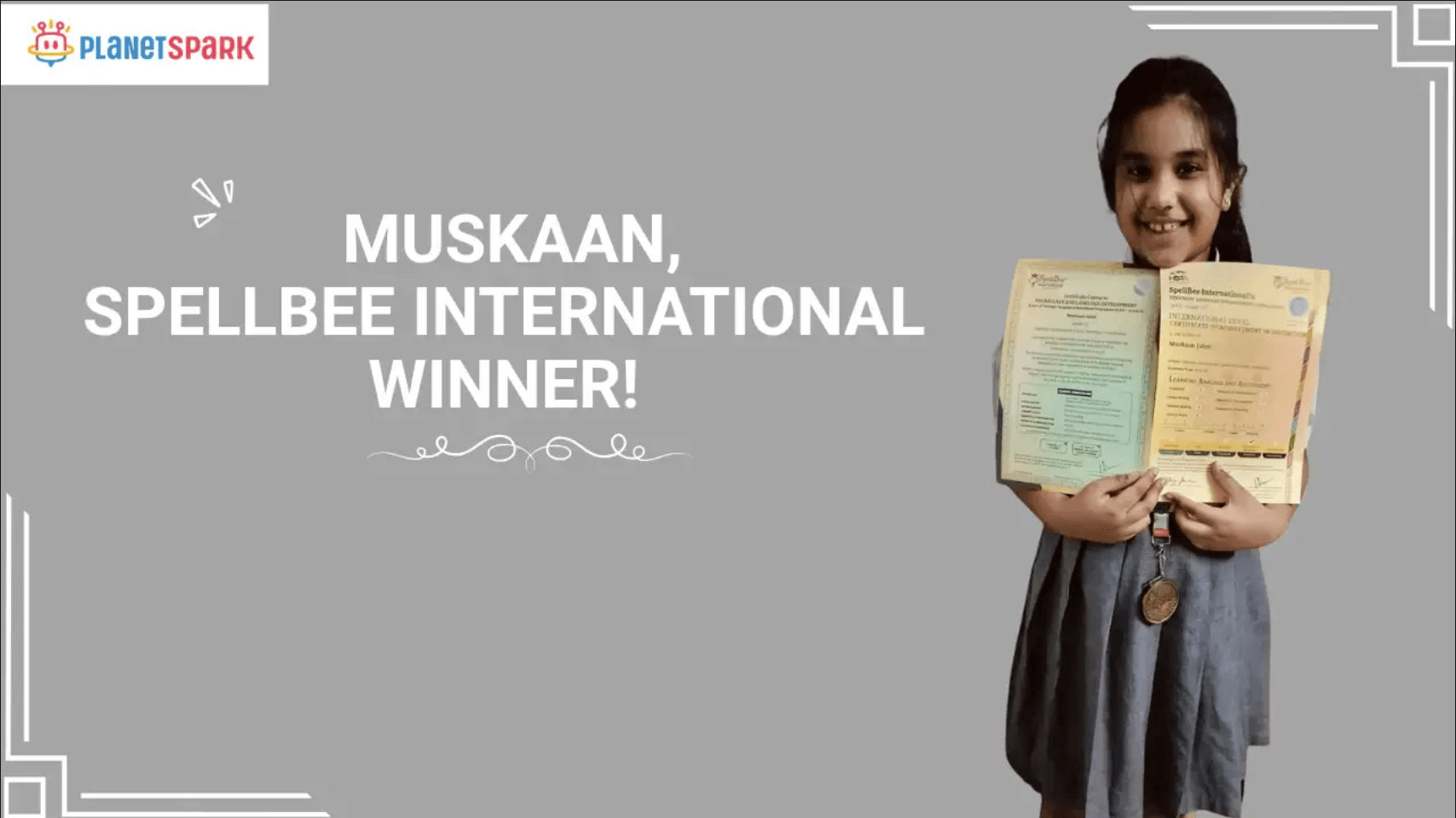
We are incredibly proud of Muskaan, a talented learner from PlanetSpark, who recently showcased her spelling brilliance at the SpellBee International Programme! Her dedication, hard work, and love for learning helped her achieve this remarkable milestone.
Muskaan’s journey with PlanetSpark has been full of interactive learning sessions, personalized guidance, and practice exercises, which helped her master spelling and boost her confidence. Her achievement is a testament to how consistent effort and the right support can help children excel beyond the classroom.
At PlanetSpark, we celebrate every small and big win of our learners. Muskaan’s success inspires other children to believe in themselves, practice regularly, and reach for their goals, no matter how big they seem
Role of Schools and Extracurricular Activities
Schools and extracurricular activities provide an important environment for children to practice socialization. Being in a group setting allows children to interact with peers, teachers, and mentors, which strengthens communication, empathy, and teamwork skills.
Benefits of school and extracurricular activities include:
Participation in group activities, clubs, and team sports develops cooperation and problem-solving skills
Teacher guidance and peer interactions provide structured learning opportunities for social behavior
Structured activities build confidence, leadership skills, and social competence in real-world situations
Extracurricular programs like music, drama, sports, or debate clubs allow children to explore interests while practicing collaboration, negotiation, and conflict resolution. Schools also help children navigate socialization and gender norms by encouraging inclusive behavior and diverse interactions, supporting well-rounded social development.
Technology, Social Media, and Socialization
In today’s digital age, children also interact online, making it important to balance technology, social media, and socialization. While digital platforms offer opportunities to connect, excessive screen time or unmonitored interactions can affect social skills.
Guidelines for healthy digital socialization:
Understand how digital interactions affect communication and empathy
Set boundaries for screen time and encourage face-to-face social activities
Teach children safe and responsible online communication
Encourage activities that require collaboration and teamwork, both online and offline
By combining real-world social experiences with guided online interaction, parents and educators can ensure children develop strong social skills while navigating the digital world safely and confidently.
Overcoming Common Challenges in Socialization
While children learn social skills naturally, they may face challenges that require guidance. Peer pressure and bullying can affect a child’s confidence and willingness to interact with others. Parents and educators should create a safe environment where children feel comfortable expressing themselves and seeking help when needed. Teaching children how to assert themselves politely and stand up for their values is crucial in overcoming these challenges.
Helping introverted children develop confidence is another common hurdle. Introverted children may feel shy or overwhelmed in group settings, making socialization difficult. Encouraging gradual exposure to social situations, providing opportunities for smaller group interactions, and celebrating small achievements can help them become more comfortable and confident over time.
Book a free demo class today and watch your child build confidence, teamwork, and empathy!
Managing conflicts and misunderstandings constructively is an essential skill for all children. Teaching children to listen, understand different perspectives, and find solutions without anger or aggression helps them navigate friendships and school life successfully. Roleplay, storytelling, and guided discussions can provide children with safe ways to practice resolving conflicts.
Key points:
Address peer pressure and bullying in supportive ways
Encourage introverted children with gradual exposure and praise
Teach constructive conflict resolution and empathy
Tips for Encouraging Long-Term Social Growth
Social skills develop over time with consistent guidance and practice. Consistency in practicing social skills ensures that children internalize positive behaviors and apply them naturally in different situations. Parents and educators can provide repeated opportunities for children to practice skills like sharing, cooperating, and problem-solving.
Celebrating small social achievements helps children stay motivated. Recognizing progress, whether it’s making a new friend or speaking up in class, reinforces positive behavior and builds confidence.
Encouraging diverse social experiences is also important. Exposure to different age groups, cultural backgrounds, and environments helps children develop empathy, flexibility, and a broader understanding of social norms. Activities like team sports, group projects, cultural events, and volunteering can enhance long-term social growth.
Key points:
Practice social skills consistently
Celebrate every social achievement, big or small
Encourage exposure to diverse social experiences
How PlanetSpark Helps Children Develop Social Skills
At PlanetSpark, we understand that social skills are just as important as academic knowledge. Our programs are designed to help children understand socialization, build healthy relationships, and develop essential life skills from an early age.
How PlanetSpark supports social growth:
Guided learning: Our expert educators guide children step-by-step in social skill development.
Safe, interactive environment: Children can practice expressing themselves confidently in a supportive space.
Real-life application: Activities mirror everyday social situations, helping children handle friendships, conflicts, and group interactions effectively.
Individual attention: Personalized feedback helps children improve at their own pace, building confidence gradually.
By combining structured guidance with interactive, fun learning, PlanetSpark ensures children not only learn social skills but also enjoy the process. This foundation prepares them to navigate school life, extracurricular activities, and future relationships with confidence and empathy.
Conclusion
Developing social skills is a vital part of a child’s growth, and socialization plays a key role in shaping confidence, empathy, and interpersonal abilities. Children who learn to communicate, cooperate, and navigate social challenges early on are better prepared for academic, personal, and professional success.
.Creating supportive environments at home, school, and in extracurricular activities ensures that children have ample opportunities to practice and reinforce their social skills. By addressing challenges, providing consistent guidance, and encouraging diverse experiences, parents and educators can help children thrive socially.
Frequently Asked Questions
Socialization is the process through which children learn to interact with others, understand social norms, and develop essential life skills such as communication, cooperation, and empathy.
Parents can model positive social behavior, encourage playdates and group activities, use roleplay to practice social scenarios, and provide consistent guidance and praise for positive social interactions.
Cultural messages about gender can influence behavior and interactions. Encouraging children to express themselves freely and participate in non-stereotypical activities ensures balanced social skill development.
Signs include difficulty making friends, withdrawal in group activities, frequent misunderstandings or conflicts, and trouble expressing emotions appropriately.
PlanetSpark offers interactive, guided sessions that teach children communication, teamwork, empathy, and problem-solving through real-life scenarios, roleplay, and personalized feedback.
Strong social skills help children build friendships, handle conflicts, communicate effectively, navigate school and extracurricular activities, and grow into confident, empathetic adults.