
How Does PlanetSpark Support Holistic Development in Education?
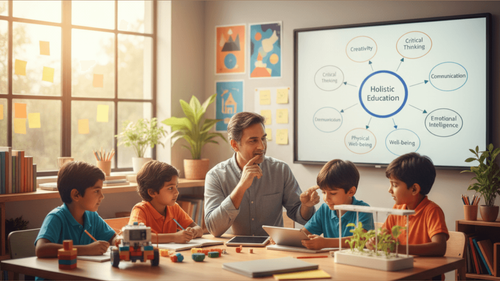

Table of Contents
- What is Holistic Development in Education
- Why Holistic Development Matters for Students
- What is Necessary for Holistic Development of Personality?
- Holistic Development Examples in Real Learning Environments
- Practical Tips for Holistic Development in Children and Stud
- From Stage Fear to First Prize in Poetry Recitation
- Why PlanetSpark Leads Holistic Personality Development
- Conclusion
Holistic development in education focuses on the complete growth of a child. It does not limit learning to books or marks. It helps students grow mentally, emotionally, socially, and creatively. When schools and learning platforms support holistic development in education, students gain skills for life, not just exams.
Parents today want more than academic success. They want confident speakers. They want emotionally aware children. They want problem solvers. This need makes holistic learning more important than ever.
This blog explains the idea, its importance, real examples, and how PlanetSpark supports this learning approach.
What is Holistic Development in Education
Many parents ask about holistic development meaning in simple words. Holistic development means the overall growth of a child. It includes the mind, body, emotions, values, and social skills.
Education should shape how students think, speak, feel, and act. Books alone cannot do this. Activities, communication, creativity, and reflection help achieve this goal.
When people ask what is holistic development, the answer stays simple. It means learning that supports the whole child, not one skill.
Holistic development in education goes beyond academics. Holistic development in education does not reject academics. It builds on them. A child learns math and science. At the same time, the child learns teamwork, empathy, confidence, and expression.
Traditional learning focuses on exams. Holistic learning focuses on life skills. Students grow into capable adults through this approach.
Why Holistic Development Matters for Students
Builds confidence and self-awareness
Students face many challenges today. Social pressure. Screen addiction. Fear of failure. Holistic learning builds self-belief. It helps students understand emotions and strengths.
This approach supports holistic development of students at every level. Students speak better. They think clearly. They manage stress well.
Supports emotional and social growth
Emotional learning plays a big role in education. Students must express feelings clearly. They must listen with care. Holistic education encourages these skills daily.
Group activities, debates, storytelling, and role play support emotional balance. Children learn respect and empathy through action.
Prepares students for real life
Exams test memory. Life tests decisions. Holistic education trains students for real-world situations. Students learn problem solving and leadership.
These skills support success in careers and relationships. Schools must support learning that prepares students fully.
What is Necessary for Holistic Development of Personality?
Holistic development in childhood builds strong foundations. Holistic development in childhood shapes future behavior and mindset. Early years matter the most. Children learn habits, confidence, and communication during this stage.
When learning supports curiosity and creativity, children enjoy growth. Pressure-free learning helps children explore ideas.
Mental and cognitive growth
Mental growth includes thinking skills. It includes reasoning, logic, and memory. Storytelling, puzzles, and discussions support this growth.
Children ask questions. Teachers must encourage curiosity. Learning must feel engaging.
Emotional development
Children feel many emotions. Joy. Fear. Anger. Excitement. Education must help children understand these emotions.
Emotional literacy helps children manage reactions. It improves focus and relationships.
Social and communication skills
Communication builds connection. Children must express ideas clearly. They must listen actively.
Platforms that support speaking and writing skills help children grow socially. Peer interaction improves confidence.
Creative and moral development
Creativity allows self-expression. Art, drama, and storytelling support this skill. Moral values guide behavior.
Education must encourage honesty, respect, and responsibility.
Holistic Development Examples in Real Learning Environments
Learning through projects and activities
Real learning happens through action. Group projects teach teamwork. Presentations build confidence.
These holistic development examples show learning beyond textbooks.
Communication-based learning
Public speaking improves clarity and courage. Writing improves structure and thought flow. Debate improves logic.
Such activities show how skills connect with academics.
Feedback and reflection
Students grow when they reflect. Teachers guide improvement through feedback. Students learn accountability.
This approach improves learning quality.
Practical Tips for Holistic Development in Children and Students
Holistic development helps children grow in all areas of life. It supports thinking skills, emotions, communication, creativity, values, and confidence. Education should not focus only on marks. It should prepare children for real life.
Parents and educators can support holistic development through daily habits. Small actions create strong impact. This blog shares clear tips with real examples that you can apply easily.
1. Encourage Open Communication
Open communication helps children express thoughts and emotions clearly. Children must feel safe while speaking.
Example:
At dinner, ask your child to share one good moment and one difficult moment from the day. Listen carefully and respond calmly.
This habit builds trust and confidence.
2. Balance Academics with Life Skills
Books teach knowledge. Life skills teach survival. Children need both.
Teach children how to manage time, solve problems, and take responsibility.
Example:
Let your child plan a simple weekly study schedule. Allow them to decide study time and break time.
This practice builds independence and decision-making skills.
3. Support Emotional Development
Children experience many emotions but often struggle to explain them. Emotional understanding helps children stay calm and focused.
Example:
When your child feels upset, ask them to name the emotion and explain the reason instead of reacting with anger.
This approach improves emotional control and awareness.
4. Promote Physical Activity
Physical movement supports mental strength. Active children focus better and feel happier.
Encourage regular movement and reduce screen time.
Example:
Ask your child to play outside for 30 minutes daily instead of using a phone or tablet.
This habit improves health and energy levels.
5. Encourage Creativity Every Day
Creativity supports imagination and problem-solving. Children need freedom to express ideas.
Creative activities reduce stress and build confidence.
Example:
Ask your child to draw a picture or write a short story based on their favorite memory from the week.
This activity improves expression and emotional release.
6. Build Reading and Speaking Habits
Reading strengthens thinking skills. Speaking strengthens confidence.
Daily reading and discussion help children express ideas clearly.
Example:
After reading a short story, ask your child to explain the story aloud in their own words.
This habit improves clarity and communication skills.
7. Teach Values Through Actions
Children learn values by observing adults. Actions teach more than lectures.
Show honesty, respect, and responsibility in daily life.
Example:
Admit a small mistake at home and explain how you plan to fix it.
This example teaches accountability and honesty.
8. Allow Independent Thinking
Children grow when they think on their own. Guidance matters, but control limits growth.
Encourage exploration and reasoning.
Example:
Let your child decide how to complete a school project instead of giving step-by-step instructions.
This freedom builds confidence and problem-solving skills.
9. Create a Supportive Learning Environment
Children perform better in positive environments. Fear blocks growth. Support builds motivation.
Celebrate effort and progress.
Example:
Praise your child for trying hard, even if the result is not perfect.
This encouragement boosts confidence and resilience.
10. Choose the Right Learning Platforms
Learning platforms should support complete growth. Academics alone do not prepare children for life.
Look for programs that focus on communication, creativity, and personality development.
Example:
Enroll your child in a learning program that builds speaking, writing, and confidence along with academic skills.
This choice supports long-term success.
Holistic development does not need complex systems. It needs consistency and care. Simple habits like listening, encouraging creativity, supporting emotions, and building communication skills shape strong individuals.
From Stage Fear to First Prize in Poetry Recitation

Nirvana Mehta shines as the First Prize Winner in the Intersection Poem Recitation category, showcasing remarkable confidence, expression, and voice control. Her journey reflects the power of strong communication and public speaking skills nurtured through consistent practice and guided learning at PlanetSpark.
Why PlanetSpark Leads Holistic Personality Development
PlanetSpark stands apart through its focus on real-life skills. The platform connects learning with expression.
Unique features of PlanetSpark
- Live sessions with trained educators
- Personality development through communication
- Age-appropriate curriculum
- Focus on confidence and clarity
- Structured feedback system
PlanetSpark does not teach skills in isolation. It connects speaking, writing, thinking, and personality.
This approach strengthens holistic development in education effectively.
Conclusion
Holistic development in education shapes confident and capable individuals. It supports emotional, mental, social, and creative growth. Students need more than academic scores today.
PlanetSpark supports this need through communication-based learning and personality development. It helps children grow into expressive, confident learners.
Education must evolve. Holistic learning leads the way.
Frequently Asked Questions
Yes. PlanetSpark creates a safe and encouraging learning environment. Small group sessions reduce pressure and build comfort. Teachers guide students patiently and appreciate effort. This support helps shy children speak with confidence.
PlanetSpark supports personality development through public speaking, creative writing, and guided practice. Students receive structured feedback that helps them improve steadily. Regular interaction builds confidence and clarity. This approach supports social and emotional growth.
PlanetSpark combines communication training with real-life topics and activities. Students practice speaking, thinking, and presenting regularly. This method improves expression and confidence. Consistent practice helps students grow naturally.
Holistic development improves self-awareness and emotional control. It helps students communicate clearly and interact confidently with others. These skills shape positive behavior and leadership qualities. Over time, students develop a strong and confident personality.
Holistic development helps students build confidence and emotional strength. It improves problem-solving and decision-making skills. Students learn how to handle stress and challenges calmly. This support helps them grow into balanced and capable individuals.
Holistic development in education focuses on the complete growth of students, not only academic results. It supports thinking skills, emotional balance, communication, creativity, and social awareness. This approach helps students understand themselves better. It also prepares them for real-life situations beyond exams.