
Ways on How To Create a Distraction-Free Study Space
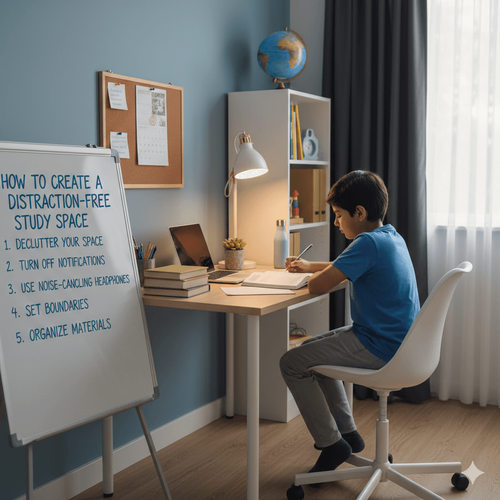

Table of Contents
- Understanding Why a Distraction-Free Study Space Matters
- Choose the Right Location for Your Child's Study Space
- Optimize Lighting for Better Focus and Eye Health
- Select Comfortable and Ergonomic Furniture
- Eliminate Digital Distractions and Manage Screen Time
- Keep the Study Space Clean and Organized
- Manage Noise Levels and Create Acoustic Comfort
- Personalize the Space to Increase Motivation
- Establish Clear Study Routines and Schedules
- Create Clear Boundaries and Study Rules
Creating a distraction-free study space is one of the most important steps parents can take to support their child's academic success. In today's digital world filled with smartphones, social media, and endless notifications, kids and school students face countless distractions that can significantly impact their ability to concentrate and learn effectively. Research shows that a well-organized, quiet study environment can improve a child's attention span, memory retention, and overall learning experience.
At PlanetSpark, we understand that effective communication and learning skills start with the right environment. Our live 1:1 online classes for public speaking and creative writing help kids build confidence and communication skills, but these skills flourish best when students have a dedicated, distraction-free study space at home.
A distraction-free study environment isn't just about having a quiet room, it's about creating a complete learning zone that promotes focus, reduces stress, and helps children develop strong study habits. Whether your child is preparing for exams, completing homework, or attending online classes, the right study space can make all the difference. This comprehensive guide will walk you through proven strategies for creating the perfect distraction-free study space for kids and school students, incorporating expert tips, practical solutions, and actionable steps that you can implement immediately.
Understanding Why a Distraction-Free Study Space Matters
Before diving into the how-to, it's essential to understand why creating a distraction-free study area is crucial for your child's learning journey. Environmental noise and cluttered surroundings negatively impact children's cognitive performance, memory, and reading comprehension. When students study in spaces filled with distractions, their brains struggle to enter deep focus mode, which is essential for understanding complex subjects and retaining information effectively.
A dedicated study space helps your child's brain associate that specific area with learning and concentration. This mental conditioning makes it easier for students to enter focus mode whenever they sit down to study, ultimately leading to more effective learning sessions and improved academic results. The benefits are far-reaching: enhanced focus and concentration levels, reduced stress and anxiety during study sessions, improved information retention and memory recall, development of positive study habits, increased productivity, and better academic performance overall.
Creating an ideal study space also teaches children valuable life skills like organization, time management, and self-discipline. These skills extend far beyond academic success and prepare students for future professional environments. When kids learn to control their environment and minimize distractions early on, they develop the self-regulation abilities that will serve them throughout their educational journey and career.

Choose the Right Location for Your Child's Study Space
Selecting the perfect location is the foundation of creating a distraction-free study environment. The right spot can significantly impact your child's ability to concentrate and learn effectively. Look for areas in your home that have minimal foot traffic and noise levels. A quiet corner of your child's bedroom, a dedicated home office, or even a well-organized section of the dining room can serve as an excellent study area for kids.
When choosing a study space location, consider several key factors. Select areas away from televisions, gaming consoles, and high-traffic zones where family members frequently pass through. The space should be quiet enough for concentration but not completely isolated—you want to be able to check in on younger children without being intrusive. Natural light sources are important for better mood and energy, so proximity to windows is ideal. Avoid studying in beds or comfortable lounging areas that signal relaxation to the brain, as these spaces make it difficult to maintain alertness and focus.
Key location considerations:
- Minimal noise and foot traffic
- Access to natural light
- Adequate space for desk and storage
- Away from entertainment areas
The ideal study room for students should be in a private area where family members and siblings understand not to disturb during designated study hours. If sharing a bedroom is necessary, create physical boundaries using bookcases, curtains, or room dividers to establish a separate learning zone within the shared space. This visual separation helps the brain distinguish between sleep, play, and study areas even within the same room.
Unlock Your Communication Potential with PlanetSpark.
Optimize Lighting for Better Focus and Eye Health
Proper lighting is crucial for creating a distraction-free study space that supports your child's eye health and concentration. Natural light is the best option for study areas as it improves mood, energy levels, and overall learning efficiency. Position your child's desk near a window to maximize natural light exposure during daytime study sessions. Studies have shown that students who study in naturally lit environments experience less eye strain, better mood regulation, and improved cognitive performance compared to those studying under artificial lighting alone.
When natural light isn't available or for evening study sessions, invest in quality artificial lighting. A good desk lamp with adjustable brightness positioned at chin level ensures the light source remains out of direct view while adequately illuminating study materials. The lamp should be placed behind and to the side of the writing hand to prevent shadows on books and notebooks. Use warm, soft white bulbs in the 3000-4000K range that don't strain the eyes, and avoid harsh fluorescent lighting that can cause headaches and fatigue.
Combine ambient room lighting with focused desk lighting for the best balance. Poor lighting can lead to eye strain, headaches, and reduced concentration, making it one of the most important factors in home study space organization. Keep screens at least 20 inches away from eyes to reduce digital eye strain, and encourage your child to follow the 20-20-20 rule: every 20 minutes, look at something 20 feet away for 20 seconds to give eyes a rest.
Select Comfortable and Ergonomic Furniture
Comfortable furniture is essential for creating a distraction-free study zone where kids can focus for extended periods. However, "comfortable" doesn't mean soft and cozy—it means ergonomically designed furniture that supports proper posture and prevents physical discomfort. An uncomfortable chair or poorly positioned desk can become a significant distraction, causing your child to fidget, shift positions constantly, or take frequent breaks that interrupt their learning flow.
The foundation of any student study space is a sturdy desk at the appropriate height and an ergonomic chair with proper back support. When your child sits down, their forearms should be parallel to the floor when typing or writing. Their feet should rest flat on the floor or on a footrest, with knees bent at roughly 90 degrees. The computer monitor should be at eye level, about an arm's length away, to prevent neck strain and maintain proper posture throughout study sessions.
Essential furniture elements:
- Adjustable desk and chair that grow with your child
- Adequate storage for books and supplies
- Proper monitor stands or laptop risers
- Footrest for smaller children
The desk should be large enough to accommodate a computer or laptop, notebooks, textbooks, and other study materials without feeling cramped. Invest in adjustable chairs and desks that can be modified as your child grows taller—these pieces of furniture will serve them throughout their school years and provide better value in the long run.
Unlock Your Communication Potential with PlanetSpark.
Eliminate Digital Distractions and Manage Screen Time
Digital distractions are perhaps the biggest challenge when creating a distraction-free study space for modern students. Smartphones, tablets, social media, gaming devices, and even educational technology can become major focus disruptors. Research indicates that students who frequently check their phones during study sessions experience a significant decrease in concentration and learning efficiency. Even having a phone visible on the desk reduces cognitive capacity because part of the brain remains alert to potential notifications.
The most effective strategy is to keep smartphones completely out of the study area during focus time. Create a family charging station in another room where all devices are stored during designated study hours. If your child needs a computer or tablet for legitimate study purposes, use app blockers like Forest, Freedom, or Focus@Will during study sessions to prevent access to social media and gaming sites. Website blockers can restrict access to distracting websites while still allowing educational resources.
Set up a dedicated study computer with only educational tools installed, and turn off all non-essential notifications on devices used for studying. Establish clear rules about when devices can be used for legitimate study purposes versus entertainment. At PlanetSpark, our online classes teach kids not just communication skills but also digital discipline—understanding when and how to use technology productively. These life skills extend far beyond the classroom and help students manage their digital lives more effectively in an increasingly connected world.
Keep the Study Space Clean and Organized
A cluttered desk creates a cluttered mind, making organization one of the most critical aspects of creating a distraction-free study space. Research consistently shows that disorganized study environments negatively affect concentration, increase stress levels, and reduce overall productivity. When students can't find the materials they need or face visual chaos every time they sit down to study, their mental energy gets depleted before they even begin their actual work.
Maintaining a clean, organized study area helps students find materials quickly, reduces decision fatigue, and promotes mental clarity. Keep only daily-use items on the desk surface—one pen, a notebook, and the current textbook. Store everything else in designated drawers, shelves, or organizers to keep the workspace visually clean and mentally calming. Use desk organizers, trays, and containers to categorize supplies by type, and label storage containers and shelves for easy material retrieval.
Organization best practices:
- Daily 5-minute clean-up routine after studying
- "One in, one out" rule for desk items
- Filing system for papers and assignments
- Cable management for cords and chargers
Implement a "one in, one out" rule to prevent accumulation of unnecessary items, and hide cables and cords using cable management ties and clips. Encourage your child to prepare their study space before each session by gathering all necessary materials, textbooks, notebooks, pens, calculators, and any other required supplies. This pre-study ritual eliminates the need to interrupt focus time searching for items and helps signal to the brain that it's time to concentrate and learn.
Manage Noise Levels and Create Acoustic Comfort
Controlling noise levels is fundamental to creating a truly distraction-free study environment. Environmental noise significantly impairs students' motivation and ability to learn, affecting both concentration and information processing. Different children have different noise preferences, some work best in complete silence while others benefit from consistent background sounds that mask unpredictable household noises.
For students who are sensitive to noise, noise-canceling headphones can effectively block out household sounds like conversations, television, or kitchen activities. White noise, nature sounds, or instrumental music can mask disruptions and create a consistent auditory environment that helps some students concentrate better. Ambient sound websites like RainyMood or Coffitivity provide pleasant background noise that many students find helpful for maintaining focus during long study sessions.
Physical modifications to the study space can also help manage noise. Door sweeps, acoustic panels, or even heavy curtains can reduce sound transmission. Establish "quiet hours" when the entire household keeps noise levels low and family members understand that study time is in progress. A simple "Do Not Disturb" sign on the study space door can remind siblings and other family members that quiet time is in effect. For students who benefit from music, instrumental genres like classical, lo-fi, or ambient electronic work best as they provide pleasant sounds without distracting lyrics that can pull attention away from reading and comprehension tasks.
Personalize the Space to Increase Motivation
While a distraction-free study space should be free from unnecessary clutter and distractions, it shouldn't feel sterile or uninviting. Personalizing the study area with carefully chosen items can increase your child's motivation to use the space and make studying feel less like a chore. The key is finding the right balance between personalization and minimalism—adding elements that inspire and motivate without creating visual distractions.
Allow your child to choose the color scheme for their study space, as colors can significantly impact mood and productivity. Blue and green tones are known to promote calmness and concentration, while yellow can stimulate creativity and energy. Add one or two motivational posters or quotes that inspire your child, but avoid covering the walls with too many visual elements that might become distracting during study sessions.
A small plant on the desk or nearby shelf can improve air quality and create a more pleasant atmosphere without being distracting. Include a bulletin board or whiteboard where your child can pin important dates, assignment deadlines, and goals. This keeps important information visible and organized without cluttering the desk surface. Personal touches like a favorite book series on the shelf, a small trophy or award, or family photos can make the space feel more inviting and personal while still maintaining its focus on learning and productivity.
Establish Clear Study Routines and Schedules
Consistency is key when creating a distraction-free study space and effective study habits. Establishing regular study routines helps your child's brain recognize when it's time to focus and learn. When students follow structured study schedules, they demonstrate higher levels of discipline, better time management skills, and improved academic performance. A predictable routine reduces the mental energy required to make decisions about when and how to study, leaving more cognitive resources available for actual learning.
Set consistent study times each day to build strong habits—the brain responds well to routine and will begin to naturally enter focus mode at the designated study time. Use the Pomodoro Technique: 25 minutes of focused study followed by 5-minute breaks to maintain concentration without burnout. After completing four study sessions, schedule a longer break of 15-30 minutes for physical movement, snacks, or relaxation.
Create a pre-study ritual that signals to your child's brain that it's time to focus. This might include organizing the desk, doing a few deep breathing exercises, reviewing goals for the session, or simply sitting quietly for a moment. Consistency in these small rituals builds powerful associations that make it easier to transition into focused study mode. Encourage your child to schedule their most challenging subjects during their peak energy times—some students focus best in the morning, while others are more alert in the afternoon or evening.
Create Clear Boundaries and Study Rules
Establishing and enforcing clear boundaries around study time and space is essential for maintaining a distraction-free study environment. Create a family agreement about study hours where everyone understands that the student should not be interrupted unless it's an emergency. These boundaries help children develop the discipline and self-control necessary for independent learning while also teaching other family members to respect dedicated learning time.
Develop specific study rules that your child agrees to follow, such as no phones during study sessions, staying in the study space for the entire planned period, and completing assignments before taking extended breaks. Make these rules clear, reasonable, and age-appropriate. Post them visibly in the study space as a reminder, and consistently enforce them to build strong study habits.
Essential study space rules:
- No devices except those needed for schoolwork
- Stay seated for complete study sessions
- Ask for help when needed but avoid unnecessary interruptions
- Complete the full planned study time before breaks
Communicate these boundaries to the entire household so everyone supports the distraction-free study environment. Siblings should understand not to enter the study area during designated times, and family members should avoid noisy activities near the study space. When everyone in the family respects these boundaries, it creates a culture of learning and concentration that benefits the student immensely and reinforces the importance of education within the home.

Building Success Through Environment with PlanetSpark
Creating a distraction-free study space is an investment in your child's academic future and personal development. By implementing these strategies, choosing the right location, optimizing lighting and furniture, eliminating digital distractions, maintaining organization, managing noise levels, personalizing the space thoughtfully, establishing routines, and creating clear boundaries, you're setting your child up for learning success that extends far beyond school assignments.
Remember that creating the perfect study environment is an ongoing process that may require adjustments as your child grows and their needs change. Regularly check in with your child about what's working and what isn't in their study space. Be willing to make modifications to accommodate changing preferences, new technology, or different academic demands. The goal is to create a space that evolves with your student while maintaining its core purpose: providing a distraction-free zone for focused learning and academic growth.
At PlanetSpark, we believe that every child deserves the best possible environment for learning and growth. While we provide exceptional online classes in public speaking, creative writing, and communication skills, we know that these abilities develop best when students have supportive learning environments at home. A well-designed, distraction-free study space complements the skills we teach by giving students a dedicated area to practice, reflect, and grow. The combination of quality education and an optimal learning environment creates powerful opportunities for academic achievement and personal development.
Frequently Asked Questions
A distraction-free study space helps the brain associate a specific area with learning, improving focus, retention, and study efficiency. It reduces interruptions, lowers stress, and teaches organization and self-discipline, skills that support academic performance and long-term success.
Pick a low-traffic, well-lit corner away from TVs and gaming zones. Prefer natural light, a flat desk surface, and space for supplies. If sharing a room, use room dividers or bookshelves to create a visual boundary between play and study.
Create a family charging station outside the study room, use app/site blockers for study devices, turn off non-essential notifications, and set clear rules for when devices are allowed. For needed study tech, restrict apps to educational tools only.
An adjustable desk and ergonomic chair that support proper posture are essential. Keep the monitor at eye level, feet flat, and forearms parallel to the desk. Good lighting, cable management, and accessible storage keep the workspace comfortable and distraction-free.
Consistent study times, a short pre-study ritual, and techniques like Pomodoro train the brain to enter focus mode. Visible study rules (no phones, stay seated for planned sessions) increase accountability and make productive study a habit.