
How to Help Kids with Learning Difficulties: Practical Tips for Parents


Table of Contents
- What Are Learning Difficulties in Children?
- Types of Learning Difficulties
- Causes of Learning Difficulties
- Signs Your Child May Need Support with PlanetSpark
- When to Seek Professional Help
- How to Help Kids with Learning Difficulties at Home with Pla
- Effective Teaching Strategies for Kids
- How Schools and Teachers Can Support Struggling Learners
- Special Education Tips for Parents
- Emotional Support: Building Confidence in Children
- Role of Technology in Supporting Learning
- Why Choose PlanetSpark for Kids with Learning Difficulties
- Helping Every Child Thrive: Final Thoughts
Some kids try hard—but learning still feels like climbing a hill with no end. That’s what learning difficulties can feel like. In simple terms, these are challenges that make reading, writing, math, or focusing harder for a child, even when they are intelligent and capable. The good news? Early support can make a huge difference. Many children face this, and with the right approach, they improve confidently. This guide will help you understand these challenges and give you practical ways to support your child every step of the way.
What Are Learning Difficulties in Children?
Simple Meaning
Learning difficulties are challenges that make
it harder for a child to learn skills like reading, writing, math, or focusing.
It does not mean the child is less intelligent—they just learn differently.
Learning Difficulty vs Learning Disability
- Learning Difficulty:
Mild or moderate challenges; can improve with the right support and practice. - Learning Disability:
Long-term condition; needs structured help and specialized teaching methods.
Common Signs Parents Should Notice
These signs usually appear consistently, not just once or twice:
- Trouble reading words or understanding sentences
- Difficulty writing neatly or expressing ideas on paper
- Struggles with basic math or number understanding
- Short attention span or gets distracted easily
- Difficulty following multi-step instructions
- Takes more time than usual to complete tasks
- Frequently forgets what was just learned
Why Early Identification Matters
- Helps children get the right support early
- Prevents frustration and loss of confidence
- Makes learning easier and more structured
- Improves long-term academic and emotional growth
Early support doesn’t just fix learning—it builds confidence.

Types of Learning Difficulties
Not all learning difficulties are the same. Each type affects a different skill.
Dyslexia (Reading Difficulty)
- Difficulty recognizing words and letters
- Confuses similar-looking letters (b/d, p/q)
- Reads slowly or avoids reading
Example: A child reads “was” as “saw”
Dyscalculia (Math Difficulty)
- Trouble understanding numbers and calculations
- Difficulty with time, money, and patterns
Example: Simple addition or subtraction feels confusing
Dysgraphia (Writing Difficulty)
- Messy or unclear handwriting
- Trouble forming letters or spacing words
- Difficulty putting thoughts into writing
Example: Knows the answer but cannot write it properly
ADHD (Attention-Related Challenges)
- Difficulty focusing for long periods
- Easily distracted or restless
- Struggles to complete tasks
Example: Starts homework but quickly shifts attention
Processing Disorders
- Brain takes longer to understand information
- Needs instructions repeated or simplified
Example: Hears instructions but cannot process them quickly
Key Insight
Different difficulty = different support.
What works for one child may not work for another.
Causes of Learning Difficulties
Learning difficulties usually come from a mix of factors, not just one cause.
Brain Development Differences
- The brain processes information in a unique way
- Learning style is different, not wrong
Genetics
- Can run in families
- A parent with similar struggles increases the chances
Environmental Factors
- Limited early learning exposure
- Lack of support at home or school
- Stressful or unsupportive surroundings
Emotional and Psychological Factors
- Anxiety or fear of failure
- Low confidence
- Negative learning experiences
Most Important Point
Learning difficulties are not caused by low intelligence.
Children facing them are capable—they just need the right methods and support.
Signs Your Child May Need Support with PlanetSpark
Not every struggle means a learning difficulty—but consistent patterns across areas are a signal to pay attention.
Academic Signs
Look for repeated difficulty in core learning tasks:
- Struggles with reading fluency or understanding simple texts
- Difficulty writing clearly or organizing thoughts
- Frequent mistakes in basic math concepts
- Needs extra time to complete homework or classwork
- Finds it hard to remember what was just taught
If these challenges continue despite effort, it may indicate a deeper issue.
Behavioral Signs
Sometimes, the problem shows up in behavior rather than academics:
- Easily distracted or unable to focus for long
- Avoids homework or specific subjects
- Gets frustrated quickly during study time
- Appears restless or unable to sit still
- Leaves tasks incomplete
This is often mistaken as “lack of interest,” but it may be difficulty coping.
Emotional Signs
Learning struggles can affect how children feel about themselves:
- Low confidence in studies
- Fear of making mistakes
- Anxiety before tests or school
- Frequent crying or emotional outbursts during learning
- Negative self-talk like “I can’t do this”
These signs show the child is not just struggling academically, but emotionally too.
Social Challenges
Learning difficulties can also impact interactions:
- Hesitates to participate in class
- Avoids group activities or discussions
- Feels left out or compares themselves with others
- Difficulty expressing thoughts clearly
Over time, this can affect friendships and communication skills.
You May Also Find Useful
When to Seek Professional Help
Consider expert guidance if:
- The signs are consistent over several months
- School performance is dropping despite effort
- The child shows increasing frustration or withdrawal
- Teachers also observe similar challenges
Early help from educators, counselors, or specialists can make a significant difference.
How to Help Kids with Learning Difficulties at Home with PlanetSpark
This is where parents can make the biggest impact. Small, consistent efforts at home can completely change how a child learns and feels about learning.
Create a Supportive Environment
- Keep a calm, distraction-free study space
- Avoid pressure, comparison, or criticism
- Make the child feel safe to make mistakes
A positive environment builds confidence before skills.
Break Tasks into Small Steps
Big tasks can feel overwhelming.
- Divide homework into smaller, manageable parts
- Focus on one concept at a time
- Give short breaks between tasks
This makes learning feel achievable instead of stressful.
Use Visual Aids and Examples
Many children learn better when they can see things.
- Use charts, diagrams, flashcards
- Explain concepts using real objects
- Show examples instead of only explaining
Visual learning improves understanding and memory.
Encourage Questions
- Let children ask freely without fear
- Answer patiently, even if repeated
- Ask them questions to check understanding
Curiosity leads to better learning than forced memorization.
Build a Consistent Routine
- Fix a regular study time each day
- Balance study, play, and rest
- Keep routines predictable
Consistency helps children feel more in control.
Celebrate Small Wins
- Appreciate effort, not just results
- Acknowledge even small improvements
- Use simple rewards like praise or encouragement
Confidence grows when effort is noticed.
Be Patient and Consistent
- Progress may be slow—and that’s okay
- Avoid showing frustration
- Repeat concepts without pressure
Patience is more powerful than pressure.
Use Real-Life Learning Examples
Make learning practical and relatable:
- Use money to teach math
- Read signboards or labels for reading practice
- Involve them in daily activities like shopping or cooking
When learning connects to real life, it becomes easier to understand and remember.
Key Takeaway
Helping a child with learning difficulties is not about doing more—it’s about doing things differently.
With the right approach at home, children don’t just improve academically—they become more confident and willing to learn.
Effective Teaching Strategies for Kids
When it comes to teaching strategies for kids, especially those facing learning difficulties, the focus should shift from how much they study to how they study. The right strategies can make learning easier, faster, and far more engaging.
Multi-Sensory Learning (Visual, Audio, Kinesthetic)
Children learn better when multiple senses are involved.
- Visual: Charts, diagrams, flashcards, videos
- Audio: Listening to explanations, reading aloud
- Kinesthetic: Learning by doing, touching, or moving
Example: Instead of just reading about shapes, let the child draw or build them.
This approach improves understanding and memory retention.
Gamified Learning
Turning lessons into games can reduce stress and increase interest.
- Use quizzes, puzzles, or learning apps
- Introduce small rewards or points systems
- Make learning feel like a challenge, not a task
Example: Practicing math through a timed quiz game instead of worksheets.
When learning feels fun, children participate more actively.
Repetition and Practice
Children with learning difficulties often need more time to grasp concepts.
- Revise topics regularly in small portions
- Repeat instructions clearly and patiently
- Practice using different methods each time
Example: Teaching the same concept through writing, speaking, and examples.
Repetition strengthens understanding and builds confidence over time.
Use of Storytelling
Stories make abstract concepts easier to understand and remember.
- Turn lessons into simple stories or real-life situations
- Use characters, examples, and scenarios
- Relate learning to everyday experiences
Example: Explaining a math problem through a shopping story.
This makes learning more relatable and less intimidating.
Personalized Learning Approaches
Every child learns differently, so teaching should adapt to the child—not the other way around.
- Identify the child’s strengths and interests
- Adjust pace according to their comfort
- Focus more on understanding than memorization
Example: If a child enjoys drawing, use visuals to explain concepts.
Personalized learning ensures the child stays engaged and doesn’t feel left behind.
Key Insight
There is no single “best” method when it comes to teaching strategies for kids. The most effective approach is a combination of techniques, adjusted to suit the child’s needs. When teaching becomes flexible and engaging, children not only learn better but also start enjoying the process.
How Schools and Teachers Can Support Struggling Learners
Schools play a crucial role when it comes to supporting struggling learners. The right environment and teaching approach can help children move from confusion to clarity—and from self-doubt to confidence.
Individual Attention
Not every child learns at the same pace, and that’s where personal attention matters.
- Teachers can spend extra time with students who need help
- Doubts can be addressed without rushing
- Small-group or one-on-one support improves understanding
When children feel seen and supported, they are more willing to ask questions and participate.
Customized Lesson Plans
A one-size-fits-all approach doesn’t work for every learner.
- Lessons can be simplified or broken into smaller parts
- Teaching methods can be adjusted based on the child’s needs
- Focus can shift from speed to clarity
Customized plans ensure that learning becomes manageable instead of overwhelming.
Special Education Support
Some children may need structured and professional guidance.
- Access to special educators or trained professionals
- Use of specific learning techniques and tools
- Regular tracking of progress and improvement
This type of support helps address learning challenges more effectively and systematically.
Classroom Accommodations
Small changes in the classroom can make a big difference.
- Extra time for tests and assignments
- Simplified instructions or repeated explanations
- Use of visual aids, notes, or recorded lessons
- Flexible seating or reduced distractions
These adjustments help children learn comfortably without feeling pressured.
Role of Teachers in Boosting Confidence
Beyond academics, teachers shape how children see themselves.
- Encouraging effort, not just results
- Avoiding comparison with other students
- Creating a safe space to make mistakes
- Recognizing and appreciating small improvements
A supportive teacher can turn a struggling learner into a confident one.
Key Takeaway
To truly support struggling learners, schools need more than just curriculum—they need empathy, flexibility, and awareness. When teachers adapt their methods and create an inclusive environment, children not only improve academically but also build the confidence to keep learning.
Special Education Tips for Parents
Supporting a child with learning difficulties becomes more effective when parents take the right approach at home. These special education tips can help you create a strong foundation for your child’s growth.
Work with Teachers and Experts
- Stay in regular touch with teachers to understand your child’s progress
- Seek guidance from special educators or counselors if needed
- Share observations from home to create a consistent learning plan
When parents and educators work together, the support becomes more effective.
Use Assistive Tools and Resources
- Introduce tools like audiobooks, educational apps, or visual aids
- Use worksheets, flashcards, and interactive content
- Explore learning platforms designed for different learning styles
The right tools can make learning easier and more engaging.
You May Also Read
Assistive Technology Tools That Help Kids Learn Better | Guide
Set Realistic Expectations
- Focus on gradual improvement, not perfection
- Avoid putting pressure to match other children
- Understand your child’s pace and respect it
Realistic goals reduce stress and help children stay motivated.
Track Progress Regularly
- Keep a simple record of improvements and challenges
- Celebrate small achievements along the way
- Identify patterns to adjust learning strategies
Tracking progress helps you see what’s working and what needs change.
Build a Support System
- Involve family members in the learning process
- Connect with other parents facing similar challenges
- Encourage a positive and understanding environment at home
A strong support system makes the child feel secure and motivated.
Key Insight
Special education support is not just about extra help—it’s about the right kind of help. When parents stay involved, informed, and patient, children feel more confident and capable.
Emotional Support: Building Confidence in Children
Emotional support is just as important as academic help. A child who feels confident is more likely to try, learn, and improve.
Importance of Encouragement
- Appreciate effort, not just results
- Use simple words of support like “You’re improving” or “Keep trying”
- Be present and attentive during learning time
Encouragement builds motivation and reduces fear.
Avoid Comparison
- Do not compare your child with siblings or classmates
- Focus on their individual progress
- Help them understand that everyone learns differently
Comparison can lower confidence and increase anxiety.
Positive Reinforcement
- Reward small achievements with praise or simple incentives
- Highlight what the child is doing right
- Create a positive association with learning
This makes children more willing to keep trying.
Helping Kids Develop Self-Belief
- Teach them to say “I can try” instead of “I can’t do it”
- Allow them to solve problems independently when possible
- Remind them of their strengths regularly
Self-belief is the foundation of long-term success.
Key Takeaway
When children feel emotionally supported, they become stronger learners. Confidence doesn’t come from being perfect—it comes from feeling capable, supported, and understood.
Role of Technology in Supporting Learning
Technology, when used the right way, can make learning more engaging and accessible for children with learning difficulties. It allows concepts to be presented in different formats, making it easier for children to understand and retain information.
Educational Apps
- Apps designed for reading, writing, and math practice
- Interactive exercises that adapt to the child’s level
- Instant feedback helps children learn from mistakes
These apps turn practice into an engaging activity rather than a repetitive task.
Interactive Learning Tools
- Videos, animations, and digital simulations
- Visual explanations for complex topics
- Tools like quizzes and flashcards for active learning
Such tools make abstract concepts easier to understand by showing instead of just telling.
Online Learning Platforms
- Access to structured courses and guided lessons
- Personalized learning paths based on the child’s pace
- Opportunity to revisit lessons anytime
Online platforms provide flexibility and allow children to learn without pressure.
Safe and Guided Usage
- Set screen time limits to avoid overuse
- Monitor the type of content children are accessing
- Guide them on how to use technology for learning, not distraction
Technology is helpful only when used with proper boundaries and supervision.
Key Takeaway
Technology is not a replacement for teaching—it is a support tool. When used wisely, it can simplify learning, increase interest, and help children overcome challenges in a more comfortable and interactive way.
Why Choose PlanetSpark for Kids with Learning Difficulties
When it comes to supporting children with learning challenges, the key is personalisation, consistency, and confidence-building. PlanetSpark brings all three together through a structured yet flexible learning approach.
1:1 Personal Attention That Adapts to Your Child
- Every child is paired with a certified trainer for one-on-one live sessions
- Teaching is adjusted based on the child’s pace, strengths, and learning style
- Immediate feedback helps correct mistakes and build clarity
This ensures the child never feels left behind or overlooked.
Personalised Learning Roadmap
- Initial assessment identifies gaps in grammar, vocabulary, fluency, and confidence
- A customised plan is created for gradual improvement
- Learning evolves as the child progresses
Instead of generic lessons, the child follows a clear, structured growth path.
AI-Powered Practice and Feedback (SparkX + AI Sessions)
- Children can record speeches or storytelling practice
- AI analyses voice clarity, grammar, confidence, and presentation
- Instant feedback helps improve without waiting for the next class
This makes practice more consistent, measurable, and effective.
Strong Focus on Communication Skills
- Builds fluency, storytelling, public speaking, and writing skills
- Encourages children to express ideas clearly and confidently
- Helps overcome hesitation and fear of speaking
This is especially helpful for children who struggle not just academically, but also socially.
Spark Diary – Building Daily Writing Habits
- A digital space for writing stories, reflections, and ideas
- Helps children practise regularly with guided prompts
- Improves creativity, structure, and clarity of thought
Consistent writing leads to stronger expression over time.
Gamified Learning with SparkBee
- Interactive quizzes for grammar, vocabulary, and spelling
- Daily challenges and rewards keep children engaged
- Makes revision fun instead of repetitive
This keeps children motivated to learn regularly without pressure.
SparkShop – Easy Access to Learning Resources
- Digital books covering grammar, reading, and writing
- Simple, engaging, and designed for different levels
- Budget-friendly and easy to use
This ensures children always have the right practice material at hand.
Regular Progress Tracking and Parent Involvement
- Structured progress reports with clear improvement areas
- Regular parent-teacher meetings for updates and planning
- Continuous feedback ensures no gap goes unnoticed
Parents stay actively involved in the learning journey.
PlanetSpark is not just about improving English—it’s about helping children learn with confidence, express freely, and grow at their own pace. For kids with learning difficulties, this kind of personalised and supportive environment can make a meaningful difference.

Helping Every Child Thrive: Final Thoughts
Learning difficulties may slow a child’s pace, but they do not limit their potential. With the right support, patience, and teaching strategies, every child can improve and grow with confidence. From understanding early signs to using effective methods at home and school, small, consistent efforts create real progress.
As a parent or student, remember that challenges are just part of the journey—not the end of it. With encouragement, the right guidance, and a positive environment, progress is always possible, and every child can become a confident, capable learner.
Also Read
Learning disabilities in Children and how to handle them as a Parent
Frequently Asked Questions
Parents should choose PlanetSpark because it offers personalised attention, expert guidance, and measurable progress. It not only improves academic skills but also builds confidence, creativity, and communication abilities in children.
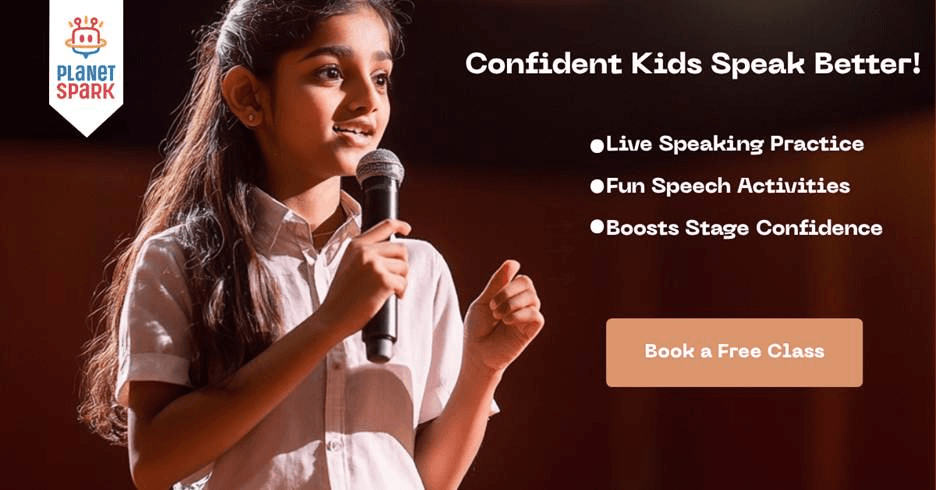
Yes, PlanetSpark helps children overcome fear of public speaking by providing regular speaking opportunities, guided practice, and confidence-building activities in a safe environment.
PlanetSpark improves communication skills through structured training in speaking, storytelling, grammar, and writing. Regular practice and feedback help children express their thoughts clearly and confidently.
PlanetSpark uses effective teaching strategies for kids such as personalised learning, gamified sessions, storytelling techniques, and AI-based practice tools to make learning engaging and easy to understand.
PlanetSpark is highly suitable for children with low confidence, as it focuses on communication skills, public speaking, and self-expression. This helps children overcome hesitation and become more confident learners.
Yes, PlanetSpark is designed to support struggling learners by offering customised learning plans, expert trainers, and consistent practice. It helps children learn at their own pace while building confidence and essential skills.
PlanetSpark helps kids with learning difficulties through personalised one-on-one classes, interactive activities, and AI-powered feedback. It focuses on improving communication, confidence, and overall learning ability in a structured and supportive way.