

Key areas to focus on for better social interactions form the foundation of how adults communicate, connect, and build relationships. Strengthening these areas helps conversations feel more natural, balanced, and confident. Instead of working on one skill in isolation, adults benefit most when they develop multiple communication abilities together. This combined approach leads to clearer expression, better understanding, and more meaningful interactions in both personal and professional settings.
How to Improve Social Skills Through PlanetSpark Classes

Last Updated At: 22 Jan 2026
8 min read
Table of Contents
- What Are Social Skills?
- Why Improving Social Skills Is Important for Adults
- Key Areas to Focus On for Better Social Interactions
- 10 Methods to Improve Social Skills
- 5 Top Benefits of Having Strong Social Skills
- Overcoming Barriers Like Shyness or Social Anxiety
- How PlanetSpark Classes Help Adults Build Social Skills
- Start Building Better Social Skills Today
Many adults actively search for how to improve social skills because communication affects every part of life: workplace success, relationships, leadership, and personal confidence. Social skills influence how clearly we express ideas, how we respond to others, and how comfortable we feel in social settings. The good news is that social skills are not fixed traits. They can be learned, practiced, and strengthened at any stage of adulthood with the right guidance.
PlanetSpark helps adults develop practical communication and socialization skills through structured, expert-led learning focused on real-world application.
What Are Social Skills?
Social skills are the abilities that help individuals communicate, interact, and build relationships effectively. They include verbal communication, listening, emotional awareness, body language, and the ability to respond appropriately in different social situations.
For adults, social skills go beyond basic conversation. They involve professional communication, handling feedback, managing disagreements, networking confidently, and adapting behaviour across personal and workplace settings. Strong socialisation skills for adults help create smoother interactions and stronger connections.
Why Improving Social Skills Is Important for Adults
Improving social skills becomes increasingly important in adulthood because communication directly affects career growth, leadership presence, and relationship quality. Adults with strong social skills are more confident during meetings, interviews, presentations, and everyday conversations.
Many adults struggle with socializing due to limited practice, fear of judgment, or reliance on digital communication. Learning social skills intentionally helps adults rebuild confidence, reduce anxiety, and communicate with clarity and impact.
Key Areas to Focus On for Better Social Interactions
Verbal Clarity and Tone
Verbal clarity is about expressing thoughts in a way that is easy for others to understand. Adults with clear speech and an appropriate tone communicate more effectively and avoid misunderstandings. Paying attention to pace, volume, and word choice helps conversations feel confident and professional rather than rushed or unclear.
Active Listening and Response Timing
Active listening involves fully focusing on the speaker instead of thinking ahead to a response. When adults listen attentively and respond at the right moment, conversations feel balanced and respectful. Good response timing also prevents interruptions and shows genuine interest in what others are saying.
Join now with PlanetSpark to build confidence, clear communication, and strong social presence.
Body Language and Facial Expressions
Body language plays a major role in social interactions. Open posture, natural eye contact, and relaxed facial expressions make adults appear approachable and engaged. Positive nonverbal cues often strengthen communication even before words are spoken.
Emotional Intelligence and Empathy
Emotional intelligence helps adults recognize and understand both their own emotions and those of others. Showing empathy through thoughtful responses and acknowledgment builds trust and reduces conflict. This skill is especially important in professional and personal relationships.
Confidence and Conversational Flow
Confidence helps conversations feel natural and steady. When adults feel confident, they are more comfortable initiating conversations, maintaining flow, and responding without hesitation. Developing conversational flow reduces awkward pauses and helps interactions feel smoother and more enjoyable.
10 Methods to Improve Social Skills
Below are practical, adult-friendly methods that directly address how to learn social skills and apply them in real life.
Practice Active Listening
Active listening means giving full attention to the speaker instead of planning what to say next. Adults who listen carefully understand conversations better, respond more accurately, and make others feel heard. This builds trust and improves both personal and professional interactions.
Maintain Eye Contact
Maintaining comfortable eye contact shows interest, confidence, and attentiveness. It helps conversations feel more engaging and reduces misunderstandings. Learning to balance eye contact naturally is an essential part of building social skills.
Ask Open-Ended Questions
Open-ended questions keep conversations flowing and meaningful. They encourage others to share thoughts and experiences, making interactions more engaging and less awkward for adults who struggle with socializing.
Improve Body Language
Body language communicates emotions before words do. Open posture, relaxed gestures, and natural facial expressions help adults appear approachable and confident, improving overall social presence.
Speak Clearly and Calmly
Clear speech and a steady pace make communication easier to follow. Speaking calmly reduces nervousness and allows adults to express ideas with clarity, especially in professional settings.
Get Comfortable with Small Talk
Small talk is often the starting point for deeper conversations. Practising casual topics helps adults ease into interactions without pressure, making socialising feel more natural.
Develop Empathy
Empathy helps adults understand perspectives beyond their own. Acknowledging emotions and responding thoughtfully strengthens relationships and reduces conflict.
Use Assertive Communication
Assertive communication allows adults to express needs and opinions respectfully. It helps avoid passive silence or aggressive responses while maintaining confidence and clarity.
Reflect on Social Interactions
Reflecting on conversations helps adults identify strengths and improvement areas. This self-awareness supports continuous growth in learning social skills.
Practise Through Role-Play
Role-play creates a safe environment to practise conversations. Rehearsing real-world scenarios builds confidence and prepares adults for actual social interactions.
5 Top Benefits of Having Strong Social Skills
Building social skills leads to long-term personal and professional advantages by improving how adults communicate, collaborate, and connect with others. Strong social skills help individuals express ideas clearly, build trust, and navigate different social situations with confidence. Over time, these abilities support career growth, healthier relationships, and greater self-assurance in everyday interactions.
Increased Confidence
Strong social skills reduce hesitation and self-doubt. Adults feel more comfortable expressing ideas and participating in conversations.
Better Professional Relationships
Clear communication improves teamwork, networking, and leadership. Social skills directly support career growth and workplace success.
Improved Conflict Management
Adults with strong social skills handle disagreements calmly. This leads to better problem-solving and healthier relationships.
Stronger Personal Connections
Effective communication builds trust and emotional closeness. Social skills help adults form meaningful relationships.
Greater Influence and Presence
Strong social skills enhance credibility and leadership presence. Adults communicate ideas clearly and leave a positive impression.
Overcoming Barriers Like Shyness or Social Anxiety
Many adults experience shyness or social anxiety due to fear of judgement, past negative experiences, or limited opportunities to practise social interactions. These barriers can make conversations feel stressful and lead to avoidance of social or professional situations, which further limits confidence and growth.
A supportive learning environment plays a key role in helping adults overcome these challenges. When social skills are practised gradually and without pressure, anxiety reduces and confidence builds naturally.
Some effective ways this happens include:
Guided practice that allows adults to rehearse conversations step by step, making social situations feel more familiar and manageable
Constructive feedback that focuses on improvement rather than criticism, helping adults understand what works and what can be adjusted
Repetition in a safe setting so skills become natural over time, reducing hesitation and self-doubt
Positive reinforcement that encourages progress and helps adults replace fear with confidence
With consistent practice and the right guidance, adults learn to manage social anxiety, communicate more comfortably, and engage in socialising with greater ease and assurance.
How PlanetSpark Classes Help Adults Build Social Skills
PlanetSpark helps adults build strong social skills and confident communication through live 1:1 sessions and structured interaction training. Each class focuses on real-life conversations, clarity of expression, and social confidence so learners communicate naturally and effectively in personal and professional settings.
1:1 Expert Coaching
Adults work closely with certified communication trainers who provide personalised guidance on conversational flow, body language, tone, active listening, and confident expression through focused 1:1 sessions.
Step-by-Step Social Skill Development
The curriculum covers essential social skills such as initiating conversations, maintaining engagement, assertive communication, emotional awareness, and handling different social situations with confidence.
Real-World Conversation Practice
Learners practise social interactions through role-play scenarios, discussions, and guided simulations that mirror real-life situations like meetings, networking conversations, and everyday social exchanges.
AI-Based Communication Analysis with SparkX
Adults can upload recorded conversations or speaking exercises for AI-powered feedback on clarity, tone, confidence, body language, and response patterns. This enables measurable improvement and targeted skill refinement.
Consistent Progress Tracking
Structured progress reports track improvement across communication clarity, confidence, social awareness, listening skills, and interaction effectiveness. Trainer insights and personalised action plans help learners progress steadily.
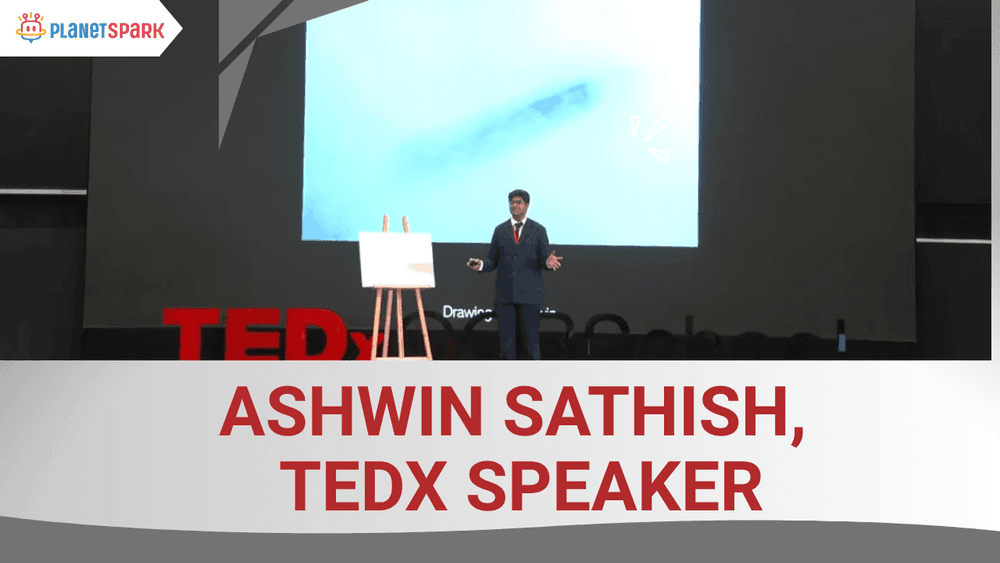
From Hesitation to Confident Communication: A Learner’s Journey
Ashwin Sathish, a young professional learner, transformed his communication by focusing on clarity, confidence, and social awareness. Through consistent practice and guided feedback, he learned how to express ideas clearly, engage others naturally, and communicate with confidence across professional and social settings. His journey highlights how structured practice and the right guidance can help adults move from hesitation to confident, effective communication.
Start Building Better Social Skills Today
Learning how to improve social skills is a gradual but powerful process. With consistent practice, expert guidance, and real-world application, adults can transform how they communicate and connect with others.
Whether the goal is career growth, stronger relationships, or personal confidence, building social skills creates lasting impact. With structured support and guided practice, adults can develop social skills that feel natural, confident, and effective in everyday life.
Frequently Asked Questions
Adults can improve social skills by practicing active listening, clear communication, body language awareness, and confidence-building exercises. Regular practice, role-play, and expert feedback help make these skills natural over time.
The most important social skills for adults include verbal clarity, active listening, emotional intelligence, confidence, and the ability to adapt communication in different social and professional settings.
Yes, social skills can be learned and improved at any age. With guided practice, structured learning, and consistent feedback, adults can build strong social skills regardless of past experiences.
Overcoming shyness or social anxiety involves gradual exposure to social situations, practising conversations in a safe environment, and receiving constructive feedback. Repetition and positive reinforcement help build confidence over time.
Social skills are important in professional life because they improve communication, teamwork, leadership, and conflict management. Strong social skills help adults build better workplace relationships and experience career growth.
PlanetSpark classes help adults build social skills through live 1:1 sessions, role-play of real-world scenarios, personalized feedback, and structured practice focused on confidence and effective communication.