
How to Raise Smart Kids: 10 Secrets for Confident Children


Does a child often shy away from speaking up in class or hesitate to share ideas, even when they know the right answer? Many parents wonder how to raise smart kids who are not only intelligent but also confident, expressive, and emotionally strong. Raising smart kids isn’t just about giving them the best education it’s about creating an environment where curiosity, independence, and self-belief can flourish.
This blog covers 10 powerful secrets that help nurture bright, curious minds. It also covers ways to build a learning-friendly home, manage digital distractions, and avoid common parenting mistakes.
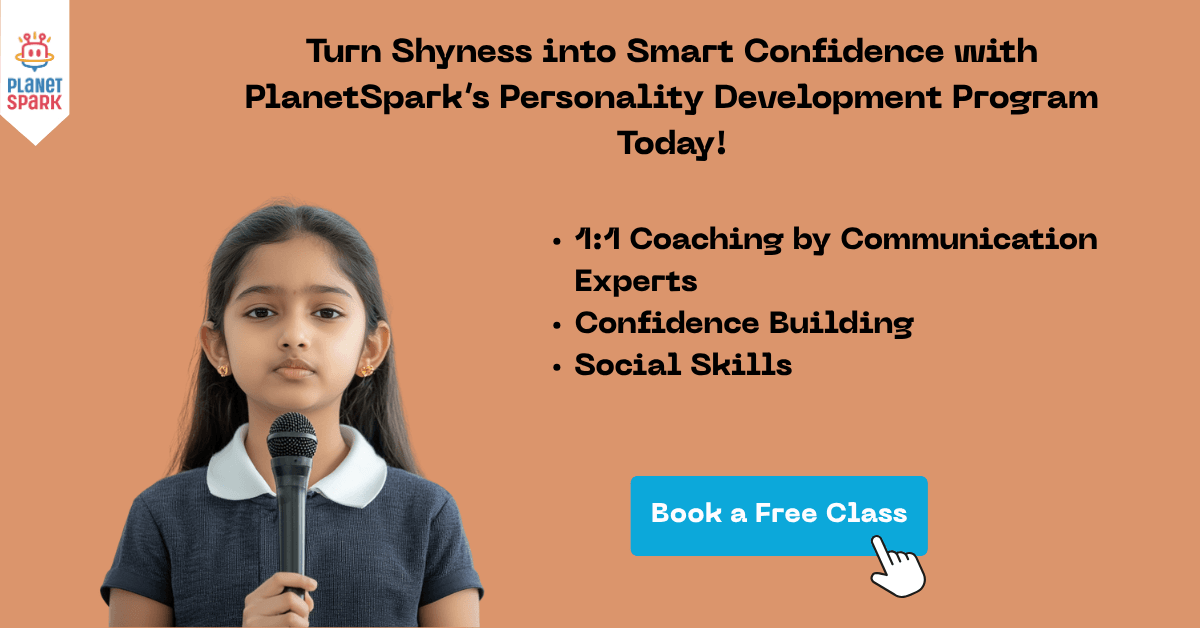
To give children the right guidance, PlanetSpark’s Personality Development Program helps transform hesitation into confidence through expert-led, interactive learning.
What Does It Really Mean to Raise Smart Kids?
Raising smart kids is far more than ensuring high grades or memorising facts. It means nurturing children who think critically, ask questions, solve problems, collaborate with others and bounce back from setbacks. A smart kid is confident to speak up, curious to explore new ideas and grounded enough to learn from mistakes. While intellect plays a part, emotional intelligence, good habits and strong communication skills matter just as much.
When parents focus only on academics, the ‘smart’ label becomes narrow. The broader goal is a child who sees learning as a lifelong journey, not a one-off hurdle. That shift of mindset is central to raising smart kids.
10 Secrets on How to Raise Smart Kids
Every parent wants to raise smart, confident, and curious children who don’t just memorise information they understand, apply, and create new ideas. True smartness isn’t about topping every test; it’s about nurturing a mindset that thrives on curiosity, resilience, and creativity.
Here are ten practical, science-supported secrets on how to raise smart kids not just in academics, but in life.
1. Encourage Endless Curiosity
A curious mind is the birthplace of intelligence. Smart kids aren’t afraid to ask questions that start with “why,” “how,” or “what if.” Each question reflects a desire to understand the world the spark of lifelong learning.
Instead of brushing off their curiosity with quick answers, invite discussion. For instance, if a child asks, “Why do stars twinkle?” respond with, “What do you think makes them twinkle?” Then explore together through books or videos.
Curiosity grows when children feel safe to wonder, explore, and discover without fear of being wrong. The smartest minds, from scientists to inventors, started with a simple question and the courage to chase the answer.
2. Make Reading a Daily Ritual
Books expand a child’s mind like nothing else. Reading helps children imagine beyond their world, build vocabulary, and understand complex emotions. Every story introduces new words, perspectives, and possibilities.
Start small a bedtime story, a short comic, or a weekend library visit. The goal isn’t to finish a chapter; it’s to fall in love with stories and learning. Encourage children to discuss what they read, retell stories in their own words, or predict what might happen next.
Smart kids who read regularly don’t just gather information; they develop empathy, communication skills, and analytical thinking qualities that last a lifetime.

3. Praise Effort, Not Talent
When children hear “You’re so smart,” they believe intelligence is fixed. But when praised for effort “You worked hard on that!” they learn that success comes through perseverance. This is the essence of a growth mindset.
Smart kids thrive on challenges. They see mistakes as opportunities, not failures. Encouraging effort teaches them that improvement is a process, not a gift. Instead of expecting instant perfection, they begin to value persistence and patience the real keys to success.
4. Let Kids Make (and Fix) Mistakes
It’s natural for parents to want to shield their children from failure. But every fall is a chance to learn balance. Smart kids develop resilience by facing consequences, reflecting, and trying again.
Let them take small risks assembling a toy on their own, organising their school bag, or managing pocket money. When they make a mistake, resist fixing it immediately. Ask, “What could make this work better next time?” This builds accountability, creativity, and independence vital traits in raising smart kids.
5. Build Real-Life Problem Solvers
Smartness shines brightest when children can apply learning to real situations. Encourage them to think critically about everyday problems “How can we reduce waste at home?” or “What’s the best way to plan our family picnic?”
These discussions foster analytical thinking, teamwork, and leadership. Let them experiment, calculate, negotiate, and make small decisions. Practical problem-solving shapes confident, logical thinkers who can handle complexity and change essential for thriving in today’s world.
6. Teach Communication and Confidence
A truly smart child can think clearly and communicate effectively. Confidence and communication go hand in hand with intelligence. Children who articulate their ideas boldly and listen empathetically grow into persuasive and emotionally intelligent adults.
7. Fuel Imagination with Creative Play
Play is the child’s way of thinking, exploring, and inventing. Through imaginative play building, drawing, role-playing, or storytelling children learn to solve problems, negotiate, and innovate.
Encourage open-ended activities: a box of LEGO, craft materials, or a pretend market setup. Avoid rigid instructions; let them create freely. This freedom develops divergent thinking the ability to come up with multiple solutions for one problem.
Smart kids are creative thinkers. They imagine, design, and dream before anyone else dares to.
Turn your child’s screen time into skill time
Join PlanetSpark Personality development course online!
8. Encourage Teaching Others
One of the most powerful ways to learn is to teach. When a child explains a concept to someone else, they deepen their understanding and build communication skills.
Let them “be the teacher” explaining a maths concept to a sibling or a science experiment to grandparents. Teaching helps children organise their thoughts, reason clearly, and develop empathy for different learning paces.
This simple practice turns knowledge into confidence and confidence into leadership.
9. Foster Healthy Digital Habits
Technology isn’t the enemy it’s a tool. Smart kids learn how to use it wisely. Encourage purposeful screen time: coding apps, creative design tools, educational games, or documentaries.
Balance is key. Teach digital breaks reading a book, playing outdoors, or engaging in a hobby after screen use. Discuss online safety, responsible content, and digital empathy.
PlanetSpark’s online learning environment itself models healthy digital engagement combining fun, creativity, and real-world skill-building through interactive, mentor-led sessions.
10. Surround Kids with Positivity and Growth
Children absorb energy from their surroundings. A home filled with warmth, laughter, and encouragement becomes fertile ground for raising smart kids.
Avoid comparison; celebrate individual strengths. When mistakes happen, respond with support, not scolding. Replace “Why can’t you do better?” with “What can we try differently next time?”
Growth flourishes in an atmosphere of respect and trust. Smart kids bloom when they know they are loved for who they are not only for what they achieve.
The Early Years Matter More Than You Think
The first five to eight years of life set the foundation for how a brain learns, how a child sees themselves, and the habits they carry forward. Early experiences shape neural connections, influencing attention span, problem-solving ability and resilience.
When a child is encouraged to explore, ask questions and express ideas from an early age, they build pathways in the brain that favour learning. Conversely, when the early years are overly rigid, purely academic, or lacking in curiosity-driven play, that can hamper how smart kids get raised.
For those wondering how to raise smart kids, investing in the early years isn’t optional, it’s foundational.
Igniting smart kids means more than studying.
Start PlanetSpark’s personality development course today
How to Raise Smart Kids in the Digital Age: Challenges and Solutions
In a world where screens dominate and information floods in every direction, raising smart kids requires extra vigilance and adjustment. The digital age brings both opportunities and pitfalls.
Challenges:
Over-exposure to passive screen time
Watching or gaming for long hours reduces active thinking and creativity.Distractions and multitasking
When kids flip between apps, tabs and notifications, focus suffers.Easy access to answers
Instant search means kids may not attempt to think through a problem before looking up the answer.Social media, peer pressure and comparison
Emphasis on likes, filters and image can impact self-esteem and focus on depth of learning.
Solutions:
Set screen-time boundaries with purpose
Allocate specific hours for educational apps, creative tasks, video chats and entertainment. Smart kids can thrive when screens are used intentionally, not mindlessly.Promote active digital use over passive consumption
Encourage coding apps, digital storytelling, editing videos, collaborative online projects, not just streaming.Encourage offline thinking before “Googling”
When a question arises, pause and ask: “What do you think the answer is?” Then explore together. This builds reasoning muscle—essential to raise smart kids.Guide safe and meaningful social media use
Teach children about digital citizenship, empathy online, constructive commenting and resisting comparison traps.Blend online programmes with offline practice
For example, PlanetSpark’s online personality development classes provide live mentoring, feedback on communication and structured soft-skills learning supporting smart behaviour both online and offline.Encourage digital-detox time
Daily periods with no gadgets: board games, walks, reading, family conversations. Smart kids need stillness to reflect and recharge.
By tackling these digital-age challenges head-on, raising smart kids becomes more feasible and less exposed to the vagaries of screen culture.
Inspire curiosity, creativity, and clarity
Start your free PlanetSpark session today and raise a confident, smart kid!
Frequently Asked Questions
Experts recommend starting between ages 4 and 6, when communication habits and confidence begin to form. Early exposure helps children express better and think independently. PlanetSpark offers age-specific modules from Kindergarten to Grade 9, making learning fun, interactive, and effective.
Not at all! True smartness goes beyond books. It includes emotional intelligence, social awareness, and communication skills. A child who can express ideas, solve problems, and adapt quickly is far better equipped than one who only memorises answers.
PlanetSpark’s Personality Development Program helps children build public speaking, communication, and leadership skills through live interactive classes. The program nurtures emotional intelligence, helping students think critically, speak confidently, and grow holistically the essence of being truly “smart.”
Screen time should be purposeful, not excessive. Engaging in learning apps, coding games, or creative activities online adds value, while regular screen-free time improves focus and imagination. The goal is balance, not complete avoidance.
Activities like reading aloud, solving puzzles, storytelling, and open-ended play encourage curiosity and brain growth. Simple habits such as family discussions or journaling, strengthen language, logic, and confidence naturally.
Gentle encouragement, exposure to group activities, and safe speaking spaces work wonders for shy children. Structured training through PlanetSpark’s live personality classes helps them overcome hesitation, speak clearly, and develop lasting self-assurance.