
Importance of Body Language in Communication: Meaning, Advantages
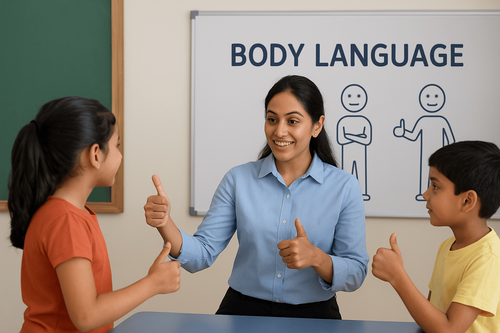

Table of Contents
- What is the Role of Body Language in Communication?
- Why is Body Language Important in Communication?
- Is Body Language More Impactful Than Words?
- Importance of Using Body Language Cues in the Workplace
- 5 Body Language Tips for More Effective Communication in the
- Top 5 Advantages of Using Body Language
- Why Join Planet Spark for Learning Body Language
- Conclusion
Have you ever noticed how a friend’s smile tells you they’re happy even before they say a word? Or how someone crossing their arms and looking away can signal they’re upset or uncomfortable? That’s body language, the unspoken part of communication that happens through facial expressions, gestures, posture, and eye contact.
Unlike spoken language, which changes from region to region, body language is often universal. A smile means happiness almost everywhere, while frowns, sighs, or raised eyebrows convey disapproval or surprise.
What is the Role of Body Language in Communication?
Words may carry meaning, but body language adds emotion to those words. Studies suggest that over 70% of our communication is non-verbal, meaning most of what we “say” doesn’t come from our mouths but from our bodies. That’s why understanding body language is essential for strong, confident communication.
Think of a teacher giving feedback. If she says, “Good job,” but her tone is flat and she avoids eye contact, the message feels unconvincing. However, if she smiles warmly and nods encouragingly, those same two words suddenly carry motivation and appreciation.
That’s the power of non-verbal communication, it shapes how our message is received.
Body language also helps in:
- Expressing emotions clearly: A simple thumbs-up can show approval faster than a full sentence.
- Building connection: Eye contact, open posture, and smiling make others feel heard and valued.
- Supporting verbal communication: Gestures and expressions add clarity and emphasis to what we say.
- Understanding others: By reading someone’s body language, we can sense how they truly feel, even if their words say otherwise.
For children, mastering body language is just as important as learning grammar or vocabulary. When kids learn to sit confidently, make eye contact, and smile naturally, they don’t just look confident; they feel confident. It improves their classroom participation, helps them make friends easily, and even boosts performance in presentations or interviews later on.
Help your child master confident communication and strong presence. Enrol them in a free PlanetSpark body language class today!
Why is Body Language Important in Communication?
Body language is like the emotional soundtrack behind our words. It shows what we feel even before we say it. Whether it’s a smile, a nod, or a confident stance, our body tells the world how genuine and open we are.
1. Builds Trust and Connection
When our gestures match our words, people sense honesty.
- Open posture and steady eye contact make others feel safe and heard.
- Genuine smiles and relaxed movements show approachability.
- In contrast, crossed arms or avoiding gaze can signal discomfort or disinterest.
This alignment between verbal and non-verbal communication helps build authentic relationships, both in personal and professional life.
2. Enhances Clarity and Understanding
Sometimes words alone can be confusing.
- Gestures and facial expressions add visual meaning to what we say.
- For instance, a teacher explaining a concept with hand movements makes learning easier.
- Good communicators use tone, expression, and body cues to make their message clear.
That’s why improving communication skills includes mastering the body’s silent language.
3. Expresses Emotions Without Words
Body language is often the first sign of emotion.
- Happiness shows through bright eyes and energetic gestures.
- Sadness appears through drooped shoulders and a low voice.
- Excitement, fear, or nervousness are visible long before they are spoken.
Understanding types of body language helps us respond with empathy, an important life skill.
4. Boosts Confidence
A confident body posture can influence how others see us, and how we see ourselves.
- Standing tall, maintaining eye contact, and smiling naturally project self-assurance.
- It helps during interviews, presentations, or even simple conversations.
- Positive non-verbal communication builds credibility and leadership presence.
5. Strengthens Effective Communication
The importance of body language lies in how it supports speech.
- When tone, gesture, and expression work together, messages sound natural and persuasive.
- It reduces misunderstandings and encourages active listening.
Is Body Language More Impactful Than Words?
The simple answer: yes, often it is. Our gestures, facial cues, and tone of voice convey emotions that words alone can’t capture. Studies suggest that more than half of human communication happens through non-verbal signals.
1. Emotions Speak Louder Than Sentences
Imagine someone saying, “I’m fine,” while looking down with a sad face. Even without more words, you know they’re not okay.
That’s because body language reveals truth, it’s our emotional honesty showing through.
2. Universal and Instant
- A smile, a frown, or a shrug is understood across languages and cultures.
- Words need translation; expressions don’t.
- This makes non-verbal communication a universal connector.
3. Creates Lasting Impressions
People may forget what you said, but they remember how you made them feel.
- Confident posture and warm gestures leave a positive mark.
- Hesitant or closed body language can make others withdraw.
The impact of body language often stays longer than the words we use.
4. Complements and Strengthens Words
The goal isn’t to replace speech, but to support it.
- Words express facts; the body expresses emotions.
- When both align, communication becomes powerful and memorable.
A speaker who uses expressive hands, natural tone, and eye contact connects faster than one who relies only on sentences.
5. Authenticity Is the Key
While gestures add strength, they must come from genuine feelings.
- Forced smiles or exaggerated expressions create mistrust.
- Real emotion, even if subtle, feels honest and draws people in.
True effective communication happens when body and mind speak the same truth
Give your child the power to express clearly without words. Book a free PlanetSpark session and watch their confidence grow!
Importance of Using Body Language Cues in the Workplace
In professional spaces, communication is not just about what you say, it’s equally about how you say it. Your body language in the workplace silently shapes how colleagues, clients, and managers perceive you. A firm handshake, a confident posture, or attentive eye contact can build credibility long before words are spoken.
Builds Professional Confidence
- Standing tall and maintaining open body posture projects confidence and authority.
- It makes others trust your presence and ideas in meetings or presentations.
- Confident non-verbal communication reflects strong self-esteem and leadership qualities.
Encourages Better Team Collaboration
- Positive gestures, nodding, and active listening show respect for others’ opinions.
- It helps reduce tension, encourages teamwork, and promotes healthy discussion.
- Teams that understand body language cues communicate faster and more effectively.
Strengthens Leadership Impact
- Great leaders don’t just speak, they communicate through presence.
- Calm expressions, controlled gestures, and steady tone show authority without aggression.
- Leaders who align words with actions inspire trust and motivation in their teams.
Prevents Misunderstandings
- Often, workplace conflicts arise from tone or attitude rather than words.
- Clear posture, attentive listening, and natural expressions reduce misinterpretation.
- Being mindful of non-verbal cues ensures professionalism even during stressful moments.
Creates a Positive Work Environment
- A friendly smile or an encouraging nod can boost morale.
- Respectful body language builds a culture of empathy and inclusion.
- People feel valued when gestures match words, and this is the foundation of effective workplace communication.
In short, body language acts as the invisible link between thoughts and teamwork. It transforms formal exchanges into genuine connections, something every thriving workplace needs.
5 Body Language Tips for More Effective Communication in the Workplace
Developing strong communication skills at work doesn’t mean using fancy words, it starts with mastering the art of non-verbal connection. Here are five simple yet powerful body language tips that can instantly make your workplace interactions more confident and effective.
Maintain an Open Posture
Keep your shoulders relaxed, hands visible, and arms uncrossed.
- This signals that you’re approachable and ready to collaborate.
- Avoid closed or rigid positions that may seem defensive.
- Open posture communicates honesty and confidence without saying a word.
Make Eye Contact, But Naturally
- Eye contact shows attentiveness and sincerity during conversations.
- Don’t stare, instead, maintain gentle, comfortable contact for a few seconds.
- It builds connection and shows that you value the speaker’s words.
Use Gestures to Support Your Words
- Purposeful hand movements make your ideas clearer and more engaging.
- Avoid overusing gestures; let them flow naturally with your message.
- Confident gestures indicate enthusiasm and clarity of thought, key signs of effective communication.
Be Mindful of Your Facial Expressions
- Your face reflects emotion faster than your words.
- Smile when greeting or agreeing, and keep expressions calm when discussing serious matters.
- Consistent and appropriate facial cues help others trust your reactions.
Positive Energy
- Subtly matching someone’s posture or tone can create comfort and understanding.
- This technique, known as mirroring, builds rapport and empathy.
- Use it carefully, genuine mirroring should feel natural, not forced.
Turn stage fear into stage power with PlanetSpark’s body language training. Start your child’s free demo class today!
Top 5 Advantages of Using Body Language
When words are supported by expressive gestures, eye contact, and posture, communication becomes more alive and relatable.
Let’s explore the top five advantages of using body language, with real-life examples to show how powerful this silent form of communication truly is.
Builds Instant Connection
A smile or a welcoming nod can connect people faster than words.Body language breaks invisible barriers and helps others feel comfortable around you.
Example: When you greet a client or colleague with a genuine smile and steady eye contact, the atmosphere instantly becomes friendlier. It shows you’re open, attentive, and ready to listen.
Strengthens the Message
Body language gives life to your words.Gestures, tone, and expressions help your listener understand your message more clearly and remember it longer.
Example: A speaker who uses hand movements and expressive tone keeps the audience engaged. The message feels more dynamic and believable because the actions match the emotions behind the words.
Builds Trust and Credibility
When body language and speech align, communication feels sincere. People believe what they see even more than what they hear.
Example: During an interview, maintaining good posture and calm facial expressions shows that you’re confident and truthful. Small signs like a nod or steady gaze reassure the listener that you mean what you say.
Boosts Confidence and Presence
Confident posture influences not only how others see you but also how you feel about yourself. Positive body language radiates assurance and control in every interaction.
Example: Before a presentation, standing tall with your shoulders relaxed and chin lifted helps reduce anxiety. It sends a silent message of confidence, to both your audience and your own mind.
Encourages Emotional Understanding
Body language helps you notice unspoken emotions and respond with empathy. It improves understanding in relationships and teamwork by revealing what words often hide.
Example: A colleague might say they’re fine, but their body, slouched shoulders and low tone, may tell a different story. Noticing such cues allows you to show concern and offer support at the right time.
Why Join Planet Spark for Learning Body Language
Learning body language is not just about gestures or posture, it’s about expressing confidence, understanding emotions, and building meaningful connections. At PlanetSpark, students go beyond theory. They learn how to use body language in real situations like presentations, interviews, debates, and daily communication.
1. Personalised Learning Programmes
PlanetSpark offers customised lessons based on each student’s comfort level and learning pace. This ensures that students understand and practise body language skills, like posture, facial expressions, and gestures, step by step, building confidence naturally over time.
2. Interactive and Engaging Classes
The platform uses fun, activity-based online sessions that make learning body language exciting. Role-plays, storytelling, and virtual games encourage active participation, helping students apply non-verbal communication skills in real-life situations.
3. Expert Mentors for Real Guidance
PlanetSpark’s trained mentors provide one-on-one feedback and personal attention. They help students correct non-verbal cues, refine their presentation style, and understand how body language influences first impressions and communication outcomes.
4. Practical Exercises and Progress Tracking
Every lesson includes hands-on exercises, like mirror practice or video feedback, to help students track improvements. Regular progress reviews and body language assessments ensure steady growth and measurable learning results.
5. Building Confidence and Presence
Beyond just learning gestures, PlanetSpark helps students express confidence and authenticity. With improved eye contact, posture, and self-awareness, students learn to communicate clearly and make lasting impressions in classrooms, interviews, or public speaking events.
Build your child’s confidence, clarity, and communication skills. Join PlanetSpark’s expert-led body language classes for free today!
Conclusion
Mastering body language is a key step towards confident and effective communication. At PlanetSpark, students not only learn these essential non-verbal skills but also develop self-assurance that lasts a lifetime. Join PlanetSpark today to enhance your communication, boost your presence, and stand out wherever you go, book a free demo class now!
Frequently Asked Questions
Body language is a form of non-verbal communication that uses gestures, facial expressions, posture, and eye contact to convey emotions and intentions. It often reveals what words cannot express. Effective body language helps make communication clearer, more engaging, and trustworthy.
The seven types of body language include facial expressions, gestures, posture, eye contact, touch, space, and tone or movement. Together, these cues shape how others perceive your message. Mastering them improves confidence, clarity, and interpersonal understanding.
Communication happens in four main ways, verbal, non-verbal, written, and visual. Each plays a unique role in expressing thoughts and emotions. When used together, they help ensure that a message is clear, complete, and impactful.
The 7 C’s of communication are clarity, conciseness, correctness, completeness, concreteness, courtesy, and consideration. These principles ensure that your message is well-structured and impactful.
The four languages of human communication are spoken, written, non-verbal, and visual. These forms allow people to share ideas, emotions, and information across different situations. Balancing them helps improve understanding and connection with others.
The four types of conversation are informational, instructional, persuasive, and emotional. Each serves a different purpose, from sharing knowledge to building relationships. Recognising the type helps in choosing the right tone, words, and body language.