
Understand Workplace Influencing Skills Without Authority


Table of Contents
- What Are Influencing Skills Without Authority?
- Why Influencing Skills Without Authority Matter for Working
- Core Influencing Skills Every Working Professional Needs
- Influence Without Power Techniques That Work in Real Profess
- Common Mistakes That Undermine Influencing Skills in the Wor
- How This Helps in Personality Development
- What Makes Influencing Skills Training Effective
- How PlanetSpark Helps Working Professionals Build Influencin
- Who Should Build Influencing Skills Without Authority
Most professionals reach a point in their careers where results depend not just on what they can do individually, but on how well they can get others to move with them. The challenge is that not everyone in that position holds a formal title, a reporting line, or an organisational mandate that makes people listen automatically.
Whether you are a project lead coordinating across teams, a specialist trying to get senior stakeholders to act on your recommendations, or a professional who wants to grow faster than your current role allows, workplace persuasion skills are what separate those who wait for authority to act from those who earn it by demonstrating influence first.
This blog will help you understand what influencing skills without authority actually involve, why they matter deeply for career growth and personality development, and how PlanetSpark's structured training helps working professionals build them with expert coaching and consistent practice.
What Are Influencing Skills Without Authority?
Influencing skills without authority are the professional abilities that allow you to shape decisions, shift perspectives, and drive outcomes through the quality of your communication, relationships, and credibility, rather than through a formal position of power.

This is not about manipulation or pressure tactics. It is about understanding how people make decisions, what motivates them, and how to present your ideas in a way that makes others genuinely want to align with you.
These skills are sometimes called influence without power techniques because they work regardless of where you sit in an organisational hierarchy. A mid-level analyst who can get a senior team to act on a recommendation is exercising exactly this ability. So is the project manager who gets cross-functional teams aligned without having direct authority over any of them.
Influencing skills sit at the intersection of communication, emotional intelligence, and strategic thinking. They are not personality traits you either have or you do not. They are learnable, practicable, and improvable with the right coaching and structure.
Why Influencing Skills Without Authority Matter for Working Professionals
The modern workplace does not operate in neat top-down hierarchies anymore. Cross-functional projects, flat organisational structures, matrix reporting lines, and remote collaboration mean that most professionals need to work with and through people who do not report to them. Often, the people whose support matters most are peers, senior stakeholders, or external partners over whom you have no direct control.
In these situations, your formal title is largely irrelevant. What matters is how well you communicate, how credible you are in the room, and how effectively you use workplace persuasion skills to get people aligned around a shared outcome.
Professionals who build strong influencing skills without authority tend to progress faster in their careers because they become visible not just as capable individual contributors but as people who can move things forward. They earn trust across the organisation, get included in high-visibility conversations, and build the kind of professional reputation that leads to faster promotions and greater responsibility.
Beyond career advancement, these skills directly affect the quality of your daily work experience. When you can navigate organisational dynamics with confidence and get people to act without needing formal authority to back you up, work becomes more effective and significantly less frustrating.
Core Influencing Skills Every Working Professional Needs
Building strong influencing skills without authority requires developing a set of interconnected abilities. Here are the ones that matter most in a professional context:
Building Genuine Credibility Influence begins with trust, and trust begins with credibility. People act on the recommendations of those they perceive as knowledgeable, reliable, and consistent. Building credibility means demonstrating expertise, following through on commitments, and showing up as someone whose perspective is worth listening to. Without credibility, even the most polished persuasion skills in the workplace will fall flat.
Understanding What Motivates Others Effective influencing requires understanding what the other person cares about. What are their goals, pressures, and concerns? What does success look like from their position? Professionals who take the time to understand this before presenting an idea consistently achieve better outcomes because they frame their message around what matters to the other person, not just what matters to them.
Communicating with Clarity and Conviction The ability to present an idea clearly, logically, and with genuine confidence is one of the most important workplace persuasion skills a professional can develop. Vague, hesitant, or poorly structured communication reduces the credibility of the message no matter how good the underlying idea is. Communicating with clarity means getting to the point, structuring your reasoning logically, and speaking with the kind of conviction that comes from genuine preparation and practice.
Active Listening and Asking the Right Questions Influence is not a one-way broadcast. It is a two-way interaction. Professionals who listen actively, acknowledge different perspectives, and ask questions that open up genuine dialogue consistently build stronger buy-in than those who simply push their own position. Active listening shows respect, builds rapport, and often surfaces information that allows you to strengthen your case or adjust your approach.
Building and Maintaining Strong Professional Relationships Influence without power techniques work most effectively when they are built on a foundation of genuine professional relationships. People are far more likely to act on the ideas of someone they trust, respect, and have a positive working history with. Investing in relationships before you need them is one of the most reliable long-term influencing strategies available to any working professional.
Navigating Resistance and Disagreement Constructively Not every attempt to influence will be welcomed immediately. People push back, priorities conflict, and perspectives differ. The ability to handle resistance without becoming defensive or abandoning your position prematurely is a critical part of influencing skills without authority. This means acknowledging concerns genuinely, addressing objections with evidence and empathy, and finding common ground that allows conversations to move forward productively.
Influence Without Power Techniques That Work in Real Professional Settings
Understanding the principles behind influencing skills is useful. Knowing how to apply specific influence without power techniques in real workplace situations is what makes the difference. Here are approaches that working professionals can put into practice immediately:
Align Your Ideas to Organisational Priorities One of the most reliable influence without power techniques is connecting your proposal to something the organisation already cares about. When you frame your idea in terms of the company's strategic goals, a team's performance objectives, or a leader's key concerns, you make it significantly easier for others to say yes. The idea stops being your request and becomes an answer to a problem they already own.
Use Data and Evidence to Build the Case Persuasion skills in the workplace are strongest when they are backed by evidence. Data, examples, and specific outcomes make an argument far more compelling than opinion alone. This does not mean overwhelming people with information. It means selecting the most relevant evidence and presenting it in a way that makes the logic of your recommendation clear and easy to follow.
Seek Input Before Seeking Agreement Professionals who involve others in shaping an idea before asking for approval consistently generate stronger support. When people feel their perspective has been heard and considered, they are far more likely to support the outcome. This technique also surfaces objections early, when they are easier to address, rather than in the final decision meeting when positions are already fixed.
Build Coalitions and Find Internal Champions Getting one key person aligned with your perspective before a larger discussion gives your idea credibility and momentum. Finding a respected colleague, a senior stakeholder, or a cross-functional peer who genuinely believes in what you are proposing can change the dynamic of a group conversation entirely. Coalition building is one of the most practical workplace persuasion skills for navigating complex organisational environments.
Adapt Your Communication Style to the Audience The same message delivered in the same way to different people will produce different results. Senior leaders often want the headline and the bottom line before the detail. Operational managers want to know the impact on their team and processes. Data-oriented colleagues want the evidence. Professionals who can adapt their communication style based on who they are speaking to are consistently more effective at influencing across an organisation.
Common Mistakes That Undermine Influencing Skills in the Workplace
Even professionals who understand the importance of influencing skills without authority often make mistakes that reduce their effectiveness. Recognising these patterns is the first step to changing them:
Relying Only on Logic and Missing the Emotional Dimension A perfectly logical argument can still fail to influence if it does not connect with what people feel. Decisions are rarely made on logic alone. Professionals who ignore the emotional and motivational dimension of influence tend to wonder why their well-reasoned recommendations do not land the way they expect.
Pushing Too Hard Too Fast Influence takes time. Professionals who try to accelerate agreement by applying pressure, repeating the same argument, or escalating prematurely often damage the very relationships that their long-term influencing ability depends on. Patience and persistence are not the same thing. Effective influencing means knowing when to press and when to give people space to come to their own conclusion.
Neglecting Relationships Until They Are Needed Trying to influence someone you have never invested in building a genuine relationship with is always harder than it needs to be. Professionals who wait until they need something before engaging with colleagues across the organisation consistently find that their workplace persuasion skills have a much smaller foundation to work from.
Failing to Acknowledge What the Other Person Stands to Gain or Lose People consider their own interests when making decisions. Professionals who present ideas without acknowledging the legitimate concerns or potential costs to the other party come across as either naive or self-serving. Acknowledging trade-offs and showing that you have thought about the impact on others builds the kind of credibility that makes influence far more effective.
How This Helps in Personality Development
Influencing skills without authority are not just a professional tool. They are a direct reflection of who you are as a person and how effectively you show up in every interaction.
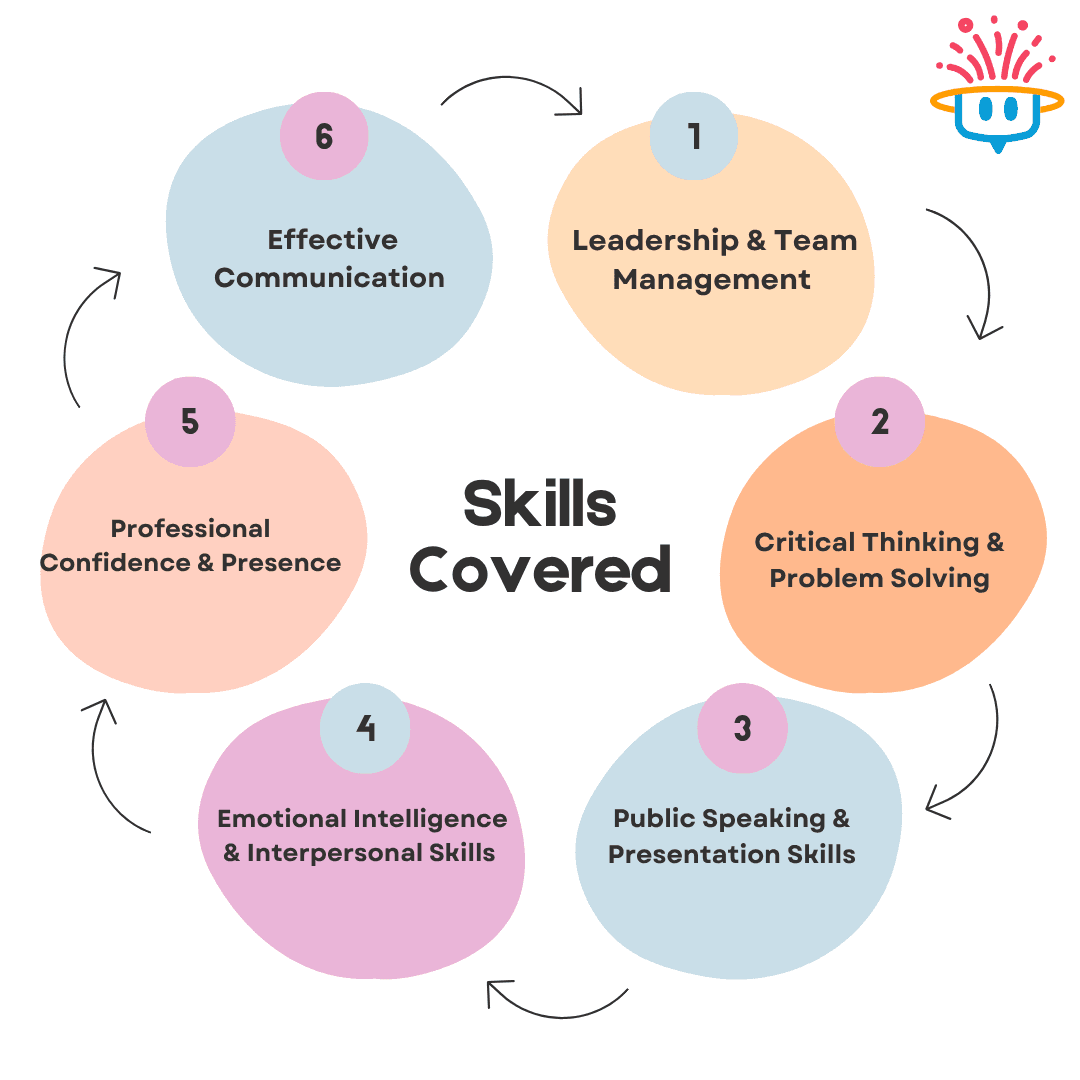
Developing these skills builds:
Clarity in thinking and expression so your ideas are understood, valued, and acted upon rather than overlooked or dismissed.
Confidence in communication across meetings, presentations, difficult conversations, and everyday professional interactions where the ability to express yourself clearly makes a real difference.
Self-awareness and behavioural adaptability so you can read situations accurately, adjust your approach based on what is needed, and respond constructively even when conversations become challenging.
Professional presence and credibility the way you are perceived in high-visibility moments that determine how seriously your ideas are taken and how quickly your career advances.
An ownership mindset moving from waiting for permission or authority to act, to taking initiative and shaping outcomes through the quality of your relationships and communication.
Most working professionals searching for ways to improve their influencing skills are ultimately looking for the same thing: to become more effective, more credible, and more capable of creating an impact in the environments they work in every day.
That is exactly what structured personality development enables. Not surface-level confidence, but practical, visible improvement in how you think, communicate, and lead from wherever you stand in an organisation.
What Makes Influencing Skills Training Effective
Not every training approach delivers the same results when it comes to building influencing skills without authority. Here is what separates training that creates lasting improvement from generic workshops that fade quickly:
Practice in Real Professional Scenarios Reading about influence without power techniques is useful. Practising them in realistic professional situations with expert feedback is what actually builds the skill. Training that uses real workplace scenarios such as stakeholder conversations, cross-functional negotiations, and difficult persuasion situations builds the kind of muscle memory that holds up under pressure.
Personalised Coaching and Specific Feedback Generic advice about communication and influence does not move the needle. The most effective training identifies the specific patterns and habits that are limiting each individual's ability to influence effectively and provides targeted, actionable coaching to address them directly.
Focus on Both What You Say and How You Say It Workplace persuasion skills require improving both the substance of how ideas are framed and the delivery through which they are communicated. Presence, tone, pacing, and non-verbal signals all affect how a message lands. Training that addresses both dimensions produces significantly stronger results.
Consistent Practice Over Time Influencing skills are not built in a single session. Consistent, structured practice with expert guidance and accountability is the only reliable path to lasting improvement. Programs that build regular practice habits produce professionals who can apply these skills naturally in the situations that matter most.
How PlanetSpark Helps Working Professionals Build Influencing Skills
PlanetSpark's training programs are built specifically for working professionals who want to develop the communication, persuasion, and influencing capabilities that drive real career growth. Here is what the training includes:
Live One-on-One Expert Coaching Every session is conducted live by certified PlanetSpark trainers, not pre-recorded videos. This allows real-time interaction, immediate feedback, and a learning experience that adapts to your specific challenges, goals, and professional context.
Personalised Development Roadmap PlanetSpark begins with a structured assessment to understand your current communication patterns, influencing strengths, and the specific gaps holding you back. A personalised roadmap is created and updated as your skills develop.
Practice in Real Workplace Scenarios Sessions include exercises modeled on real professional situations including stakeholder persuasion, cross-functional alignment conversations, difficult objection handling, and leadership communication. This practical approach builds genuine skill rather than theoretical knowledge.
Comprehensive Curriculum Covering All Dimensions of Influence The program covers credibility building, workplace persuasion skills, active listening, emotional intelligence in communication, and the influence without power techniques that work across different professional environments and audience types.
AI-Powered Progress Tracking PlanetSpark's AI-enabled tools give learners detailed insights into their communication effectiveness, progress against development goals, and consistency in applying new influencing skills across sessions.

Who Should Build Influencing Skills Without Authority
These skills are valuable for a wide range of working professionals. Those who benefit most include:
Professionals in cross-functional or project-based roles who need to coordinate and align people across teams without formal reporting authority. Mid-level managers and team leads who want to strengthen their ability to influence upward, laterally, and across organisational boundaries. High-potential professionals preparing for senior roles who want to develop the leadership presence and workplace persuasion skills their next level requires. Client-facing professionals whose ability to influence decisions, build trust, and navigate complex stakeholder relationships directly impacts their performance outcomes. Any working professional whose career growth depends on becoming more effective at getting others to act, align, and move in the direction that matters.
If influencing skills are limiting your professional impact or your career progress, PlanetSpark's training is designed to help you change that with expert guidance and consistent, structured practice.
Frequently Asked Questions
Influencing skills without authority are the professional abilities that allow you to shape decisions, align others, and drive outcomes through credibility, communication, and relationship-building rather than through a formal position of power. They are among the most valuable skills any working professional can develop.
Influencing skills are important in the workplace because most professional outcomes depend on getting buy-in, alignment, or action from people you do not directly control. Professionals with strong workplace persuasion skills progress faster, earn more credibility across the organisation, and become more effective in every role they hold.
The most effective influence without power techniques include aligning your ideas to organisational priorities, building coalitions with key stakeholders, seeking input before seeking agreement, using evidence-backed communication, and adapting your message to the motivations and concerns of your specific audience.
Persuasion skills in the workplace are about presenting well-reasoned ideas clearly and credibly so that others genuinely see the logic and value in them. Manipulation involves using pressure, deception, or exploiting vulnerabilities to get an outcome. Effective professional influence is built on trust and mutual benefit, not tactics that undermine the other person's judgment.
Influencing skills are entirely learnable. While some people develop certain communication habits naturally, the specific workplace persuasion skills that drive professional influence can be built systematically through structured training, expert coaching, and consistent practice. PlanetSpark's programs are designed specifically to help working professionals develop these abilities regardless of their starting point.
PlanetSpark offers live one-on-one expert coaching, personalised development roadmaps, and real-world scenario practice designed specifically for working professionals. The program covers all dimensions of influencing skills including credibility building, persuasion skills in the workplace, active listening, and influence without power techniques, with AI-powered progress tracking to ensure consistent measurable improvement.
Download Free Worksheets
Personalized Communication Roadmaps
Record a video to get a AI generated personalized communication reports