
Interview Skills Training to Speak with Confidence

Table of Contents
- What Are Interview Skills?
- Why Are Interview Skills Important?
- Types of Interview Skills
- Communication Skills for Interviews
- How to Improve Your Interview Skills
- Tips to Speak Confidently in Interviews
- Why Choose PlanetSpark for Interview and Personality Skills
- Conclusion: Elevate Your Career and Confidence with Strong I
Interview skills are essential for anyone stepping into a professional or academic setting. They are the bridge between your knowledge and how well you can express it to others. Whether you are a working professional preparing for a promotion, a fresher aiming for your first job, or a young learner building confidence early, strong interview skills help you communicate clearly, make a positive impression, and achieve your goals.
Many people focus only on technical knowledge or resumes, but the reality is that interview success depends heavily on communication skills for interview, confidence, and presentation. Good skills for interview enable you to convey your ideas clearly, listen effectively, respond to questions with clarity, and demonstrate professionalism.
Interviews are not just about answering questions. They are about showcasing your personality, problem-solving abilities, and how you interact with others. With proper training, you can turn nervousness into confidence, handle unexpected questions, and leave a memorable impression on your interviewer.
In this blog, we will explore:
What are interview skills and why they are crucial
Different types of interview skills
How to improve your communication during interviews
Tips to speak confidently and professionally
By the end, you will understand how to present yourself effectively, whether in a formal job interview, an online meeting, or any professional discussion.
What Are Interview Skills?
Interview skills are the combination of abilities and techniques you use to communicate effectively during an interview. They include verbal and non-verbal skills, problem-solving abilities, and confidence. Developing these skills ensures that you can express your thoughts, answer questions accurately, and create a strong impression.
Core Components of Interview Skills:
Communication Skills in Interviews: This includes how clearly you speak, structure your answers, and listen actively. Speaking too fast or using unclear words can confuse the interviewer, while structured, confident answers make you memorable.
Body Language and Non-Verbal Cues: Eye contact, posture, gestures, and facial expressions communicate confidence and attentiveness.
Problem-Solving and Analytical Skills: Your ability to think logically and provide solutions reflects critical thinking.
Confidence and Self-Presentation: The way you present yourself, including attire, tone, and demeanor, impacts the overall impression.
Table Example:
| Skill | Why It Matters | How to Improve |
|---|---|---|
| Communication | Makes answers clear and engaging | Practice mock interviews and role-play |
| Listening | Helps in understanding questions fully | Focus on active listening techniques |
| Confidence | Builds positive impression | Daily self-practice and visualization |
| Body Language | Shows professionalism and attentiveness | Maintain eye contact and proper posture |
| Problem Solving | Demonstrates thinking and adaptability | Practice scenario-based questions |
Learning what are interview skills is the first step to mastering them. Once you understand the components, you can work on each skill individually, improving your overall performance.
Mini Example:
Imagine two candidates for the same job. Candidate A knows all technical details but struggles to communicate clearly. Candidate B knows the same but presents answers confidently and politely. Most interviewers will remember Candidate B. This illustrates why mastering skills for interview is so important.
Why Are Interview Skills Important?
Strong interview skills are essential not only to answer questions but also to leave a lasting impression. They show your ability to communicate, think critically, and handle professional interactions confidently.
Benefits of Mastering Interview Skills:
Builds Confidence: You feel prepared, reducing nervousness during interviews.
Improves Communication: Express your thoughts clearly and logically.
Enhances Career Opportunities: Effective interviews increase chances of jobs, promotions, and growth.
Demonstrates Professionalism: Shows seriousness, preparation, and respect for the interviewer’s time.
Improves Decision-Making: Enables you to answer unexpected questions thoughtfully.
Bullet Points for Clarity:
Helps in presenting ideas logically and concisely
Strengthens communication skills for interview
Prepares you for both technical and behavioral questions
Builds a strong professional image
Scenario Example:
Consider a scenario where two working professionals are applying for the same role. Candidate A has all the experience but is nervous and struggles to explain achievements. Candidate B has the same experience but communicates effectively and confidently. Candidate B will likely make a stronger impression because of interview skills in communication, which often weigh as much as qualifications.
Even for kids or beginners, learning why interview skills are important helps develop confidence, social abilities, and self-expression. Early practice shapes how individuals present themselves, interact with others, and solve problems, giving them an edge in future interviews or discussions.
“Confidence opens doors.”
Unlock your potential with PlanetSpark’s Personality Development Course.
Types of Interview Skills
Understanding what are the types of interview skills is crucial for preparing effectively. Different interviews - be it technical, HR, or group interviews - require a mix of skills. By mastering these types, you can handle any interview scenario confidently.
Key Types of Interview Skills
1. Verbal Communication Skills
Clear speech, proper tone, and structured answers make a huge difference.
Using simple and precise words ensures that your ideas are understood.
Practice answering common interview questions aloud to improve fluency.
2. Non-Verbal Communication Skills
Includes body language, posture, eye contact, and gestures.
Even a confident handshake or sitting straight can create a strong impression.
Smiling appropriately helps create a positive environment.
3. Listening Skills
Understanding the question correctly is as important as answering it.
Active listening ensures your response is relevant and accurate.
Paraphrasing the question before answering can show attentiveness.
4. Problem-Solving Skills
Many interviews include scenario-based or analytical questions.
Demonstrating a logical approach shows critical thinking.
Practice common workplace scenarios to sharpen this skill.
5. Technical or Job-Specific Skills
While communication is vital, knowing your subject matter is equally important.
Combine technical expertise with communication skills for interview to answer confidently.
Mini Table Example:
| Type of Skill | Why It Matters | How to Improve |
|---|---|---|
| Verbal Communication | Explains ideas clearly | Speak aloud, record and review answers |
| Non-Verbal Communication | Shows confidence and professionalism | Practice posture, gestures, and eye contact |
| Listening | Ensures correct and relevant responses | Focus exercises and mock interviews |
| Problem-Solving | Shows analytical thinking | Solve case studies and scenario questions |
| Technical Skills | Demonstrates job readiness | Regular practice and upskilling |
Example:
A candidate might know the answer perfectly but lacks non-verbal cues and confidence. Even a correct answer may not impress the interviewer. Mastering different types of skills for interview ensures you are remembered positively.
“Speak clearly, shine brightly.”
Join PlanetSpark to enhance communication and public speaking skills.
Communication Skills for Interviews
Communication skills for interview are the backbone of interview success. Strong communication helps you express your ideas, answer questions precisely, and create a professional impression.
Why Communication Skills Matter
Interviews test not just knowledge but how effectively you can communicate that knowledge.
Clear communication reflects confidence, professionalism, and preparedness.
Effective communication combines verbal clarity, active listening, and appropriate non-verbal behavior.
Key Areas of Communication Skills
1. Verbal Skills
Speak slowly and clearly. Avoid filler words like “um” or “like.”
Structure your answers: Start with the main idea, explain with examples, and conclude neatly.
Use industry-appropriate terms but avoid overly complex jargon.
2. Non-Verbal Skills
Maintain eye contact, sit straight, and use natural gestures.
Smile occasionally to appear approachable.
Avoid crossing arms or fidgeting, as these indicate nervousness.
3. Listening Skills
Pay full attention to the interviewer’s question.
Avoid interrupting, and take a moment to frame your answer.
Repeat or paraphrase the question if needed to ensure clarity.
4. Answer Structuring Skills
STAR Method (Situation, Task, Action, Result) is useful for behavioral questions.
Helps convey answers clearly, showing both experience and thought process.
Mini Scenario Example:
Suppose an interviewer asks: “Describe a time you solved a problem at work.”
Candidate A answers vaguely: “I solved it somehow.”
Candidate B uses STAR: “At my last job (Situation), I noticed a recurring error (Task). I created a checklist and trained my team (Action). As a result, errors reduced by 40% (Result).”
Candidate B’s clear communication demonstrates strong interview skills in communication.
Quick Tips to Improve Communication Skills
Practice speaking in front of a mirror or record yourself.
Participate in mock interviews or group discussions.
Read aloud to improve clarity and pronunciation.
Use pauses to think before answering difficult questions.
Strong communication skills for interviews give you an edge over other candidates. They ensure your knowledge, confidence, and personality shine through, making interview success more achievable.
“Strong personality, stronger future.”
Develop leadership and confidence with PlanetSpark’s holistic program.
How to Improve Your Interview Skills
Improving your interview skills is not just about practicing answers; it is about enhancing your overall presence, communication, and confidence. Working professionals and young learners alike can benefit from structured practice and self-awareness.
Step-by-Step Ways to Improve Your Skills for Interview
1. Understand the Role and Requirements
Research the company, position, and industry trends.
List the skills and qualifications needed.
Align your experiences and examples with the job role.
2. Practice Mock Interviews
Conduct practice sessions with friends, mentors, or family.
Record your answers to identify areas of improvement.
Focus on communication skills for interview, body language, and confidence.
3. Work on Verbal Communication
Speak clearly, avoid fillers, and maintain a moderate pace.
Use structured answers (like STAR: Situation, Task, Action, Result).
Practice storytelling to make examples engaging and relatable.
4. Enhance Non-Verbal Skills
Maintain eye contact and an open posture.
Smile naturally to create a friendly impression.
Gestures should be subtle and professional.
5. Develop Problem-Solving Skills
Solve case studies or scenario-based questions related to the role.
Think aloud during practice to explain your reasoning to the interviewer.
6. Build Confidence Gradually
Visualization techniques: Imagine succeeding in the interview.
Daily self-practice: Speak in front of a mirror or record yourself.
Positive affirmations: Repeat encouraging statements before the interview.
Mini Table Example: Steps to Improve Interview Skills
| Step | Action | Why It Helps |
|---|---|---|
| Research the Role | Study job description & company | Aligns answers with expectations |
| Mock Interviews | Conduct practice sessions | Builds confidence and reduces anxiety |
| Verbal Communication | Speak clearly & structure answers | Improves clarity and impression |
| Non-Verbal Communication | Maintain eye contact, gestures, posture | Shows professionalism & confidence |
| Problem-Solving | Solve case studies or scenarios | Demonstrates analytical thinking |
| Confidence Building | Visualize success & affirmations | Reduces stress and boosts self-esteem |
Example Scenario:
A working professional practicing mock interviews notices they use too many filler words. After recording themselves and reviewing, they improve clarity and tone. By focusing on verbal and non-verbal interview skills in communication, they perform significantly better in real interviews.
Improving skills for interview requires continuous practice, self-evaluation, and learning from feedback. Even small daily improvements can create a big difference in performance over time.
“Your words, your power.”
Learn effective communication through PlanetSpark’s Personality Development Course.
Tips to Speak Confidently in Interviews
Confidence is one of the most noticeable aspects of interview skills. Even if your knowledge is strong, low confidence can negatively affect the impression you make. Speaking confidently shows that you are prepared, competent, and professional.
Practical Tips to Build Confidence
1. Prepare Thoroughly
Know the company, role, and common interview questions.
Prepare examples of achievements, challenges, and solutions.
Rehearse answers but keep them natural, not robotic.
2. Practice Body Language
Sit upright, maintain eye contact, and avoid fidgeting.
A calm smile creates a friendly and approachable aura.
Gestures should emphasize points without being distracting.
3. Use Clear and Structured Speech
Avoid long, rambling answers.
Break your response into small parts: introduction, example, conclusion.
Practice speaking slowly and confidently.
4. Handle Nervousness
Take a deep breath before answering.
Pause to think rather than rushing responses.
Visualize yourself succeeding to reduce anxiety.
5. Engage the Interviewer
Ask questions to show curiosity and interest.
Listen actively and respond appropriately.
Use the interviewer’s cues to adjust your communication style.
Bullet Points Quick Summary:
Confidence grows with preparation and practice
Clear speech + structured answers = professional impression
Positive body language = credibility and trust
Mock interviews = reduce anxiety and boost confidence
Mini Example:
Imagine a candidate asked a tricky question: “Tell me about a failure you faced.”
Candidate A hesitates and mumbles.
Candidate B calmly explains the situation, what they learned, and the positive outcome.
Candidate B demonstrates strong skills for interview, confidence, and problem-solving abilities.
By focusing on these tips, you not only improve communication skills for interviews but also develop an overall professional presence that sets you apart from others.
Why Choose PlanetSpark for Interview and Personality Skills
PlanetSpark goes beyond traditional learning by focusing on personality development and interview skills, helping children and working professionals build confidence, communication, and leadership abilities. The core goal is to develop self-confidence, emotional intelligence, leadership, and social etiquette through a holistic, practical approach.
Holistic Curriculum Beyond Academics
The program covers essential skills such as communication etiquette, self-introduction, goal setting, peer interaction, leadership, self-awareness, and critical thinking, ensuring learners are well-prepared for interviews and real-world interactions.
Social-Emotional Learning (SEL) Based Design
Aligned with CASEL (Collaborative for Academic, Social, and Emotional Learning), PlanetSpark fosters personal and interpersonal growth, helping learners handle challenges confidently while building emotional intelligence.
Practical, Activity-Based Learning
Through mock interviews, public introductions, journaling, feedback sharing, and real-life scenario simulations, learners actively practice their skills, making the learning process engaging and effective.
Leadership & Self-Presentation Training
The program cultivates empathy, responsibility, assertiveness, and teamwork, preparing learners to present themselves confidently in interviews and professional settings.
Confidence Tracking and Etiquette Training
Regular parent consultations monitor growth in traits like confidence and leadership. Additionally, sessions on eye contact, posture, respectful communication, and tone modulation groom learners for polished, professional interactions.
PlanetSpark ensures a structured, supportive environment to develop interview skills in communication, confidence, and overall personality for lifelong success.
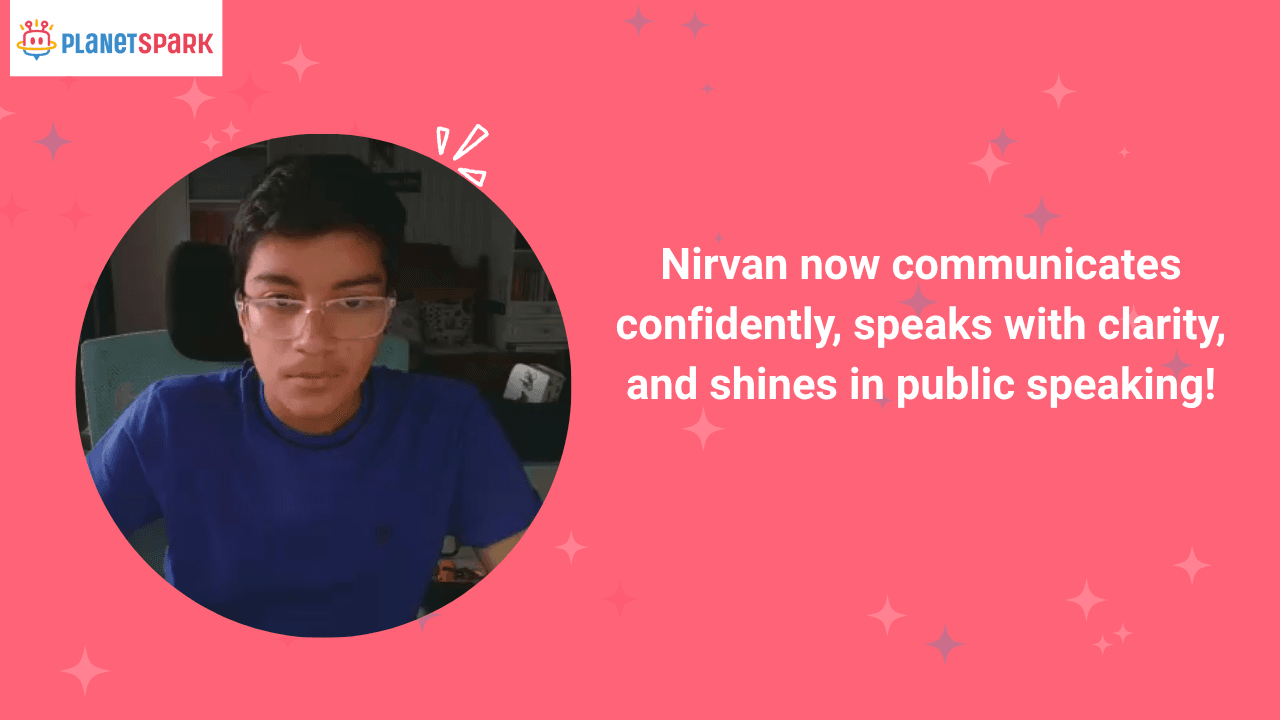
Nirvaan’s Personality Transformation
Nirvaan, aged 9–14, has shown remarkable growth in his personality. He now communicates confidently, expresses his thoughts with clarity, and excels in public speaking. This transformation highlights the impact of structured personality development, helping him build self-confidence, effective communication skills, and a strong presence in social and academic settings.
Conclusion: Elevate Your Career and Confidence with Strong Interview Skills
Mastering interview skills is essential for success in both professional and personal life. Strong communication skills for interviews, confidence, and effective self-presentation can make a significant difference in how you are perceived by interviewers. By understanding what are interview skills, their importance, and different types, you can prepare strategically for any interview scenario.
Improving your skills for interview requires consistent practice, including mock interviews, structured answers, active listening, and attention to non-verbal cues like body language and eye contact. Following practical tips to speak confidently, coupled with guidance from programs like PlanetSpark, helps learners develop not just interview readiness but also leadership, emotional intelligence, and overall personality.
Whether you are a working professional seeking career growth or a young learner building early confidence, investing time in interview skills in communication ensures better opportunities, effective interactions, and personal growth. With preparation, practice, and a focus on holistic development, you can present yourself with clarity, poise, and professionalism, turning every interview into a stepping stone for success.
“Confidence is contagious.”
Build self-assurance and social skills with PlanetSpark.
Frequently Asked Questions
Interview skills are the abilities and techniques used to communicate effectively, present yourself confidently, and answer questions clearly during interviews. They include verbal, non-verbal, and problem-solving skills.
Strong interview skills in communication help create a positive impression, boost confidence, and increase your chances of success in job interviews or professional interactions.
The main types include:
- Verbal communication – speaking clearly and concisely
- Non-verbal communication – body language, posture, eye contact
- Listening skills – understanding questions accurately
- Problem-solving skills – handling scenario-based questions
- Technical skills – subject knowledge related to the job
You can improve by practicing mock interviews, working on communication clarity, enhancing body language, preparing for common questions, and getting feedback from mentors or courses like PlanetSpark.
Effective communication skills for interview allow you to express ideas clearly, structure answers logically, and engage the interviewer, which creates a lasting impression.
Yes! Early training in communication, confidence, and self-presentation builds strong personality traits that help kids excel in academics, public speaking, and future career opportunities.