
Lack of Education: Causes, Effects, and Bridging the Learning Gap
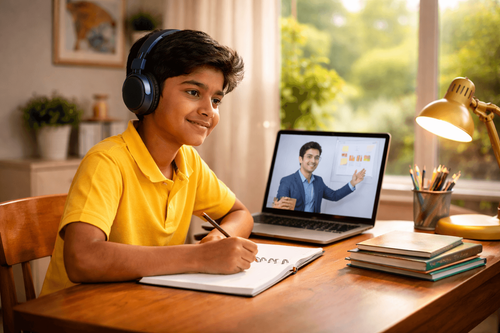

Table of Contents
- Understanding the Lack of Education
- Causes of Lack of Education
- Effects of Lack of Education
- Importance of Education in Skill Development
- Problems Due to Lack of Education in Students
- Solutions for Lack of Education
- How Skill-Based Platforms Bridge the Gap by Planetspark
- Role of Communication Skills in Overcoming Educational Gaps
- Bridging the Gap Through Skills
Education is one of the most powerful tools a child can have. It shapes thinking, builds confidence, and opens doors to opportunities. Yet, lack of education remains a major challenge for many children and students, affecting not only academic growth but also life skills and future success.
For parents and learners, understanding the causes of lack of education, its effects, and practical solutions is essential. More importantly, focusing on skill-based learning—especially communication and confidence—can help bridge this gap effectively. Platforms like PlanetSpark are designed to support children in developing these essential skills through personalized learning experiences.
Understanding the Lack of Education
Lack of education does not only mean not attending school. It also includes situations where learning exists but is not effective or complete. Many children may go to school regularly, yet still face gaps that limit their overall development.
These gaps can include:
Poor quality learning – When teaching methods focus only on memorization rather than understanding, children may struggle to apply knowledge in real-life situations.
Lack of skill development – Education should build essential life skills like communication, confidence, and critical thinking. Without these, students may find it difficult to express themselves or solve problems independently.
Limited exposure to communication and creativity – Children need opportunities to speak, create, and explore ideas. Without activities like storytelling, discussions, or presentations, their creativity and expression remain underdeveloped.
Inadequate guidance and mentorship – Proper guidance from teachers or mentors is crucial for a child’s growth. Without it, students may feel confused, unmotivated, or unsure about their abilities and goals.
In today’s competitive world, education is not just about textbooks. It is about holistic development, including communication, confidence, and critical thinking. When children miss out on these aspects, they face long-term challenges in academics and life.
For students, this gap can lead to hesitation in expressing ideas, low confidence, and difficulty in decision-making. For parents, it becomes important to identify these gaps early and take steps to address them.
Causes of Lack of Education
Understanding the causes of lack of education helps parents and students identify gaps early and take the right steps toward improvement. These causes are often interconnected and impact not just academic learning but also essential life skills like confidence and communication.
1. Limited Access to Quality Education
Many children do not have access to well-equipped schools, trained teachers, or modern learning tools. Even when schools are available, the teaching methods may not focus on real-world skills. This creates a gap where students may learn theory but struggle with practical application and skill development.
2. Lack of Awareness
Parents may not always realize that education today is more than just academic scores. Skills like public speaking, storytelling, and critical thinking are equally important for a child’s overall growth. Without this awareness, children may miss out on opportunities to build confidence and express themselves effectively.
3. Financial Constraints
Economic challenges can make education less accessible for many families. When basic needs take priority, learning opportunities often become limited. This affects not only schooling but also access to additional resources that support skill development.
4. Lack of Personalized Attention
Traditional classrooms usually follow a one-size-fits-all approach, making it difficult for every child to learn at their own pace. Some students may struggle silently without receiving the support they need, which can lead to long-term learning gaps and reduced confidence.
5. Digital Distractions
With increasing screen time, children are often drawn toward entertainment rather than meaningful learning. This reduces focus, attention span, and productivity, ultimately impacting their academic and personal growth.
6. Fear of Failure and Low Confidence
Children who fear making mistakes often hesitate to participate in classroom activities or express their ideas. Over time, this fear can turn into low confidence, limiting their willingness to learn and grow.
👉 To address these challenges, it is important to focus not only on academic learning but also on confidence and communication skills. Platforms like PlanetSpark support children through personalized learning and structured activities that help them overcome these barriers.
Effects of Lack of Education
The effects of lack of education go beyond academics and impact every aspect of a child’s life.
1. Poor Communication Skills
Children may struggle to express their thoughts clearly. This affects:
- Classroom participation
- Social interactions
- Future career opportunities
2. Low Confidence Levels
A lack of exposure and practice leads to hesitation and self-doubt. Children may avoid speaking in public or sharing ideas.
3. Limited Career Opportunities
Without proper education and skills, students may find it difficult to compete in the modern job market.
4. Weak Decision-Making Skills
Education helps in developing critical thinking. Without it, children may struggle to make informed decisions.
5. Social and Emotional Challenges
Children may feel isolated or anxious due to their inability to communicate effectively or keep up with peers.
6. Reduced Creativity and Innovation
Lack of education limits exposure to new ideas, which restricts creativity and imagination.
👉 Clearly, the problems due to lack of education affect not only academic success but also personality development.
Boost your child’s personality and confidence with expert-led 1:1 sessions from PlanetSpark.
Importance of Education in Skill Development
The importance of education lies in its ability to build essential life skills that go far beyond textbooks. In today’s world, modern education is not just about academic knowledge—it focuses on developing well-rounded individuals who are prepared for real-life challenges.
Key areas of focus include:
Communication skills to express thoughts clearly and confidently
Confidence building to help children believe in their abilities
Leadership abilities to take initiative and guide others
Creative thinking to generate new ideas and solutions
Problem-solving skills to handle challenges effectively
For children, these skills are crucial for success not only in school but also in their future careers and personal lives. Education should empower them to:
Speak confidently in different situations
Think independently and make informed decisions
Express ideas creatively through words and actions
Handle challenges effectively with a positive mindset
This is where skill-based learning platforms like PlanetSpark play a crucial role by focusing on real-world skills.
Problems Due to Lack of Education in Students
When children lack proper education and exposure, they face several challenges in their daily lives.
Academic Struggles
Students may find it difficult to understand concepts, complete assignments, or perform well in exams.
Communication Barriers
They may hesitate to speak in class or interact with others, affecting both learning and relationships.
Lack of Confidence
Without encouragement and practice, children may doubt their abilities and avoid opportunities.
Difficulty in Expressing Ideas
Students may have ideas but struggle to put them into words effectively.
Limited Participation
Children may avoid activities like debates, presentations, or competitions due to fear or lack of skills.
👉 These challenges highlight the need for early intervention and skill development.
Solutions for Lack of Education
Addressing the solutions for lack of education requires a combination of awareness, access, and skill-building approaches.
1. Focus on Skill-Based Learning
Education should go beyond textbooks and include communication, creativity, and confidence-building activities.
2. Personalized Learning Approach
Every child learns differently. Personalized sessions help in:
- Identifying strengths and weaknesses
- Providing targeted support
- Improving learning outcomes
3. Encouraging Communication Practice
Children should be encouraged to:
- Speak in front of others
- Participate in discussions
- Share their ideas freely
4. Use of Technology in Education
Digital platforms can provide interactive and engaging learning experiences, making education more accessible.
5. Building Confidence Early
Confidence can be developed through:
- Regular practice
- Positive feedback
- Supportive learning environments
6. Parental Involvement
Parents play a key role by:
- Encouraging learning at home
- Providing opportunities for skill development
- Supporting children emotionally
How Skill-Based Platforms Bridge the Gap by Planetspark
Personalized 1:1 Learning
Personalized 1:1 learning ensures that every child receives individual attention based on their unique needs and learning pace. Unlike traditional classrooms, where one teacher manages many students, this approach allows the teacher to focus completely on one learner.
This leads to:
- Faster improvement as lessons are tailored to the child’s strengths and weaknesses
- Better understanding because concepts are explained in a way the child can easily grasp
- Increased confidence since students feel comfortable asking questions and expressing themselves without hesitation
With continuous feedback and guidance, children not only learn better but also develop a positive attitude toward learning.
Focus on Communication Skills
Communication skills are essential for a child’s overall development and future success. A structured program focuses on building these skills through practical activities and real-life applications.
Such programs typically include:
- Public speaking to help children speak confidently in front of an audience
- Creative writing to improve imagination, vocabulary, and expression
- Storytelling to enhance clarity of thought and presentation
- Presentation skills to organize ideas and deliver them effectively
By practicing these regularly, children become more confident, expressive, and capable of sharing their ideas clearly in any situation.
Expert Guidance
Experienced teachers guide students through structured learning, helping them improve step by step.
Interactive Learning Methods
Classes are engaging and activity-based, making learning enjoyable and effective.
Confidence Building
Regular practice and feedback help students overcome fear and become confident speakers.
Role of Communication Skills in Overcoming Educational Gaps
Strong communication skills can transform a child’s learning journey. They help students to:
- Express ideas clearly
- Participate actively in class
- Build better relationships
- Perform well in interviews and presentations
When children develop communication skills, they automatically gain:
- Confidence
- Clarity of thought
- Leadership abilities
This is why focusing on communication is one of the most effective ways to overcome the challenges caused by lack of education.
About Planetspark: Public Speaking
Core Goal: Build stage confidence, articulation, persuasive speech, and audience engagement.
Detailed USPs:
- 1:1 Public Speaking Coaching by Communication Experts
- Every child gets individual coaching, allowing for customized feedback and personalized growth. Trainers are certified in communication and child psychology.
- Step-by-Step Skill Building
- Curriculum covers: Body Language, Voice Modulation, Speech Structuring, Storytelling, Persuasive Techniques, Extempore, and Debating.
- TED-Style Training Modules
- Children are trained to deliver powerful speeches, just like TEDx speakers – using the “hook, message, story, call-to-action” model.
- Real-Time Practice with Global Peers
- Kids participate in live debates, panel discussions, storytelling circles, and group activities with learners from over 13 countries.
- Public Speaking League & Competitions
- Frequent internal competitions and a national-level Public Speaking League help kids apply their skills in real performance settings.
- Video Feedback Loop
- Students receive video recordings of their speeches, which they watch with their coach for in-depth feedback.
Bridging the Gap Through Skills
Lack of education is a serious challenge, but it can be addressed with the right approach. By focusing on skill development, personalized learning, and communication, parents and students can overcome these barriers effectively.
Strong communication is the foundation of leadership and goal achievement. Platforms like PlanetSpark help learners build these skills through expert-led 1:1 sessions tailored to individual needs.
PlanetSpark covers every aspect of communication skills—whether it’s public speaking, creative writing, storytelling, or leadership communication. These programs are designed to help children become confident speakers and independent thinkers.
👉 For parents who want to give their child a strong foundation in communication and confidence, this is the right time to act.
Book a FREE class today and talk to experts NOW to start your child’s journey toward success!

To explore more about how education builds confidence and communication skills in children, you can refer to this insightful blog by PlanetSpark.
The Transformative Power of Education: Unlocking Knowledge and Inspiring Growth!
Frequently Asked Questions
Lack of education refers to limited access to quality learning, poor skill development, and insufficient exposure to essential life skills like communication, confidence, and critical thinking. It is not just about schooling but also about overall personality development.
The major causes include:
Limited access to quality schools
Financial constraints
Lack of awareness among parents
Poor teaching methods
Lack of personalized attention
Focusing on skill-based learning
Encouraging communication and creativity
Providing personalized learning support
Using interactive online platforms
Programs by PlanetSpark help children overcome these gaps through expert-led 1:1 sessions.
Children may experience:
Poor communication skills
Low confidence
Difficulty in expressing ideas
Limited career opportunities
Weak decision-making abilities
These challenges can impact both academic performance and overall personality.
Education is one of the most powerful tools a child can have. It shapes thinking, builds confidence, and opens doors to opportunities. Yet, lack of education remains a major challenge for many children and students, affecting not only academic growth but also life skills and future success.
For parents and learners, understanding the causes of lack of education, its effects, and practical solutions is essential. More importantly, focusing on skill-based learning—especially communication and confidence—can help bridge this gap effectively. Platforms like PlanetSpark are designed to support children in developing these essential skills through personalized learning experiences.