
Smart Learning Without Books for Kids
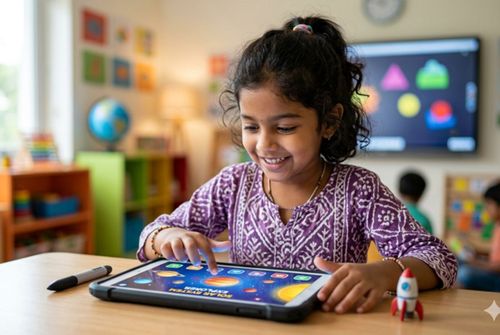

Many children today lose interest when learning is limited to reading and memorising from textbooks. They may understand ideas better when they see, do, or experience something instead of just reading it. This shows that learning is not only about books but also about how a child connects with the concept. That is why learning without books for kids is becoming more relevant, as it focuses on making learning engaging, practical, and easier to understand.
Platforms like PlanetSpark recognise that children learn in different ways and need more than just traditional methods. Instead of relying only on bookish learning, they focus on communication, interaction, and real-life application. This helps children build confidence while understanding concepts deeply, which is essential for long-term learning.
Why Some Kids Don’t Enjoy Book-Based Learning?
Not all children enjoy learning through books, and this is completely normal. Every child has a different way of understanding things, which is why traditional methods may not always work effectively.
Key Reasons:
- Some children prefer visual, practical, or discussion-based learning instead of text-heavy methods
- Long reading sessions can reduce focus, especially when learning feels repetitive or uninteresting
- Reading without interaction is passive, while activities make learning more engaging and effective
This is why alternative learning methods for kids are becoming more important in modern education
Important Insight:
Passive learning often leads to lower engagement and quick forgetting
Active methods like experiential learning for children improve understanding and long-term memory
This shift is also why educators are moving towards non traditional education methods, where children learn through experience rather than memorisation.
Smart Learning Methods Without Books
Smart learning without books means helping children learn through doing, observing, listening, and interacting instead of only reading. It focuses on making learning active and meaningful, where children understand concepts through real-life experiences rather than memorisation.
This is the core idea behind learning without books for kids, where curiosity and participation become the main tools of learning.
Digital and Visual Learning Tools
Technology has made learning more engaging by turning concepts into interactive experiences. There are several learning websites for kids and other tools to help children understand faster and retain better.
- Educational Apps and Websites: Platforms like PlanetSpark, Extramarks, Learning Yard, etc., combine learning with communication and real-life expression, helping children understand concepts while building confidence
- Documentary Videos and Visual Content: Watching educational videos on YouTube helps children visualise concepts, making subjects like science and history easier to grasp
- Audio Learning and Podcasts: Listening to stories and informative content on platforms like Hardcore History and The Memory Palace improves imagination, listening skills, and understanding
- Virtual Field Trips: Children can explore museums, zoos, and historical sites through virtual tours, making learning immersive even from home
Build smarter learning habits with structured guidance. Explore learning without books for kids and improve understanding, confidence, and creativity. Start now!
Hands-on and Experiential Learning
Children learn best when they actively participate. This approach aligns with experiential learning for children, where learning happens through real actions and experiences.
- Simulations and Educational Games: 3D models, interactive games, and simulations make complex topics easier and more engaging
- Field Visits and Outdoor Learning: Visiting banks, science centres, or historical places helps children connect theory with real-world application
- DIY Tasks: Simple activities like building models or creating projects improve problem-solving skills
- Art and Creative Activities: Drawing, building blocks, and craft activities improve creativity and cognitive development without relying on books
Interactive Educational Experiences
Learning becomes more effective when children express, interact, and participate actively instead of passively consuming information.
- Storytelling and Oral Learning: Interactive storytelling helps children improve language skills, imagination, and confidence
- Interactive Quizzes and Instant Feedback: Platforms like Smart Class Plus provide quizzes that help children learn through practice and immediate correction
- Role Play and Group Activities: Acting out situations and discussing ideas improves understanding, communication, and confidence
- Real-Life Activities: Activities like gardening, cooking, or building simple projects teach maths, science, and life skills naturally
These methods show that learning is not limited to textbooks. In fact, combining these approaches with traditional methods creates a more balanced system, moving beyond bookish learning towards smarter, more effective education.
Now that we understand how children can learn beyond books, let’s explore how learning through experience vs books works in different situations.
Books vs Experience: What Works Better for Kids?
When it comes to learning, both books and real-life experience offer valuable insights. However, the key isn't choosing one over the other, but understanding when each method best supports a child's growth and development.
Books provide structured knowledge, while hands-on experiences help children apply concepts in real-world situations. Balancing both can create a well-rounded learning journey for kids.
When Books Work Best
Books are helpful when children need structure and clarity. They provide organised information and step-by-step learning.
Basic concepts
Subjects like grammar rules or formulas are easier to introduce through books- Structured learning
Textbooks help children follow a clear syllabus and progression Exam preparation
Book-based learning supports revision and practice for school exams
When Experience Works Better
Experiential methods are more effective when understanding and application are required.
Understanding concepts deeply
Activities and real-life examples make ideas clearer- Problem-solving skills
Children learn how to think, not just what to remember Real-life application
Concepts become meaningful when connected to everyday situations
The most effective approach is a balance. While books build the base, experiences strengthen understanding. This balance is what defines modern non-traditional education methods, where children learn both theoretically and practically.
How do children actually learn best?
To understand how kids learn effectively, we need to look at how children naturally process information. Learning is not just about reading or listening, but about engaging with ideas.
These are the things that work best for children:
- Active involvement: Children learn better when they participate instead of just listening
- Fun and interactive learning: Games, discussions, and activities increase interest and attention
- Real-life connections: Learning becomes meaningful when linked to daily life experiences
- Freedom to explore and question: Asking “why” and “how” helps children develop a deeper understanding
Approaches like experiential learning improve not only knowledge but also behaviour, confidence, and long-term engagement. This is why modern teaching is shifting towards alternative learning methods for kids, where understanding is prioritised over memorisation.
Benefits of Learning Beyond Books
Learning beyond textbooks is not just a modern trend; it directly improves how children understand, think, and grow. When children move beyond bookish learning, they begin to connect knowledge with real life, making learning more meaningful and effective.
Better Understanding
Children understand concepts more clearly when they see or experience them. Instead of memorising, they learn the “why” behind ideas, which builds strong conceptual clarity.
Longer Memory Retention
When children learn through activities and experiences, they remember it for longer. Studies show that experiential learning helps improve knowledge, behaviour, and retention because children actively participate in the process.
Higher Confidence
When children explore, answer, and express ideas on their own, they become more confident. They are not afraid of making mistakes because learning feels natural, not forced.
Make learning fun and effective with expert-led sessions. Discover alternative learning methods for kids and boost skills beyond textbooks. Join today!
Improved Creativity
Creative tasks like storytelling, drawing, or problem-solving encourage children to think differently. This develops imagination and helps them come up with new ideas.
Strong Communication Skills
When learning involves speaking, discussion, and expression, children learn how to share their thoughts clearly. This improves both academic and real-life communication.
Learning beyond books is not about removing textbooks, but about making learning richer and more effective. In today’s world, this is supported strongly by technology as well. This is where structured guidance and modern learning platforms can make a real difference.
How PlanetSpark Helps Kids Learn Beyond Books?
Every child has a unique way of learning, and the right support can help them grow with confidence. Learning should not feel forced or limited to textbooks, but should encourage children to explore, express, and understand concepts in a meaningful way. This is where learning without books for kids becomes important in building real understanding.
PlanetSpark focuses on helping children move beyond traditional learning by combining communication, creativity, and real-world application. This approach supports both experiential and expression-based learning, helping children build strong skills, confidence, and clarity for the future.
This is how PlanetSpark supports smart learning:
Personalised learning pace
Children learn at their own speed with customised sessions. This ensures better understanding without pressure and supports both fast and deep learners effectively.
Focus on communication skills
Through speaking, storytelling, and discussions, children learn to express ideas clearly. This builds strong language skills along with better conceptual understanding.
Help kids learn better with personalised support. Strengthen experiential learning for children and improve thinking, confidence, and overall performance. Begin now!
Confidence-building approach
Children are encouraged to participate, share opinions, and think independently. This helps them overcome hesitation and become confident learners.
Interactive live sessions
Classes include activities, real-time interaction, and engaging tasks. This makes learning enjoyable and keeps children actively involved.
Real-world application
Concepts are connected to everyday situations and practical examples. This helps children understand better and apply what they learn in real life.
This approach ensures that children not only learn but also grow as confident thinkers and communicators, which is essential in modern education.

Conclusion
Learning is not limited to books, and every child has a unique way of understanding the world. Some learn by reading, while others learn by doing, speaking, and experiencing. Growth happens when children are allowed to explore, ask questions, and enjoy the learning process through alternative learning methods for kids.
With the right guidance, children can become confident and expressive learners. Platforms like PlanetSpark help children move beyond textbooks by building communication skills, confidence, and real-world understanding.
Frequently Asked Questions
Yes, children can learn effectively through activities, interaction, and real-life experiences. In fact, learning without books for kids improves engagement and understanding, and helps children apply concepts better in everyday situations.
Experiential learning for children means learning by doing and exploring. Research shows it improves knowledge, behaviour, and engagement because children actively participate instead of just reading or memorising concepts.
Books are important for structure and basic concepts, but relying only on bookish learning can limit understanding. A combination of books and real-life experiences helps children learn more effectively and confidently.
Using alternative learning methods for kids, like games, storytelling, and hands-on activities, makes learning enjoyable. These methods match how children naturally learn and improve both interest and retention.
PlanetSpark helps children learn through interactive sessions, communication training, and real-life application, making learning engaging, confidence-building, and more effective for different learning styles.
Yes, PlanetSpark supports different learning styles by offering personalised learning, interactive activities, and expression-based methods that help every child learn comfortably and build strong communication skills.