
Teach Essential Life Skills for Kids to Build Independence and Confidence
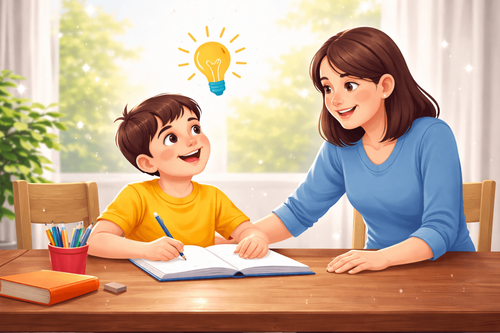

Teaching Life Skills for Kids is essential in today’s fast-changing world where children need more than academic knowledge to succeed. Many children struggle with independence, communication, and responsibility because these skills are not always taught intentionally.
This blog will guide you through essential daily habits, emotional and social skills, and structured approaches like a daily routine chart for kids and a practical life skills curriculum for primary students. By the end, you will have a clear roadmap to help children grow into confident, capable, and responsible individuals.
Essential Daily Life Skills
Daily life skills are the building blocks of independence. These are the small yet powerful habits that shape a child’s routine and mindset.
Personal Hygiene and Self-Care
Personal hygiene is one of the first life skills children should learn. Simple habits like brushing teeth twice a day, washing hands, bathing regularly, and maintaining cleanliness build discipline and self-awareness.
Self-care also includes dressing independently, packing school bags, and keeping belongings organized. These tasks may seem small, but they help children feel capable and confident. Over time, children develop a sense of ownership over their actions, which strengthens their independence.
Time Management with Daily Routine Chart for Kids
A daily routine chart for kids is a powerful tool that helps children understand structure and discipline. It visually represents tasks such as waking up, studying, playing, eating, and sleeping.
When children follow a routine consistently, they learn how to manage time effectively. It reduces confusion and builds a sense of responsibility. Over time, children start completing tasks without reminders, which boosts their confidence and self-discipline.
Basic Household Responsibilities
Involving children in household tasks helps them understand responsibility and teamwork. Activities like cleaning their room, arranging books, watering plants, or helping in simple chores teach accountability.
These tasks also build problem-solving skills. For example, organizing a messy room requires planning and decision-making. Such experiences prepare children for real-life responsibilities.
Decision-Making Skills
Decision-making is a critical life skill that should be developed early. Allow children to make small choices such as selecting clothes, choosing activities, or planning their day.
These opportunities help them understand consequences and improve critical thinking. When children make decisions independently, they become more confident and responsible individuals.
Emotional and Social Life Skills
Emotional and social life skills are essential for building relationships and managing feelings effectively. These skills help children interact confidently with others.
Understanding Emotions
Children often experience emotions but may not know how to express them. Teaching them to identify feelings like happiness, anger, sadness, or excitement helps them manage reactions better.
When children understand emotions, they develop self-awareness and emotional control. This reduces frustration and improves behavior in different situations.
Communication Skills
Communication is one of the most important life skills. Children need to learn how to express their thoughts clearly and listen actively.
Strong communication skills help in academics, friendships, and future careers. Encouraging conversations, storytelling, and discussions can significantly improve their ability to communicate effectively.
Empathy and Respect
Empathy teaches children to understand and care about others’ feelings. It builds kindness, compassion, and respect.
Respecting others’ opinions, values, and boundaries is equally important. These qualities help children build strong and positive relationships.
Teamwork and Collaboration
Teamwork teaches children how to work with others toward a common goal. It involves sharing responsibilities, listening to different ideas, and cooperating effectively.
These skills are important in school projects, sports, and future professional environments.
Also Read: Develop an entrepreneurial mindset to think creatively and lead confidently
Age-Appropriate Development Tips
Teaching life skills should be aligned with a child’s age and abilities. Gradual learning ensures better understanding and confidence.
Early Years
Focus on basic habits like hygiene, following instructions, and simple communication. These foundational skills create a strong base for future learning.
Primary Level
Introduce a practical life skills curriculum for primary students that includes structured activities like problem-solving, teamwork, and communication exercises.
At this stage, children can handle small responsibilities and understand the importance of discipline and organization.
Growing Years
As children grow, they should be given more independence. Encourage them to manage tasks, make decisions, and take responsibility for their actions.
This gradual increase in responsibility prepares them for real-life challenges and builds confidence.
Help your child build confidence and independence. Book a free trial with PlanetSpark today.
How to Teach Life Skills
Teaching life skills requires a practical and consistent approach. Children learn best through experience rather than theory.
Learning Through Practice
Hands-on practice is the most effective way to teach life skills. Encourage children to perform tasks themselves instead of doing everything for them.
Repeated practice helps them gain confidence and improve their abilities over time.
Use Real-Life Situations
Daily activities provide natural opportunities to teach life skills. For example, grocery shopping can teach budgeting, while planning a trip can teach organization.
These real-life experiences make learning meaningful and memorable.
Encourage Questions and Curiosity
Allow children to ask questions and explore ideas. Curiosity leads to better understanding and critical thinking.
Answering their questions patiently builds trust and encourages learning.
Provide Positive Feedback
Appreciating effort is crucial for motivation. Instead of focusing only on results, acknowledge the process and improvement.
Positive feedback boosts confidence and encourages children to keep trying.
Practical Life Skills Curriculum for Primary Students
A structured curriculum ensures that life skills are taught systematically and effectively.
Focus on Holistic Development
A good curriculum includes communication, emotional intelligence, problem-solving, and decision-making. It ensures overall development rather than focusing on one area.
Activity-Based Learning
Interactive activities such as role-playing, group discussions, and creative projects make learning engaging. Children understand concepts better when they are actively involved.
Integration with Daily Life
Life skills should be connected to real-life situations. This helps children apply what they learn in practical scenarios.
Continuous Assessment
Regular feedback helps track progress and identify areas for improvement. It ensures that children are developing skills effectively.
Daily Routine Chart for Kids
A daily routine chart helps children build discipline and manage time effectively. It creates a structured environment for learning and growth.
Benefits of a Routine Chart
- Builds consistency and discipline
- Improves time management
- Reduces stress and confusion
- Encourages independence
- Helps balance study and play
How to Create an Effective Chart
- Include all daily activities clearly
- Use simple language and visuals
- Keep the schedule realistic and flexible
- Review and update regularly
A well-designed routine chart helps children stay organized and confident.
Role of Parents and Educators
Parents and educators are the key influencers in a child’s development. Their guidance shapes how children learn and grow.
Be Role Models
Children learn by observing adults. Demonstrating positive habits and behavior sets a strong example.
Encourage Independence
Allow children to perform tasks on their own. Avoid over-helping, as it may reduce confidence.
Provide Guidance
Offer support when needed but allow children to learn from their experiences. This balance helps them grow effectively.
Create a Positive Environment
A supportive and encouraging environment motivates children to learn and try new things. Appreciation and encouragement play a crucial role.
Also Read: Boost Brain Power with Cognitive Development Games for Kids
Build Confident Individuals with PlanetSpark
PlanetSpark Personality Development programs empower children to develop communication, confidence, and essential life skills through expert guidance, interactive sessions, and structured learning designed for real-world success.
PlanetSpark Personality Development classes are designed to help children build essential life skills along with communication and confidence. These programs focus on real-world application and holistic growth.
Key features include:
- 1:1 personalized coaching with expert trainers
- Live interactive classes for real-time learning
- AI-powered tools for performance analysis
- Structured curriculum for personality development
- Gamified learning modules for engagement
- Regular progress reports and parent feedback sessions
- Opportunities for public speaking and competitions
These programs help children become confident, independent, and effective communicators.

Conclusion
Teaching Life Skills for Kids is one of the most valuable investments in a child’s future. These skills go beyond academics and prepare children for real-life challenges. From managing daily routines to building emotional intelligence, life skills shape confident and responsible individuals.
Start your child’s journey with PlanetSpark and empower them with confidence, independence, and strong communication skills that will help them succeed in every stage of life.
Frequently Asked Questions
The 7 essential life skills include communication, problem-solving, decision-making, self-awareness, empathy, time management, and adaptability. These skills help children become independent, confident, and capable individuals in daily life.
Basic life skills include communication, self-care, decision-making, time management, problem-solving, emotional control, teamwork, adaptability, responsibility, and critical thinking. These skills support overall development and independence in children.
PlanetSpark helps children develop life skills through structured programs focusing on communication, confidence, creativity, and real-world practice, enabling them to become independent and successful individuals.
Life skills for kids include daily habits, emotional understanding, communication, and problem-solving abilities. These skills help children manage responsibilities, build relationships, and grow into confident individuals.
The 7 basic life skills include self-awareness, empathy, critical thinking, decision-making, communication, problem-solving, and stress management. These skills are essential for personal growth and effective interaction with others.