
Life Skills for Students to Succeed in Real Life


Table of Contents
- What Are Life Skills for Students?
- Why Life Skills Are Important for Students
- Fun Life Skills Activities for Students
- Examples of Life Skills Students Can Learn
- How Life Skills Help You Succeed in Real Life
- How Planetspark Helps Students Build Life Skills
- Conclusion: Life Skills for Students Lead to Real-Life Succe
Learning is not just about memorizing facts or scoring good grades. True education goes beyond textbooks. Life skills for students are essential abilities that help young learners navigate challenges, communicate effectively, and make smart decisions in their daily lives. These skills are crucial for personal growth, social development, and long-term success.
Developing life skills early empowers students to manage their emotions, build meaningful relationships, and become responsible, independent individuals. Whether it’s handling conflicts with peers, managing study time effectively, or making important decisions, life skills act as the foundation for success in real life.
In this blog, we will explore what life skills are, why they are important, and how students can practice them through fun activities. By the end, students and working professionals alike will understand the role of life skills in building confidence, resilience, and overall life success.
What Are Life Skills for Students?
Life skills are practical abilities that help students deal with everyday challenges. These skills teach learners how to think critically, solve problems, communicate effectively, and manage themselves in different situations. In short, they prepare students for the realities of life beyond the classroom.
Key Points About Life Skills:
Practical Knowledge: Life skills are applicable in daily life, not just in school.
Decision-Making Abilities: They guide students in making thoughtful choices.
Social Interaction: Life skills help students communicate clearly and build strong relationships.
Self-Management: Skills like time management, organization, and responsibility are included.
Types of Life Skills Students Can Learn:
| Skill Type | Description |
|---|---|
| Communication Skills | Expressing ideas, speaking confidently, listening actively |
| Problem-Solving Skills | Identifying challenges, analyzing options, making solutions |
| Emotional Intelligence | Recognizing feelings, controlling emotions, showing empathy |
| Teamwork Skills | Collaborating with others, sharing responsibilities, achieving group goals |
| Decision-Making Skills | Choosing wisely, evaluating consequences, learning from mistakes |
| Self-Management Skills | Planning tasks, managing time, staying organized and disciplined |
These skills are not only helpful in school but also in every aspect of life. A student with strong life skills can manage stress, interact positively with others, and adapt to new environments smoothly.
How Students Benefit from Life Skills:
Gain confidence to speak up and share ideas.
Learn to be independent and responsible for their actions.
Build healthy relationships with peers, teachers, and family.
Develop a growth mindset for personal and academic success.
Prepare for future challenges, including careers and life decisions.
Extra Tip for Students: Practicing even small life skills daily, like helping with chores, planning a study schedule, or resolving a minor conflict, gradually strengthens these abilities and builds self-confidence.
Why Life Skills Are Important for Students
While grades are important, focusing only on academic achievements can limit a student’s growth. Life skills equip students with the tools to succeed in school, work, and life. They help students become well-rounded individuals who can handle challenges with confidence.
Top Reasons Why Life Skills Are Important for Students:
Builds Self-Confidence:
Life skills teach students how to communicate, solve problems, and make decisions independently.
Confident students are more likely to participate in class, try new activities, and express their ideas.
Encourages Independence:
Students learn to take responsibility for their actions and choices.
Independence nurtures self-reliance, helping them face challenges without constant guidance.
Improves Relationships:
Skills like empathy, teamwork, and communication strengthen friendships.
Understanding emotions helps students resolve conflicts and support peers effectively.
Supports Academic Success:
Life skills such as time management, goal setting, and organization improve learning efficiency.
Students who manage their time and emotions well tend to perform better academically.
Prepares for Real Life:
Life skills teach practical lessons, from handling money and making decisions to coping with stress.
Students learn to adapt to new situations, handle setbacks, and plan for the future.
Life Skills and Emotional Growth:
Stress Management: Techniques like deep breathing, meditation, or journaling help students deal with pressure.
Empathy: Understanding others’ feelings fosters respect, compassion, and positive social interactions.
Resilience: Life skills teach students to bounce back from failures and try again.
Life Skills Activities for Students:
To make learning life skills enjoyable, students can practice the following:
Role-Playing: Students act out real-life situations to improve communication and decision-making.
Team Challenges: Group activities that promote collaboration and problem-solving.
Daily Journals: Reflecting on emotions, experiences, and goals to boost self-awareness.
Budgeting Exercises: Learning to manage money responsibly, set priorities, and plan expenses.
Storytelling Sessions: Enhances creativity, confidence, and verbal expression.
Quick Tip: Integrating these life skills activities for students into daily routines ensures that learning becomes practical, enjoyable, and impactful. Over time, students naturally develop strong abilities that help them succeed in all areas of life.
“Confidence is the first step to success.”
Unlock your potential with Planetspark’s Personality Development Course.
Fun Life Skills Activities for Students
Learning life skills for students doesn’t have to be boring or serious. When students engage in interactive activities, they can practice essential skills while having fun. These activities improve communication, teamwork, decision-making, and emotional intelligence in practical, hands-on ways.
Benefits of Life Skills Activities:
Encourage active learning rather than passive memorization.
Build confidence through practice in real situations.
Help students apply life skills in daily life.
Make learning memorable and enjoyable.
Top Fun Life Skills Activities for Students:
1. Role-Playing Scenarios
Students act out situations like handling conflicts, talking to teachers, or making choices.
Skills Practiced: Communication, decision-making, empathy.
Tip: Give students feedback after the role-play to help them improve.
2. Group Projects and Team Challenges
Small groups work on a project or solve a problem together.
Skills Practiced: Teamwork, collaboration, problem-solving.
Example: Designing a simple event plan or a classroom presentation.
3. Daily Journals or Reflection Activities
Students write about their feelings, experiences, and lessons learned.
Skills Practiced: Self-awareness, emotional intelligence, reflection.
Helps students manage stress and track personal growth.
4. Storytelling and Creative Expression
Students create stories, drawings, or short plays.
Skills Practiced: Creativity, communication, confidence.
Encourages thinking outside the box and expressing ideas clearly.
5. Decision-Making Games
Fun games where students must choose solutions in tricky scenarios.
Skills Practiced: Critical thinking, problem-solving, accountability.
Example: “What would you do if…?” games that encourage discussion.
6. Budgeting and Planning Exercises
Simple exercises like planning a small party or buying supplies within a budget.
Skills Practiced: Money management, prioritization, responsibility.
Table: Life Skills Activities and Their Benefits
| Activity | Life Skills Practiced | How It Helps Students |
|---|---|---|
| Role-Playing | Communication, decision-making, empathy | Builds confidence and social skills |
| Team Challenges | Teamwork, problem-solving | Encourages collaboration and leadership |
| Daily Journals | Self-awareness, reflection | Helps manage emotions and stress |
| Storytelling Sessions | Creativity, communication | Improves verbal expression and confidence |
| Decision-Making Games | Critical thinking, accountability | Enhances problem-solving and responsibility |
| Budgeting Exercises | Money management, planning | Prepares students for real-life tasks |
Quick Tip: These activities can be done at home, school, or online. Even simple daily exercises like planning a day’s tasks or sharing ideas with friends build essential life skills gradually.
“Speak, lead, and shine every day.”
Build communication and leadership skills with Planetspark.
Examples of Life Skills Students Can Learn
To understand life skills for students better, it’s helpful to see real examples that students can practice every day. These examples show how life skills translate into real-world actions.
Key Life Skills Examples for Students:
1. Communication Skills
Explaining ideas clearly to teachers or classmates
Listening carefully during discussions
Expressing emotions politely
2. Decision-Making Skills
Choosing what to study first or how to solve a problem
Evaluating the outcomes of different choices
Learning from mistakes and improving
3. Problem-Solving Skills
Figuring out solutions for group projects
Handling conflicts with friends respectfully
Thinking creatively to overcome challenges
4. Emotional Intelligence
Recognizing personal feelings and controlling reactions
Showing empathy to peers or family members
Handling stressful situations calmly
5. Teamwork and Collaboration
Sharing responsibilities in group tasks
Respecting others’ opinions and ideas
Supporting peers to achieve common goals
6. Self-Management Skills
Organizing study schedules and tasks efficiently
Setting realistic goals and tracking progress
Managing time wisely to balance school, hobbies, and rest
Fun Real-Life Examples:
Helping a friend with homework develops teamwork and empathy.
Planning a small class event teaches budgeting, planning, and decision-making.
Keeping a daily journal improves self-reflection and emotional control.
Table: Life Skills Examples and Daily Applications
| Life Skill | Example | Daily Application |
|---|---|---|
| Communication | Explaining homework clearly | Talking confidently with teachers |
| Decision-Making | Choosing which task to finish first | Prioritizing daily activities |
| Problem-Solving | Resolving group project issues | Handling disagreements with peers |
| Emotional Intelligence | Staying calm when upset | Managing frustration and stress |
| Teamwork | Working together on a school project | Sharing responsibilities at home |
| Self-Management | Organizing study schedule | Planning daily routines effectively |
By practicing these life skills examples for students, learners develop habits that prepare them for school, home, and future professional life. These skills not only help students succeed academically but also build confidence, resilience, and independence.
“Every great achiever starts with self-belief.”
Boost confidence and social skills through Planetspark’s programs.
How Life Skills Help You Succeed in Real Life
Life skills for students are not just for school - they play a crucial role in preparing learners for real-world challenges. These skills help students become independent, confident, and adaptable, setting a strong foundation for success in personal and professional life.
Ways Life Skills Benefit Students in Real Life:
1. Better Decision-Making
Life skills teach students to weigh options and consequences before making choices.
Example: Deciding how to spend free time productively instead of wasting it.
2. Improved Communication
Students learn to express ideas clearly, listen actively, and understand others’ perspectives.
This skill is essential for teamwork, presentations, and social interactions.
3. Enhanced Emotional Intelligence
Recognizing and managing emotions helps students cope with stress and setbacks.
Empathy and understanding improve relationships with friends, family, and peers.
4. Stronger Problem-Solving Abilities
Life skills help students approach challenges creatively and find solutions.
Example: Solving conflicts in a group project without arguments.
5. Increased Self-Confidence
Regular practice of life skills boosts confidence in academics, hobbies, and social life.
Confident students are more willing to take initiatives and try new things.
6. Time Management and Organization
Planning tasks and managing schedules effectively helps students meet deadlines and reduce stress.
These skills are essential for balancing schoolwork, hobbies, and daily responsibilities.
7. Adaptability and Resilience
Life skills prepare students to handle change and bounce back from failures.
Adaptable students thrive in dynamic environments, whether in school or later in their careers.
Quick Tip: Students who practice life skills daily, even in small ways - like helping at home, planning study sessions, or solving small conflicts - are better prepared to succeed academically and in real life.
Table: Life Skills and Real-Life Benefits
| Life Skill | Real-Life Benefit |
|---|---|
| Decision-Making | Makes smarter choices in school & life |
| Communication | Builds strong relationships and teamwork |
| Emotional Intelligence | Handles stress & resolves conflicts calmly |
| Problem-Solving | Finds practical solutions to challenges |
| Self-Confidence | Encourages trying new things & taking initiatives |
| Time Management | Balances studies, hobbies & responsibilities |
| Adaptability | Thrives in changing situations |
By learning and practicing these life skills, students become well-rounded individuals, ready to face challenges, build meaningful relationships, and achieve success in academics, work, and personal life.
How Planetspark Helps Students Build Life Skills
At Planetspark, learning goes beyond academics. Their programs are designed to help students develop life skills alongside strong personality traits, preparing them to succeed in school, social life, and the real world.
Core Goal: Build self-confidence, leadership, emotional intelligence, and social etiquette.
What Makes Planetspark Unique:
Holistic Curriculum: Covers communication, self-introduction, goal setting, leadership, peer interaction, and critical thinking.
Social-Emotional Learning (SEL) Approach: Aligned with CASEL standards to foster personal and interpersonal growth.
Practical, Activity-Based Learning: Students practice life skills through mock interviews, journaling, role-play, and real-life scenario simulations.
Leadership & Self-Presentation: Engaging challenges develop empathy, responsibility, assertiveness, and teamwork.
Confidence Tracking & Parent Consultations: Growth in confidence, openness, and leadership is regularly monitored and shared with parents.
Etiquette and Body Language Training: Focus on eye contact, posture, respectful communication, and tone modulation.
Through Planetspark, students strengthen their life skills for students, gain confidence, and learn to navigate challenges effectively, making them ready to thrive in real-life situations.
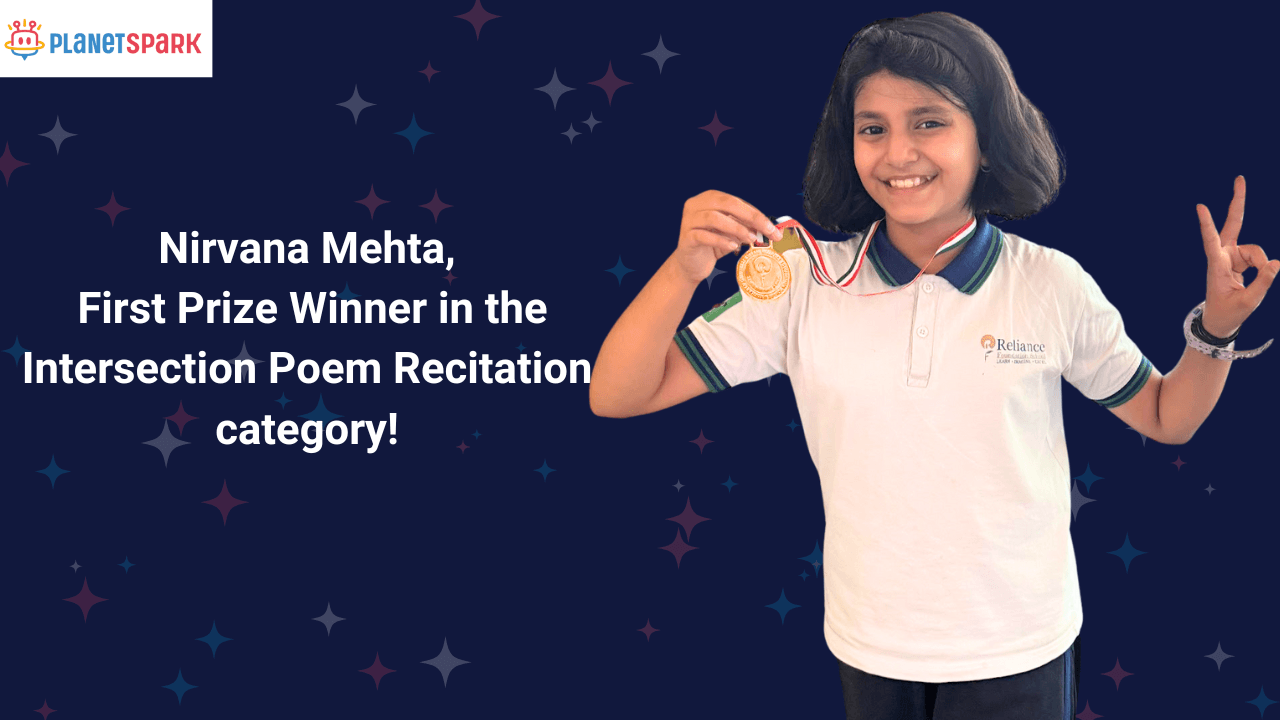
Nirvana Mehta: A Star in Personality Development
Nirvana Mehta, aged 10, won First Prize in the Intersection Poem Recitation category, showcasing confidence, expression, and voice control.
Her achievement reflects how Planetspark’s personality development programs nurture communication, self-confidence, and public speaking skills. With consistent practice and guided learning, Nirvana has learned to express herself clearly, engage confidently, and build essential life skills for real-life success.
Conclusion: Life Skills for Students Lead to Real-Life Success
Developing life skills for students is just as important as academic learning. These skills - ranging from communication, decision-making, and problem-solving to emotional intelligence, teamwork, and self-management - help students navigate challenges, build confidence, and grow into independent, responsible individuals.
By practicing life skills activities for students regularly, learners not only improve academically but also develop habits that prepare them for real-life situations. Skills like empathy, leadership, and time management ensure that students can handle social, personal, and professional challenges with ease.
Programs like Planetspark make this journey engaging and practical. Through activity-based learning, leadership training, confidence tracking, and social-emotional skill-building, students gain the tools they need to thrive both in school and beyond.
Investing time in learning and practicing life skills equips students to succeed, adapt, and lead a confident, fulfilling life. These skills become the foundation for personal growth, academic excellence, and future success.
“Express yourself, inspire others.”
Master public speaking and personality development at Planetspark.
Frequently Asked Questions
Life skills are essential abilities that help students handle daily challenges, make smart decisions, communicate effectively, and manage emotions.
Life skills boost confidence, independence, teamwork, and problem-solving abilities, preparing students to succeed in school, social life, and future careers.
Yes! Life skills activities for students like role-playing, group projects, journaling, and storytelling make learning practical, fun, and memorable.
Life skills can be introduced at any age. Early practice helps children develop confidence, emotional intelligence, and social skills gradually.
Life skills like communication, leadership, and self-management improve confidence, social interaction, and emotional awareness, shaping a strong personality.
Students can practice decision-making, time management, teamwork, empathy, and self-reflection through small daily tasks, journaling, or group activities.