
10 Tips to Manage Exam Stress Effectively & Stay Calm During Exams
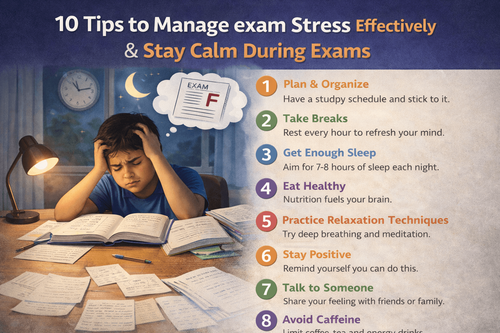

Exams are an important part of every student’s academic journey. Whether it’s school tests or competitive exams, they often bring pressure, expectations, and anxiety. While a certain level of stress can motivate students to perform better, excessive stress can negatively affect both mental health and academic performance.
Many students experience nervousness, fear of failure, lack of confidence, and even physical symptoms like headaches or fatigue during exam time. This is commonly known as exam stress, and if not managed properly, it can lead to poor concentration and reduced performance.
The good news is that exam stress can be managed effectively with the right strategies and mindset. By adopting simple yet practical techniques, students can stay calm, focused, and confident during exams.
In this blog, we will explore what exam stress is, its symptoms, and most importantly, 10 effective tips to manage stress and perform your best in exams.
What Is Exam Stress?
Exam stress is a feeling of anxiety or pressure that students experience before or during exams. It is a natural response to challenging situations where performance matters.
While mild stress can improve focus and alertness, excessive stress can interfere with memory, concentration, and overall performance.
Difference Between Healthy and Unhealthy Stress
Healthy stress can act as a motivator. It encourages students to study, stay organized, and prepare effectively for exams. This type of stress keeps students alert and focused.
On the other hand, unhealthy stress can lead to anxiety, fear, and self-doubt. It can make students feel overwhelmed and unable to concentrate, which ultimately affects their performance.
Common Causes of Exam Stress
Exam stress can arise due to several factors. Understanding these causes helps in managing them effectively.
Students often feel pressure due to high expectations from parents, teachers, or themselves. Lack of preparation or poor time management can also increase anxiety.
Additionally, fear of failure, comparison with peers, and uncertainty about exam outcomes can contribute significantly to stress levels.
Signs and Symptoms of Exam Stress
Recognizing the symptoms of exam stress is important so that it can be addressed early. Stress affects students in different ways, including emotional, physical, behavioral, and cognitive aspects.
Emotional Symptoms
Students experiencing stress may feel anxious, irritable, or overwhelmed. They might have mood swings or feel discouraged even before starting their preparation.
These emotional changes can reduce motivation and make studying feel like a burden.
Physical Symptoms
Stress can also show up physically. Students may experience headaches, fatigue, or difficulty sleeping.
Some students may even feel restless or have changes in appetite, which can further affect their energy levels.
Behavioral Symptoms
Exam stress often leads to changes in behavior. Students may start procrastinating, avoiding studies, or spending excessive time on distractions.
They may also become withdrawn or less interested in activities they usually enjoy.
Cognitive Symptoms
Stress can affect thinking and memory. Students may find it difficult to concentrate, remember information, or stay focused while studying.
This can create a cycle where stress leads to poor performance, which in turn increases stress.
Help your child stay calm and confident during exams—book a demo class today.
Why Managing Exam Stress Is Important
Managing exam stress is essential for both academic success and overall well-being. When students learn to handle stress effectively, they can perform better and maintain a positive mindset.
Improves Focus and Productivity
When stress is under control, students can concentrate better on their studies. This leads to improved understanding and productivity.
Enhances Memory and Retention
A calm mind is more capable of absorbing and retaining information. Managing stress helps students recall what they have studied more effectively.
Supports Mental and Emotional Health
Reducing stress helps maintain emotional balance and prevents anxiety from affecting daily life.
Leads to Better Academic Performance
Students who manage stress well are more confident and perform better in exams.
10 Tips to Manage Exam Stress Effectively
Let’s explore the first five powerful strategies that can help students stay calm and focused during exams.
1. Create a Realistic Study Plan
Having a structured study plan reduces uncertainty and helps students stay organized. Without a plan, students may feel overwhelmed by the syllabus.
A realistic study schedule should break the syllabus into smaller, manageable sections. This makes studying less stressful and more achievable.
It is also important to include time for revision and practice. Planning ahead ensures that students are not rushing at the last moment.
2. Take Regular Breaks While Studying
Studying continuously for long hours can lead to fatigue and reduced concentration. Taking short breaks helps refresh the mind and improve focus.
Techniques like the Pomodoro method, where students study for a fixed time and then take a short break, can be very effective.
Breaks should be used wisely—activities like stretching, walking, or relaxing can help recharge energy levels.
3. Practice Deep Breathing and Relaxation Techniques
Relaxation techniques can help calm the mind and reduce anxiety. Deep breathing exercises are simple yet highly effective.
Taking slow, deep breaths helps reduce stress and improves focus. Mindfulness and meditation can also help students stay present and avoid overthinking.
Regular practice of these techniques can make a significant difference during exam time.
Turn exam stress into success with expert guidance—try PlanetSpark now.
4. Stay Physically Active
Physical activity plays an important role in reducing stress. Exercise releases endorphins, which improve mood and reduce anxiety.
Simple activities like walking, yoga, or stretching can help students stay active without taking too much time.
Regular movement also improves energy levels and helps maintain overall health during exams.
5. Maintain a Healthy Diet
A balanced diet is essential for both physical and mental well-being. Eating nutritious food helps improve concentration and energy levels.
Foods rich in vitamins, proteins, and healthy fats support brain function. Staying hydrated is equally important.
Students should avoid excessive junk food and sugary snacks, as they can lead to energy crashes and reduced focus.
6. Get Enough Sleep
Sleep is crucial for memory and concentration. Many students sacrifice sleep while preparing for exams, which can negatively affect performance.
A well-rested mind is more alert and better able to recall information. Students should aim for 7–8 hours of sleep daily.
Proper sleep also helps reduce anxiety and keeps the mind calm.
7. Avoid Negative Thinking
Negative thoughts can increase stress and reduce confidence. Students often worry about failure or compare themselves with others.
Replacing negative thoughts with positive affirmations can help build confidence. Believing in one’s abilities is key to staying calm.
Focusing on effort rather than outcomes helps reduce pressure.
8. Practice Mock Tests and Revision
Regular practice builds familiarity with exam patterns and improves confidence. Mock tests help students understand their strengths and weaknesses.
Revision ensures that important concepts are reinforced. It also reduces last-minute panic.
Practicing under exam-like conditions can help students manage time effectively.
9. Talk to Someone You Trust
Sharing feelings with parents, teachers, or friends can help reduce stress. Talking about worries makes them feel lighter and more manageable.
Support from others provides encouragement and reassurance.
Students should not hesitate to seek help when needed.
10. Stay Organized and Prepared
Being organized reduces last-minute stress. Students should keep their study materials, notes, and exam essentials ready. Planning ahead for exam day helps avoid unnecessary panic.
Common Mistakes Students Make During Exams
Understanding common mistakes is one of the most effective ways for students to improve their exam performance. Many students prepare well but still lose marks due to avoidable errors during the exam. These mistakes are often linked to stress, poor time management, or lack of awareness. By identifying and correcting these patterns, students can approach exams with greater clarity and confidence.
Overthinking
Overthinking is a common issue that affects even well-prepared students. When faced with a question, students may start doubting their knowledge and consider multiple possible answers, even when their first instinct was correct. This not only wastes valuable time but also increases anxiety. Overthinking can lead to simple mistakes, especially in objective questions or calculations. Training yourself to trust your preparation and stick to logical reasoning can help reduce unnecessary confusion.
Skipping Revision
Many students focus heavily on learning new topics but underestimate the importance of revision. Without proper revision, even well-understood concepts can fade from memory during the exam. This often leads to incomplete answers or difficulty recalling key points. Regular revision helps reinforce learning, improves recall speed, and ensures that important formulas, definitions, and concepts stay fresh in the mind. A structured revision plan can make a significant difference in exam performance.
Comparing with Others
Comparing yourself with others before or during exams can negatively impact your confidence. Students often feel anxious when they perceive others as better prepared, even if that may not be true. This comparison shifts focus away from personal strengths and preparation. It creates unnecessary stress and can lower self-belief. Instead of comparing, students should concentrate on their own progress and trust their preparation. Confidence grows when you focus on your own journey rather than external benchmarks.
Long-Term Benefits of Stress Management Skills
Stress management is not just important for exams—it is a life skill that benefits students far beyond academics. Learning how to stay calm and focused under pressure helps students handle challenges more effectively in different areas of life. Developing these skills early creates a strong foundation for personal and professional growth.
Improved Academic Performance
Students who manage stress effectively are able to think clearly and focus better during exams. They are less likely to panic, which allows them to recall information accurately and attempt questions with confidence. A calm mind improves concentration, reduces careless mistakes, and helps in better time management during exams. Over time, this leads to consistently better academic results.
Emotional Resilience
Stress management builds emotional strength. Students learn how to handle pressure, setbacks, and unexpected challenges without feeling overwhelmed. This resilience is especially important during competitive exams or difficult situations. Instead of giving up or feeling discouraged, resilient students stay motivated and continue working towards their goals.
Better Decision-Making
When students are calm, they are able to think more logically and make better decisions. This is particularly useful during exams when they need to choose which questions to attempt first or how to allocate their time. Stress often leads to rushed or poor decisions, while a composed mindset helps students evaluate situations clearly and respond effectively.
Tips to Build Confidence Before Exams
Confidence plays a crucial role in reducing exam stress and improving performance. Even well-prepared students may underperform if they lack confidence. Building confidence is a gradual process that comes from preparation, mindset, and consistent practice.
Positive Self-Talk
The way students talk to themselves has a direct impact on their confidence. Negative thoughts like “I’m not prepared enough” or “I might fail” can increase anxiety and reduce motivation. Replacing these thoughts with positive affirmations such as “I have prepared well” or “I can handle this” creates a more supportive mindset. Positive self-talk helps students stay calm, focused, and motivated during exams.
Regular Practice
Confidence grows with consistent effort. Regular practice through mock tests, sample papers, and revision exercises helps students become familiar with exam patterns and question types. It also improves speed and accuracy. The more students practice, the more comfortable they feel during the actual exam. This familiarity reduces fear and builds a sense of control.
Visualizing Success
Visualization is a powerful technique where students imagine themselves performing well in the exam. By picturing success—such as answering questions confidently or completing the paper on time—students can reduce fear and anxiety. This mental preparation creates a positive outlook and strengthens belief in their abilities. Over time, visualization helps students approach exams with confidence and clarity.
Frequently Asked Questions
Exam stress is caused by pressure, lack of preparation, and fear of failure.
Yes, it is normal, but it should be managed effectively.
Practice relaxation techniques and stay prepared.
Yes, proper sleep improves focus and memory.
By providing support, encouragement, and a positive environment.