
How PlanetSpark Make My Child Enjoy Participating in Learning

Table of Contents
- Why Do Some Children Enjoy Learning While Others Don’t?
- What Kind of Classes Help Children Enjoy Participation?
- How to Creates an Engaging Learning Experience
- The Role of Speaking in Active Learning
- Skills Children Build When They Enjoy Learning
- How Personality Development Classes Encourage Active Partici
- From Stage Fear to First Prize in Poetry Recitation
- How PlanetSpark Supports Shy and Hesitant Learners
- Conclusion
Every parent wants to say with confidence: my child enjoys participating in learning. This reflects more than academic progress; it shows curiosity, confidence, and comfort in learning. Unfortunately, not all classrooms create this experience. Many children lose interest because classes feel repetitive, rigid, or stressful. When learning feels forced, children withdraw and stop participating actively.
At PlanetSpark, parents notice changes within weeks. They observe that my child enjoys participating in discussions, shares ideas freely, and looks forward to class time. Learning becomes engaging instead of a task. This blog explains the kind of classes that make this difference and why PlanetSpark’s approach works so well.
Why Do Some Children Enjoy Learning While Others Don’t?
Children are naturally curious. They ask questions, explore ideas, and share stories. The problem often lies in the learning environment, not in the child.
Common Barriers to Participation
- One-way instruction: Teachers speak while children listen. Kids rarely get to express thoughts.
- Fear of mistakes: Public correction can make children hesitant to speak.
- Lack of personal expression: When classes ignore children’s opinions, they lose interest.
These factors reduce confidence and curiosity. Parents often ask how to encourage students to participate in class, but the solution starts with how classes are designed.
What Kind of Classes Help Children Enjoy Participation?
Children are naturally curious and eager to learn, but not every class taps into that curiosity effectively. The most engaging classes are designed around three core qualities: interaction, safety, and expression. In these classes, participation is not optional; it is an essential part of the learning process. When children are encouraged to take part actively, they feel seen, valued, and motivated. This creates an environment where learning becomes exciting rather than stressful.
Features of Participation-Friendly Classes
1. Interactive Learning
Interactive learning keeps children actively involved in every session. Teachers ask open-ended questions that allow for multiple answers, rather than simple yes or no responses. This ensures that every participate student has the chance to speak and share their thoughts. For example, instead of asking, “What is the capital of France?” a teacher may ask, “If you could visit France, what places would you like to see and why?” This encourages children to think creatively and express opinions freely.
2. Discussion-Based Format
Classes that rely on discussion rather than lectures allow children to explain concepts in their own words. They can respond to their peers’ ideas, compare opinions, and even respectfully debate different viewpoints. This approach helps children feel like active contributors rather than passive listeners. It also strengthens critical thinking, as children learn to justify their ideas and listen to alternative perspectives. Over time, children understand how to participate in class confidently because they are used to sharing ideas regularly.
3. Supportive Environment
A safe and supportive environment is key to fostering participation, especially for shy or hesitant learners. Teachers encourage responses and celebrate effort rather than focusing solely on correctness. Children learn that making mistakes is part of the learning process. For instance, a teacher might respond to a partially correct answer with, “That’s an interesting thought. Can you explain it a bit more?” This approach reduces fear, builds confidence, and motivates students to speak up more often.
The Benefits of Participation-Friendly Classes
When these three elements interaction, discussion, and supportare combined, children naturally engage in the learning process. Participation increases, confidence grows, and even the quietest students start contributing. Parents often notice that their children are more enthusiastic about attending classes and are eager to share their ideas at home. Importantly, these skills extend beyond the classroom. Children who experience participation-friendly learning environments develop stronger communication skills, critical thinking, and social confidence that will serve them throughout their education and daily life.
How to Creates an Engaging Learning Experience
Focus on keeping children involved from start to finish. Each session is structured yet flexible, balancing instruction and expression.
Key Elements Engaging Classes
- Small groups: Ensures every child gets enough speaking time.
- Teacher guidance: Teachers interact with each child individually and guide them through discussions, storytelling, and opinion-based tasks.
- Real-life topics: Children relate to daily experiences like school life, friendships, and social situations.
These strategies help children understand how to participate in class confidently. Over time, parents notice that my child enjoys participating in learning beyond the classroom.
The Role of Speaking in Active Learning
Speaking is not just a communication skill; it is a thinking tool. PlanetSpark places speaking at the center of learning to help children:
- Organize thoughts logically
- Process and analyze information
- Reflect on ideas before responding
Regular speaking practice improves fluency and confidence. Children also become better listeners as they respond to peers and understand different viewpoints.
Skills Children Build When They Enjoy Learning
When children enjoy learning, participation naturally increases. Active participation not only makes classes fun but also helps children develop important life skills that go beyond academics. At PlanetSpark, children engage in interactive and supportive sessions that build confidence, critical thinking, and communication abilities. These skills grow naturally when children are encouraged to speak, share ideas, and contribute regularly in class.
Communication Skills
One of the most visible skills children develop is effective communication. When children speak regularly:
- They learn to organize thoughts clearly.
- They choose appropriate words to express ideas.
- They gain confidence in expressing themselves in front of peers and teachers.
This skill helps children both in school discussions and in everyday conversations at home. Parents often notice that children explain ideas more confidently and listen more attentively.
Critical Thinking and Problem Solving
Classes that encourage active participation also foster critical thinking. Children learn to:
- Analyze situations before responding.
- Form opinions and explain reasons behind their choices.
- Compare different viewpoints and make informed decisions.
This ability to reason logically strengthens problem-solving skills and encourages independent thinking, which is useful in both academic and real-life situations.
Emotional and Social Skills
Enjoyable learning also builds emotional intelligence. Children learn to:
- Express feelings clearly and calmly.
- Handle disagreements and conflicts constructively.
- Work collaboratively with peers in group activities.
By practicing these skills in a supportive environment, children gain social confidence and develop healthy relationships.
Confidence and Leadership
Regular participation helps children develop self-assurance and leadership qualities. They learn to:
- Take initiative in discussions and activities.
- Encourage others to share ideas and collaborate.
- Present thoughts clearly and persuasively.
In summary, when learning feels enjoyable, children naturally develop communication, critical thinking, emotional intelligence, and leadership skills. These abilities are not only essential for academic success but also for personal growth. Parents often observe that my child enjoys participating in learning and applies these skills confidently in school and daily life.
How Personality Development Classes Encourage Active Participation
Personality development classes are more than just learning soft skills; they are a structured way to help children gain confidence, express themselves, and actively engage in learning. These classes focus on building traits like communication, leadership, critical thinking, and emotional intelligence, which naturally encourage children to participate. At PlanetSpark, personality development is integrated into every session, ensuring that children do not just listen; they actively contribute, interact, and practice new skills.
Building Confidence Through Participation
One of the main goals of personality development classes is to make children feel confident in expressing their thoughts. Many children hesitate to speak in class because they fear mistakes or worry about what others will think. Personality development classes address this by:
- Providing small group settings, where each child gets ample opportunity to speak.
- Offering positive reinforcement, where effort is celebrated even if answers are not perfect.
- Encouraging children to take small risks, like presenting an idea or leading a discussion, which builds self-assurance over time.
When children feel safe and supported, parents often notice that my child enjoys participating in class discussions more than before.
Focused Activities That Promote Speaking
Personality development classes use a variety of activities to ensure active participation:
- Role-playing exercises: Children act out real-life situations, helping them practice problem-solving and speaking confidently.
- Group discussions: Children share opinions on everyday topics or stories, learning to listen and respond effectively.
- Presentation tasks: Children present ideas or stories, enhancing clarity, organization, and public speaking skills.
- Debates and quizzes: These activities make participation exciting and encourage critical thinking while keeping children engaged.
Each of these activities ensures that every participate student has a role, and children gradually develop the habit of contributing actively in class.
Encouraging Emotional Intelligence
Personality development classes also help children understand and manage their emotions. Children learn how to express feelings, handle disagreements, and communicate ideas without hesitation. This emotional awareness reduces anxiety about participation and helps even shy or hesitant learners raise their hands, share thoughts, and engage in discussions confidently.
Transfer of Skills to Other Areas
The benefits of personality development classes extend beyond the classroom. Children who actively participate in these classes often show improvements in:
- School interactions: They answer questions, join group activities, and collaborate with peers more confidently.
- Social skills: They communicate clearly with friends and family and express opinions politely.
- Problem-solving abilities: Children think critically, reason logically, and make decisions effectively.
As children experience success in these activities, parents frequently observe that my child enjoys participating in learning, both in personality development sessions and other academic or social settings.
From Stage Fear to First Prize in Poetry Recitation
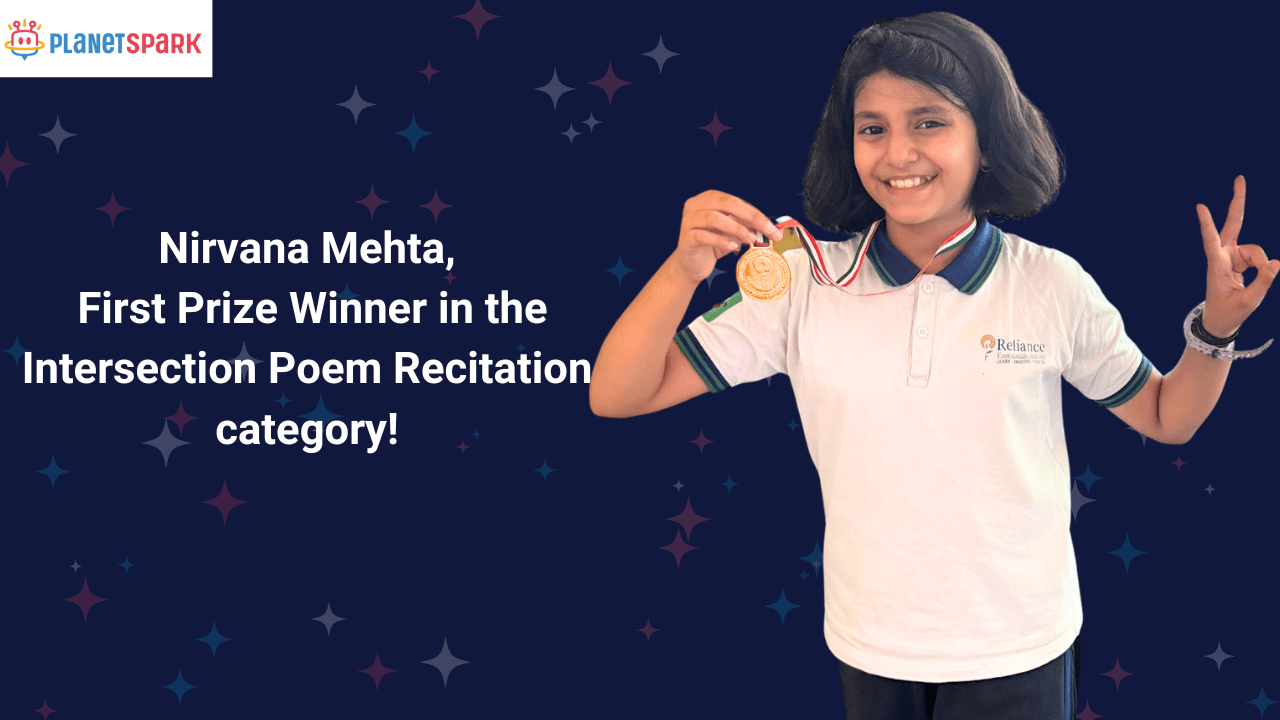
Nirvana Mehta shines as the First Prize Winner in the Intersection Poem Recitation category, showcasing remarkable confidence, expression, and voice control. Her journey reflects the power of strong communication and public speaking skills nurtured through consistent practice and guided learning at PlanetSpark.
How PlanetSpark Supports Shy and Hesitant Learners
Shy children often struggle in traditional classrooms. PlanetSpark addresses this by:
- Using small groups to reduce anxiety
- Encouraging participation gradually and gently
- Building comfort before expecting active responses
This approach helps hesitant children speak confidently over time. Parents often report that my child enjoys participating in learning even if they were shy initially.
Conclusion
Children enjoy learning when classes allow them to speak, think, and express freely. Participation builds confidence, and confidence fuels curiosity. PlanetSpark creates this environment by focusing on interaction, support, and personality development.
When learning feels engaging and supportive, participation becomes effortless. That is why many parents proudly say, my child enjoys participating in learning, and they see the impact not only in class but in everyday life.
Frequently Asked Questions
Children develop practical skills that go beyond academics. These include public speaking, leadership, teamwork, critical thinking, and emotional intelligence. They learn how to communicate effectively, collaborate with peers, handle conflicts, and make confident decisions. Regular participation also helps children become independent thinkers who can apply these skills in school, social settings, and daily life, giving them a strong foundation for lifelong success.
Shy or hesitant children often struggle to speak in large or formal settings. PlanetSpark addresses this by using small batches, gentle guidance, and structured activities that allow children to participate at their own pace. Teachers patiently encourage responses, celebrate effort, and reduce the fear of making mistakes. Over time, children build confidence, start expressing ideas willingly, and actively engage with peers during class discussions.
Personality Development classes focus on helping children express themselves clearly and confidently. Through storytelling, debates, presentations, and guided discussions, children gradually overcome hesitation. Teachers provide support and positive reinforcement, encouraging children to take small risks in speaking and leadership activities. Over time, children gain self-assurance, improved communication skills, and the ability to share ideas comfortably in both classroom and social settings.
Parents receive structured feedback and progress reports after every session. These reports highlight improvements in communication, confidence, and engagement levels. Teachers also provide insights into areas where children excel and where they need gentle guidance. Parents can observe changes not only in class participation but also in how children express ideas at home and school, making progress measurable and meaningful.
Unlike typical online classes that rely on lectures or video watching, PlanetSpark emphasizes active participation. Children engage with teachers and peers in real time, discuss real-life topics, and practice speaking confidently. The focus is on communication, critical thinking, and leadership rather than rote learning. This interactive approach ensures children enjoy learning, retain information better, and gradually develop skills that benefit both academics and social life.
PlanetSpark creates a fun and interactive learning environment where children actively speak, answer questions, and share ideas. Small-group sessions ensure every child has the opportunity to contribute. Teachers encourage participation through discussions, storytelling, and role-playing, helping children gain confidence and making learning an enjoyable experience rather than a task. Over time, children develop the habit of speaking up and expressing themselves freely.