
Personal Development Plan: Shape Skills That Last a Lifetime with Planet Spark


Table of Contents
A Personal Development Plan is not a motivational worksheet or a short-term self-help exercise. It is a structured, evidence-backed framework that helps adults identify skill gaps, set meaningful goals, and track progress across personal, professional, and emotional dimensions of life. This blog answers the most common questions adults search for: What exactly is a personal development plan, and how to create one that works in real life. By the end of this guide, readers will understand how a personal development plan, an individual development plan, and well-defined personal development goals work together to build communication skills, leadership abilities, confidence, and adaptability. Learn about how PlanetSpark personality development programs strengthen these outcomes through structured feedback, communication mastery, and lifelong learning skills.
What Is a Personal Development Plan?
A Personal Development Plan (PDP) is a documented roadmap that helps individuals consciously enhance their skills, behaviours, mindset, and overall performance over time. Unlike vague self-improvement intentions, a PDP is measurable, reflective, and goal-driven. Research demonstrates that structured PDPs can significantly support growth by promoting meaningful reflection, targeted learning, and improved performance outcomes when used with proper guidance and feedback.
At its core, a Personal Development Plan (PDP) answers four critical questions:
1. Where am I now? - For example, Rhea, a university lecturer, noticed her classroom engagement was low, with student feedback averaging 65% positive on clarity and interaction.
2. Where do I want to be? - She aimed to deliver lessons confidently, encourage participation, and achieve 90% positive feedback within six months.
3. What skills or behaviours must change? - Rhea focused on voice projection, structured lesson planning, and interactive teaching techniques, practising weekly and seeking guidance from mentors.
4. How will progress be measured? - Progress was tracked through student surveys, peer observations, and self-reflection logs, with monthly reviews to adjust strategies.
Learners use PDPs to strengthen decision-making, emotional intelligence, communication skills, leadership readiness, and adaptability. When paired with guided learning environments, PDPs become practical tools rather than theoretical plans.
Turn self-awareness into lifelong success.
PDP: The Role of 360-Degree Feedback
One of the most overlooked yet powerful aspects of an effective personal development plan is 360-degree feedback. This method gathers insights from supervisors, peers, mentors, and self-reflection to create a balanced view of strengths and improvement areas.
Why 360-Degree Feedback Strengthens PDPs
- Reveals blind spots that self-assessment often misses
- Aligns self-perception with external impact
- Improves leadership readiness and communication clarity
- Enhances emotional intelligence and adaptability
How It Fits Into a PDP
Integrating feedback-driven learning helps individuals to refine speaking skills, confidence, and interpersonal effectiveness, which directly strengthens PDP outcomes.
Build a personal development plan that improves communication, confidence, and clarity.
With PlanetSpark personality development, turn everyday effort into lasting progress.
How to Write a Personal Development Plan
Writing a personal development plan requires clarity, structure, and accountability. The process below reflects a real-world application rather than theory.
Step-by-Step PDP Framework
Step 1: Conduct a Skills Audit
- Communication skills
- Leadership and decision-making
- Emotional intelligence
- Time and productivity management
Step 2: Define Clear Personal Development Goals
Goals must be specific, time-bound, and outcome-driven.
Step 3: Identify Learning Strategies
- Coaching and mentorship
- Skill-based programs
- Practice-based learning and feedback loops
Step 4: Set Review Milestones
Monthly and quarterly check-ins ensure consistent progress.
A well-structured personal development plan turns self-awareness into consistent action, ensuring that skill development remains intentional, measurable, and aligned with long-term growth.
Personal Development Plan Example
Objective: Strengthen public speaking effectiveness and leadership presence in professional settings
Current State:
Strong written communication skills with limited confidence in verbal articulation, particularly during high-stakes meetings and group discussions
Personal Development Goals:
- Deliver structured presentations with clear messaging and audience engagement
- Demonstrate confidence and authority during team discussions and leadership forums
Action Plan:
- Enrol in a guided communication and personality development program focused on speaking clarity and presence
- Practice weekly structured speaking exercises, including impromptu and prepared formats
- Seek structured feedback from mentors and peers after presentations and meetings
Timeline: 6 months
Success Metrics:
- Measurable improvement in presentation evaluation scores
- Positive leadership and peer feedback on communication confidence
- Increased self-assessed confidence in professional speaking situations
Review Schedule:
Monthly progress reviews with a comprehensive evaluation at the end of six months
This personal development plan example illustrates how structured learning, feedback mechanisms, and regular review cycles create sustainable and measurable professional growth.
Plan growth that lasts a lifetime.
Design a personal development plan backed by structure, feedback, and expert guidance with PlanetSpark.
Key Components of a Personal Development Plan
A strong personal development plan includes more than goals. It integrates reflection, learning, and accountability.
1. Self-Awareness Mapping: Identifies strengths, values, and limiting behaviours.
2. Personal Development Goals: Clear outcomes aligned with career and life priorities.
3. Learning Resources: Programs, mentors, and platforms that focus on communication and personality development.
4. Measurement Metrics: Progress indicators tied to performance and behaviour change.
5. Review Mechanism: Regular evaluation ensures adaptability and relevance.
Benefits of Personal Development Plans
The benefits of personal development plans extend far beyond basic skill improvement. Research-driven insights show deeper, long-term advantages.
Career Agility: PDPs help professionals pivot roles and industries with confidence. Leadership Readiness: Structured plans develop decision-making and influence skills. Improved Communication: Targeted development strengthens clarity, persuasion, and presence. Emotional Intelligence Growth: Reflection and feedback improve empathy and resilience. Sustained Motivation: Clear milestones reduce burnout and decision fatigue.
Adults using PDPs alongside guided learning programs demonstrate higher retention of skills and faster professional advancement.
Why Choose PlanetSpark Personality Development
- Holistic Curriculum Beyond Academics focuses on communication etiquette, self-introduction, goal setting, peer interaction, leadership, self-awareness, and critical thinking.
- Social-Emotional Learning Based Design is aligned with CASEL principles to strengthen emotional regulation, empathy, and interpersonal skills.
- Practical, activity-based learning utilises mock interviews, public introductions, journaling, feedback sharing, and real-life scenario practice.
- Leadership and Self-Presentation Training develops empathy, responsibility, assertiveness, and teamwork through guided challenges.
- Confidence Meter and Parent Consultations track growth in confidence, openness, and leadership with regular parent updates.
- Etiquette and Body Language Sessions teach eye contact, posture, respectful communication, and effective tone modulation.
From communication to leadership, PlanetSpark’s personality development programs help turn personal development plans into real progress.
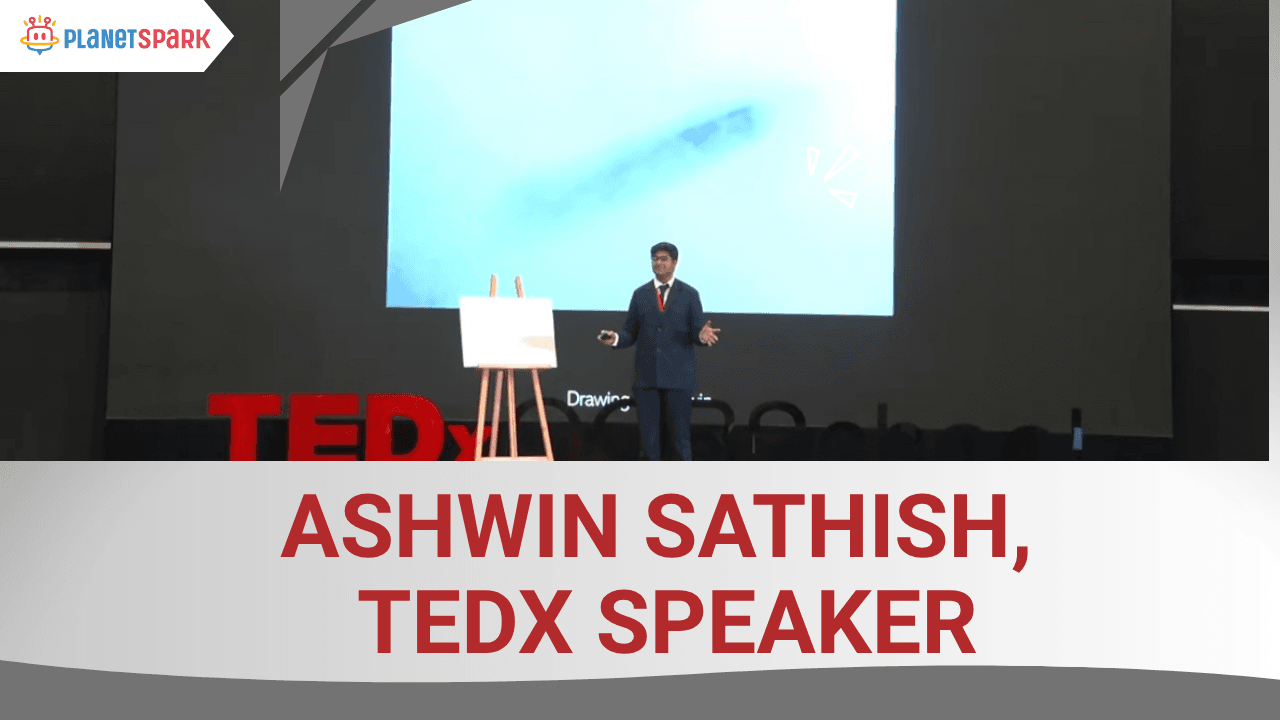
Ashwin, a learner from New Delhi, transformed his communication and leadership skills through PlanetSpark’s personality development programs. With focused guidance on voice modulation, stage presence, and confident articulation, he progressed from participating in classroom discussions to delivering a TEDx talk on a global stage. His journey exemplifies how structured personality development, mentorship, and consistent practice can foster confidence, leadership presence, and public speaking skills that endure a lifetime.
Conclusion
A personal development plan is not a one-time exercise but a lifelong framework for intentional growth. When designed with clarity, feedback, and regular review, it helps individuals build communication skills, confidence, emotional intelligence, and leadership readiness that remain relevant across changing life stages. The right plan does not just prepare individuals for the next goal; it prepares them for long-term success.
Frequently Asked Questions
A personal development plan (PDP) is a clear roadmap to improve your skills, habits, mindset, and performance. It helps adults build confidence, communication skills, and leadership over time.
To make a personal development plan, start with a skills check, set clear personal development goals, choose learning methods like mentorship or programs such as PlanetSpark, and track your progress regularly.
A personal development plan focuses on overall personal growth. An individual development plan focuses on job-specific skills. Both help adults grow professionally and personally.
Personal development goals examples include improving public speaking, becoming a better leader, managing time well, or boosting confidence. Programs like PlanetSpark help make these goals achievable.
A personal development plan for students helps them develop confidence, communication, and life skills. PlanetSpark provides activities, feedback, and guidance to help students grow step by step.