
Pretend Play Games for Kids: Boost Creativity & Confidence
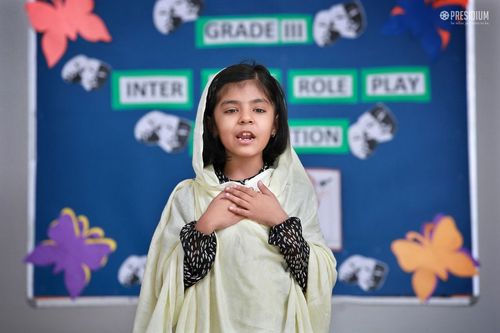

Pretend play games for kids are not just simple pastimes; they are crucial developmental tools that help children learn about themselves and the world around them. Whether playing role-play games for kids at home or engaging in role-play in real life, pretend play activities nurture creativity, social skills, emotional intelligence, and cognitive growth. This comprehensive guide from PlanetSpark offers the best pretend-play ideas for kids, explains why pretend-play is important, outlines its benefits, and shows how parents and caregivers can encourage this invaluable form of play.
What is Pretend Play?
Pretend play, also known as imaginative or dramatic play, involves children using their creativity to assume roles and act out scenarios. This could range from playing house and pretending to be doctors, shopkeepers, astronauts, or superheroes, to creating fantastic stories with imaginary friends. Role-play games for kids simulate real or imaginary situations, allowing children to explore and practice real-life skills in a fun and safe environment.
Why Pretend Play Games Are Important for Kids
Pretend play is vital because it activates multiple areas of a child's brain, promoting holistic development. According to some child development experts, when children engage in pretend play, they are not just having fun; they are learning language, social interaction, cognitive skills, emotional regulation, and physical coordination.
Social and Emotional Development
Through role-play games for kids in real life or at home, children practice empathy by understanding and expressing a range of emotions. They learn to read social cues, share, take turns, negotiate, and resolve conflicts, all essential social skills for future relationships. Pretending to care for a crying doll enhances nurturing instincts and provides a safe space for children to experience and process complex emotions.
Cognitive Growth and Language Skills
Pretend play stimulates language development as children narrate their actions, negotiate roles, and describe scenarios. Their vocabulary expands naturally as they mimic adults or create new fictional words. Role-play games foster problem-solving and executive functioning skills, such as planning, memory, flexible thinking, and impulse control, by requiring children to organise their play and manage multiple storylines.
Creativity and Imagination
Imaginative play sparks creativity by encouraging children to think outside the box and develop original ideas. The scenarios they create help build mental flexibility and prepare them for innovative thinking in academics and everyday life.
Benefits of Pretend Play for Kids
Here is a breakdown of the key benefits that pretend play games offer children:
Benefit | How It Helps Kids |
|---|---|
Emotional regulation | It helps children understand and express their feelings by acting them out during play. |
Language development | Improves vocabulary and communication through talking, storytelling, and role-playing. |
Social skills | Encourages teamwork, sharing, empathy, and solving conflicts while playing with others. |
Cognitive skills | Boosts thinking and problem-solving as kids plan, imagine, and make quick decisions. |
Physical development | Builds coordination and motor skills through movement, dressing up, or handling toys. |
Creativity and innovation | Sparks imagination and helps kids invent new stories, characters, and ideas. |
These benefits show how pretend play games for kids are essential for well-rounded development and prepare children for future academic and social success.
Let your child learn, lead, and grow through creative role-play activities- Book a Free Trial Now!
Pretend Play Games for Kids
Many parents wonder how to encourage pretend play games for kids at home and outdoors without expensive toys or elaborate setups. The good news is that pretend play can be sparked with simple, everyday materials and creativity.
Pretend Play Games for Kids at Home
- Play Kitchen or Grocery Store: Use pots, pans, empty food containers, and play money to simulate cooking and shopping experiences.
- Dress-Up Box: Collect old clothes, hats, scarves, and costume jewellery for role-playing different characters.
- Doctor’s Office: Use toy medical kits or household items like flashlights and Band-Aids to pretend to be doctors/nurses.
- Fort Building: Blankets and pillows can become castles, spaceships, or secret hideouts for imaginative adventures.
- Storytelling and Puppet Shows: Use puppets or stuffed animals to act out stories or create new ones together.
- Pirate Adventure: Use cardboard boxes as pirate ships, create treasure maps, and hunt for hidden treasures.
- Construction Site: Draw blueprints and build towers with blocks, then knock them down with toy trucks.
- Train Conductor: Make train cars from decorated cardboard boxes tied with string and pick up stuffed animal passengers.
- Detective Agency: Collect evidence, interrogate suspects (including pets or siblings), and solve mysteries around the house.
- Carnival Games: Set up simple games like ring toss or basketball with household items, complete with tickets and prizes.
- Pretend Restaurant: Take orders, cook, and serve meals using kitchen toys or real kitchen utensils.
- Camping Indoors: Pitch a blanket fort, use flashlights, sing campfire songs, and tell stories.
Pretend Play Games for Kids Outside
- Archaeological Dig: Use a sandbox or dirt area with brushes and small tools to uncover "artefacts" or fossils
- Space Explorers: Turn playground equipment into spaceships and invent missions to explore new planets.
- Storm Chasers: Role-play weather reporters using binoculars, umbrellas, and walkie-talkies to track imaginary storms.
- Post-Storm Rescue Team: Act out emergency rescue scenarios to save stuffed animals from tricky spots.
- Pirate Treasure Hunt: Create a treasure map and hide objects in the yard for a hunt.
- Fairy Garden: Build tiny fairy houses from natural materials like sticks, leaves, and acorns.
- Jungle Safari: Use stuffed animals to create habitats and conduct tours of the "jungle."
These varied ideas promote creativity, physical activity, social interaction, and problem-solving skills both at home and in outdoor settings. Caregivers can tailor these scenarios to suit their child's interests and available space, fostering a rich pretend-play environment.
How to Encourage Pretend and Play with Your Kid?
To foster pretend play in children, parents and caregivers can:
- Provide Open-Ended Materials: Offer toys such as blocks, scarves, boxes, etc. that can be used in many ways. These don’t have just one purpose, as your child can turn a box into a car, a scarf into a superhero cape, or blocks into a castle
- Create a Safe and Stimulating Environment: Set up play areas that invite exploration and imagination.
- Participate and Model Play: Join your child in role play to demonstrate different scenarios and encourage dialogue and problem-solving.
- Limit Screen Time: Encourage active, imaginative play over passive entertainment.
- Encourage Social Pretend Play: Arrange playdates that allow kids to collaborate and negotiate roles with peers.
By supporting and valuing pretend play, adults help children develop confidence, language proficiency, and social competence.
How PlanetSpark Helps in Character Development with Pretend Play Games?
PlanetSpark goes beyond traditional learning by embracing pretend play as a powerful tool in shaping a child’s character, confidence, and communication.
- Confidence building: It builds confidence through fun role-play sessions where the kid acts as a doctor, teacher, or astronaut, helping them speak clearly, express freely, and overcome stage fright.
- Build Emotional Intelligence: Pretending and playing help you understand and manage emotions, stay calm, and show empathy in different situations.
- Encourages Leadership & Teamwork- Group-based activities and play challenges help kids learn cooperation, decision-making, and responsibility.
- Elevates the Communication Skills- Storytelling, role-playing, and acting out scenarios help develop vocabulary, sentence formation, and confident speaking skills.
- Strengthens Social Skills- Pretend play encourages sharing, turn-taking, and understanding others’ feelings, which is important for building strong friendships.
Conclusion: Building Confidence and Personality with Pretend Play Games
Pretend play games for kids are a cornerstone of healthy childhood development. They nurture creativity, build essential cognitive and social skills, and help children regulate emotions while having fun. Whether playing at home with simple props or engaging in role-play games for kids in real life, these ideas by PlanetSpark offer lasting benefits. PlanetSpark incorporates pretend play into daily routines, and recognising its importance is a gift that shapes confident, imaginative, and socially skilled children ready for the challenges of life.
Frequently Asked Questions
Pretend play or role-play games provide children with the opportunity to practice empathy, sharing, taking turns, and resolving conflicts by acting out different roles. It allows kids to experience and express a range of emotions in a safe setting, helping them understand social cues and nurture caring instincts. This practice prepares children for positive relationships throughout their lives and develops their personality.
Pretend play enhances cognitive skills, including language development, problem-solving, memory, flexible thinking, and executive functioning. Children narrate their actions, negotiate roles, and plan scenarios, which strengthens their ability to organise thoughts and respond creatively. This kind of play also encourages mental flexibility and sharpens quick decision-making skills.
Parents can encourage pretend play using everyday items like pots, old clothes for dress-up, toy medical kits, blankets for forts, and puppets for storytelling. Kids can play roles like chefs, doctors, pirates, or shopkeepers. These activities stimulate creativity, language, and social skills without needing expensive toys or elaborate setups and make their understanding and personality better and mature.
Parents can support pretend play by providing open-ended materials like blocks and scarves, creating a safe play space, joining in role-play to model scenarios, limiting screen time, and arranging social playdates for collaboration. Valuing imaginative play helps children develop confidence, communication skills, and social competence, laying a foundation for success in school and life.
PlanetSpark integrates pretend-play activities into every session to help children express themselves confidently. Through role-play as teachers, doctors, storytellers, or presenters, kids practise real-life communication, leadership, and emotional skills in a fun, safe environment.
Yes. Pretend-play sessions focus on speaking clearly, forming sentences, expressing ideas, and interacting with others. Regular practice helps children overcome hesitation, gain fluency, and become confident speakers.