
Principles of Growth and Development: Key Concepts and Examples
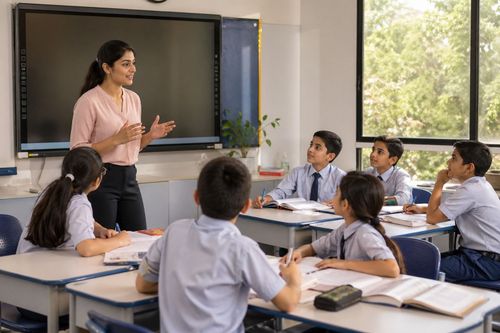

Table of Contents
- What Are the Principles of Growth and Development?
- Stages of Growth and Development in Children
- Growth and Development in Children: Simple Examples
- Why Understanding Child Development Concepts is Important
- How PlanetSpark Supports Growth and Development in Children
- Applying Principles of Growth and Development with PlanetSpa
- Mistakes to Avoid in Child Growth and Development
- Success Story: Yash’s Growth Journey
- About PlanetSpark ; Communication, Confidence & Holistic Chi
- Conclusion
Have you ever noticed how some children speak confidently, learn faster and express themselves better than others? This happens because of how well their growth and development is guided from an early stage. Understanding these principles can help students learn smarter and parents support children in the right way.
In this blog, you will learn the principles of growth and development, stages and simple real-life examples in an easy way. Platforms like PlanetSpark also help children improve communication, confidence and creativity making overall development faster and more effective.
What Are the Principles of Growth and Development?
Growth and development are two important parts of a child’s life. Growth refers to physical changes in the body, such as increase in height, weight and overall size. It is something we can easily see and measure. On the other hand, development is about gaining new abilities and skills, like learning how to speak, think, understand and interact with others. Development is not always visible, but it plays a very important role in shaping a child’s personality and behaviour.
The principles of child development are simple rules that explain how children grow and learn over time. These principles help us understand that development happens in a proper order, follows a pattern and is different for every child. They also show that learning is a continuous process and is influenced by both family (heredity) and surroundings (environment). By understanding these principles, students can learn better and parents and teachers can support children in the right way at every stage of life.
"Every child learns differently, guide them the right way."
Give your child expert support, Book a Free Demo Class now.
Stages of Growth and Development in Children
Children grow and develop in different stages. Each stage has its own changes and learning experiences. Understanding these stages helps parents, teachers and students know what to expect and how to support development in the right way.
Infancy (0–2 Years)
This is the earliest stage of life, where growth is very fast. Babies learn basic physical and sensory skills. They start by moving their hands and legs, then slowly learn to sit, crawl, stand and walk. During this stage, they also begin to recognize their parents, respond to sounds and express needs by crying or making simple sounds. Emotional bonding with family is very important at this stage.
Early Childhood (2–6 Years)
In this stage, children become more active, curious, and eager to explore the world around them. Language development improves quickly and children start speaking words and full sentences. They ask many questions and learn through play and observation. Social skills also begin to develop as they interact with family members and other children. This is an important stage for building basic habits and communication skills.
Middle Childhood (6–12 Years)
This stage is strongly connected with school life. Children start thinking more logically and can understand concepts better. They learn reading, writing, problem-solving and other academic skills. Friendships become important and children begin to understand teamwork, rules and responsibilities. Confidence and self-esteem also develop during this stage based on their experiences and achievements.
Adolescence (12–18 Years)
Adolescence is a stage of major physical and emotional changes. Children grow into young adults and begin to develop their own identity. They start thinking independently and may form their own opinions and beliefs. Emotional ups and downs are common during this time. Social relationships become more important and teenagers begin to understand their goals, interests and future plans.
"Right guidance at the right stage makes all the difference."
Support your child’s growth journey, Book a Free Demo Class today.
Growth and Development in Children: Simple Examples
Growth and development can be easily understood through simple daily activities that children experience as they grow. These activities show how children gradually learn new skills and improve over time in different areas of life.
- Language Development: A child begins by making simple sounds, then starts speaking small words like “mama” or “papa.” As they grow, they learn to form sentences and express their thoughts more clearly. This shows how communication skills develop step by step.
- Problem-Solving Skills: In the beginning, children may find tasks like puzzles or basic questions difficult. With practice and guidance, they start thinking more clearly and learn to solve problems on their own. This helps in developing their thinking ability.
- Social Skills: Children slowly learn how to interact with others. They begin by playing alongside other children and later learn to share, cooperate and communicate effectively. This helps them build friendships and understand social behavior.
- Emotional Development: Young children often express their feelings by crying or reacting strongly because they cannot explain their emotions. As they grow, they learn to use words to express feelings like happiness, anger or sadness in a better way.
These examples clearly show that development is not only about physical growth, but also includes mental, social and emotional development, which are all important for a child’s overall growth.
Why Understanding Child Development Concepts is Important
Understanding child development concepts is very important for both students and parents. It helps in guiding children in the right direction and supporting their overall growth in a balanced way.
- Helps Parents Guide Children Better: When parents understand how children grow and learn, they can support them according to their age and needs. They can set realistic expectations and provide the right environment for learning.
- Helps Students Learn More Effectively: Students can understand their own learning process better. They become more aware of their strengths and areas where they need improvement, which helps them learn in a smarter way.
- Builds Confidence in Children: When children are guided properly and not compared with others, they feel more confident. They are more willing to try new things, speak up, and express their ideas.
- Reduces Pressure and Unnecessary Comparison: Every child grows at their own pace. Understanding this helps avoid comparing children with others, which reduces stress and supports healthy emotional development.
Overall, these concepts help create a positive learning environment where children can grow academically, socially and emotionally.
How PlanetSpark Supports Growth and Development in Children
Modern learning is no longer limited to textbooks and marks. Today, children also need important life skills like communication, confidence and creative thinking to succeed in school and everyday life. These skills help children express themselves better, participate actively in class and build strong relationships with others.
Platforms like PlanetSpark focus on developing these essential skills in a structured and engaging way. They provide guided learning that helps children improve step by step in a supportive environment. Children get regular practice, feedback and opportunities to express themselves, which makes learning more effective.
- Speak confidently: Children learn how to share their thoughts clearly without fear or hesitation. With regular practice, they become more comfortable speaking in front of others.
- Improve communication skills: Children develop better speaking, listening, and understanding skills. This helps them perform better in school and interact more effectively with people.
- Build creativity and imagination: Activities like storytelling, discussions, and public speaking encourage children to think differently and come up with new ideas.
- Express ideas clearly: Children learn how to organize their thoughts and present them in a simple, clear and structured way, which improves both academic and personal communication.
With the right guidance and consistent practice, children not only improve their academic performance but also grow socially and emotionally. This supports their overall growth and development and prepares them for future success.
"Skills like speaking and confidence shape the future."
Start your child’s transformation, Book a Free Demo Class now.
Applying Principles of Growth and Development with PlanetSpark
The principles of growth and development are not just theories, they can be applied in daily life to help children learn better and grow in a balanced way. When parents and students understand these principles, they can make small changes that create a big difference in learning and confidence.
- Encourage children to speak and express themselves: Give children opportunities to share their thoughts, ask questions and participate in conversations. This improves communication skills and builds confidence over time.
- Allow learning at an individual pace: Every child learns differently. It is important to be patient and give them enough time to understand concepts without pressure or comparison.
- Focus on overall skill development: Instead of focusing only on marks, parents should also pay attention to skills like speaking, thinking, creativity and problem-solving. These skills are equally important for long-term success.
- Create a supportive learning environment: A positive and encouraging environment helps children feel safe to learn, make mistakes and improve. Appreciation and guidance play a key role here.
- Use structured learning support like PlanetSpark: Guided platforms such as PlanetSpark provide expert support and a structured approach to help children improve communication, confidence and creative thinking. This makes learning more organized and effective.
By applying these simple steps, children can grow academically, socially, and emotionally. This makes the learning process smoother, more enjoyable and more meaningful in everyday life.
Mistakes to Avoid in Child Growth and Development
While supporting a child’s growth, it is important to avoid some common mistakes that can slow down their development or create unnecessary pressure. Understanding these mistakes helps parents and students take better decisions.
- Comparing children with others: Every child is unique and develops at their own pace. Comparing one child with another can reduce confidence and create stress. Instead, focus on individual progress and improvement.
- Ignoring emotional development: Many people focus only on studies and forget that emotions are equally important. Children need to learn how to express feelings, handle situations and build relationships. Emotional support helps in overall development.
- Focusing only on academic performance: Marks are important, but they are not everything. Skills like communication, creativity and problem-solving are also essential. A balanced approach helps children grow in all areas.
- Not encouraging communication: If children are not given a chance to speak and express their thoughts, they may become hesitant or shy. Encouraging open conversations helps them build confidence and improves their ability to express ideas clearly.
Avoiding these mistakes creates a positive environment where children feel supported, confident and motivated to learn and grow.
"Small steps today create confident leaders tomorrow."
Give your child the right start, Book a Free Demo Class today.
Success Story: Yash’s Growth Journey
Yash was a quiet and shy student who often felt nervous speaking in class. Even when he knew the answers, he hesitated to raise his hand or share his thoughts. His parents noticed that although he was doing well in studies, he lacked confidence and struggled to express himself clearly in front of others.
With the right guidance and regular practice, Yash slowly started improving. He began speaking in small groups, participating in activities and expressing his ideas with more clarity. Over time, his confidence grew and he became more active in class discussions. Today, Yash can speak confidently and share his opinions without fear, showing how the right support can help a child grow in all areas.
About PlanetSpark ; Communication, Confidence & Holistic Child Development
At PlanetSpark, we empower children to become confident, articulate, and creative individuals through personalised, engaging, and tech-enabled learning. Our comprehensive Communication and Personality Development Program helps children strengthen speaking, creativity, emotional intelligence, and leadership skills that support overall growth and future success.
1. 1:1 Personal Trainers for Every Child
Each child learns through one-on-one live sessions with certified communication and development trainers who personalise every lesson according to the child’s pace, confidence level, and developmental goals.
2. Personalised Learning Roadmap for Holistic Growth
Every learner follows a customised curriculum designed to strengthen communication, confidence, public speaking, creativity, and social interaction step by step.
3. AI-Powered Learning and Progress Tracking
PlanetSpark combines AI-led practice sessions, speech analysis, and personalised feedback tools to improve speaking clarity, confidence, and communication growth with measurable results.
4. Interactive Skill Development Activities
Children participate in storytelling, debates, roleplays, public speaking, and creative exercises that improve communication while building critical thinking and imagination.
5. Confidence and Emotional Intelligence Building
Beyond academics, PlanetSpark helps children develop self-confidence, emotional awareness, leadership qualities, and social communication essential for balanced development.
6. Structured Parent Collaboration and Progress Reports
Regular progress tracking, expert feedback, and parent-teacher collaboration ensure complete visibility into a child’s developmental journey and long-term improvement.
7. Future-Ready Skills for Lifelong Success
PlanetSpark equips children with essential life skills that improve school performance, social confidence, leadership potential, and future career readiness.
Conclusion
The principles of growth and development help us understand how children learn and grow step by step. Every child is different, with their own pace and abilities, so it is important to support them with patience and the right guidance.
Along with academics, focusing on communication, confidence and creativity is essential. Platforms like PlanetSpark can help children build these important skills and grow in a more balanced and confident way.
Frequently Asked Questions
The principles of growth and development are basic rules that explain how children grow physically, mentally, emotionally, and socially over time in a structured and continuous way.
Growth refers to physical changes such as height and weight, while development focuses on skills, abilities, behavior, communication, and emotional progress.
Understanding child development helps parents, teachers, and students support learning effectively, build confidence, and provide age-appropriate guidance.
The main stages include infancy (0–2 years), early childhood (2–6 years), middle childhood (6–12 years), and adolescence (12–18 years).
Strong communication skills improve confidence, self-expression, creativity, social interaction, and academic performance.