
How to Stand Out and Boost Your Professional Growth at Work


Table of Contents
- Professional Growth Meaning: What It Really Is
- 7 Powerful Ways to Boost Your Professional Growth at Work
- Examples of Professional Growth in Action
- Key Areas of Growth Examples for Working Professionals
- How to Stand Out While Growing Professionally
- Overcoming Barriers to Professional Growth
- Creating a Personal Professional Growth Plan
- The Long-Term Impact of Professional Growth
- Why PlanetSpark Is the Perfect Learning Partner for Your Pro
- Make Professional Growth a Habit With PlanetSpark
Are you wondering why some professionals advance quickly while others remain unnoticed despite working hard?
Standing out at work requires more than completing tasks and demands initiative, visibility, and strong communication. To achieve professional growth, you must consistently upgrade skills, build credibility, and demonstrate measurable impact. This guide shares practical strategies to enhance your presence, earn recognition, and move ahead confidently, while explaining how PlanetSpark strengthens communication and leadership skills to accelerate your career success.
Professional Growth Meaning: What It Really Is
Before we dive into strategies, let’s clarify the meaning of professional growth.
Professional growth refers to the continuous process of improving your skills, knowledge, mindset, and performance to advance in your career. It includes developing technical expertise, strengthening soft skills, expanding leadership capabilities, and increasing your overall value within an organization.
The professional growth meaning goes beyond promotions or salary hikes. It’s about becoming more capable, adaptable, and impactful in your role. When you focus on professional growth, you:
- Enhance your competence
- Increase your confidence
- Improve your influence
- Expand your career opportunities
Understanding the true meaning of professional growth allows you to move intentionally instead of drifting through your career.

7 Powerful Ways to Boost Your Professional Growth at Work
Here are seven practical strategies you can implement immediately. These steps are designed to help you stand out while building sustainable professional growth.
1. Take Ownership of Your Development
No manager will care about your career as much as you do.
Create a personal development plan. Identify your current strengths and weaknesses. Ask yourself:
- What skills do I need to reach the next level?
- What results does leadership value most?
- Where do I lack confidence?
Taking ownership is one of the most visible examples of professional growth because it shows maturity and initiative.
2. Strengthen Communication Skills
Communication is often the most underrated area of professional growth.
Strong communicators:
- Speak clearly and confidently
- Listen actively
- Present ideas logically
- Adapt their tone to the audience
If you want practical areas of growth examples, improving public speaking, presentation skills, or negotiation abilities are excellent starting points.
Clear communication increases visibility and builds trust, the two essential ingredients for career advancement.
3. Seek and Apply Constructive Feedback
Feedback accelerates professional growth faster than self-evaluation alone.
Instead of fearing criticism:
- Ask for specific improvement suggestions
- Reflect before reacting
- Apply changes consistently
One of the strongest examples of professional growth is the ability to accept feedback without defensiveness and turn it into measurable improvement.
4. Build Cross-Department Knowledge
Employees who understand only their own role remain limited.
To stand out:
- Learn how other departments function
- Volunteer for cross-functional projects
- Understand company-wide goals
This expands your perspective and prepares you for leadership. Broad organizational awareness is a powerful indicator of professional growth.
5. Develop Leadership Skills Early
You don’t need a managerial title to show leadership.
Leadership areas of growth examples include:
- Taking initiative on projects
- Mentoring new team members
- Solving problems proactively
- Staying calm under pressure
Leadership behavior signals readiness for promotion and reflects strong professional growth meaning in action.
Transform into a Clear, Confident, and Influential Speaker!
Scehdule a free introductory learning session for professionals today
6. Invest in Continuous Learning
Courses, certifications, workshops, and industry reading all contribute to professional growth.
Consider:
- Online business courses
- Industry certifications
- Soft skills workshops
- Technical training
Continuous learning keeps you competitive and demonstrates commitment to long-term development.
7. Track Your Progress and Achievements
Many professionals work hard but fail to document results.
Create a monthly growth tracker:
- Projects completed
- Skills improved
- Revenue generated
- Problems solved
- Client appreciation
Tracking achievements helps you articulate your value during performance reviews. This habit strengthens self-awareness and reinforces your professional growth journey.
Examples of Professional Growth in Action
Understanding theory is helpful, but real-world examples provide clarity. Here are practical examples of professional growth you can relate to:
Example 1: Improving Presentation Skills
An employee uncomfortable with public speaking joins a presentation training program and gradually leads team meetings confidently.
Example 2: Taking Initiative
Instead of waiting for instructions, a team member identifies workflow inefficiencies and proposes solutions.
Example 3: Expanding Technical Skills
A marketing executive learns data analytics to better interpret campaign performance.
Example 4: Enhancing Emotional Intelligence
A manager learns conflict-resolution techniques and improves team morale.
These examples of professional growth show that improvement isn’t limited to promotions and it includes behavioral and skill-based development.
Stand Out at Work with Confidence and Clarity!
Book a free trial class focused on workplace communication excellence
Key Areas of Growth Examples for Working Professionals
If you're unsure where to focus, here are valuable areas of growth examples across different competencies:
1. Technical Skills
- Learning new software tools
- Improving data analysis skills
- Gaining industry certifications
2. Communication Skills
- Public speaking
- Email clarity
- Negotiation skills
3. Leadership Development
- Decision-making
- Delegation
- Conflict management
4. Time Management
- Prioritization techniques
- Reducing procrastination
- Managing multiple projects efficiently
5. Strategic Thinking
- Understanding business metrics
- Aligning work with company goals
- Long-term planning
Identifying relevant areas of growth examples ensures your development aligns with career objectives.
How to Stand Out While Growing Professionally
Professional growth alone isn’t enough but you must also be visible.
Here’s how to stand out:
1. Deliver Consistent Results
Reliability builds trust and long-term credibility. When you consistently meet deadlines and maintain quality standards, people depend on you.
Examples:
- Submit reports before deadlines with zero revisions required.
- Maintain performance targets consistently for multiple quarters.
2. Speak Up in Meetings
Sharing thoughtful insights increases visibility and positions you as an engaged contributor. Preparation helps you add value instead of speaking randomly.
Examples:
- Suggest a cost-saving idea during a budget discussion.
- Ask clarifying questions that improve project direction.
3. Volunteer for Challenging Projects
Stretch assignments build new skills and showcase initiative. Taking ownership of complex tasks accelerates learning and demonstrates leadership potential.
Examples:
- Lead a cross-department project with tight timelines.
- Handle a client presentation when senior members are unavailable.
Develop Leadership-Ready Skills for Career Growth!
Join a complimentary trial session and invest in your professional future
4. Build Strong Workplace Relationships
Collaboration strengthens influence and improves your professional reputation. Positive relationships create support networks that amplify your impact.
Examples:
- Offer help to teammates during peak workload periods.
- Schedule regular check-ins with colleagues to align priorities.
Standing out isn’t about self-promotion but about consistent value creation.
Overcoming Barriers to Professional Growth
Career advancement often feels challenging due to internal fears and external limitations. Identifying obstacles early and applying practical strategies helps professionals move beyond stagnation toward continuous improvement and long-term career success.
Many professionals struggle with growth due to:
- Fear of failure
- Lack of time
- Comfort zones
- Limited mentorship
To overcome these:
- Set small, achievable goals
- Schedule learning time weekly
- Seek mentors
- Reframe mistakes as learning opportunities
Remember, the meaning of professional growth includes discomfort. Growth rarely happens inside comfort zones.
Creating a Personal Professional Growth Plan
A structured plan transforms ambition into measurable progress. When you define clear goals, choose focused development methods, and track results consistently, career advancement becomes intentional rather than accidental or delayed.
Here’s a simple structure:
Step 1: Self-Assessment
Evaluate your current strengths, weaknesses, skills, and performance gaps honestly. Seek feedback from managers and peers to gain clarity. Understanding where you stand helps identify priority areas for targeted improvement and growth.
Step 2: Define Clear Goals
Set specific, measurable, and time-bound objectives aligned with career aspirations. For example, improve leadership presence within six months or master advanced Excel skills within three months for better analytical performance.
Step 3: Choose Development Methods
Select learning approaches that match your goals, such as professional courses, mentoring sessions, industry reading, workshops, or hands-on project experience to strengthen practical understanding and real-world application.
Step 4: Measure Progress
Track milestones monthly to evaluate improvement and adjust strategies if necessary. Reviewing achievements regularly maintains accountability, boosts motivation, and ensures your development efforts stay aligned with long-term career objectives.
This structured approach ensures your professional growth remains intentional and measurable.
The Long-Term Impact of Professional Growth
Sustained improvement compounds over time, shaping not just promotions but overall career trajectory. Consistent development strengthens capability, mindset, and reputation, creating lasting professional value beyond short-term achievements.
Over time, consistent improvement leads to:
- Greater confidence
As skills improve and achievements accumulate, self-belief strengthens, enabling you to take initiative, speak assertively, and handle complex responsibilities. - Higher earning potential
Advanced skills and proven performance increase your market value, positioning you for raises, bonuses, and better-paying leadership roles. - Stronger professional network
Continuous growth attracts like-minded professionals, mentors, and industry leaders, expanding opportunities through meaningful, mutually beneficial relationships. - Increased career satisfaction
Progress reduces stagnation, enhances purpose, and creates a sense of achievement, leading to greater fulfillment in daily work. - Leadership opportunities
Demonstrated competence and consistent results build trust, making you a natural choice for managing teams and strategic responsibilities.
When you understand the deeper professional growth meaning, you shift from chasing promotions to building sustainable career value.
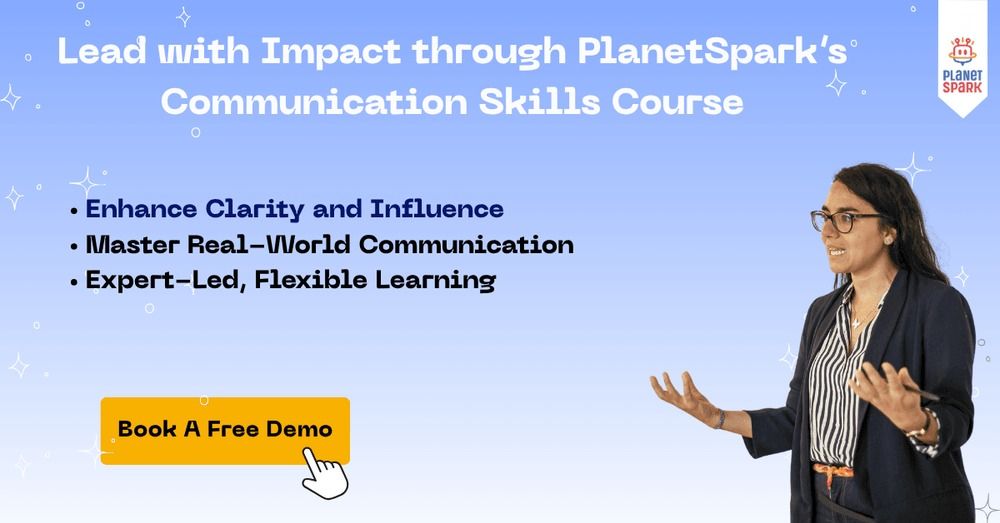
Why PlanetSpark Is the Perfect Learning Partner for Your Profession
PlanetSpark creates confident, well-spoken, and future-ready working professionals through personalised training, engaging digital tools, and activity-based learning. With expert coaching and structured practice, professionals develop communication strength, emotional intelligence, and strong personality traits that help them thrive in school and beyond.
Personality Development Services at PlanetSpark:
- Builds confidence through guided speaking and real-time practice.
- Strengthens leadership and teamwork with interactive tasks.
- Enhances emotional intelligence using SEL-based modules.
- Improves social etiquette and polite communication skills.
- Teaches body language, eye contact, and effective posture.
- Encourages clarity of thought through journaling and reflections.
- Boosts decision-making and problem-solving abilities.
- Develops assertiveness and respectful expression.
- Supports goal setting and personal growth habits.
- Offers regular parent consultations for steady progress.
Make Professional Growth a Habit With PlanetSpark
Professional growth isn’t a one-time effort but a career-long commitment.
By focusing on relevant areas of growth examples, applying real examples of professional growth, and understanding the true meaning of professional growth, you position yourself for long-term success.
If you want to stand out at work, remember this:
- Take initiative
- Communicate effectively
- Learn continuously
- Seek feedback
- Track progress
- Lead proactively
- Stay adaptable
Your future career depends less on luck and more on consistent professional growth.
Start today.
Also Read:
How to Build Authority at Work with PlanetSpark Training Programs
Are You Ready for Leadership Roles at Workplace| PlanetSpark
Frequently Asked Questions
PlanetSpark offers structured coaching focused on communication excellence and executive presence. Professionals who invest in these skills improve workplace influence, deliver impactful presentations, and fast-track their professional growth journey.
Professional growth helps you stay competitive, improve confidence, and increase promotion opportunities. It also boosts job satisfaction by giving you direction, measurable progress, and a stronger sense of purpose.
PlanetSpark helps professionals strengthen communication, public speaking, and leadership presence. Its expert-led training programs build confidence, clarity, and persuasive skills by essential qualities for standing out and accelerating professional growth.
Key areas of growth examples include leadership development, strategic thinking, public speaking, technical expertise, decision-making skills, and collaboration. Strengthening these areas increases workplace impact and long-term career advancement opportunities.
Examples of professional growth include improving communication skills, earning certifications, leading projects, managing time effectively, learning new technologies, and developing emotional intelligence to handle workplace challenges confidently.
Professional growth means continuously improving your skills, mindset, and performance to advance your career. It includes learning new abilities, strengthening leadership qualities, and increasing your overall value within your organization.