
Progress Learning: Meaning, Benefits, and How It Helps Students


Table of Contents
- Understanding Progress Learning: A Modern Philosophy for Edu
- What Is the Meaning of Progress? A Foundation for Learning G
- Why Progress Learning Matters in Today's Education System
- Benefits of Progress Learning for Students
- How Progress Learning Works: Methods and Approaches
- Role of Technology in Progress: A Catalyst for Modern Learni
- How Progress Learning Supports Different Types of Students
- Progress Learning in Schools: Practical Applications
- Progress Learning Helps Students Beyond Academics
- A Rising Star: Celebrating Student Excellence at PlanetSpark
- Practical Tips for Parents to Encourage Progress Learning at
- The Future of Progress Learning: Trends to Watch
- Why PlanetSpark Is the Perfect Learning Partner for Your Chi
- Inspire Your Child’s Growth Forward with PlanetSpark
Progress learning is an approach that focuses on steady academic growth, concept mastery, and continuous improvement rather than just exam scores. This guidance explains how progress-based methods transform learning, why they matter, and how students benefit from personalised, goal-driven education. With its structured modules, experienced mentors, and engaging learning environment, PlanetSpark helps students build confidence, strengthen communication, and achieve consistent progress in their academic journey.
Understanding Progress Learning: A Modern Philosophy for Education
At its core, Progress learning refers to a system of education that prioritises steady improvement rather than one-time performance. Instead of measuring students solely by test scores or memorisation, it highlights how far a learner has advanced over time. This approach supports continuous assessment, real-time feedback, and personalised learning paths.
How Progress Learning Differs from Traditional Learning
Traditional learning:
Focuses on grades, exams, and fixed timelines
Encourages memorisation
Often moves ahead even if students haven’t mastered earlier concepts
Progress Learning:
Tracks growth at every step
Promotes mastery learning
Adapts to each student's pace and challenges
Uses assessments as tools for improvement, not judgment
By shifting focus from outcomes to growth, Progress learning makes education more adaptive, inclusive, and relevant to diverse learner needs.

What Is the Meaning of Progress? A Foundation for Learning Growth
To truly appreciate the value of Progress learning, one must understand What is the Meaning of Progress. In its simplest definition, progress means moving forward, developing, or improving. In the educational context, progress is not measured by how quickly a student completes a syllabus, but how deeply they understand concepts and how their skills evolve over time.
Academic Progress Includes:
Improvement in understanding
Increasing confidence
Building problem-solving abilities
Developing critical thinking
Strengthening communication and analytical skills
In life, progress is often seen in small steps when a new skill learned, a mistake corrected, or an ability improved. This concept beautifully aligns with the idea behind Progress learning: students do not need to be perfect, but they do need to be better than yesterday.
Why Progress Learning Matters in Today's Education System
Education in the 21st century has become more dynamic than ever, requiring students to be adaptable, analytical, and self-driven. Progress learning supports these needs by bringing attention to mastery, long-term retention, and reliable understanding rather than rushed learning.
Key Reasons Why Progress Learning Is Crucial Today:
Students face increasing academic competition
The world demands new skills like digital literacy, critical thinking, and collaboration
Every child learns differently
Mental health concerns related to academic pressure are rising
Technology has made personalised learning possible
By focusing on progress instead of pressure, students develop a healthier, more motivated relationship with learning. Click this link to get the list of skills that students should have to improve their personality
Let Your Child Shine with Strong Communication and Life Skills!
Benefits of Progress Learning for Students
Progress learning carries a range of powerful benefits that can reshape both learning outcomes and students’ emotional well-being.
1. Personalised Learning for Every Student
Traditional classrooms often apply a one-size-fits-all method. Progress learning, however, uses assessments, learning tools, and feedback systems to tailor education to each student’s needs.
Slow learners get more time; fast learners get opportunities to advance.
2. Encourages Deep Understanding Instead of Rote Learning
Because the method emphasises mastery, students take time to explore ideas, ask questions, and apply knowledge, which strengthens long-term retention.
3. Builds Confidence and Reduces Academic Anxiety
When students see visible improvement in their performance, no matter how small they feel motivated. Progress becomes a personal achievement rather than a comparison with others.
4. Promotes Critical and Independent Thinking
Students are encouraged to reflect on mistakes, evaluate solutions, and take ownership of their learning journey. This nurtures lifelong learners.
5. Offers Continuous Feedback
Feedback is frequent and constructive, helping students identify gaps immediately instead of discovering them at the end of the semester.
6. Supports Diverse Learning Styles
Whether a child learns best through visuals, examples, discussions, or practice, Progress learning accommodates various approaches.
7. Aligns with Future-Ready Skills
Industries value adaptability, innovation, and problem-solving. Through progressive education, students naturally develop these skills early on.
Support Your Child in Becoming a Leader of Tomorrow!
How Progress Learning Works: Methods and Approaches
Progress learning usually blends modern teaching strategies with intelligent assessment systems. It may include:
1. Mastery-Based Learning Models
Students only move ahead when they have understood current skills thoroughly. Mastery builds strong foundations and eliminates confusion.
2. Adaptive Assessments
Assessments intelligently adjust difficulty based on student responses, ensuring challenge and support go hand-in-hand.
3. Competency Tracking
Learning progress is monitored continuously using data dashboards and reports. This helps parents and teachers see real improvement over time.
4. Project-Based and Activity-Based Learning
Activities encourage creativity and real-world application, transforming students from passive listeners into active learners.
5. Reflective Learning Practices
Students learn to review their own performance and set achievable goals. This develops self-awareness and accountability.
Role of Technology in Progress: A Catalyst for Modern Learning
Technology has become the backbone of progress-based education. The role of technology in progress cannot be overstated because it enables personalised tracks, instant feedback, dynamic resources, and continuous evaluation, making learning more engaging and efficient.
How Technology Helps in Progress Learning
1. Adaptive Learning Platforms
AI-powered platforms personalise tasks and lessons automatically based on a student’s strengths and weaknesses.
2. Digital Assessments and Analytics
Technology generates instant reports about student performance, making it easier for teachers to intervene early.
3. Gamified Learning Tools
These tools, including quizzes, badges, and interactive challenges, make learning fun and motivating.
Give Your Child the Skills to Stand Out with Confidence!
4. Interactive Content
Videos, simulations, and interactive diagrams turn abstract concepts into understandable visual experiences.
5. Time Flexibility
Students can learn anytime, anywhere at their own pace. This supports slow learners and advanced learners equally.
6. Collaboration Tools
Online projects, group discussions, and shared platforms help students build teamwork and communication skills.
How Progress Learning Supports Different Types of Students
One of the greatest strengths of Progress learning is its ability to support learners from all backgrounds and abilities.
1. For Slow Learners
Extra practice
Step-by-step concepts
Reduced pressure
Encouragement through small wins
2. For Advanced Learners
Enrichment modules
Higher-level questions
Research-based tasks
3. For Students with Learning Gaps
Targeted support
Customised revision cycles
4. For Students with High Anxiety
Focus on growth rather than competition
Calmer learning environment
Help Your Child Grow into a Smart and Confident Communicator!
Progress Learning in Schools: Practical Applications
Many schools around the world have integrated progress-driven modules into their curriculums. This typically includes:
Continuous assessments instead of annual exams
Diagnostic tests at the beginning of each session
Regular feedback sessions
Learning portfolios
Student progress trackers
Teacher dashboards showing real-time mastery
This not only benefits students but also helps schools maintain academic standards while supporting mental well-being. Students interested to learn top activities that can build their personality can click here.
Progress Learning Helps Students Beyond Academics
Progress-based education isn’t just about scoring well; it focuses on preparing students for real life.
It teaches:
Patience and resilience
Goal-setting
Self-awareness
Adaptability
Confidence
Growth mindset
These skills remain with students long after school and shape their future careers, relationships, and life choices.
A Rising Star: Celebrating Student Excellence at PlanetSpark
Earned a Certificate of Excellence, showcasing his growing confidence and skills nurtured at PlanetSpark.
If you want your child to build strong communication, confidence, and future-ready skills, join PlanetSpark today and let them grow with expert guidance and personalised learning.

Practical Tips for Parents to Encourage Progress Learning at Home
Parents play a crucial role in supporting progressive education.
Celebrate small improvements
Avoid comparing your child to others
Encourage questions and curiosity
Help children set achievable daily goals
Use educational apps wisely
Create a positive and pressure-free environment
When home and school combine efforts, students thrive effortlessly.
The Future of Progress Learning: Trends to Watch
With rapid technological advancements, Progress learning will soon become a central pillar of global education. Future trends may include:
AI-driven tutors
Fully personalized learning pathways
Virtual and augmented reality classrooms
Emotion-aware assessment systems
Skill-based certificates replacing traditional report cards
These innovations will continue reshaping how students learn, think, and evolve.
Why PlanetSpark Is the Perfect Learning Partner for Your Child
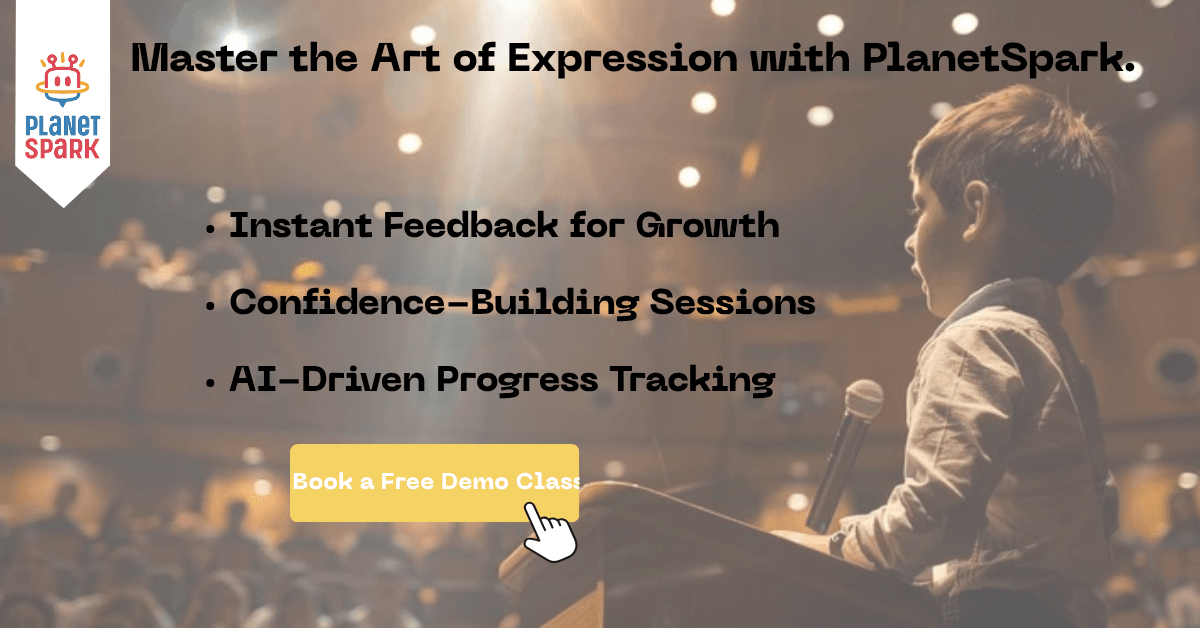
PlanetSpark creates confident, well spoken, and future ready children through personalised training, engaging digital tools, and activity based learning. With expert coaching and structured practice, kids develop communication strength, emotional intelligence, and strong personality traits that help them thrive in school and beyond.
Personality Development Services at PlanetSpark:
Builds confidence through guided speaking and real time practice
Strengthens leadership and teamwork with interactive tasks
Enhances emotional intelligence using SEL based modules
Improves social etiquette and polite communication skills
Teaches body language, eye contact, and effective posture
Encourages clarity of thought through journaling and reflections
Boosts decision making and problem solving abilities
Develops assertiveness and respectful expression
Supports goal setting and personal growth habits
Offers regular parent consultations for steady progress
Inspire Your Child’s Growth Forward with PlanetSpark
To sum it up, progress learning is an educational approach that emphasises steady growth, conceptual understanding, and continuous improvement rather than short-term memorisation. It encourages students to focus on mastering skills at their own pace, making learning more meaningful and less stressful.
This guidance explores what progress learning truly means, why it has become essential in today’s evolving education system, and how it helps students develop confidence, clarity, and long-term academic strength. It also explains the shift from traditional learning to a more personalised, growth-oriented model.
With its interactive curriculum, trained mentors, and communication-focused learning environment, PlanetSpark equips students with the skills and support they need to progress consistently. The platform nurtures confidence, strengthens essential abilities, and ensures every child moves forward with measurable improvement.
Frequently Asked Questions
Progress learning is a growth-focused approach that emphasizes steady improvement, concept mastery, and personalized learning. It helps students build confidence, understand topics deeply, and develop long-term academic and problem-solving skills effectively.
Traditional learning prioritizes grades and fixed timelines, while Progress learning tracks growth, mastery, and understanding. It adapts to each child’s pace, reduces pressure, and encourages meaningful learning rather than memorization.
PlanetSpark uses personalized modules, interactive activities, and expert mentors to nurture communication and academic clarity. Its progress-tracking system ensures children consistently improve, stay confident, and learn essential skills in a structured, engaging environment.
Yes, because it highlights small improvements and steady growth. By focusing on mastery rather than comparison, children feel supported, less anxious, and more motivated to keep learning and developing at their own pace.
PlanetSpark combines expert guidance, interactive learning, and structured practice to help children grow confidently. Its programs enhance communication, creativity, and clarity, while consistently tracking progress to ensure measurable, long-term improvement.
Parents can celebrate small wins, encourage curiosity, create a calm study environment, and use progress-tracking tools. Consistent support at home helps children stay motivated and understand that learning improves gradually over time.