
Build Strong Reading Readiness Skills at Home
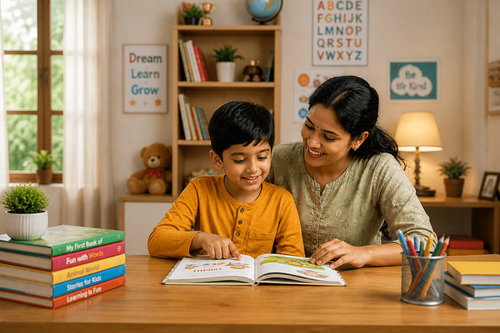

Table of Contents
- What Is Reading Readiness and Why It Matters for Students
- PlanetSpark’s Proven Method to Build Reading Readiness Faste
- Daily Habits That Build Strong Reading Readiness at Home
- Fun Activities to Improve Reading Readiness Quickly
- PlanetSpark Vs Traditional Learning: Which One Works Better
- Common Mistakes That Delay Reading Readiness
- Why PlanetSpark Is the Best Choice for Reading Readiness
- How to Stay Consistent and Build Lifelong Reading Skills
- PlanetSpark Personality Development Classes
- Build a Strong Foundation for Lifelong Confidence
What if the real reason students struggle with reading is not difficulty but missing the right start?
Reading readiness is the foundation that determines how easily a student learns to read, understand, and communicate. Many learners face challenges later because they did not develop essential pre-reading skills early on.
Reading readiness goes beyond alphabets. It includes phonological awareness, vocabulary, listening skills, and confidence in language use.
In this blog, you will learn what reading readiness truly means, how to build it through simple daily habits, and how structured programs like PlanetSpark can accelerate learning outcomes.
If you want to improve reading confidence, comprehension, and communication skills, this guide will give you a complete roadmap.
What Is Reading Readiness and Why It Matters for Students
Reading readiness is the stage where a learner develops the essential cognitive, language, and behavioral skills needed to begin reading. It prepares students to understand how language works, rather than just memorizing words.
It includes recognizing sounds, connecting letters with sounds, and building curiosity toward books. These foundational abilities help learners transition smoothly into confident reading.
Key Components of Reading Readiness
- Phonemic Awareness: This is the ability to hear, identify, and play with sounds in spoken words. It helps learners understand how words are formed and improves decoding skills.
- Letter Knowledge: Students learn to recognize both uppercase and lowercase letters and connect them with their sounds. This forms the base of phonics and early reading.
- Print Awareness: This involves understanding that written text carries meaning. Learners also understand how books are read, such as left to right and top to bottom.
- Listening and Comprehension: Students develop the ability to listen to stories and understand them. Retelling stories helps improve memory, sequencing, and language skills.
- Motivation: Interest in books, storytelling, and asking questions builds a positive attitude toward reading. Motivation plays a key role in consistent learning.
Why It Matters
- Students with Strong Reading Readiness: They grasp new concepts quickly and understand texts more easily. This leads to better academic performance and stronger communication skills.
- Students Without Reading Readiness: They often struggle with fluency and comprehension. This can reduce confidence and create hesitation toward reading activities.
- Overall Impact: Reading readiness is not limited to academics. It also shapes personality, boosts confidence, and improves communication skills, helping students succeed in all areas of life.
Is your child finding reading difficult despite effort? Book a FREE PlanetSpark trial class today and see improvement in just a few sessions
PlanetSpark’s Proven Method to Build Reading Readiness Faster
PlanetSpark uses a communication-first approach to build reading readiness, not just memorization-based learning.
How PlanetSpark Is Different
- Focus on Phonics and Comprehension: PlanetSpark goes beyond basic reading by helping learners understand how sounds form words and how meaning is built. This ensures students not only read but also truly understand what they read.
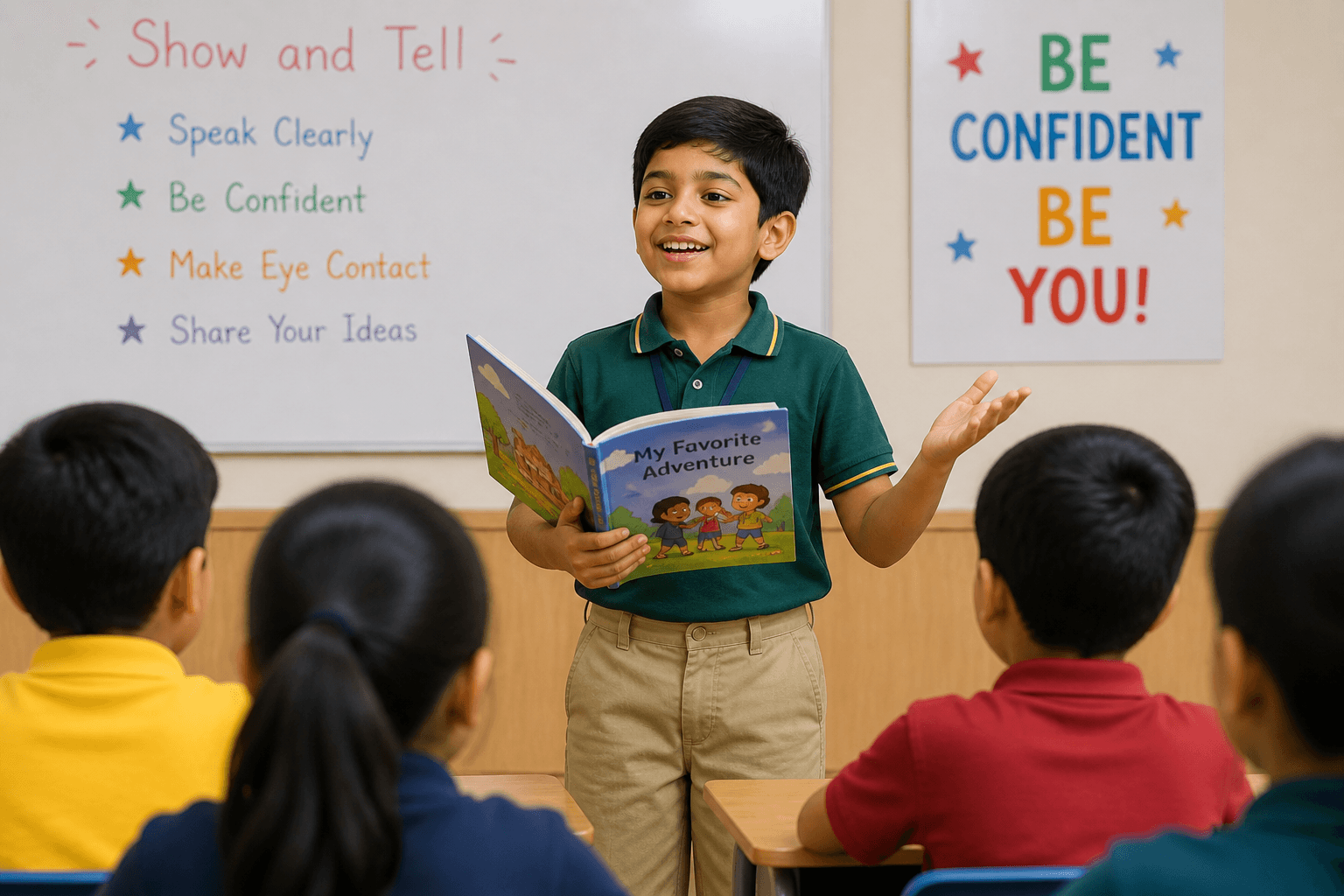
- Real-Life Communication Practice: Students are encouraged to apply reading skills in real conversations, storytelling, and speaking activities. This builds confidence and helps them use language naturally in everyday situations.
- Personalized Attention: Each learner receives customized support based on their strengths and areas of improvement. This helps students progress at their own pace without feeling pressured.
- Continuous Feedback: Regular feedback from expert trainers helps students identify mistakes and improve quickly. This consistent guidance builds confidence and ensures steady learning progress.
Instead of teaching only letters, PlanetSpark ensures learners understand how language works in real conversations.
Key Learning Outcomes
- Improved Reading Fluency: Students learn to read smoothly and accurately without frequent pauses. This helps them become faster and more comfortable while reading different types of texts.
- Better Comprehension: Learners understand what they read instead of just decoding words. They can identify main ideas, answer questions, and connect meaning to context.
- Strong Vocabulary: Regular exposure to new words and conversations helps students build a rich vocabulary. This improves both reading and speaking skills.
- Increased Confidence: As students improve their reading and understanding, they feel more confident expressing themselves. This confidence extends to communication, participation, and overall learning.
PlanetSpark integrates reading with speaking and thinking skills, making learners more expressive and confident.
Daily Habits That Build Strong Reading Readiness at Home
Consistency plays a crucial role in developing reading readiness. When learners engage in small, daily activities, they absorb language naturally without feeling pressure or stress.
Daily playful learning makes reading enjoyable and helps build strong foundational skills over time.
1. Read Aloud for 15+ Minutes Daily
Reading aloud exposes learners to new words, sentence structures, and ideas. It improves listening skills and helps them understand how language sounds and flows.
2. Practice Interactive Reading
Instead of just reading, engage actively by asking questions. This builds comprehension and critical thinking skills.
- What do you think happens next?
- Why did this happen?
3. Play Phonological Awareness Games
Sound-based activities help learners understand how words are formed.
- Identify beginning sounds of words
- Clap syllables to break words into parts
- Play rhyming games to recognize patterns
4. Build Vocabulary Through Conversations
Regular conversations help learners learn new words naturally. Talking about daily activities improves understanding and strengthens language skills more effectively than memorization.
5. Encourage Drawing and Writing
Drawing and scribbling develop fine motor skills needed for writing. It also allows learners to express ideas visually, which supports early literacy development.
Not sure how to structure daily reading practice?
Join PlanetSpark today and get a personalized learning plan before seats fill up
Fun Activities to Improve Reading Readiness Quickly
Learning becomes more effective when it feels like play. Fun, hands-on activities help learners build reading readiness skills naturally while staying engaged and motivated.
1. Letter Scavenger Hunt
Ask learners to find objects around the house that start with a specific sound. This helps them connect sounds with real-life objects and improves sound recognition.
2. Alphabet Recognition Games
Use puzzles, flashcards, or magnetic letters to make letter learning interactive. These tools help learners recognize shapes and associate them with sounds.
3. Storytelling with Props
Use toys, puppets, or everyday objects to act out stories. This activity boosts imagination, improves comprehension, and strengthens language skills.
4. Alphabet Soup Game
Use plastic or bath letters to create a playful learning experience. Learners can pick letters, name them, and form simple words in a relaxed setting.
5. Environmental Print Learning
Point out letters and words in everyday surroundings to show that print is everywhere.
- Cereal boxes
- Street signs
- Product labels
This helps learners understand that reading has real-world meaning and use.
6. Picture Description Activities
Show a picture and ask learners to describe what they see. This improves vocabulary, sentence formation, and creative thinking.
These activities make reading readiness enjoyable and stress-free, encouraging learners to practice regularly without feeling pressured.
PlanetSpark Vs Traditional Learning: Which One Works Better
raditional methods often focus on memorization, while PlanetSpark focuses on real skill development and practical communication.
PlanetSpark ensures learners do not just recognize words but truly understand language, express ideas clearly, and build confidence in communication.
Still depending only on school learning?
Book your PlanetSpark demo class now and give your child a competitive edge
Common Mistakes That Delay Reading Readiness
Avoiding common mistakes can speed up progress and make learning more effective. Many learners struggle not because of lack of ability, but because of incorrect learning approaches.
1. Ignoring Phonics
Focusing only on letter names without teaching their sounds can confuse learners. Understanding how letters connect to sounds is essential for decoding words and reading fluently.
2. Overuse of Screens
Passive learning through videos or apps does not actively build reading skills. Learners need hands-on activities and real interaction to develop strong language abilities.
3. Lack of Practice
Inconsistent practice makes it difficult to retain skills. Regular daily engagement is necessary to build and strengthen reading readiness over time.
4. Ignoring Comprehension
Reading words without understanding their meaning limits progress. Learners must be encouraged to think about and discuss what they read.
5. Fear of Making Mistakes
When learners are afraid of being wrong, they hesitate to try. Building confidence and encouraging effort helps them learn faster and more effectively.
Why PlanetSpark Is the Best Choice for Reading Readiness
PlanetSpark combines reading readiness with personality development, creating a holistic learning experience that goes beyond basic reading skills. Learners are not only taught how to read but also how to understand, express, and communicate effectively.
Benefits of Choosing PlanetSpark
- Structured Curriculum: PlanetSpark follows a well-designed curriculum that builds reading skills step by step. This ensures learners develop strong foundations without missing any key concepts.
- Expert Teachers: Students learn from trained educators who specialize in phonics, communication, and confidence building. Their guidance helps learners progress faster and more effectively.
- Live Interactive Sessions: Classes are conducted live, allowing real-time interaction, discussions, and engagement. This keeps learners actively involved and improves retention.
- Real-World Communication Practice: Students practice storytelling, speaking, and expressing ideas. This helps them apply reading skills in real-life situations.
- Personalized Feedback: Each learner receives individual feedback based on their performance. This helps identify areas of improvement and ensures continuous growth.
- Confidence-Building Framework: PlanetSpark focuses on building confidence alongside reading skills. Learners become comfortable expressing themselves without fear.
Students not only learn to read fluently but also gain the confidence to communicate clearly, making PlanetSpark a powerful choice for overall development.
Want faster results with expert guidance?
Book your FREE PlanetSpark trial now before limited slots run out
How to Stay Consistent and Build Lifelong Reading Skills
Consistency is the secret to building strong reading habits and long-term success. When learners practice regularly, reading becomes a natural part of their daily routine rather than a task.
Tips to Stay Consistent
- Set a Daily Routine: Fix a specific time each day for reading practice. A consistent schedule helps turn reading into a habit and reduces procrastination.
- Track Progress: Keep a simple record of what you read or practice each day. Tracking progress helps you stay motivated and see improvement over time.
- Celebrate Small Wins: Acknowledge achievements like learning a new word or finishing a story. Celebrating small milestones boosts confidence and encourages continued effort.
- Practice with Peers: Reading with friends or classmates makes learning more interactive and enjoyable. It also encourages healthy motivation and shared learning.
- Mix Fun with Learning: Combine reading with games, storytelling, and creative activities. This keeps learners engaged and prevents boredom.
Motivation plays a key role in reading readiness. Students who enjoy the learning process are more likely to stay consistent, improve faster, and develop lifelong reading habits.
PlanetSpark Personality Development Classes
PlanetSpark personality development classes are designed to improve reading readiness along with communication and confidence.
These classes focus on real-world skills like speaking, storytelling, and structured thinking, which directly improve reading comprehension and expression.
Who Should Join
- Students struggling with reading
- Learners lacking confidence
- Beginners needing structured guidance
What Problems It Solves
- Poor reading comprehension
- Lack of confidence
- Weak vocabulary
Key Features
- Live interactive classes
- Expert trainers
- Real-life communication practice
- Personalized feedback
- Structured curriculum
- Confidence-building framework

Build a Strong Foundation for Lifelong Confidence
Reading readiness is the first step toward becoming a confident learner and communicator.
When you build strong foundational skills, reading becomes easier, enjoyable, and meaningful.
Stay consistent, keep practicing, and focus on progress over perfection.
Because once you master reading, you unlock the power to learn anything.
Also Read: Reading Courses for Kids | Build Confidence With PlanetSpark
How to Develop Reading Habit in Kids: 11 Smart Ways
8 Essential Types of Reading Skills for Children –Tips & Examples
Frequently Asked Questions
Reading readiness is the ability to understand sounds, letters, and language before reading.
Daily reading, sound games, and interactive conversations help significantly.
It can start in preschool years through simple activities.
Phonics helps connect letters with sounds, which is essential for reading.
With consistent practice, improvement can be seen within months.
Yes, they provide faster and more guided learning.