
School Readiness Guide for Children | Build Learning Confidence
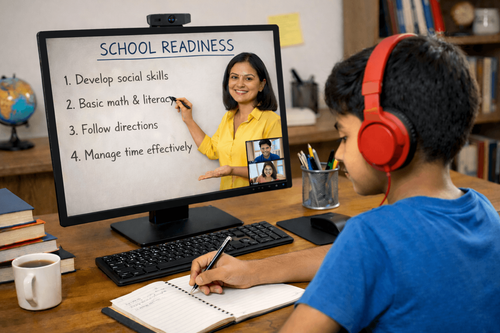

Table of Contents
- What is School Readiness?
- Core Skills Children Need for School Readiness
- Factors Affecting School Readiness for Inclusive Education
- How Parents Can Prepare Children for School
- The Role of Communication Skills in School Readiness
- School Readiness for Inclusive Education
- Activities That Improve School Readiness
- Common Challenges in School Readiness
- Why Communication Programs Help Improve School Readiness
- PlanetSpark Personality Development Course for School Readin
- Building Strong Foundations for Lifelong Learning
School readiness is one of the most important milestones in a child’s early learning journey. Parents often ask what is school readiness and how they can ensure their child is prepared for academic and social success. This blog explains the school readiness definition, key developmental skills children need, and the factors affecting school readiness for inclusive education. You will also learn practical ways to build communication, confidence, and learning habits that help children thrive in school and beyond.
What is School Readiness?
School Readiness Definition
School readiness refers to the stage where a child possesses the essential cognitive, emotional, social, and communication skills required to start formal education successfully.
It does not only mean knowing the alphabet or numbers. Instead, it includes a broader set of abilities that help children adapt to classroom environments.
Key aspects of school readiness include:
Ability to communicate ideas and feelings clearly
Emotional independence from parents
Basic problem solving and thinking skills
Ability to interact with peers and teachers
Curiosity and willingness to learn
Children who develop these skills early often adjust better to school routines, classroom expectations, and collaborative learning environments.
Why School Readiness Matters
School readiness forms the foundation of a child’s long term academic growth.
Research consistently shows that children who enter school with strong foundational skills are more likely to:
Perform better academically
Develop strong social relationships
Build confidence in communication
Show curiosity and engagement in learning
In contrast, children who struggle with readiness skills may face difficulties in participation, communication, and classroom adjustment.
Parents and educators therefore focus on building readiness skills before childrenformally begin schooling.
Core Skills Children Need for School Readiness
School readiness involves multiple developmental areas working together.
1. Communication and Language Skills
Strong language skills help children express ideas, ask questions, and understand instructions.
Important communication abilities include:
Vocabulary development
Sentence formation
Listening skills
Storytelling ability
Children who communicate confidently can participate actively in classroom discussions.
2. Social and Emotional Development
School environments require children to interact with others and regulate their emotions.
Essential social skills include:
Sharing and cooperation
Respecting rules and boundaries
Handling frustration
Building friendships
Children with strong emotional skills adjust more easily to group learning environments.
3. Cognitive Development
Cognitive readiness focuses on thinking and problem solving abilities.
Examples include:
Recognising patterns and shapes
Memory and recall ability
Logical reasoning
Curiosity and exploration
These skills help children understand academic concepts faster.
4. Physical and Motor Skills
Motor development helps children perform daily school activities.
Examples include:
Holding pencils correctly
Drawing and writing
Coordination and balance
Basic self care activities
These skills support classroom participation and independence.
5. Self Management Skills
Children should gradually develop independence and responsibility.
Important abilities include:
Following instructions
Completing tasks independently
Managing time and attention
Organising personal belongings
These skills make classroom routines smoother for both teachers and students.
Factors Affecting School Readiness for Inclusive Education
School readiness for inclusive education ensures that children from different backgrounds and abilities can learn together effectively.
Several factors influence readiness.
Family Environment
A supportive home environment strongly impacts early development.
Parents can encourage readiness through:
Reading regularly with children
Encouraging conversations
Providing learning activities and games
Creating consistent daily routines
Children who grow up in stimulating environments often develop better language and cognitive skills.
Early Exposure to Communication
Language rich environments significantly influence readiness.
Activities such as storytelling, reading, and discussions improve:
Vocabulary development
Listening comprehension
Confidence in expression
These skills are essential for inclusive classrooms where communication and collaboration play a major role.
Emotional Support and Confidence
Confidence is a key factor affecting school readiness.
Children who feel supported and encouraged are more likely to:
Participate in classroom activities
Express opinions freely
Build friendships easily
Access to Early Learning Programs
Structured learning programs can improve school readiness for inclusive education.
These programs often focus on:
Communication skills
Confidence building
Creativity and expression
Critical thinking development
How Parents Can Prepare Children for School
Parents play a major role in developing readiness skills.
Build Daily Communication Habits
Encourage conversations with children every day.
Simple practices include:
Asking open ended questions
Encouraging storytelling
Discussing daily experiences
This improves both language development and confidence.
Encourage Curiosity and Exploration
Children learn best when they explore their environment.
Parents can support curiosity by:
Encouraging questions
Playing educational games
Exploring books and creative activities
Create Structured Learning Routines
Routine helps children feel secure and organised.
Important routines include:
Regular sleep schedules
Consistent study time
Daily reading habits
These habits prepare children for school discipline.
Promote Social Interaction
Children need opportunities to interact with peers.
Activities such as group play and collaborative learning improve:
Social confidence
Teamwork
Conflict resolution skills
Encourage Creative Expression
Creative expression helps children communicate ideas effectively.
Examples include:
Drawing and storytelling
Public speaking activities
Role playing games
Creative learning strengthens both imagination and confidence.
The Role of Communication Skills in School Readiness
Communication is often considered the most critical readiness skill.
Children who communicate effectively can:
Ask questions in class
Participate in discussions
Present ideas confidently
Build relationships with peers
Communication also supports academic success in subjects like language arts, social studies, and presentations.
Key Communication Skills for Children
Important communication abilities include:
Public speaking
Storytelling
Structured thinking
Listening skills
Vocabulary development
Programs that focus on communication often accelerate overall learning growth.
School Readiness for Inclusive Education
Inclusive education ensures that every child receives equal learning opportunities.
School readiness for inclusive education focuses on preparing children to thrive in diverse classrooms.
Key Elements of Inclusive Readiness
Inclusive learning environments encourage:
Respect for diversity
Collaborative learning
Equal participation
Communication between students
Children who develop empathy and communication skills early adjust better in inclusive classrooms.
Skills That Support Inclusive Learning
Important skills include:
Emotional intelligence
Listening skills
Team collaboration
Conflict resolution
Developing these skills early helps children become responsible and confident learners.
Activities That Improve School Readiness
Parents and educators can use engaging activities to strengthen readiness skills.
Communication Activities
Storytelling sessions
Role playing games
Debate or discussion topics
Presentation practice
Cognitive Activities
Puzzle solving
Memory games
Pattern recognition tasks
Creative thinking exercises
Social Development Activities
Group play sessions
Team based games
Collaborative projects
These activities build confidence while making learning enjoyable.
Common Challenges in School Readiness
Some children may face challenges when preparing for school.
Common difficulties include:
Shyness or lack of confidence
Limited vocabulary
Difficulty focusing
Fear of speaking in groups
Early intervention through communication focused learning programs can help children overcome these challenges.
Why Communication Programs Help Improve School Readiness
Modern education increasingly emphasises communication and critical thinking.
Children who practise speaking and expression early often show stronger academic performance.
Benefits of structured communication training include:
Improved vocabulary and grammar
Stronger confidence in public speaking
Better critical thinking ability
Improved classroom participation
Programs that combine live coaching, technology, and interactive learning can accelerate skill development.
PlanetSpark Personality Development Course for School Readiness
Preparing children for school requires more than academic preparation. Communication, confidence, creativity, and critical thinking are equally important. The PlanetSpark Personality Development Course focuses on building these essential life skills through structured learning experiences.
Every child at PlanetSpark receives 1:1 personal trainers who conduct fully personalised live classes. These trainers understand the child’s learning style, pace, and personality, allowing them to provide immediate feedback and guidance. The sessions focus on improving fluency, storytelling, public speaking, grammar, and creative writing.
The program also includes a personalised curriculum and learning roadmap. Each child undergoes an initial assessment that identifies gaps in grammar, vocabulary, confidence, and communication structure. Based on this assessment, a customised learning path is created and updated regularly to track progress.
PlanetSpark integrates technology through SparkX, an AI enabled video analysis tool that evaluates voice clarity, body language, grammar, and stage presence. Children receive detailed reports that highlight strengths and improvement areas.
Students also practise through AI led speaking sessions, where they deliver speeches or storytelling tasks and receive instant feedback on fluency and pacing.
The platform encourages writing through Spark Diary, a digital journaling tool that develops structured writing habits. Learning is further enhanced through gamified modules such as vocabulary quizzes, grammar challenges, and listening exercises.
Parents stay involved through structured parent teacher meetings and detailed progress reports that evaluate communication skills, confidence, grammar, and critical thinking.
PlanetSpark also offers learning clubs and communities, including debate clubs, storytelling groups, poetry circles, and podcasting clubs where children practise communication in collaborative environments.
Through Sparkline, a safe social platform, children share speeches and creative work with peers, boosting confidence and digital expression.
Regular competitions and talent showcases give children opportunities to perform, receive recognition, and develop stage confidence.
Building Strong Foundations for Lifelong Learning
School readiness is not simply about academic preparation. It involves developing communication, emotional intelligence, confidence, and curiosity. When children enter school with these foundational skills, they adapt more easily to classroom environments and participate actively in learning.
Parents can support readiness by encouraging communication, fostering curiosity, creating structured routines, and providing opportunities for creative expression. These practices strengthen both cognitive and social development.
Programs that focus on communication and personality development can further accelerate a child’s readiness for school. They help children express ideas clearly, collaborate with peers, and develop confidence in public speaking and storytelling.
By nurturing these skills early, children not only succeed academically but also develop leadership qualities and lifelong learning habits.
You can also read:
Frequently Asked Questions
School readiness refers to a child’s ability to successfully transition into formal schooling. It includes communication skills, emotional maturity, cognitive development, and social interaction abilities. A school ready child can follow instructions, interact with peers, and participate in classroom activities confidently.
Several factors influence school readiness for inclusive education, including family environment, communication exposure, emotional support, early learning opportunities, and access to structured development programs. Inclusive readiness focuses on ensuring that children can collaborate, respect diversity, and communicate effectively in diverse classroom settings.
School readiness helps children adjust smoothly to academic environments. It improves learning outcomes, boosts confidence, and strengthens social interaction. Children who are prepared for school tend to perform better academically and show higher engagement in classroom activities.
Parents can support school readiness by encouraging conversations, reading regularly, introducing creative activities, establishing routines, and promoting social interaction. Activities that develop communication, curiosity, and problem solving skills significantly enhance readiness.
PlanetSpark helps children develop the essential communication and confidence skills required for school readiness. Through personalised coaching, AI based feedback tools, gamified learning modules, writing practice, and collaborative learning clubs, children improve speaking ability, creativity, and critical thinking. These skills help them participate confidently in classrooms and build a strong foundation for long term academic success.