
Screen Time for Adults: Recommended Hours, Tips & Benefits
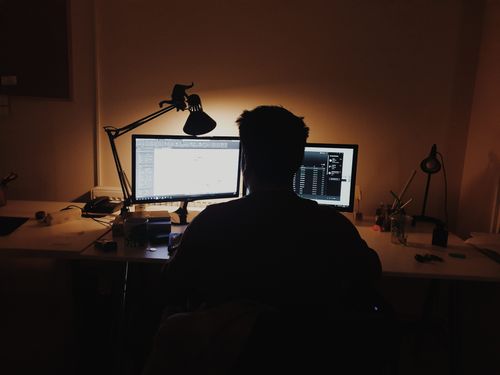

Screens fill every part of adult life, from work to home and everywhere in between. Starting from morning emails to late-night streaming, digital devices have become an inseparable part of modern life. For adults, screen time is not only a work necessity but also a source of entertainment, connection, and learning. So, how much is too much? What is the recommended screen time for adults? Also, what can be done to ensure screen habits support rather than damage a healthy, happy life?
This article by PlanetSpark explores the recommended screen time for adults, its effects, how to limit exposure, tips and the benefits of healthy digital habits.
Average Screen Time for Adults
The average adult spends a surprising number of hours in front of a screen. According to the latest reports, adults aged 16 to 64 spend an average of 6 hours and 37 minutes per day on their devices. This includes all forms of digital screens: computers, smartphones, televisions, and tablets.
During periods of global disruption, such as the COVID-19 lockdowns, this number skyrocketed. Pandemic-era studies revealed an increase to 19 hours per day among some Indians, highlighting just how entangled screens and daily living have become.

Why is the average screen time high for adults?
Adult screen time is high for various reasons:
- Remote work: Many jobs require constant use of computers and video conferencing tools. Also, work-from-home jobs have become popular, with the usual work time exceeding 9 hours per day.
- Social communication: Adults often interact with friends, family, and colleagues through messaging apps, social media, or video calls.
- Entertainment: Streaming movies, gaming, and reading online accounts for a significant slice of daily screen time.
Recommended Screen Time for Adults Per Day
Unlike children and teenagers, there are no strict formal guidelines for adult screen time. However, health experts generally recommend limiting recreational screen time to about two hours each day, outside of work and study commitments. Work-related screen time may be longer, sometimes up to 8 hours per day, but frequent breaks and screen-free periods are essential for overall wellness.
What are the recommended hours of screen time for an adult?
Adults should limit recreational screen time to around 2 hours per day, beyond work requirements. Taking regular breaks and establishing screen-free zones and times is crucial for digital wellness.
- Recreational screen time: Aim for less than 2 hours daily.
- Work-related: Varies, but try not to exceed 8 hours without frequent breaks.
- Overall: Strive for a healthy balance by incorporating physical activity and rest into every day.
Negative Effects of Too Much Screen Time
Excessive screen time can significantly impact physical, mental, and emotional health.
Physical Consequences of Screen Time
- Digital Eye Strain: Staring at a screen for extended periods can cause dry eyes, blurred vision, headaches, and discomfort. Eye care professionals recommend the 20-20-20 rule, where every 20 minutes, look at something 20 feet away for at least 20 seconds.
- Neck, Shoulder, and Back Pain: Poor posture while using a screen can result in musculoskeletal problems.
- Sedentary Lifestyle: Excessive screen time often leads to reduced physical activity, contributing to weight gain, fatigue, and a higher risk of heart disease.
Mental Hazard of Screen Time
- Sleep disturbances: The blue light emitted by screens interferes with circadian rhythm, making it harder to fall asleep.
- Focused attention: Constant device switching and digital multitasking diminish attention span and mental clarity.
- Depression and Anxiety: Research links extended screen exposure, especially on social media, with higher rates of anxiety, depression, and loneliness.
Social and Emotional Impact
- Reduced in-person interactions: Excessive screen use cuts into time spent with family and friends, leaving many adults feeling isolated or disconnected.
- Addictive behaviour: Overuse can lead to compulsive social media or gaming habits, which may interfere with real-life responsibilities and relationships.
Benefits of Limiting Screen Time for Adults
Despite our dependency on screens, adults reap many rewards from maintaining healthy limits.
Improved Eye Health: Limiting screen time and following the 20-20-20 rule (Every 20 minutes, look at something 20 feet away for 20 seconds to relax eye muscles and reduce fatigue) reduces eye strain and the risk of myopia progression. It also lowers the incidence of headaches and dry eyes, supporting long-term vision wellness.
Better Sleep: Screen-free evenings and fewer late-night scrolls promote more restorative sleep and a better mood upon waking.
Enhanced Mental Well-being: Reducing unnecessary screen exposure means less time engaging with content that can trigger anxiety, comparison, or low self-esteem. More offline time leads to more meaningful connections and lower stress levels.
Boosted Productivity: Frequent breaks and mindful screen habits enhance focus and productivity at work, while creative leisure time nurtures personal growth and satisfaction.
Physical Health Gains: A balanced digital life means a healthier body. Making time for movement like walking, exercising, and exploring outdoors boosts energy, improves posture, and supports cardiovascular health.
Tips to Reduce Screen Time for Adults
Building better screen habits is easier than it seems. Trying these research-backed strategies can help in reducing daily screen exposure and foster digital wellness.
- Track Your Usage: Use apps, device settings, or simple logs to monitor and understand your daily screen habits.
- Set Goals: Decide how many hours you want to spend on screens for leisure each day. You can start with small reductions in screen time.
- Schedule Breaks: Follow the 20-20-20 rule: Every 20 minutes, take a 20-second break and look at something 20 feet away.
- Turn Off Notifications: Reduce digital distractions by disabling non-essential alerts and group messaging.
- Screen-Free Zones: Designate specific times and spaces at home (meals, bedrooms, bathrooms, morning routines) as no-screen zones.
- Prioritise Physical Activity: Integrate exercise breaks, stretching, or outdoor activities into your daily schedule.
- Substitute with Offline Hobbies: Read books, cook, play music, or join clubs to replace passive screen time with active, creative pursuits.
- Review Digital Boundaries Regularly: Make screen time goals a family or group effort. Also, review and adjust boundaries together as needed.
Also, you can sit at arm’s length from monitors and adjust brightness, fonts, and seating for comfort. Use blue-light blocking settings or glasses if needed, but prioritise breaks and eye movement for true relief.

How PlanetSpark Helps in Guiding with Limited Screen Time
- Interactive Learning- Unlike traditional one-way video lessons, PlanetSpark’s live instructors keep the learners engaged through real-time activities, discussions, and feedback. These strategies reduce passive screen time and ensure screen use is intentional, with limited time bounds.
- Time-Managed Sessions- The instructors have made the sessions with a defined duration and clear objectives. Breaks are built into the schedule created by the instructors to avoid fatigue and promote a balance between a healthy and digital lifestyle.
- Encourage offline practice: a major part of PlanetSpark’s curriculum involves online assignments and practical exercises such as debating, public speaking, speech rehearsals, and creative thinking that take place away from screens.
- Promote Discipline for Health: The personalised mentors build routines that comprise professional work, study, recreation, and rest. Both students and adults alike are guided to set screen limits, create screen-free zones, and prioritise face-to-face communication.
- Building Awareness- The sessions often include conversations on digital well-being that teach learners how and when to use and limit screen time. This awareness empowers them to make smarter choices and develop a lifelong habit of healthy screen use.
Conclusion: Limit Screen Time with PlanetSpark
Screens are here to stay at work, at home, and on the go. For adults, mastering digital habits means choosing a conscious balance between usefulness and excess. PlanetSpark helps adults understand the average screen time for adults, following recommended limits, and actively taking steps to reduce exposure. Anyone can prevent the negative effects of too much screen time. PlanetSpark also customises work routines by building in breaks, engaging in screen-free activities, and focusing on healthful routines, ensuring that time spent online truly enriches life.
Frequently Asked Questions
There is no single official time limit for adults, but it is recommended to limit recreational screen time to under 2 hours per day. For work-related screen time, it is advised to take frequent breaks to avoid eye strain, headaches, and other issues, such as back and neck pain, within the 9 hours of working.
There is no official limit on adult screen time, but experts say that the maximum recreational screen time is 2 hours per day outside of work-related use.
While work screen time may exceed 8 hours or more, frequent breaks and screen-free intervals are essential to reduce strain and support health.
Excessive screen time is linked to eye strain, sleep disturbances, increased risk of anxiety and depression, poor posture, and sedentary lifestyle consequences.
PlanetSpark develops its learning sessions to be interactive and purpose-driven and ensures that every minute spent on screen is productive. The platform encourages regular breaks, balanced schedules, and a wide range of offline activities to promote digital wellness.
Yes, PlanetSpark offers live online sessions, but they are structured to avoid screen fatigue. Learners engage in short, focused classes with built-in breaks and are encouraged to practice offline through real-world speaking and communication exercises. Also, the curriculum emphasises offline practice that includes speech rehearsals, debates, reading exercises, and creative thinking tasks, designed to help learners apply skills beyond screens.
PlanetSpark offers time-managed sessions where instructors have created the sessions with a defined duration and clear objectives. Also, breaks are built into the schedule developed by the instructors to avoid fatigue and promote a balance between a healthy and digital lifestyle.