
Ultimate Guide To Self-Advocacy & Personal Branding
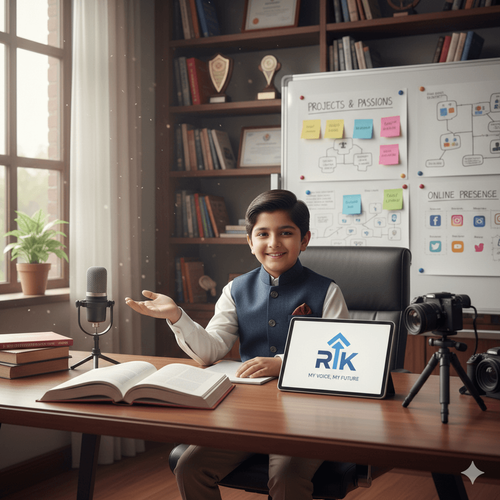

Table of Contents
- What is Self-Advocacy and Why Does It Matter?
- Understanding Personal Branding for Students
- The Connection Between Self-Advocacy & Personal Branding
- Practical Self-Advocacy Strategies for Elementary Students
- Self-Advocacy Skills for Middle School Students
- Personal Branding Strategies for High School Students
- Overcoming Self-Advocacy Barriers
- The Role of Parents and Teachers in Developing Self-Advocacy
- Digital Citizenship and Personal Branding
- Long-Term Benefits of Strong Self-Advocacy & Personal Brandi
- Getting Started: Action Steps for Students
- How PlanetSpark Develops Self-Advocacy & Personal Branding?
- Make Your Voice Matter with PlanetSpark
Have you ever had a brilliant idea in class but felt too nervous to share it? Or watched someone else get credit for something you could have done better?
That's where self-advocacy and personal branding come into play, two superpowers that every student needs to succeed in school and beyond. Imagine walking into any situation with confidence, knowing exactly how to express your thoughts, stand up for yourself, and leave a lasting positive impression. That's not just a dream, it's a skill you can learn!
PlanetSpark is transforming how kids and teenagers communicate, helping over 40,000 students worldwide discover their unique voices. Through personalized live 1:1 online classes in public speaking, creative writing, grammar, and vlogging, PlanetSpark turns quiet students into confident speakers and good communicators into exceptional leaders. Whether you're 4 or 16 years old, our expert teachers (handpicked from the top 1%) create customized learning journeys that make communication fun, engaging, and incredibly effective.
What is Self-Advocacy and Why Does It Matter?
Self-advocacy is the ability to speak up for yourself, communicate your needs clearly, and ask for help when required. It's about knowing what you need to succeed and having the courage to express it confidently. For kids and school students, self-advocacy skills include raising your hand to ask clarifying questions, requesting extra time on assignments, expressing disagreement respectfully, or standing up against bullying.
Self-advocacy for students isn't just about classroom participation. It extends to every area of life including friendships, family dynamics, extracurricular activities, and future workplace environments. When students develop strong advocacy skills early, they build a foundation for lifelong success.
Key Benefits of Self-Advocacy Skills for Children
Building self-advocacy and assertiveness skills offers transformative advantages:
- Academic Excellence: Students who advocate for themselves perform better academically because they ask clarifying questions, seek additional support when confused, and actively participate in their learning journey
- Enhanced Confidence: Learning how to speak up for yourself naturally boosts self-esteem and reduces anxiety in social situations
- Better Problem-Solving: Self-advocacy teaches students to identify challenges, analyze options, and implement solutions independently
- Stronger Relationships: Kids who communicate their boundaries and needs effectively build healthier friendships and family connections
- Future Career Success: Employers consistently rank communication and self-advocacy as top desired soft skills across all industries
Understanding Personal Branding for Students
Personal branding for students might sound like an adult concept, but it's incredibly relevant for kids and teenagers. Your personal brand is simply how others perceive you—the impression you leave through your actions, communication style, appearance, and digital presence. Every student already has a personal brand, whether they realize it or not. The question is: are you intentionally shaping it?
For school-age children, personal branding includes developing a reputation for reliability, creativity, kindness, leadership, or academic excellence. It's about identifying your unique strengths, interests, and values, then communicating them authentically to teachers, peers, and future opportunities.
Components of Strong Student Personal Branding
Building your personal brand as a student involves several key elements:
1. Self-Awareness and Identity Understanding who you are forms the foundation of personal branding. Ask yourself: What am I passionate about? What are my strengths and weaknesses? What values matter most to me? What makes me different from my classmates?
2. Communication Style How you express yourself—verbally and non-verbally—significantly impacts your personal brand. This includes your vocabulary choices, body language, listening skills, and digital communication etiquette.
3. Digital Footprint In our connected world, student personal branding extends online. Social media posts, comments, and shared content contribute to how others perceive you. Even younger students should understand digital responsibility and how to build a positive online presence.
4. Consistent Actions Your personal brand strengthens when your actions align with your stated values. If you want to be known as reliable, consistently meet deadlines. If creativity is your brand, regularly share original ideas and projects.
Unlock Your Communication Potential with PlanetSpark.
The Connection Between Self-Advocacy & Personal Branding
Self-advocacy skills and personal branding work together synergistically. When you advocate for yourself effectively, you reinforce your personal brand as confident, articulate, and proactive. Conversely, a strong personal brand gives you credibility when speaking up for your needs.
At PlanetSpark, our communication skills programs integrate both concepts. Through storytelling exercises, debate modules, public speaking practice, and creative writing assignments, students simultaneously develop advocacy abilities and craft their unique personal brands. Our expert mentors provide personalized coaching that adapts to each child's communication style and learning pace.
Practical Self-Advocacy Strategies for Elementary Students
For younger children (grades 1-5), self-advocacy begins with foundational communication skills:
Teaching Kids to Ask for Help
Many elementary students hesitate to seek assistance because they fear judgment or don't know how to phrase requests. Teach simple sentence starters:
- "I'm confused about..."
- "Could you please explain..."
- "I need help with..."
- "Can I have another example?"
Role-Playing Difficult Scenarios
Practice builds confidence. Create safe spaces for kids to rehearse advocacy situations:
- What do you do when you don't understand homework instructions?
- How do you respond when someone takes your school supplies?
- What should you say if a classmate is teasing you?
Building Vocabulary for Emotions and Needs
Young students often struggle to articulate feelings. Expand their emotional vocabulary with words like frustrated, overwhelmed, excited, disappointed, or confused. When children can name their emotions, they can communicate needs more effectively.
Unlock Your Communication Potential with PlanetSpark.
Self-Advocacy Skills for Middle School Students
Middle schoolers face unique challenges including peer pressure, increased academic demands, and social dynamics. Self-advocacy becomes more nuanced:
Speaking Up in Group Settings
Middle school students should practice contributing to group discussions, sharing opinions respectfully, and disagreeing diplomatically. Skills include active listening, acknowledging others' perspectives, and building on classmates' ideas.
Navigating Teacher Relationships
Students need strategies for approaching teachers about grades, assignments, or classroom concerns. Teach appropriate timing (not interrupting lessons), respectful language, and specific requests rather than vague complaints.
Managing Academic Challenges
Encourage students to advocate proactively. If they're struggling in math, they should seek extra help before failing, not after. This demonstrates maturity and personal responsibility.
Personal Branding Strategies for High School Students
High schoolers can implement sophisticated personal branding techniques:
Developing Your Elevator Pitch
An elevator pitch is a 30-60 second introduction highlighting your interests, strengths, and goals. High school students should craft compelling pitches for college interviews, networking events, or internship applications.
Creating a Professional Online Presence
LinkedIn profiles, personal websites, or digital portfolios showcase accomplishments, projects, and skills. Consistency across platforms strengthens your personal brand. Use similar profile photos, bios, and messaging.
Building a Reputation Through Consistent Actions
Choose 3-4 core values for your personal brand (innovation, leadership, creativity, reliability, empathy) and demonstrate them consistently. If leadership is part of your brand, actively seek leadership roles in clubs, sports, or community service.
Networking and Relationship Building
Personal branding thrives on relationships. Attend school events, connect with mentors, engage respectfully with teachers, and maintain meaningful friendships. Each relationship contributes to your reputation and creates opportunities.
Unlock Your Communication Potential with PlanetSpark.
Overcoming Self-Advocacy Barriers
Many students face obstacles when developing advocacy skills:
Fear of Speaking Up: Combat this through gradual exposure. Start with low-stakes situations (asking friends for help) before tackling high-pressure scenarios (challenging a grade).
Lack of Confidence: Confidence builds through preparation and practice. PlanetSpark's structured curriculum provides safe environments for students to practice speaking, receive constructive feedback, and celebrate progress.
Not Knowing What to Say: Teach specific scripts and sentence frameworks. Provide language templates students can adapt to different situations.
Perfectionism: Help students understand that advocacy isn't about perfect delivery—it's about honest communication. Mistakes are learning opportunities, not failures.
The Role of Parents and Teachers in Developing Self-Advocacy
Adults play crucial roles in fostering student self-advocacy and personal branding:
Model Self-Advocacy Behavior
Share your own experiences: "I had to advocate for myself at work today by..." This normalizes speaking up and shows it's a lifelong skill.
Create Safe Practice Opportunities
Allow students to make age-appropriate choices and experience natural consequences. Don't rescue them from every challenge—instead, guide them in advocating for solutions.
Encourage Self-Reflection
Ask questions that promote metacognition: "What made that situation challenging? What would you do differently next time? What strategies worked well?"
Celebrate Advocacy Attempts
Praise the act of speaking up, even if outcomes aren't perfect. Recognize courage, effort, and growth, not just results.
Unlock Your Communication Potential with PlanetSpark.
Digital Citizenship and Personal Branding
Today's students grow up online, making digital literacy essential for personal branding:
Think Before You Post
One inappropriate post can damage years of careful personal branding. Teach the "grandmother rule"—would you be comfortable with your grandmother seeing this content?
Privacy Settings and Safety
Understanding privacy controls, recognizing online dangers, and protecting personal information are fundamental digital citizenship skills.
Curating a Positive Digital Presence
Encourage students to share achievements, creative projects, community service, and positive experiences. These contributions build a strong, authentic digital brand.
Long-Term Benefits of Strong Self-Advocacy & Personal Branding
The skills students develop today create lifelong advantages:
College Success: University environments require significant self-advocacy—navigating course selections, seeking academic support, communicating with professors, and managing independent living.
Career Advancement: Employees who advocate for themselves earn promotions, negotiate better salaries, and build stronger professional networks. Personal branding differentiates you in competitive job markets.
Healthy Relationships: People who communicate boundaries, express needs clearly, and advocate for themselves build more satisfying personal and professional relationships.
Leadership Opportunities: Strong communicators naturally emerge as leaders. Self-advocacy and personal branding position students for leadership roles throughout life.
Mental Health and Wellbeing: Students who express needs, set boundaries, and advocate for themselves experience lower stress, better emotional regulation, and higher self-esteem.
Getting Started: Action Steps for Students
Ready to develop your self-advocacy skills and personal branding? Follow these practical steps:
- Assess Your Current Communication Skills: Take PlanetSpark's Communication Skill Test to identify strengths and growth areas
- Set Specific Goals: Choose 2-3 advocacy skills to develop (asking questions in class, expressing disagreement respectfully, seeking help proactively)
- Practice Regularly: Communication improves through consistent practice, not occasional effort
- Seek Feedback: Ask trusted adults and peers for honest feedback about your communication style
- Reflect on Experiences: After advocacy attempts, analyze what worked, what didn't, and what you'd change
- Join PlanetSpark: Enroll in structured communication training with expert mentors who provide personalized guidance
How PlanetSpark Develops Self-Advocacy & Personal Branding?
PlanetSpark offers comprehensive communication skills training that naturally develops both self-advocacy and personal branding through a unique, student-centered approach. Our live 1:1 classes provide personalized attention from top 1% teachers who carefully assess each student's unique communication style, identify specific growth areas, and create customized learning paths tailored to individual needs and goals. Through highly interactive activities including storytelling, debates, podcasting, stand-up comedy, and creative writing, students practice expressing ideas confidently in diverse formats that keep learning exciting and relevant. What sets PlanetSpark apart is our commitment to real-time feedback and progress tracking—we use AI-powered reports and detailed video feedback so both students and parents can track visible growth throughout the learning journey. This data-driven approach ensures measurable improvement in communication clarity, confidence, and advocacy skills, making progress tangible and motivating.
Our platform creates judgment-free spaces where students can experiment with different communication styles, make mistakes, and learn from them without the social pressure they might feel in traditional classroom settings. This safe environment is crucial for building genuine confidence and encouraging students to take risks with their communication. Beyond the virtual classroom, PlanetSpark students gain access to global opportunities including participation in national and international speaking competitions, TED-style talks, and publishing opportunities for their creative work. These real-world experiences don't just build impressive resumes—they strengthen personal brands, develop advanced advocacy abilities, and give students proof of their capabilities that boosts their confidence in every area of life.
Make Your Voice Matter with PlanetSpark
Self-advocacy and personal branding aren't optional skills for modern students—they're essential tools for academic success, career advancement, and personal fulfillment. Every student deserves to find their voice, communicate confidently, and build an authentic personal brand that reflects their unique strengths and values.
At PlanetSpark, we've empowered over 40,000 learners worldwide to transform from hesitant speakers into confident communicators. Our proven methodology combines live personalized coaching, interactive practice opportunities, real-time feedback, and global showcasing platforms. Whether your child is naturally outgoing or struggles with shyness, our expert teachers create safe, supportive environments where every student can flourish.
Don't wait for communication challenges to hold your child back. Start building self-advocacy skills and personal branding today. The earlier students develop these competencies, the more opportunities they'll access throughout life.
Frequently Asked Questions
Self-advocacy foundations can begin as early as preschool with simple skills like asking for help and expressing needs. Formal instruction typically starts in elementary school and continues developing through adolescence.
Most students show noticeable improvements within 8-12 weeks of consistent practice with structured programs like PlanetSpark. Confidence and clarity typically improve first, followed by more sophisticated advocacy techniques.
Absolutely! Self-advocacy isn't about being loud or extroverted—it's about clear, authentic communication. Many successful advocates are naturally introverted. Structured training helps introverted students find their voice without changing their personality.
Personal branding is authentic representation of your genuine skills and values. Showing off involves exaggeration or arrogance. Strong personal brands are built on consistency, humility, and demonstrable abilities, not empty boasting.
Fear is normal and can be overcome through gradual exposure, practice in safe environments, and celebrating small victories. PlanetSpark's personalized approach helps anxious students build confidence step-by-step at their own pace.