
Simple Self Awareness Activities to Understand Yourself Better


Table of Contents
- What is Self Awareness and Why It Matters
- Self Awareness Activities for Stress Management
- How Self Awareness Improves Communication Skills
- Advanced Self Awareness Techniques for Deeper Growth
- How Self Awareness Impacts Career Growth
- Role of Emotional Intelligence in Self Awareness
- PlanetSpark Communication and Personality Development Classe
Struggling to understand your emotions, decisions, or reactions at work? Self awareness activities can help you gain clarity, improve confidence, and make better choices in both personal and professional life. Many working professionals face stress and confusion because they lack awareness of their own behavior patterns.
In this blog, you will explore practical activities on self awareness, learn how to reflect effectively, and discover techniques to improve emotional intelligence. From daily habits to advanced practices, this guide will help you build a stronger, more confident version of yourself.
What is Self Awareness and Why It Matters
Self awareness is the ability to understand your thoughts, emotions, and actions. It helps you recognize how your behavior affects your life and the people around you.
Being self-aware allows you to pause before reacting. Instead of making impulsive decisions, you can respond thoughtfully. This is especially important in professional settings where communication and decision-making matter.
Self awareness also helps you identify your strengths and weaknesses. When you know what you are good at, you can use it to your advantage. At the same time, recognizing your limitations helps you improve.
Key Benefits
- Better emotional control
- Improved decision-making
- Stronger communication skills
- Increased confidence
A self-aware professional can manage stress effectively, communicate clearly, and adapt to challenges with ease.
Top Self Awareness Activities for Daily Practice
Practicing self awareness activities daily can significantly improve your understanding of yourself. These activities are simple but powerful when done consistently.
Journaling for Clarity
Writing your thoughts helps you identify emotional patterns. It allows you to process your experiences and understand your reactions better.
Daily Reflection
Spend 10 minutes reviewing your day. Think about what went well and what could improve. This habit helps you learn from your experiences.
Mindfulness Practice
Mindfulness helps you stay present and observe your thoughts without judgment. This improves emotional control and reduces stress.
Strength and Weakness Analysis
List your strengths and areas of improvement regularly. This helps you focus on growth.
Feedback Practice
Ask for honest feedback from colleagues or friends. It helps you see yourself from a different perspective.
Long-Term Impact
Regular practice builds emotional intelligence, improves confidence, and enhances decision-making skills.

Activities on Self Awareness for Working Professionals
Working professionals face constant pressure, making self awareness essential for success.
Workplace Reflection
At the end of the day, evaluate your performance. Think about how you handled tasks and interactions.
Emotional Check-Ins
Pause during the day to identify how you feel. This helps you manage stress effectively.
Goal Alignment
Set clear goals that align with your strengths. This improves productivity and motivation.
Communication Review
Analyze how you communicate with others. Identify areas for improvement.
Decision Reflection
Think about the decisions you make. Understand whether they are based on logic or emotions.
These activities on self awareness help professionals improve performance and build stronger workplace relationships.
Self Awareness Activities for Stress Management
Stress is a common challenge for working professionals, and self awareness activities can help you manage it effectively. When you are aware of your emotional triggers, you can respond to stress in a more controlled and productive way.
Identifying Stress Triggers
The first step is to recognize what causes stress. It could be deadlines, workload, or communication issues. Once you identify triggers, you can plan better responses.
Breathing and Pause Technique
When you feel overwhelmed, pause for a moment and take deep breaths. This helps calm your mind and improves focus.
Reflection After Stressful Situations
After a stressful event, reflect on how you reacted. Ask yourself what you could do differently next time.
Benefits
- Reduces emotional overload
- Improves focus and clarity
- Helps in better decision-making
Practicing these activities regularly helps you stay calm and composed even in high-pressure situations.
Improve workplace communication and confidence
Start your learning journey with Planetspark today!Enroll now!
How Self Awareness Improves Communication Skills
Self awareness plays a major role in effective communication. It helps you understand your emotions and control your reactions.
When you are aware of your feelings, you can respond calmly instead of reacting impulsively. This prevents misunderstandings and conflicts.
Self awareness also improves listening skills. Instead of focusing on what to say next, you listen carefully and respond thoughtfully.
Communication Benefits
- Clear expression of ideas
- Better listening skills
- Reduced conflicts
- Stronger relationships
Professionals with strong self awareness communicate more effectively and build trust in their workplace.
How Self Awareness Helps in Decision Making
Decision-making becomes easier when you understand your thoughts and emotions clearly. Self awareness activities allow you to make decisions based on logic rather than impulse.
Understanding Your Thought Process
When you are self-aware, you can analyze your thinking patterns. You can identify whether your decisions are influenced by emotions, assumptions, or facts.
Evaluating Options Clearly
Self awareness helps you compare different options objectively. This leads to better outcomes.
Learning from Past Decisions
Reflecting on past decisions helps you improve future choices. You learn what worked and what did not.
Real-Life Impact
Professionals who practice self awareness activities make confident and well-informed decisions, which leads to career growth and success.
Common Barriers to Self Awareness
Developing self awareness is not always easy. Many people face challenges that prevent growth.
Lack of Reflection Time
Busy schedules make it difficult to reflect on thoughts and actions.
Fear of Feedback
People often avoid feedback because they fear criticism.
Emotional Avoidance
Ignoring emotions prevents deeper understanding.
Overconfidence
Believing you already know everything about yourself limits growth.
How to Overcome These Barriers
- Set aside time for reflection
- Accept feedback positively
- Practice mindfulness regularly
- Stay open to learning
How to Build Consistency with Self Awareness Activities
Consistency is key to improvement. Practicing self awareness activities regularly leads to long-term growth.
Build a Routine
Start with small steps such as 10 minutes of reflection daily.
Use Reminders
Set reminders to practice self awareness activities.
Track Progress
Maintain a journal to monitor your growth.
Stay Motivated
Celebrate small improvements to stay consistent.
Result
Consistent practice improves clarity, confidence, and emotional control.
Build confidence and improve communication skills
Join expert-led classes with Planetspark
Book a Free Trial today!
Daily Habits to Strengthen Self Awareness
Building self awareness does not require major changes. Small daily habits can make a big difference over time.
Morning Intention Setting
Start your day by setting a clear intention. Decide how you want to behave and respond throughout the day.
Midday Check-In
Pause during the day and assess your thoughts and emotions. This helps you stay on track.
Evening Reflection
Reflect on your day before going to sleep. Identify what you learned and how you can improve.
Habit Benefits
- Builds consistency
- Improves focus
- Encourages continuous growth
Over time, these habits become a natural part of your routine and significantly improve self awareness.
Advanced Self Awareness Techniques for Deeper Growth
Once you develop basic habits, advanced techniques can help you grow further.
Meditation
Helps you observe thoughts calmly and build emotional stability.
Personality Analysis
Understanding your traits helps you identify strengths and weaknesses.
Scenario Reflection
Analyze past situations to learn from them.
Behavioral Tracking
Observe how you react in different situations.
These techniques provide deeper insights and improve emotional intelligence.
How Self Awareness Impacts Career Growth
Self awareness plays a key role in professional success.
Better Decision-Making
You make thoughtful decisions based on understanding your strengths.
Leadership Skills
Self-aware leaders manage teams effectively.
Strong Relationships
Clear communication improves workplace relationships.
Confidence Building
Understanding yourself increases confidence and performance.
Practical Exercises to Improve Self Awareness at Work
You can apply self awareness activities directly in your workplace.
Weekly Review
Evaluate your performance every week.
Feedback Sessions
Ask for feedback regularly.
Responsibility Reflection
Analyze how you handle tasks.
Stress Awareness
Identify stress triggers and manage them effectively.
These exercises help improve productivity and communication.
Group Activities on Self Awareness for Team Growth
Self awareness is not only an individual skill. It also plays a key role in teamwork and collaboration.
Team Reflection Sessions
Teams can conduct regular reflection sessions where members discuss their strengths, challenges, and improvements.
Feedback Circles
In this activity, team members give constructive feedback to each other. This builds trust and transparency.
Role Reversal Exercise
Team members switch roles temporarily to understand each other’s responsibilities and challenges.
Benefits
- Improves teamwork
- Builds trust among team members
- Enhances communication
These activities on self awareness help create a positive and productive work environment.

Role of Emotional Intelligence in Self Awareness
Emotional intelligence is closely linked to self awareness. It helps you understand and manage emotions effectively.
Key Benefits
- Better emotional control
- Improved relationships
- Enhanced communication
A professional with strong emotional intelligence can handle challenges with confidence and clarity.
How Self Awareness Builds Confidence Over Time
Confidence is closely linked to self awareness. When you understand yourself better, you feel more secure in your decisions and actions.
Knowing Your Strengths
Self awareness helps you recognize what you are good at. This boosts your confidence in professional situations.
Accepting Weaknesses
Instead of avoiding weaknesses, self-aware individuals work on improving them. This leads to growth.
Better Communication
Understanding your thoughts and emotions helps you express yourself clearly and confidently.
Long-Term Confidence Growth
As you practice self awareness activities, you become more comfortable with yourself. This leads to natural confidence and improved performance.
Long-Term Benefits of Self Awareness Activities
Practicing self awareness activities leads to long-term benefits.
Benefits
- Improved emotional control
- Strong communication skills
- Better productivity
- Continuous personal growth
Lifelong Impact
Self awareness helps you adapt to challenges and grow continuously in every area of life.
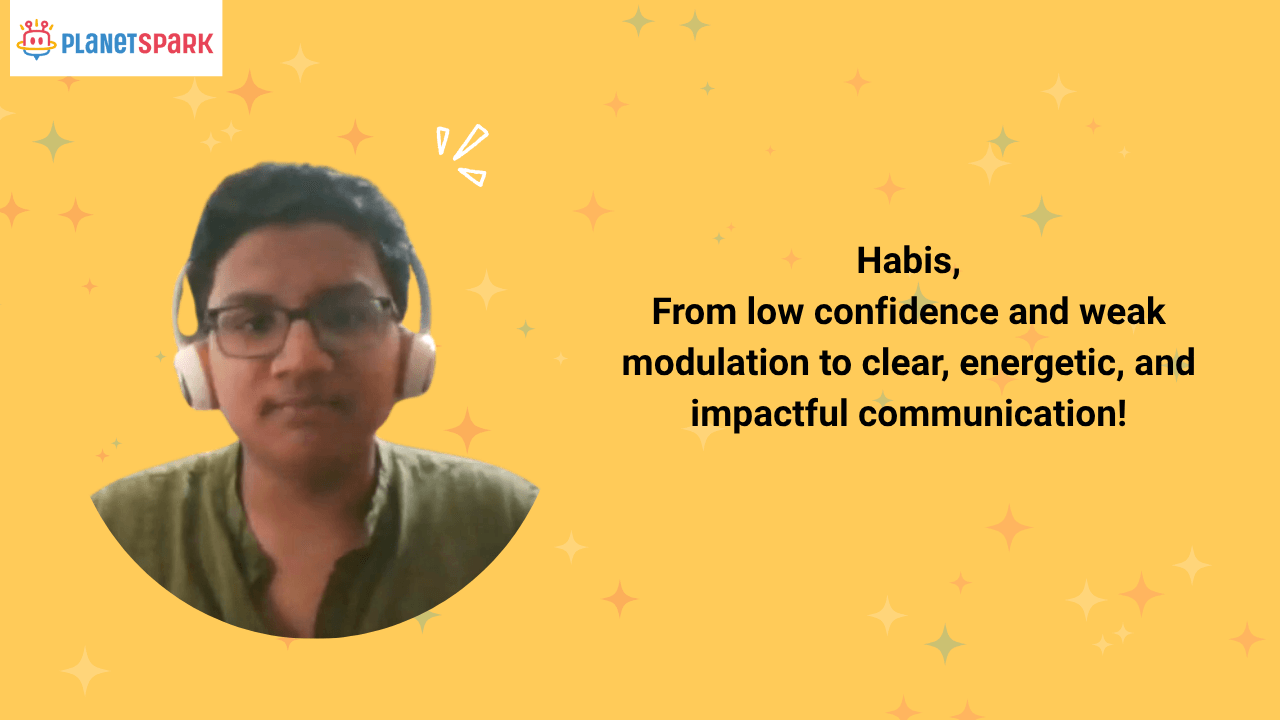
Meet Habis — once a shy speaker, now delivering every message with clarity, confidence, and strong stage presence.
PlanetSpark Communication and Personality Development Classes
Build Confidence with PlanetSpark
PlanetSpark Communication and Personality Development classes help learners build confidence, improve communication, and develop self awareness. These classes are designed for professionals who want structured learning and real-life application.
Why Choose PlanetSpark
- Live interactive classes
- Expert teachers
- Real-world communication practice
- Personalized feedback
- Confidence-building framework
- Structured curriculum

Grow with Awareness and Confidence
Self awareness is the starting point of meaningful growth. When you understand your thoughts, emotions, and actions, you gain control over your decisions and direction in life.
By practicing self awareness activities consistently, you build clarity, confidence, and emotional strength. Over time, these small efforts lead to big transformations in your personal and professional journey.
Frequently Asked Questions
They enhance decision-making and help you understand your reactions better. Self-awareness also improves communication and emotional intelligence. This leads to stronger relationships and better outcomes.
Yes, it helps you think before responding in conversations. You become more clear, calm, and confident while expressing ideas. This reduces misunderstandings and improves connections.
Journaling and self-reflection are among the most effective methods. They help you process thoughts and track personal growth. Regular practice builds deeper understanding over time.
PlanetSpark offers structured learning programs to build communication and self-awareness skills. Expert guidance helps learners understand and improve their behavior. Real-life practice strengthens confidence and expression.
Yes, the classes are designed for working professionals and learners at all levels. They focus on practical skills for real-life situations. Flexible learning makes it easy to improve alongside work.
Download Free Worksheets
Personalized Communication Roadmaps
Record a video to get a AI generated personalized communication reports