
10 Best Activities for Kids With Slow Processing Speed
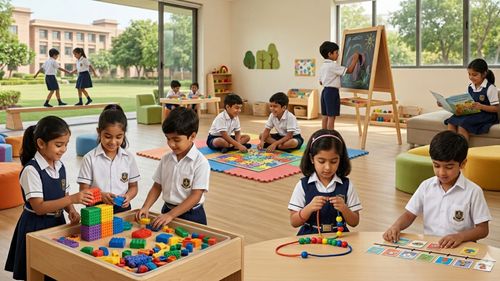

Does your child take extra time to answer questions, complete homework, or follow instructions? You are not alone, and more importantly, there’s nothing “wrong.” Children with slow processing speed simply need supportive strategies, not pressure. The right activities can help them build confidence, improve their thinking pace, and enjoy learning again. Platforms like PlanetSpark also offer personalized learning approaches that nurture communication skills while respecting every child’s unique pace.
Understanding Slow Processing Speed in Kids
Slow processing speed means a child takes longer to understand information, think through it, and respond. It’s not about intelligence, many highly intelligent children experience it. They just need more time to process instructions, organize thoughts, and act.
Instead of rushing them, the goal should be to strengthen their cognitive pathways through fun, low-pressure activities.
1. Puzzle Solving Activities
Puzzles are excellent for improving cognitive processing. Start with simple jigsaw puzzles and gradually increase difficulty.
These activities help children:
- Recognize patterns
- Improve visual processing
- Build patience
The key is to avoid time pressure. Let them solve puzzles at their own pace so they feel successful rather than stressed.

2. Memory Card Games
Memory games playfully strengthen recall and processing speed. Use flashcards or matching games where children flip cards and find pairs.
Benefits include:
- Improved concentration
- Faster recognition skills
- Better short-term memory
You can make it more engaging by using colorful or themed cards based on your child’s interests.
3. Storytelling and Sequencing Games
Ask your child to narrate a story or arrange picture cards in sequence.
This activity:
- Enhances logical thinking
- Improves verbal processing
- Builds confidence in expression
Encourage creativity rather than correctness. Even slow responses become meaningful when children feel heard.
4. Timed but Flexible Tasks
Introduce light timing elements without pressure. For example, ask your child to complete a simple task in “around 5 minutes,” but don’t enforce strict limits.
This helps:
- Gradually improve response speed
- Build time awareness
- Reduce anxiety around deadlines
Keep the tone encouraging rather than competitive.
5. Drawing and Coloring Activities
Art allows children to process information visually and express ideas without time constraints.
It supports:
- Visual thinking
- Creativity
- Emotional expression
Drawing also helps children organize thoughts before expressing them verbally.
6. Simple Board Games
Games like Ludo, Snakes and Ladders, or Uno teach turn-taking and decision-making.
They help children:
- Think strategically
- Follow rules
- Process outcomes step-by-step
Since these games are repetitive, children naturally improve their response time over repeated play.
Help your child overcome slow processing challenges with PlanetSpark’s engaging and supportive learning programs today.
7. Breaking Tasks into Small Steps
Turn big tasks into smaller, manageable chunks. For example, instead of “clean your room,” say:
- Pick up toys
- Arrange books
- Make the bed
This reduces cognitive overload and helps children process one instruction at a time.
8. Listening and Following Instructions Games
Play games like “Simon Says” or give multi-step instructions in a fun way.
These activities improve:
- Auditory processing
- Attention span
- Instruction-following skills
Start with one-step instructions and slowly increase complexity.
9. Physical Activities and Movement Games
Movement-based games like jumping, dancing, or obstacle courses stimulate brain activity.
They:
- Improve coordination
- Boost brain-body connection
- Increase alertness
Active bodies often lead to more responsive minds.
10. Reading and Speaking Practice
Encourage your child to read aloud and express their thoughts.
This helps:
- Improve language processing
- Build confidence in speaking
- Enhance comprehension
Guided platforms like PlanetSpark provide structured communication training that can significantly improve both thinking and speaking speed in a supportive environment.
Tips for Parents Supporting Slow Processing Speed
Supporting a child with slow processing speed requires patience, empathy, and practical strategies. Small daily changes in communication and environment can significantly improve confidence, reduce anxiety, and help children gradually process information more effectively.
Be Patient
Allowing your child enough time to think and respond helps reduce pressure and builds confidence. Patience creates a safe environment where children feel comfortable expressing themselves without fear of being rushed or judged.
Examples:
- Wait silently after asking a question instead of repeating it quickly.
- Give extra time during homework without constantly reminding them to hurry.
Avoid Comparisons
Comparing your child with others can harm self-esteem and increase stress. Every child develops at their own pace, and recognizing individual progress helps them feel valued and motivated to keep improving.
Examples:
- Praise your child’s improvement instead of comparing them with classmates.
- Avoid statements like “Your sibling finishes faster than you.”
Looking to boost your child’s confidence and learning pace? Explore PlanetSpark’s expert-led interactive sessions now.
Encourage Effort, Not Speed
Focusing on effort rather than how fast tasks are completed helps children value learning. This approach builds resilience and motivates them to try harder without feeling pressured to rush.
Examples:
- Say “Great job trying!” instead of “Why are you so slow?”
- Reward consistent effort rather than quick completion.
Create a Calm Environment
A quiet, organized space helps children focus better and process information without distractions. Reducing noise and interruptions allows them to think clearly and respond more effectively.
Examples:
- Set up a clutter-free study area with minimal noise.
- Turn off TV or loud music during homework time.
Celebrate Small Wins
Recognizing even small achievements boosts confidence and encourages continued effort. Celebrations reinforce positive behavior and help children feel proud of their progress, no matter how gradual it may be.
Examples:
- Praise completing a task independently, even if it took longer.
- Use stickers or small rewards to acknowledge daily improvements.
Creating Consistent Daily Learning Routines
A structured daily routine helps children with slow processing speed feel secure and prepared. Predictable schedules reduce confusion, improve focus, and allow children to process tasks more efficiently over time.
Set Clear and Simple Schedules
Establishing a consistent daily schedule helps children know what to expect. This reduces decision-making pressure, allowing them to focus better on tasks and gradually improve their ability to process instructions.
Use Visual Timetables
Visual schedules with pictures or charts make it easier for children to understand and remember tasks. These tools support better processing by presenting information in a simple, organized, and engaging format.
Allow Transition Time Between Tasks
Children need time to switch from one activity to another. Providing short breaks between tasks helps them mentally prepare, reducing stress and improving their ability to focus and respond effectively.
Maintain Consistency with Flexibility
While routines should be consistent, occasional flexibility prevents stress. Adjusting schedules when needed helps children stay comfortable, ensuring they don’t feel overwhelmed while still benefiting from structured learning habits.

How PlanetSpark Helps Children Thrive
PlanetSpark empowers children to grow at their own pace by building communication, confidence, and thinking skills through personalized learning. Its supportive approach ensures children never feel rushed, helping them enjoy learning while improving gradually.
Personalized Learning Approach
PlanetSpark tailors lessons according to each child’s unique pace and learning style. This ensures children with slow processing speed feel comfortable, supported, and confident while learning without pressure or fear of falling behind.
Expert-Led Interactive Sessions
Experienced trainers conduct engaging, interactive sessions that encourage participation and expression. These sessions help children process information better, ask questions freely, and gradually improve their thinking and response abilities.
Focus on Communication Skills
PlanetSpark emphasizes speaking, storytelling, and structured communication activities. These practices help children organize their thoughts, express ideas clearly, and boost both verbal processing speed and overall confidence in daily interactions.
Continuous Feedback and Improvement
Regular feedback helps children understand their progress and areas of improvement. Constructive guidance encourages consistent growth, allowing children to enhance their cognitive abilities and communication skills step-by-step in a supportive environment.

Can the Right Support Transform Your Child’s Learning Journey?
Absolutely. With patience, the right activities, and consistent encouragement, children with slow processing speed can thrive academically and emotionally. The goal is not to “speed them up” but to support them in becoming confident learners. Programs like PlanetSpark provide structured, personalized guidance that empowers children to express themselves clearly and think effectively at their own pace, yet with steady progress.
Also Read:
Top 15 Self Esteem Activities for Kids: Age-Wise Guide
Thinking vs Speaking Gap- How to Overcome It with PlanetSpark
Frequently Asked Questions
Slow processing speed means a child takes longer to understand, think, and respond to information. It doesn’t reflect intelligence but highlights the need for supportive strategies, patience, and structured learning approaches.
Parents can use simple activities like puzzles, storytelling, and step-by-step instructions. Programs like PlanetSpark also provide guided sessions that improve communication and thinking skills in a supportive environment.
Yes, it can impact task completion and test performance. However, with proper support, encouragement, and structured programs like PlanetSpark, children can build confidence and improve both academic and communication abilities.
Yes, many structured learning platforms exist. PlanetSpark offers personalized programs focusing on communication and cognitive development, helping children gradually improve processing speed while gaining confidence in expressing themselves.
Absolutely, with consistent practice, patience, and the right activities, children can improve significantly. Supportive environments, positive reinforcement, and skill-building exercises help enhance their processing speed and overall confidence.