
Social Etiquette for School Students Guide | PlanetSpark Insights
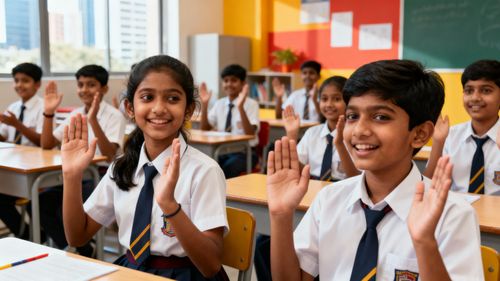

Table of Contents
- What Is Social Etiquette and Why It Matters
- Types of Social Etiquette Every School Student Must Learn
- Essential Skills for Social Etiquette in School Students
- How Students Can Practise Social Etiquette Daily
- The Role of Schools and Parents in Teaching Social Etiquette
- How Schools Help
- How Parents Help
- Strong Children Are Built Through Teamwork
- How PlanetSpark Builds Social Etiquette, Communication, and
- Guiding Students Toward Confident and Respectful Communicati
Social etiquette for school students is
an essential life skill that shapes confidence, communication abilities, and respectful behaviour. From classroom interactions to digital conduct, students who learn social etiquette early develop stronger relationships, leadership abilities, and emotional intelligence.
This blog covers the meaning, importance, and core principles of social etiquette for school students, along with practical ways to build these skills.
What Is Social Etiquette and Why It Matters
Social etiquette for school students refers to the behavioural rules that guide how children interact with teachers, peers, and society. It includes:
Emotional awareness
Politeness and courtesy
Conversational skills
Appropriate gestures and body language
Empathy and respect
Responsible digital behaviour
Why it matters:
Social etiquette is a life skill essential in today’s multicultural, digital world.
It influences academic success, friendships, and long-term leadership potential.
Helps students communicate confidently during discussions, projects, competitions, and public events.
Encourages strong decision-making, better listening, and positive problem-solving skills.
Supports holistic personality development, which schools greatly value today.
Types of Social Etiquette Every School Student Must Learn
1. Classroom Etiquette
Classroom etiquette for kids forms the foundation of disciplined behaviour. Students should learn to:
Listen attentively when teachers speak
Raise hands before answering
Respect classmates’ opinions and contributions
Maintain discipline without repeated reminders
Be punctual to class
Avoid interrupting others
Keep their desk and belongings organised
Participate actively in lessons and activities
Benefits:
Builds discipline and responsibility
Enhances focus and attention
Improves classroom harmony
Strengthens teacher-student relationships
2. Communication Etiquette
Communication manners for students ensure respectful and effective interactions. Students should practise:
Speaking clearly and confidently
Using polite and respectful words
Maintaining eye contact while communicating
Understanding tone and using it appropriately
Greeting teachers and classmates correctly
Avoiding harsh or hurtful language
Being honest, respectful, and calm
Using positive and open body language
Waiting patiently for their turn to speak
Why it’s important:
Improves leadership qualities
Strengthens participation in debates, discussions, and presentations
Helps students become confident public speakers
PlanetSpark’s Public Speaking Course personally trains children to master communication etiquette through expert-led sessions.
3. Behavioural Etiquette
Behavioural etiquette focuses on discipline, respect, responsibility, and emotional balance. Students should learn to:
Treat everyone with kindness
Respect others’ personal space and boundaries
Apologise sincerely when wrong
Recognise how their actions affect others
Offer help when someone needs it
Appreciate peers and acknowledge good efforts
Avoid gossiping or spreading negativity
Show gratitude regularly
Outcome:
Builds emotional intelligence
Encourages maturity and trustworthiness
Helps form healthier and long-lasting friendships
4. Dining Etiquette
Dining etiquette helps children behave gracefully in social and school events involving food. Students should learn:
How to hold and use cutlery correctly
Using napkins properly
Chewing slowly and politely
Sharing space respectfully at the dining table
Avoiding wastage of food
Waiting for others before beginning a meal
Cleaning the eating area after finishing
Benefits:
Enhances grooming and discipline
Builds social confidence
Prepares students for formal events and gatherings
5. Digital Etiquette
Digital etiquette teaches responsible and safe behaviour online. Students should practise:
Using polite and respectful language online
Never participating in or encouraging cyberbullying
Respecting privacy of self and others
Avoiding oversharing personal details
Thinking before posting or commenting
Maintaining discipline during online classes
Managing screen time wisely
Responding thoughtfully in group chats and discussions
Importance:
Ensures safe and responsible use of technology
Builds digital maturity
Protects children from online risks
Essential Skills for Social Etiquette in School Students
Communication, Confidence, and Emotional Maturity
Developing social etiquette for school students is a gradual process influenced by guidance, observation, and consistent practice. These skills shape how students respond to situations, interact with others, and express themselves. Below are the core skills that contribute to strong and positive etiquette:
1. Confidence
Confidence enables children to speak and behave without fear or hesitation. A confident child is able to:
Express opinions clearly
Participate in class and group discussions
Interact comfortably with peers and adults
Perform better in academic and social settings
Confidence lays the foundation for good social behaviour, leadership, and respectful communication.
2. Empathy
Empathy is the ability to understand the emotions, perspectives, and experiences of others. For students, this means:
Being sensitive to their classmates’ feelings
Avoiding hurtful behaviour
Offering support when someone is upset
Building stronger friendships and reducing conflicts
Empathy helps create a kinder, more harmonious school environment.
3. Self-Control
Self-control is one of the most essential elements of social etiquette. Students should learn to:
Handle anger in a calm manner
Think before reacting
Avoid impulsive behaviour
Choose polite and thoughtful words
Self-control helps children behave responsibly, particularly in challenging or emotional situations.
4. Active Listening
Active listening goes beyond just hearing words. It requires students to:
Pay full attention to the speaker
Understand the message
Make eye contact
Respond thoughtfully
Avoid interrupting
This skill helps improve communication, respect, and understanding in both academic and social settings.
5. Respect
Respect is the foundation of all etiquette. Students must learn to respect:
Teachers and adults
Classmates and their opinions
School rules and property
Private spaces and belongings
Respect leads to healthier interactions, fewer misunderstandings, and a positive school culture.
6. Body Language
Body language communicates emotions and attitudes silently. Students should learn to use:
A confident posture
Calm and controlled gestures
Friendly facial expressions
Eye contact to show attentiveness
Good body language complements spoken communication and strengthens self-confidence.
7. Problem-Solving
Social etiquette teaches students how to handle conflicts or challenges maturely by:
Thinking logically
Staying calm
Finding fair solutions
Understanding different viewpoints
Problem-solving builds resilience and independence, essential for personal growth.
These skills develop best through structured learning, consistent practice, and guided feedback. Programs like PlanetSpark accelerate this process by offering personalised coaching and real-time speaking opportunities.
How Students Can Practise Social Etiquette Daily
Social etiquette improves when children apply it every day. Here are simple yet powerful habits that help build strong social skills:
1. Practise Polite Greetings
Encourage students to greet teachers, classmates, and adults with respect. A simple good morning or hello sets a positive tone and builds confidence.
2. Participate in Conversations
Children should be encouraged to:
Ask questions
Share opinions
Listen attentively
Engage respectfully
This improves communication and helps them express themselves thoughtfully.
3. Maintain Cleanliness
Keeping classrooms and surroundings clean reflects responsibility and discipline. It teaches students to respect shared spaces.
4. Develop Healthy Peer Interactions
Students should learn to:
Avoid teasing, bullying, or excluding others
Be cooperative and supportive
Resolve disagreements politely
Healthy peer behaviour builds trust and reduces conflicts.
5. Engage in Group Activities
Team tasks teach students to:
Work together
Understand different viewpoints
Share responsibilities
Practise patience and cooperation
Group activities naturally strengthen social etiquette and communication.
6. Follow Rules
Rules in classrooms, sports, and school events help students learn discipline. Following rules shows respect for structure and authority.
7. Practise Mindful Online Behaviour
Digital interactions require etiquette too. Students should:
Use polite language online
Avoid posting hurtful comments
Respect privacy
Manage screen time
Stay focused during online classes
Mindful digital behaviour protects students and promotes safe online habits.
8. Join Programs That Build Communication Skills
Activities such as:
Public speaking
Debates
Storytelling
Group discussions
help students practise etiquette in real-time settings. These activities improve confidence, listening skills, expression, and respectful communication.
PlanetSpark’s Public Speaking Program provides children with structured training, personalised practice, and expert guidance, helping them build etiquette, confidence, and communication skills at the same time.
The Role of Schools and Parents in Teaching Social Etiquette
Developing social etiquette in school students is not a one-day lesson. It is a gradual process shaped by consistent guidance, positive reinforcement, and real-life modelling. Both schools and parents play crucial roles in helping children learn and practise good manners, respectful communication, and responsible behaviour.
How Schools Help
Schools are one of the primary environments where children observe, interact, and learn social behaviour. Through everyday routines, school activities, and teacher guidance, students naturally absorb important etiquette skills.
Here’s how schools contribute:
1. Encouraging Collaborative Learning
Group projects, team activities, and classroom tasks help children:
Work together
Share responsibilities
Listen to others’ ideas
Respect different viewpoints
Solve problems as a team
These experiences build cooperation and empathy.
2. Creating a Supportive Environment
A positive school environment teaches students to:
Feel safe expressing themselves
Interact confidently
Build healthy peer relationships
Learn respect and empathy through daily interactions
Supportive classrooms help children practise etiquette naturally.
3. Incorporating Etiquette Lessons into Activities
Morning assemblies, class discussions, debates, role-plays, and celebrations offer opportunities to learn:
Politeness
Public behaviour
Respectful communication
Leadership and confidence
These activities help children apply etiquette practically.
4. Modelling Respectful Communication
Teachers act as strong role models. When teachers speak kindly, listen patiently, and show empathy, students learn to behave the same way. Children imitate behaviour more than instructions.
5. Organising Confidence-Building Events
Schools often host:
Storytelling sessions
Class presentations
Cultural events
Competitions
Debate clubs
These events help students practise confidence, respect, communication, and discipline.
How Parents Help
Parents are the child’s first and most influential teachers. Home is where children first learn manners, respect, empathy, and communication habits. The everyday behaviour of parents leaves a long-lasting impact on the child.
Here’s how parents can contribute:
1. Encouraging Polite Behaviour at Home
Small habits like saying please, thank you, and sorry teach children politeness. Children mirror the behaviour they see.
2. Teaching Sharing and Responsibility
Simple tasks such as sharing toys, helping with chores, and taking care of belongings help children learn responsibility and cooperation.
3. Promoting Healthy Communication
Parents should:
Listen to their child
Speak respectfully
Maintain calm conversations
Encourage open discussions
This teaches children how to communicate calmly and express themselves clearly.
4. Monitoring Digital Behaviour
Parents must guide children on:
Safe online behaviour
Avoiding harmful content
Respecting privacy
Using technology responsibly
Balancing screen time
This helps children practise digital etiquette.
5. Appreciating Good Etiquette
Positive reinforcement strengthens good habits. When parents appreciate polite behaviour, children feel motivated to repeat it.
Strong Children Are Built Through Teamwork
When schools and parents work together, children develop:
Strong communication skills
Emotional intelligence
Respectful behaviour
Leadership qualities
Confident social presence
This partnership creates students who are not only academically capable but also respectful, empathetic, and emotionally balanced.
How PlanetSpark Builds Social Etiquette, Communication, and Confidence
The PlanetSpark Public Speaking Course is designed to transform children into confident speakers, thinkers, and communicators. Social etiquette for school students naturally strengthens when children learn to express themselves, listen actively, gain confidence, and understand their audience.
Below is a detailed breakdown of the course, as provided:
1:1 Public Speaking Coaching by Communication Experts
Every child receives individual coaching, allowing for customized feedback and personalized growth. Trainers are certified in communication and child psychology.
Step-by-Step Skill Building
The curriculum covers Body Language, Voice Modulation, Speech Structuring, Storytelling, Persuasive Techniques, Extempore, and Debating.
Children learn how to:
Master facial expressions to convey messages assertively
Use powerful gestures to influence the audience
Emphasize and use intonation to create vocal impact
Structure content for seamless and logical flow
In debating, students practice counterarguments, rebuttals, turncoat debates, mock parliaments, agreeing or disagreeing respectfully, building logical arguments, and using ethos, pathos, and logos effectively.
TED-Style Training Modules
Children are trained to deliver impactful speeches using the hook, message, story, call-to-action model, inspired by TEDx speakers.
Guiding Students Toward Confident and Respectful Communication
Social etiquette for school students is more than good behaviour; it is a foundation for leadership, communication, and emotional intelligence. When children learn how to express themselves confidently, listen respectfully, and manage their behaviour, they become better learners and better human beings.
The right training, guidance, and practice unlock a child’s true potential.
PlanetSpark’s Public Speaking Course is one of the most effective ways to build etiquette, communication, confidence, and real-world speaking skills.
Help your child become a confident, respectful, and expressive communicator with the PlanetSpark Public Speaking Program.
You may also read:
Frequently Asked Questions
It helps students build confidence, respect, communication skills, and emotional intelligence, improving their academic and social success.
Parents can model polite behaviour, encourage communication, guide digital habits, and create a supportive environment.
Respect, politeness, active listening, patience, kindness, discipline, and responsible digital behaviour.
Public speaking teaches confidence, clarity, tone control, body language, respectful communication, and emotional awareness.
PlanetSpark offers personalised programs for children from early primary to high school, ensuring learning is age-appropriate and practical.