
Structured Learning: Learn Through a Clear and Organized Approach


Learning can be a fun and exciting journey when it is done in an organized way. Structured learning provides a clear roadmap that helps learners understand concepts step by step. Unlike random learning, it focuses on creating a plan that guides the learner through each stage, making the process efficient and effective. By following a structured approach, learners can track progress, identify areas for improvement, and achieve their goals faster.
Structured learning is especially helpful for those who want to master skills quickly and retain knowledge for the long term. It combines clarity, repetition, and practice in a systematic way, ensuring that learners are not overwhelmed and can enjoy the learning journey.
In this blog, we will explore what structured learning is, why it is important, how it works, examples of structured learning, how to start it, and how PlanetSpark helps learners achieve their goals through this approach.
What is Structured Learning?
Structured learning is a method of learning that follows a planned and organized path. Instead of picking topics randomly or relying on guesswork, learners follow a systematic approach where every step is carefully designed to build knowledge gradually. This ensures that learners understand each concept fully before moving on to the next one.
Structured learning can be applied in schools, online courses, skill development programs, and even self-study sessions. It is a highly effective method because it prevents learners from feeling overwhelmed by too much information at once. By breaking down complex topics into smaller, manageable chunks, learners can focus better and retain knowledge for longer.
Key features of structured learning include:
Clear learning objectives: Every lesson or module has a defined goal, so learners know exactly what they should achieve.
Step-by-step progression: Topics are organized from basic to advanced, ensuring learners master foundational concepts first.
Consistent practice and reinforcement: Exercises, quizzes, and practical applications help learners internalize knowledge.
Assessments and feedback: Regular evaluations guide learners, helping them identify areas that need improvement.
Structured resources: Lessons often include guides, notes, examples, and exercises, making learning more effective.
Difference between structured and unstructured learning:
| Feature | Structured Learning | Unstructured Learning |
|---|---|---|
| Learning Path | Pre-planned and organized | Random or improvised |
| Goal | Clear learning outcomes | Vague or unclear |
| Assessment | Regular checks and feedback | Rare or no assessments |
| Progress | Measurable and trackable | Difficult to measure |
| Focus | Concentrated on one topic at a time | Learner may jump between topics |
Structured learning provides a sense of direction, which is especially important for learners who want results. It builds discipline, improves focus, and ensures that no critical concept is missed. Understanding what is structured learning helps learners, parents, and educators appreciate why it is widely recommended in academic and skill-building environments.
Why Structured Learning is Important
Structured learning is more than just a method; it is a strategy designed to make learning effective, efficient, and meaningful. By following a clear path, learners are able to master skills faster and achieve better outcomes compared to random or unplanned learning.
Key benefits of structured learning:
Better focus and concentration: Learners know exactly what to study and when, which minimizes distractions and wasted effort.
Improved retention and understanding: Lessons are repeated and reinforced in a systematic way, helping learners remember concepts for longer periods.
Confidence building: Completing each stage successfully boosts learners’ confidence and motivates them to take on more complex topics.
Efficient time management: Structured learning helps learners organize their schedule, ensuring every session is productive.
Goal-oriented progress: With clear objectives and measurable milestones, learners can see their progress and stay motivated.
Reduced stress and confusion: A planned path avoids the overwhelm that often comes with unorganized learning.
How structured learning helps in real life:
Learners develop problem-solving skills by following logical steps and structured exercises.
Time-bound plans teach discipline and planning, useful both academically and professionally.
It encourages a growth mindset, as learners understand that effort plus structure leads to progress.
Structured learning makes learners self-sufficient, reducing dependency on external guidance for small doubts.
Example Table: Benefits at a Glance
| Benefit | How it Helps |
|---|---|
| Focus | Learners follow a clear plan, avoiding distractions |
| Retention | Repetition and structured lessons improve memory |
| Confidence | Each completed step increases motivation |
| Time Management | Planned lessons make study time productive |
| Achievement | Learners can track progress and reach learning goals |
By adopting structured learning, learners gain not only knowledge but also important skills like planning, self-discipline, and consistency. It ensures that learning is not just about finishing topics but mastering them fully, which makes a significant difference in academic performance and personal development.
“Confidence is the first step to success.”
Unlock your potential with PlanetSpark’s Personality Development course.
How Structured Learning Works
Structured learning works by following a step-by-step, organized approach that guides learners from basic to advanced levels. It is designed to create a logical flow of knowledge, ensuring learners master one concept before moving on to the next. This method reduces confusion, enhances understanding, and improves retention.
Key Components of Structured Learning:
1. Clear Learning Goals
Every structured learning program begins with clear objectives. Learners know what they are expected to achieve after each lesson or module. For example, if the topic is mathematics, the goal might be to understand addition and subtraction before moving to multiplication.
2. Sequential Lessons
Topics are arranged logically, starting with foundational concepts and gradually progressing to advanced ones. This ensures learners are never overwhelmed and can build knowledge systematically.
3. Active Practice and Application
Structured learning emphasizes learning by doing. Learners are encouraged to solve exercises, complete projects, or practice skills regularly. This active engagement reinforces understanding and helps retain knowledge longer.
4. Continuous Assessment and Feedback
Regular quizzes, assignments, and interactive exercises allow learners to track their progress. Immediate feedback helps identify gaps and improve weak areas. This feedback loop is critical for effective learning.
5. Structured Resources
Resources such as study guides, workbooks, videos, and interactive lessons are carefully curated to complement the learning path. They provide additional explanations, examples, and exercises, making learning richer and more engaging.
6. Review and Reinforcement
Structured learning includes revision at regular intervals. Learners revisit concepts multiple times to reinforce understanding and strengthen memory retention.
Example Table: Step-by-Step Structured Learning
| Step | What Learners Do | Purpose |
|---|---|---|
| Step 1 | Learn foundational concepts | Build strong base |
| Step 2 | Practice exercises | Apply knowledge |
| Step 3 | Take quizzes | Assess understanding |
| Step 4 | Receive feedback | Identify improvement areas |
| Step 5 | Move to advanced topics | Expand skills |
How it benefits learners:
Creates a sense of direction and purpose in learning.
Reduces mistakes by ensuring mastery of one concept before moving forward.
Encourages consistent study habits and discipline.
Enhances confidence as learners can see measurable progress.
Structured learning works best when combined with motivational guidance and engaging resources. By understanding the method, learners can approach learning strategically rather than randomly, ensuring better results and a smoother learning journey.
“Speak, lead, and inspire with your voice.”
Join PlanetSpark and master communication and leadership skills.
Examples of Structured Learning
Structured learning can be implemented in a variety of ways, depending on the subject, learner’s goals, and available resources. Here are some common examples that show how this approach works in real life:
1. Step-by-Step Courses
Online and offline courses that follow a specific syllabus are prime examples. Each module is designed to teach one concept at a time, gradually building mastery.
2. Skill-Based Programs
Learning music, coding, or sports skills often follows a structured method. For example, in coding, learners start with basic programming concepts, practice small exercises, and then gradually tackle advanced projects.
3. Academic Learning
Subjects like mathematics, science, and languages use structured textbooks and curriculums. Lessons are organized to ensure students understand basic concepts before attempting more complex ones.
4. Interactive Learning Platforms
Platforms like PlanetSpark provide structured programs where lessons, exercises, and assessments are all integrated. Learners follow a defined path, ensuring no topic is skipped and progress is measurable.
Benefits Illustrated with Bullet Points:
Consistency: Learners study in a planned sequence without skipping important topics.
Practical Application: Exercises and projects help learners apply what they learn immediately.
Progress Tracking: Learners and educators can track advancement and address weak areas.
Motivation: Achieving small milestones motivates learners to continue.
Example Table: Structured Learning Activities
| Activity Type | How it Follows Structure | Example |
|---|---|---|
| Online Courses | Sequential modules | Math fundamentals course |
| Skill Workshops | Beginner → Intermediate → Advanced | Drawing or coding workshops |
| Study Programs | Stepwise syllabus | Language learning program |
| Practice Exercises | Gradual difficulty | Writing, spelling, or problem-solving |
Structured learning is not limited to classrooms. It can be applied at home, online, or in any skill-building activity. By following an organized approach, learners develop not only knowledge but also critical thinking, problem-solving, and disciplined study habits.
“Your personality shapes your future.”
Enhance your confidence and skills with PlanetSpark’s guided programs.
How to Start Structured Learning
Starting structured learning is easier than it seems, as long as you follow a clear plan and stay consistent. The first step is to understand what you want to achieve and create a roadmap that guides you from beginner to advanced levels.
Step 1: Set Clear Goals
Begin by defining your learning objectives. Ask yourself:
What skill or knowledge do I want to gain?
How much time can I dedicate to learning each day?
What milestones will indicate progress?
Clear goals act as a roadmap and make it easier to stay focused. For example, if the aim is to improve language skills, a goal could be: “Learn 20 new words every week and use them in sentences.”
Step 2: Choose the Right Resources
Structured learning requires proper resources like textbooks, online courses, videos, and practice exercises. Selecting the right materials ensures you are learning systematically rather than randomly.
Step 3: Follow a Step-by-Step Plan
Organize your lessons in a sequential manner:
Start with foundational topics.
Practice through exercises or projects.
Take quizzes or self-assessments.
Move to intermediate topics only after mastering basics.
Step 4: Monitor Your Progress
Track your learning using journals, apps, or dashboards. Monitoring progress helps identify areas of improvement and keeps motivation high.
Step 5: Review and Revise Regularly
Structured learning is not just about completing lessons; it’s about mastery. Schedule regular revisions to strengthen retention.
Tips to Make Structured Learning Effective:
Stick to a routine to develop discipline.
Take small breaks to avoid fatigue.
Seek guidance if a topic seems difficult.
Reward milestones to stay motivated.
Example Table: Structured Learning Start Plan
| Step | Action | Purpose |
|---|---|---|
| 1 | Set clear goals | Define what to achieve |
| 2 | Select resources | Learn with proper materials |
| 3 | Follow step-by-step plan | Avoid confusion and gaps |
| 4 | Track progress | Measure achievements |
| 5 | Review & revise | Strengthen memory and mastery |
Starting structured learning with a clear plan ensures that learners are focused, organized, and able to achieve their learning goals efficiently.
Structured Learning with PlanetSpark: Guided and Effective Learning
PlanetSpark offers a well-designed structured learning approach that helps learners achieve their goals efficiently and confidently. Their programs are created to provide clarity, consistency, and measurable progress at every stage. Learners start with foundational concepts and gradually advance to more complex topics, ensuring step-by-step mastery. Each lesson is supported by interactive exercises, quizzes, and practical activities that reinforce understanding and promote active learning. Continuous feedback and expert guidance make sure learners are aware of their strengths and areas for improvement, enabling focused and effective learning. Progress tracking and milestone celebrations motivate learners to stay committed, while the structured curriculum ensures no topic is skipped. PlanetSpark’s approach combines discipline with engagement, making learning enjoyable and rewarding.
Key Features of PlanetSpark’s Structured Learning:
Clear, sequential curriculum for step-by-step mastery
Interactive exercises and practical activities to reinforce learning
Continuous feedback to guide improvement
Progress tracking and milestone celebrations for motivation
Expert guidance and mentoring for personalized support
Builds critical thinking, problem-solving, and self-discipline skills
With PlanetSpark, structured learning becomes more than just following a plan - it transforms into a guided journey that ensures measurable results and fosters lifelong learning habits.
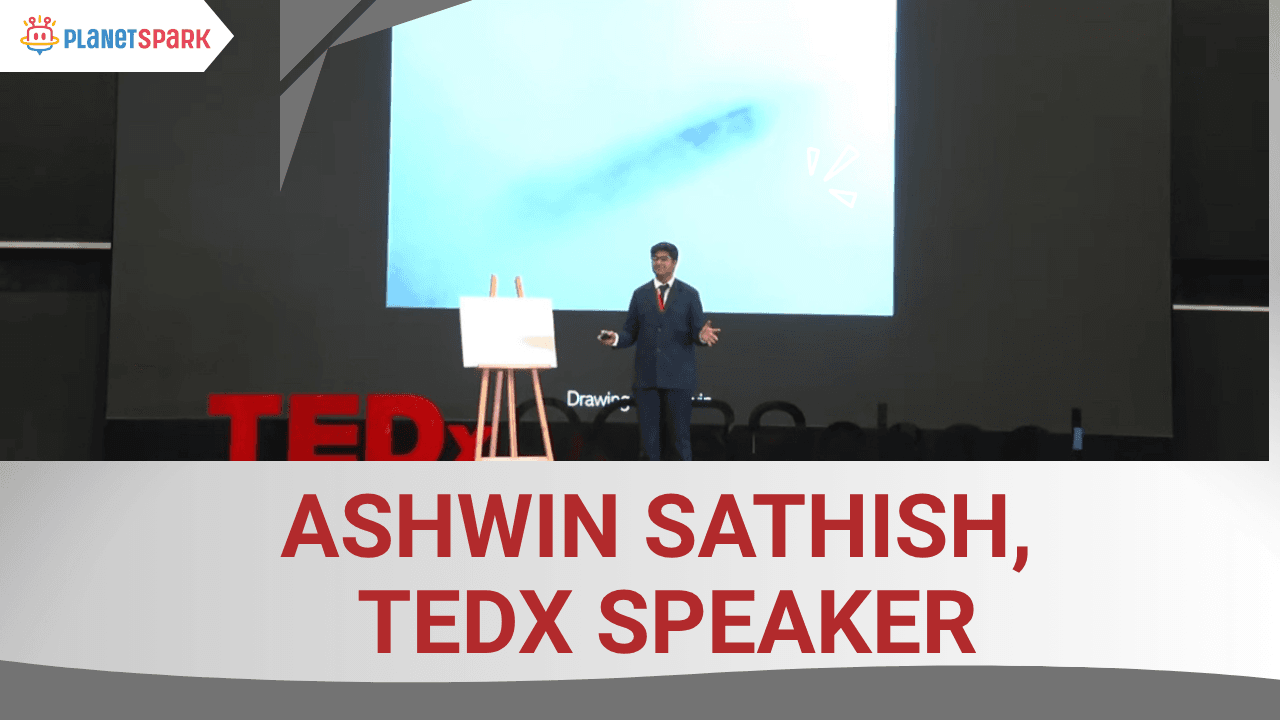
Ashwin Sathish: From Classroom Confidence to TEDx Stage Triumph
Ashwin Sathish, a Grade 8 student from New Delhi, showcased remarkable courage and eloquence as a TEDx Speaker. His journey from confidently expressing ideas in the classroom to commanding attention on a global stage highlights the power of voice, vision, and determination. Ashwin’s story is a testament to how nurturing communication skills can empower young minds to inspire, lead, and spark meaningful conversations that truly matter.
Conclusion: Achieve Success Through Structured Learning
Structured learning is a powerful approach that helps learners gain knowledge in an organized, step-by-step manner. By following a clear path, learners can focus better, retain concepts longer, and build confidence as they progress. Whether it’s mastering academic subjects, developing new skills, or enhancing personal growth, structured learning ensures that every step is purposeful and measurable.
Programs like PlanetSpark make this approach even more effective by combining structured lessons with interactive exercises, continuous feedback, and expert guidance. Learners not only acquire knowledge but also develop essential skills such as discipline, problem-solving, and critical thinking. By starting with clear goals, following a systematic plan, and regularly tracking progress, anyone can make learning efficient, enjoyable, and rewarding.
Adopting structured learning allows learners to move forward with confidence, achieve measurable results, and build a strong foundation for lifelong learning. With the right guidance and resources, success becomes a structured journey rather than a random path.
“Great leaders start with strong communication.”
Learn effective public speaking and confidence-building at PlanetSpark.
Readers must read:
Boost Decisions with Structured Problem Solving | PlanetSpark
Personality Development Training for All Ages : Online & Near You
Frequently Asked Questions
Structured learning is a method of learning that follows a clear, organized, and step-by-step approach. Instead of studying randomly, learners follow a predefined path with specific objectives, lessons, and assessments. This approach helps learners focus, retain knowledge better, and achieve measurable progress. It is especially important because it builds confidence, discipline, and ensures no topic is skipped.
Structured learning works by breaking down complex subjects into smaller, manageable steps. Learners start with foundational concepts and gradually move to advanced topics. Lessons are accompanied by exercises, quizzes, and interactive activities to reinforce understanding. Continuous feedback ensures learners know their strengths and areas of improvement, making the process efficient and goal-oriented.
The benefits of structured learning include better focus, improved retention, confidence building, time management, and clear goal achievement. It also develops critical thinking, problem-solving skills, and discipline. By following a structured path, learners can track their progress and stay motivated throughout their learning journey.
Yes, structured learning can be applied across academics, languages, arts, coding, sports, and personal development. Any skill that requires step-by-step mastery benefits from this approach. Structured programs ensure learners gain deep understanding rather than just superficial knowledge.
To start structured learning, first define clear goals and select appropriate resources such as books, online courses, or interactive platforms. Follow a sequential plan, practice regularly, track progress, and review concepts consistently. Online platforms like PlanetSpark offer structured programs with guided lessons, interactive exercises, and progress tracking, making it easier to begin immediately.
PlanetSpark uses a structured curriculum divided into modules that build skills step by step. Learners engage in exercises, quizzes, and activities, receive continuous feedback, and track milestones. Expert guidance ensures personalized attention, helping learners improve efficiently while staying motivated.