
Table Manners and Etiquette That Shape a Child’s Personality
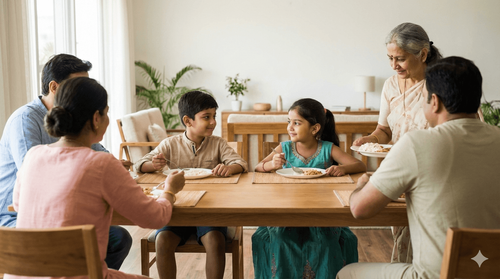

Table manners and etiquette play an important role in shaping how children behave in social settings. The habits children develop at the dining table reflect their discipline, respect for others, and awareness of social rules. Learning how to eat politely, wait patiently, and behave respectfully during meals helps children feel confident not only at home but also in school, social gatherings, and formal environments.
PlanetSpark helps children build essential life skills that support confidence and positive behaviour. Through guided learning and real-world practice, children develop communication, discipline, and social awareness naturally.
Why Table Manners Matter for Children
Table manners are not just about eating neatly. They teach children respect, responsibility, and awareness of others.
Children who practice good table manners learn how to wait their turn, speak politely, and behave calmly in group settings. These habits help children feel comfortable eating with others and reduce awkwardness in social situations.
Strong table manners and etiquette also help children build confidence, as they know how to behave correctly in different environments.
Basic Table Manners to Teach
Teaching basic table manners early makes mealtimes more pleasant and structured for children. When children understand what is expected of them at the dining table, meals become calmer and more enjoyable for the whole family. Early guidance helps children develop habits such as sitting properly, eating patiently, and showing respect to others, which reduces distractions and conflicts during meals. Over time, these routines create a sense of order and comfort, helping children feel confident and secure while eating in both familiar and social settings.
Hygiene and Preparation
Children should learn to wash their hands before meals and keep the table clean. Sitting down with clean hands and a tidy plate teaches responsibility and respect for food.
Simple habits such as using a napkin, covering the mouth while coughing, and keeping the dining area clean are essential parts of dining etiquette and table manners.
Sitting and Waiting
Children should be taught to sit properly at the table and wait patiently for everyone to be served. This habit builds patience and helps children understand that mealtime is a shared experience.
Waiting calmly without rushing, grabbing food, or interrupting others teaches children self-control and respect.
Help your child build confidence and positive habits with the right guidance from PlanetSpark.
Using Utensils and Eating Politely
Children should learn to use spoons, forks, or hands neatly, depending on the meal and setting. They should avoid talking with food in their mouth, chewing loudly, or playing with food.
These habits form the foundation of table manners and etiquette and help children eat confidently in front of others.
Table Manners and Cultural Rules
In India, table manners are deeply connected to cultural values and traditions. Children are taught to respect food and treat meals as an important part of family life.
Some commonly followed Indian table manners include:
Washing hands before and after meals
Sitting calmly and eating without rushing
Using the right hand while eating
Avoiding food wastage and finishing what is served
Showing respect by not criticising food
Teaching table manners and etiquettes in India helps children understand discipline, gratitude, and cultural respect, while also preparing them to behave appropriately in different social situations.
How to Teach Table Manners Effectively
Teaching table manners works best when learning feels positive, consistent, and stress-free. Children respond better when expectations are clear and guidance is gentle rather than strict or rushed. When parents introduce table manners calmly and repeat them regularly, children are more likely to understand and follow them without resistance. A relaxed approach helps children associate mealtime rules with comfort and confidence, making it easier for them to practise good behaviour naturally instead of feeling pressured or anxious.
Leading by Example
Children learn more from what they see than what they are told. When parents practise good table manners and etiquette, children naturally copy the behaviour.
Simple actions such as eating calmly, using polite words, and waiting patiently send a strong message without formal instruction.
Positive Reinforcement and Activities
Encouraging children works better than correcting them repeatedly. Praising good behaviour helps children feel proud and motivates them to repeat it.
Effective ways to reinforce table manners include:
Praising polite behaviour during meals
Using role-play or pretend dining games
Setting small mealtime goals and celebrating progress
Turning family meals into learning moments
Positive reinforcement helps children associate dining etiquette and table manners with confidence and self-respect.
Common Challenges and Solutions
Learning table manners takes time, and children often face challenges along the way. As they grow, children are still developing self-control, attention, and patience, which can make it difficult for them to follow rules consistently at the dining table. Forgetting manners, getting distracted, or behaving impulsively is a normal part of the learning process. With gentle guidance, repetition, and understanding from parents, these challenges gradually turn into learning opportunities, helping children improve their behaviour without feeling discouraged.
Common Challenges
Forgetting to use utensils properly
Eating too fast or leaving the table repeatedly
Talking loudly or interrupting others
Playing with food or getting distracted
Practical Solutions
Use gentle reminders instead of scolding
Set clear but simple expectations at the table
Be consistent with rules across meals
Correct behaviour calmly after the meal, not during it
With patience and regular practice, children gradually improve their table manners and etiquette without feeling pressured.
Benefits for Confidence and Personality
Good table manners contribute significantly to a child’s confidence and overall personality development. When children know how to behave politely at the dining table, they feel more comfortable and self-assured in social situations. This confidence allows them to interact calmly with others, adapt easily to new environments, and express respect through their actions. Over time, these habits shape positive traits such as self-discipline, patience, and consideration for others, helping children develop a balanced and well-rounded personality.
Children with strong dining etiquette and table manners:
Feel confident eating in public or social settings
Show better self-control and discipline
Communicate politely with others
Adapt easily to formal and informal environments
These qualities help children build positive relationships, improve social behaviour, and develop a well-rounded personality.
About PlanetSpark
PlanetSpark transforms how children learn to communicate with confidence. Through live one-to-one sessions, expert mentors, and interactive grammar and writing activities, learners build clarity and confidence that last a lifetime.
1:1 Personal Trainers for Every Child
Certified coaches offer personalized guidance and instant feedback.
Personalized Curriculum and Learning Roadmap
Lessons adapt to each student’s level and progress.
SparkX AI Video Analysis Tool
AI helps evaluate grammar, fluency, and confidence.
Gamified Learning for Maximum Engagement
Quizzes and grammar games make learning fun.
Comprehensive Progress Reports
Parents track improvement in grammar, writing, and communication.

Neel’s Journey: Strengthening English Grammar with Confidence
Neel Kandul, a bright Grade 3 learner aged 8, achieved first position in his class and secured state rank 810 in the International Olympiad of English Language. His success reflects a strong foundation in English grammar, built through structured practice and clear understanding of language rules. With guided learning at PlanetSpark, Neel improved sentence construction, grammar accuracy, and usage skills. His journey shows how focused grammar training helps young learners build precision, confidence, and consistency in English.
Building Lifelong Habits Through Polite Dining
Teaching table manners and etiquette is about shaping respectful, confident individuals who understand how to behave thoughtfully around others. When children learn to sit calmly, wait their turn, use polite language, and eat neatly at the dining table, they begin to understand the importance of respect and self-control. These behaviours do not remain limited to mealtimes; children naturally carry them into everyday life, school environments, and social gatherings, where polite behaviour and good manners are equally important.
With consistent guidance, positive reinforcement, and the right role models at home, children gradually develop strong dining etiquette and table manners. Gentle reminders, encouragement, and regular practice help these habits become second nature. Over time, these skills support confidence, discipline, and emotional maturity, allowing children to interact comfortably with others and develop a balanced, well-rounded personality that serves them throughout life.
Frequently Asked Questions
Children can start learning basic table manners as early as 2–3 years old. Simple habits like sitting at the table, using a spoon, and waiting briefly before eating can be introduced early. As children grow, more detailed manners can be added gradually.
Table manners help children develop discipline, patience, and respect for others. These habits build confidence and social awareness, which positively influence a child’s overall personality and behaviour beyond mealtimes.
Parents can teach table manners by leading by example, using gentle reminders, and praising good behaviour. Keeping the approach calm and positive helps children learn without feeling pressured or anxious.
Children often struggle with sitting still, waiting their turn, using utensils correctly, and avoiding distractions at the table. These challenges are normal and improve with consistent guidance and practice.
Indian table manners often include washing hands before meals, using the right hand while eating, respecting food, and avoiding wastage. These practices are closely linked to cultural values and traditions.
Good table manners help children feel confident while eating with others, whether at school, family gatherings, or social events. Knowing how to behave politely reduces awkwardness and helps children interact comfortably in different settings.