
Mindfulness: The Secret to Better Communication


Table of Contents
- The Role of Mindfulness in Communication
- What is Mindfulness in Communication?
- Mindfulness Communication Definition
- The Significance of Mindfulness in the Communication Process
- Why is Mindful Communication Important?
- Why is Mindfulness Important in the Workplace?
- The Connection Between Mindfulness and Emotional Intelligenc
- The Role of Listening in Mindful Communication
- The Power of Pausing Before Speaking
- How Mindfulness Improves Family Communication
- Fun Activities to Practice Mindfulness and Communication
- Checkpoints for Practicing Mindful Communication
- Mindfulness for Students: Why It Matters
- Mindfulness for Parents: Leading by Example
- Mindfulness in Classrooms and Schools
- Advantages of Mindful Communication
- Challenges in Practicing Mindfulness
- How We Teaches Mindful Communication
- About PlanetSpark – Personality Development
Have you ever said something you didn’t really mean because you were upset or distracted? Or maybe you were talking to someone but not really listening to what they were saying? These things happen when our mind isn’t fully present during conversations. That’s where mindfulness helps. It means being aware of your thoughts, feelings, and surroundings in the moment, so you can respond calmly and thoughtfully.
At PlanetSpark, students learn the power of mindful communication through fun activities, storytelling, and public speaking sessions. These help children stay focused, listen with care, and express their ideas clearly. By practicing mindfulness, they become more confident, respectful, and effective communicators both in school and in everyday life.
The Role of Mindfulness in Communication
We believe good communication starts with being aware of yourself and others. Mindful communication helps children and adults express themselves calmly, understand emotions, and connect meaningfully with others. In this blog, we’ll explore what mindfulness in communication means, why it’s important, how it helps in schools and workplaces, and fun ways to practice it every day.
What is Mindfulness in Communication?
Mindfulness in communication means paying attention to your thoughts, words, tone, and body language while speaking or listening. It’s about staying focused on the present moment instead of getting lost in distractions, worries, or quick reactions.
When we are mindful, we truly listen to others instead of thinking about what to say next. We notice how we feel and choose our words carefully to make the conversation kind and clear.
Example
Imagine your friend says something that upsets you. Instead of shouting or walking away, mindfulness helps you pause, take a deep breath, and reply calmly: “That made me feel hurt. Can we talk about it?”
This simple change can turn an argument into understanding.
Mindfulness Communication Definition
Mindful communication is the practice of speaking and listening with full attention, kindness, and awareness. It means focusing on what is happening right now, noticing emotions without judgment, and responding with respect.
In short:
You listen carefully to understand, not to reply quickly.
You speak clearly and thoughtfully.
You notice how your words and tone affect others.
When you communicate mindfully, conversations become smoother, more peaceful, and more meaningful.
The Significance of Mindfulness in the Communication Process
Mindfulness plays a big role in improving how we connect with others. It helps us understand not just words, but feelings, tone, and expressions. It reduces misunderstandings and encourages empathy.
Here’s a simple look at how mindfulness changes communication:
| Communication Step | Without Mindfulness | With Mindfulness |
|---|---|---|
| Listening | You get distracted, interrupt, or think about your reply | You listen fully and understand what the other person means |
| Speaking | You speak without thinking | You pause, think, and respond kindly |
| Emotions | You react quickly with anger or fear | You manage emotions calmly and respectfully |
| Results | Misunderstandings, conflicts | Trust, clarity, and stronger relationships |
Mindfulness transforms communication from quick reactions to thoughtful connections.
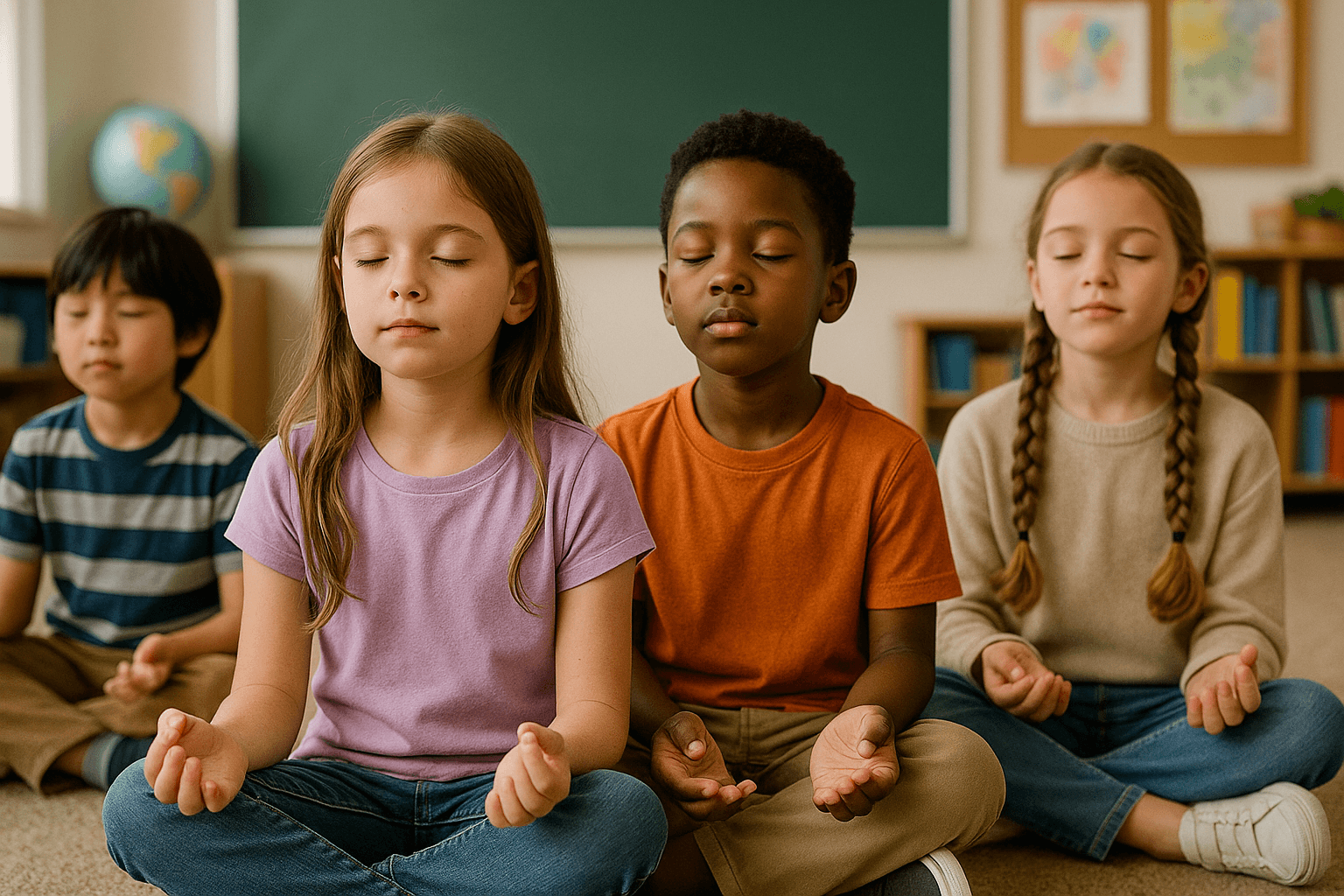
Why is Mindful Communication Important?
Mindful communication is important because it helps people express themselves clearly while respecting others. It allows us to build trust, solve problems peacefully, and strengthen relationships whether at home, in school, or at work.
Key Benefits
Helps you stay calm and clear when emotions are high.
Improves listening skills and understanding.
Reduces arguments and confusion.
Builds confidence in speaking.
Makes communication more respectful and caring.
When students, parents, and teachers practice mindful communication, they create an environment where everyone feels heard and valued.
Why is Mindfulness Important in the Workplace?
Mindfulness is not only useful for students it is also a powerful skill for adults in the workplace.
Workplaces can be busy and stressful, and mindfulness helps people handle pressure calmly, make better decisions, and maintain healthy relationships with colleagues.
How Mindfulness Helps at Work
| Situation | Without Mindfulness | With Mindfulness |
|---|---|---|
| During meetings | You may interrupt or lose focus | You listen actively and share thoughtful ideas |
| When receiving feedback | You feel defensive or hurt | You listen openly and learn from it |
| Under pressure | You panic or make quick decisions | You stay calm and make smart choices |
| With teammates | You misunderstand others | You communicate clearly and kindly |
Mindfulness creates a positive work culture where people respect each other’s ideas, manage stress better, and stay productive.
The Connection Between Mindfulness and Emotional Intelligence
Emotional intelligence is the ability to understand and manage emotions both your own and others’.
Mindfulness supports emotional intelligence by helping you notice emotions early and respond wisely.
For example:
Mindfulness helps you realize when you are feeling angry or nervous.
It allows you to take a short pause before reacting.
It helps you choose calm, respectful words instead of harsh ones.
This balance between awareness and control builds empathy, which is essential for strong communication.
The Role of Listening in Mindful Communication
Listening is one of the most important parts of communication but also the most forgotten.
Most people listen to reply, not to understand. Mindful listening changes that.
Steps to Practice Mindful Listening
Put away distractions like phones.
Look at the speaker and pay attention.
Don’t interrupt let them finish speaking.
Notice your thoughts and emotions.
Respond only after you’ve understood their point.
When you listen mindfully, you show respect and make the speaker feel valued.
The Power of Pausing Before Speaking
One of the easiest ways to practice mindfulness in communication is by pausing before speaking.
A short pause helps you think about what you are going to say and how it might make the other person feel.
Pause Helps You:
Avoid saying things you might regret.
Choose kinder and more meaningful words.
Understand your own emotions.
Respond with calmness instead of reacting.
Pausing for even a few seconds can change the direction of a conversation completely.
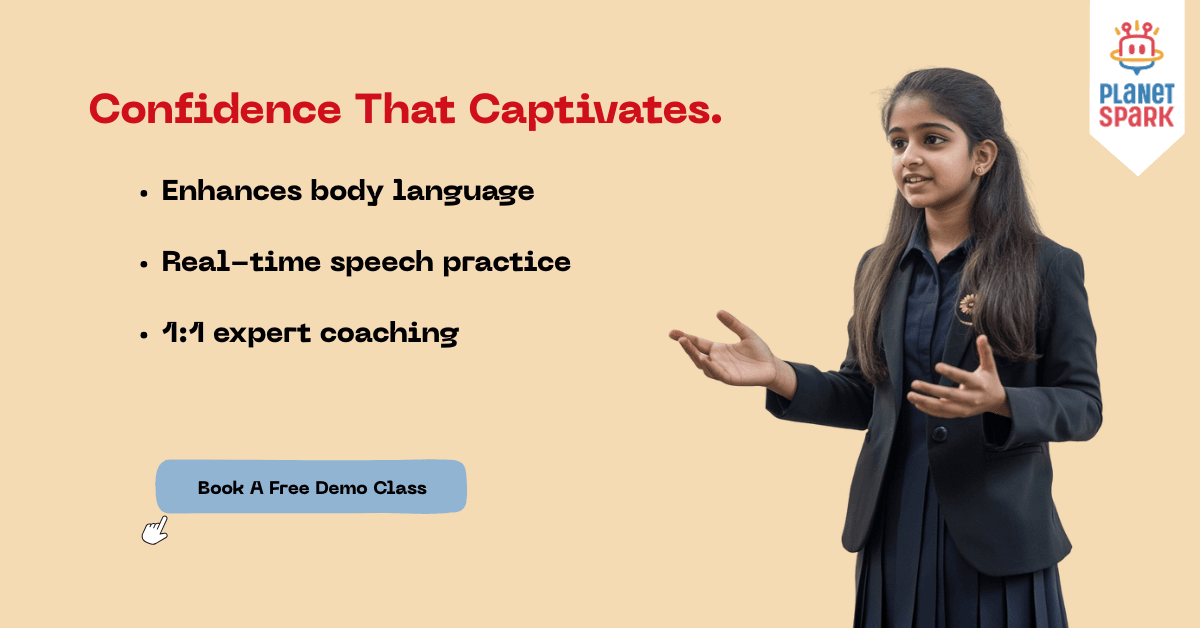
How Mindfulness Improves Family Communication
Mindfulness can make family conversations more peaceful and understanding.
It teaches both parents and children to listen, express feelings, and solve problems without shouting or blaming.
Tips for Mindful Family Communication
Take turns speaking at the dinner table.
When someone is upset, let them talk before giving advice.
Practice deep breathing before difficult conversations.
Share one positive thing about your day together.
Families that communicate mindfully develop stronger emotional bonds and mutual respect.
Fun Activities to Practice Mindfulness and Communication
Mindfulness doesn’t have to be serious it can be fun! Here are a few playful activities that children and parents can enjoy together.
Activity 1: Silent Listening Game
Sit quietly for one minute and try to notice all the sounds around you birds, fans, footsteps, or even your own breathing.
After one minute, share what each person heard.
This helps children learn focus and awareness.
Activity 2: Feelings Circle
Each family member takes a turn to say how they feel using “I feel…” statements.
For example, “I feel happy because I played football today.”
This helps everyone express emotions clearly and confidently.
Activity 3: Mindful Speaking Challenge
Take a common topic (like your favorite food or subject) and let each person speak for one minute while others listen quietly.
This builds focus, respect, and confidence in communication.
Checkpoints for Practicing Mindful Communication
Here’s a quick checklist for students and parents to follow every day.
| Checkpoint | Description |
|---|---|
| Listen before replying | Make sure you understand before responding |
| Use calm words | Speak kindly, even when upset |
| Pay attention | Avoid distractions like phones or noise |
| Notice emotions | Be aware of how you and others feel |
| Take a breath | Pause before reacting |
| Respect differences | Accept others’ opinions with an open mind |
Checking these points regularly helps make mindfulness a natural part of your communication style.
Mindfulness for Students: Why It Matters
For students, mindfulness is a powerful tool that improves focus, reduces stress, and strengthens relationships with teachers and classmates.
Benefits for Students
Better concentration during lessons
Improved confidence during class discussions
Less exam stress
Stronger friendships
More respect and empathy for others
Mindful students become active listeners, better problem-solvers, and confident communicators.
Mindfulness for Parents: Leading by Example
Children learn mindfulness best when they see their parents practicing it.
Parents can model mindful communication through patience, calmness, and attention.
Simple Ways Parents Can Practice
Listen to your child without interrupting.
Respond calmly even when they make mistakes.
Take a deep breath before reacting in anger.
Appreciate your child’s efforts and feelings.
When parents communicate mindfully, children learn to do the same creating a peaceful home environment.
Mindfulness in Classrooms and Schools
Teachers can create mindful classrooms where students feel safe, respected, and heard.
Mindfulness helps students focus, listen carefully, and participate actively.
Classroom Practices
Start the day with one minute of silence or breathing.
Have “listening circles” where each student shares thoughts.
Encourage students to pause before answering questions.
Teach empathy through stories and group discussions.
A mindful classroom builds confident speakers and compassionate listeners.
Advantages of Mindful Communication
| Advantage | Description |
|---|---|
| Better Relationships | Builds trust and respect between people |
| Less Stress | Helps you stay calm under pressure |
| Clearer Conversations | Reduces confusion and misunderstanding |
| More Confidence | Makes it easier to speak and listen |
| Stronger Focus | Improves attention and awareness |
| Positive Attitude | Encourages kindness and empathy |
These benefits make mindfulness one of the most valuable skills for both children and adults.
Challenges in Practicing Mindfulness
Even though mindfulness sounds simple, it takes practice to stay present and calm in every situation.
Common Challenges
Getting distracted easily
Reacting quickly out of anger
Forgetting to pause before speaking
Overthinking what others say
Feeling too busy to practice
How to Overcome Them
Start with small steps just one mindful conversation a day.
Take short breaks to breathe and relax.
Keep reminding yourself to listen carefully.
Celebrate progress instead of seeking perfection.
With patience and daily effort, mindfulness becomes a natural habi
How We Teaches Mindful Communication
At PlanetSpark, we help children build confidence, empathy, and mindfulness through our communication and public speaking programs.
Our classes are designed to make learning fun and practical, focusing on real-life communication skills.
PlanetSpark students learn:
How to express feelings calmly and clearly.
How to manage emotions during group discussions.
How to listen attentively to others.
How to speak confidently with respect.
Through games, storytelling, and personalized mentoring, PlanetSpark turns young learners into confident communicators and mindful leaders.
About PlanetSpark – Personality Development
PlanetSpark helps children build strong, confident, and expressive personalities through engaging 1:1 live classes. Our Personality Development Program nurtures communication skills, emotional intelligence, and leadership qualities helping kids grow into well-rounded, self-assured individuals ready to take on the world.
1. 1:1 Expert Mentorship
Each child learns with a certified mentor who understands their unique strengths and challenges. Personalised sessions focus on confidence, expression, and positive attitude ensuring holistic growth.
2. Personalised Growth Roadmap
Every learner follows a tailored plan that develops social skills, body language, emotional awareness, and conversation abilities step by step, at their own pace.
3. AI-Powered Communication Feedback
Through PlanetSpark’s AI-based tools like SparkX, students receive instant insights on tone, facial expressions, and clarity helping them refine confidence and presentation in real time.
4. Interactive & Activity-Based Learning
Fun modules, roleplays, storytelling sessions, and group activities make learning engaging and practical turning every class into a real-world confidence booster.
5. Confidence and Leadership for Life
Children learn to express themselves, lead conversations, and handle situations gracefully whether in school, on stage, or in daily interactions. PlanetSpark empowers them to grow not just as speakers, but as leaders of tomorrow.
Frequently Asked Questions
Mindfulness means paying full attention to what you are doing, thinking, or feeling right now.
It means being aware of your words, tone, and emotions while listening and speaking carefully.
It reduces misunderstandings, builds respect, and helps you connect better with others.
By taking deep breaths, focusing on lessons, and listening carefully to teachers and friends.
PlanetSpark teaches communication, emotional control, and confidence through fun and interactive classes.