
Build Self-Discipline in Students: A PlanetSpark Guide
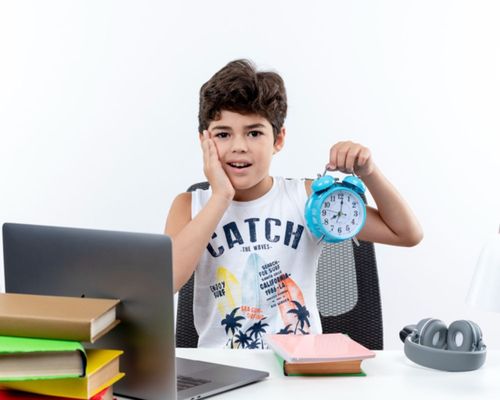

Table of Contents
- Self-Discipline for Students: Skills & Habits: PlanetSpark
- What is Self-Discipline for Students?
- Core Skills That Build Self-Discipline in Students
- Daily Habits That Strengthen Self-Discipline
- Common Self-Discipline Struggles Students Face
- Why Self-Discipline Is a Life Skill, Not Just a School Skill
- How PlanetSpark Helps Students Build Self-Discipline?
- Conclusion
Self-discipline is the foundation of focus, responsibility, and confident decision-making in a child’s life. It shapes how students manage time, control emotions, and stay committed to their goals. Self-discipline for students refers to the ability to stay consistent, make thoughtful choices, and complete tasks even when motivation feels low or distractions appear.
Strong self-discipline supports learning far beyond academics. Students who develop this skill are better prepared to handle challenges, balance routines, and take ownership of their actions. It helps children stay calm under pressure, follow through with responsibilities, and grow into independent, confident learners who trust their abilities.
At PlanetSpark, we understand that self-discipline grows best through guidance, communication, and positive practice. Our structured programs help students build discipline naturally while improving confidence, expression, and life skills. Begin your child’s journey toward focused learning and responsible habits with PlanetSpark today.
Self-Discipline for Students: Skills & Habits: PlanetSpark
The practice of developing self-discipline students gets easier when you try to develop them through natural, fun, and achievable skills and habits. Instead of strict routines, students learn better through interactive activities, games, and real-life situations. This helps them to stay focused, manage time, and set goals while expressing themselves confidently.
With the early introduction of fun-filled discipline games, children understand why discipline matters, not just what to do. Through guided communication, creative challenges, and personalised feedback, students slowly build habits that support learning and emotional growth.
Understanding this, PlanetSpark turns discipline into a positive experience, helping children feel confident, responsible, and motivated to do their best every day. Over time, these skills strengthen confidence, responsibility, and self-awareness, supporting success both inside and outside the classroom.
What is Self-Discipline for Students?
So, what is self-discipline for students in simple terms? It means learning to control actions, manage emotions, and make responsible choices without being told repeatedly. Self-discipline does not mean to be strict or perfect. It is about staying focused, finishing tasks, and trying again when things feel hard.
It is about learning consistency, patience, and self-control. When students develop self-discipline, they feel confident, independent, and capable. It helps them handle schoolwork, friendships, and daily routines with calmness and confidence.
Core Skills That Build Self-Discipline in Students
Self-discipline does not appear overnight. It grows through simple skills practiced again and again in a fun, stress-free way. These activities turn learning into play while quietly building habits that support self-discipline for students. Each game below helps children stay focused, calm, confident, and responsible in daily life.
Focus Control – “The Laser Mind Game”
The Laser Mind Game helps children train their attention like a superhero laser beam. In this game, a child chooses one task, such as reading or drawing, and pretends their mind is a laser that must stay locked on the target.
How to Start?
To conduct the activity, set a timer for five minutes and remove distractions. If attention wanders, the child restarts the timer cheerfully. For example, a student might try to finish a puzzle without looking away. Over time, the timer can increase.
Outcome:
This playful method helps self-discipline students improve focus without pressure. The skill outcome is stronger concentration, better task completion, and reduced distraction during studies and daily routines.
Emotional Regulation – “Pause, Power, Play” Method
This game teaches children how to handle big emotions calmly. “Pause” means stopping when emotions rise. “Power” means taking three deep breaths. “Play” means choosing a calm response.
How to Start?
To conduct it, parents gently remind children to follow the steps during moments of anger or frustration.
For example, if a child loses a game, they pause, breathe, and then speak kindly.
Outcome
This activity explains the self-discipline meaning for students by showing that discipline includes emotional control, not punishment. The skill outcome is improved emotional awareness, fewer outbursts, and better communication during stressful moments.
Build strong focus and responsible habits with self-discipline. Help your child stay consistent, manage emotions, and use time well. Explore simple routines today.
Goal Setting – “Mission Possible Planner”
Mission Possible Planner turns goal-setting into an exciting adventure. Children choose a small mission, such as finishing homework or practising reading.
How to Start?
To conduct the activity, write the mission, steps, and reward on paper. Parents can help break tasks into simple actions. For example, “Mission: Clean my desk” may include sorting books and arranging pencils.
Outcome
This answers what is self-discipline for students by showing that discipline means planning and following through. The skill outcome is improved goal clarity, patience, and motivation, helping students understand that success comes from steady effort.
Time Management – “Clock Boss Routine”
Clock Boss Routine teaches children to manage time confidently. In this game, children pretend they are the boss of their clock.
How to Start?
To conduct it, parents help create a daily schedule using pictures or colours. For example, blue for study time, green for play, and yellow for rest. Children enjoy checking off completed tasks.
Outcome
This shows the importance of self-discipline for students in managing time wisely. The skill outcome is better organisation, fewer rushed moments, and improved balance between study and play, helping children feel calm and in control of their day.
Self-Motivation – “Inner Cheerleader Training”
Inner Cheerleader Training teaches children to motivate themselves using positive self-talk. In this fun activity, kids create short cheering lines such as “I can try again” or “I am getting better every day.”
How to Start?
To conduct the activity, parents ask children to say one cheer aloud or silently before starting a task. For example, before homework, a child takes a deep breath and cheers themselves on.
Outcome
This approach makes self-discipline activities for students enjoyable and confidence-boosting. The skill outcome is a stronger inner motivation, reduced fear of failure, and a positive mindset that encourages children to keep trying even when tasks feel challenging.
Responsibility – “Own-It Badge System”
The Own-It Badge System turns responsibility into a rewarding game. Children earn simple badges or stars for completing daily tasks on their own.
How to Start?
To conduct this activity, parents list small responsibilities like packing school bags, organising books, or feeding pets. Each completed task earns a badge, creating excitement and pride. For example, finishing homework without reminders earns a special star.
Outcome
This fun system supports self-discipline for students by teaching accountability in a positive way. The skill outcome is greater independence, confidence in decision-making, and a strong sense of ownership over actions and daily responsibilities.
Once these core skills become familiar through play, students are ready to strengthen discipline further by building simple daily habits. This will support consistency, focus, and emotional balance.
Daily Habits That Strengthen Self-Discipline
Daily habits quietly shape a child’s confidence, focus, and independence. When routines feel fun and achievable, children follow them willingly. Building self-discipline for students becomes easier when parents guide small habits that fit naturally into everyday life, turning consistency into a positive experience rather than a struggle.
Morning Power Habits – “Start Strong Club”
This habit helps children begin the day with energy and purpose. Kids wake up, make their bed, drink water, and plan one goal.
Rules: Wake up on time, tidy one thing, smile.
Outcome: Better mood, confidence, and readiness for school.
Study Habits – “Smart Study Sprint”
Smart Study Sprint makes studying short and focused. Children study for 20 minutes, then take a small break. This habit supports self-disciplined students by reducing procrastination.
Rules: Timer on, distractions off, one task only.
Outcome: Improved concentration, faster learning, and less stress during homework time.
Teach the self-discipline students need to stay motivated, avoid distractions, and finish goals confidently. Try practical habits and activities that feel positive daily.
Digital Discipline – “Screen Smart Rules”
Screen Smart Rules teach balance, not restriction. Children earn screen time after completing tasks.
Rules: No screens before homework, stop at the timer, and devices outside the bedroom.
Outcome: Better focus, healthier routines, and understanding the importance of self-discipline for students in digital choices.
Reflection Habits – “Win & Improve Journal
This habit helps children reflect daily. Kids write one win and one improvement.
Rules: Write honestly, no judgment, short entries. Parents can discuss entries gently.
Outcome: Self-awareness, emotional growth, and learning self-discipline through reflection rather than correction.
Even with strong habits, students may still face challenges. Understanding common struggles helps parents support children with patience, encouragement, and confidence-building strategies instead of pressure or criticism.
Common Self-Discipline Struggles Students Face
Every child faces challenges while learning discipline, and that is completely normal. Developing self-discipline for students takes time, patience, and practice. Students may struggle with managing emotions, staying focused, or balancing habits, especially during growing years. These struggles are part of learning, not signs of failure.
- Procrastination: Delaying tasks due to boredom or fear
- Anger outbursts: Reacting strongly when things feel unfair
- Screen addiction: Difficulty limiting digital time
- Fear of failure: Avoiding tasks to escape mistakes
These struggles are not weaknesses or flaws. They are learning moments. With guidance, encouragement, and practice, students can overcome challenges and build discipline confidently at their own pace.
Why Self-Discipline Is a Life Skill, Not Just a School Skill?
Many people think discipline matters only for exams and homework. However, self-discipline shapes how students think, behave, and grow every single day. Learning this skill early helps children manage choices, emotions, and responsibilities far beyond the classroom, preparing them for real-life situations with confidence.
Builds Everyday Responsibility
The importance of self-discipline for students becomes clear when children learn to pack their bags, finish tasks, and follow routines independently. These habits slowly turn into responsibility, helping students feel capable and trusted both at home and school.
Supports Emotional Strength
Understanding the self-discipline meaning for students includes learning how to pause, calm down, and respond thoughtfully. This helps children handle frustration, disappointment, or excitement without emotional outbursts, making friendships and family interactions smoother.
Build your child’s self-discipline with PlanetSpark’s expert guidance. Structured programs use communication practice and personalised activities. Book a PlanetSpark demo session now.
Prepares Students for Future Goals
Knowing what is self-discipline for students helps children understand goal-setting early. Whether learning a new skill or completing a project, discipline teaches patience, effort, and consistency that support long-term success.
Now that students understand why self-discipline matters in daily life, the next step is learning the core skills that help them build discipline through fun, practical, and engaging activities.
How PlanetSpark Helps Students Build Self-Discipline?
Building discipline becomes easier when students feel understood, supported, and motivated. PlanetSpark helps children develop lifelong habits by focusing on communication, confidence, and consistency. Instead of using pressure or rigid rules, PlanetSpark creates a positive learning environment where students learn why discipline matters and how it supports growth.
Through structured programs, expert mentors, and engaging tools, children gradually develop self-discipline for students in a way that feels natural and empowering. The learning experience is personalised, ensuring each child progresses at a comfortable pace. By combining communication skills with discipline-building practices, PlanetSpark helps students become confident, responsible, and self-aware learners both in academics and everyday life.
Confidence Through Communication
At PlanetSpark, discipline is built through structured expression. Students participate in guided speaking, storytelling, and writing activities that encourage clarity and consistency. These activities help self-disciplined students organise thoughts, follow instructions, and complete tasks with focus. When children express ideas confidently, they learn patience, accountability, and follow-through.
AI Tools for Self-Tracking
PlanetSpark uses AI-powered tools to help students track progress and understand growth. Students receive clear feedback on effort, consistency, and improvement areas. This builds awareness of habits and supports the self-discipline meaning for students by encouraging reflection. When learners see progress visually, they stay motivated and develop responsibility for their own learning journey.
Gamified Learning & Challenges
PlanetSpark transforms discipline into play through games, challenges, and rewards. Students earn recognition for effort and consistency, making self-discipline activities for students enjoyable. Gamified learning encourages persistence, focus, and resilience, helping children practice discipline daily while having fun and staying motivated.
Conclusion
Self-discipline helps students build focus, confidence, and responsibility that support success in school. Through simple habits, engaging activities, and consistent practice, children learn to manage time, emotions, and choices with independence and confidence.
Help your child develop discipline, confidence, and life skills with PlanetSpark. Interactive lessons and gamified challenges build focus and consistency. Enrol today with PlanetSpark!
PlanetSpark makes this journey enjoyable and structured through expert-led programs, interactive learning, and personalised guidance. So, enrol your child at PlanetSpark to help them build strong self-discipline skills while growing into confident, expressive, and responsible learners.
Frequently Asked Questions
Self-discipline for students means learning to manage time, emotions, and actions responsibly. It helps children stay focused, complete tasks, and make positive choices even without reminders, building confidence and independence in daily life.
Children can begin learning discipline as early as preschool years through simple routines and habits. Early exposure helps self-disciplined students grow naturally, making it easier to manage responsibilities, emotions, and choices as they get older.
Parents can support discipline by setting clear routines, offering encouragement, and leading by example. Understanding the self-discipline meaning for students helps parents guide gently, focusing on consistency, praise, and patience rather than strict control or punishment.
PlanetSpark builds self-discipline for students through structured communication activities, goal-based challenges, and personalised guidance. Students practice discipline daily while improving confidence, focus, and expression in a supportive learning environment.
Yes, discipline grows best through fun methods. Using self-discipline activities for students, like games, planners, and rewards, makes learning enjoyable while teaching focus, responsibility, and emotional control in a stress-free way.
PlanetSpark uses interactive lessons, gamified challenges, and progress tracking to keep learners engaged. By highlighting effort and growth, students stay motivated while learning the importance of self-discipline for students in both academics and life.