
What Is Social Etiquette: Meaning, Importance And Real Life Examples
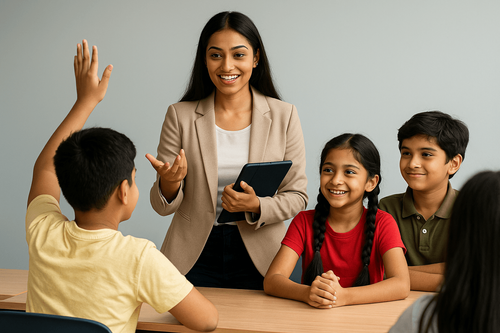

Understanding what is social etiquette is essential for building meaningful relationships, communicating confidently and behaving appropriately in different situations. Social etiquette is the foundation of polite behaviour in society. It helps people interact respectfully, avoid misunderstandings and create positive impressions. In the first few lines itself you will learn clearly what is social etiquette and how it influences your daily life.
Social etiquette is not about being perfect. It is about being thoughtful, respectful and aware of how your actions make others feel. Every professional, student, parent and child benefits from learning the right social behaviour. This comprehensive guide explains the meaning of social etiquette, its importance, different types, tips, examples and how you can master it in simple ways.
What Is Social Etiquette
Social etiquette refers to the set of socially accepted rules, behaviours and manners that guide how people interact with others in daily life. It includes how you speak, behave, greet, listen and react in different social situations. Knowing what is social etiquette helps you communicate respectfully and confidently.
Key characteristics of social etiquette:
Politeness in speech and behaviour
Respect for personal boundaries
Good communication skills
Awareness of surroundings
Courtesy and kindness
Professional behaviour when needed
Sensitivity to cultural differences

Why Understanding What Is Social Etiquette Matters Today
Learning what is social etiquette is crucial in a fast paced, digital world. Etiquette reduces confusion, builds trust and creates smooth interactions.
Benefits of good social etiquette:
You make a positive first impression
People trust you more
You communicate effectively
Conflicts reduce naturally
Relationships improve
You appear confident and mature
Your professional success increases
Types Of Social Etiquette Everyone Should Know
To fully understand what is social etiquette, you must know its different types. Etiquette varies based on situations.
Personal Etiquette
Personal etiquette refers to your individual behaviour and mannerisms.
Includes:
Cleanliness and hygiene
Dressing appropriately
Using polite language
Respecting others
Being punctual
Communication Etiquette
Communication is a major part of social etiquette.
Includes:
Listening actively
Not interrupting
Speaking softly
Using polite words
Maintaining eye contact
Dining Etiquette
This helps you behave correctly at the table.
Includes:
Using cutlery properly
Chewing with mouth closed
Not speaking with food in the mouth
Asking politely for items
Professional Etiquette
Important for workplace behaviour.
Includes:
Respecting colleagues
Clear communication
Email etiquette
Dressing professionally
Maintaining boundaries
Digital Etiquette
In the age of smartphones and social media, this is essential.
Includes:
Not oversharing
Texting respectfully
Avoiding rude comments online
Not using phone while someone is talking
Social Etiquette In Everyday Life
Understanding what is social etiquette becomes meaningful when you apply it daily.
At Home
Speak kindly with family
Share responsibilities
Respect personal space
Apologise when needed
At School Or College
Listen in class
Respect teachers
Support classmates
Avoid bullying behaviour
At Workplace
Greet colleagues politely
Be on time
Participate respectfully in meetings
Appreciate others
In Public Places
Stand in queues
Avoid loud conversations
Keep surroundings clean
Give space to others
Help Your Child Build Polite And Confident Behaviour
Enroll them in expert led communication skill programs that teach social etiquette, public speaking and real life manners.
30 Examples To Clearly Understand What Is Social Etiquette
1. Saying please and thank you
2. Greeting people properly
3. Not interrupting when someone speaks
4. Keeping your phone silent in meetings
5. Holding the door for someone
6. Maintaining eye contact
7. Respecting personal space
8. Not eating loudly
9. Standing in line
10. Apologising when wrong
11. Being punctual
12. Dressing appropriately
13. Avoiding gossip
14. Sending polite emails
15. Giving compliments respectfully
16. Keeping promises
17. Avoiding offensive language
18. Listening actively
19. Speaking softly in public
20. Responding instead of reacting
21. Offering help when needed
22. Sharing credit with team members
23. Respecting cultural differences
24. Not checking phone at dinner
25. Keeping conversations balanced
26. Saying excuse me when needed
27. Not bragging excessively
28. Allowing elders to speak first
29. Controlling anger
30. Being kind to everyone
Importance Of Social Etiquette For Students And Young Learners
When children understand what is social etiquette, they develop stronger communication skills and leadership abilities.
Benefits for students:
Better classroom behaviour
Stronger friendships
More confidence in group activities
Improved speaking skills
Higher chances of leadership roles
This is why many parents prefer professional communication training.
How To Learn Social Etiquette Easily
The best way to master what is social etiquette is through regular practice.
Quick steps:
Observe polite people
Practice good communication
Improve listening skills
Learn dining etiquette
Join communication skill classes
Get feedback from family
Common Mistakes People Make In Social Etiquette
Many people misunderstand what is social etiquette because they follow habits unknowingly.
Common errors:
Using the phone while talking
Speaking loudly
Interrupting others
Poor body language
Not respecting boundaries
Eating without manners
Being rude online
Correcting these habits increases your confidence and social value.
Boost Your Personality With Better Etiquette
Take the first step toward becoming more confident, respectful and effective in every social interaction
How Social Etiquette Improves Communication Skills
Good etiquette and good communication are connected. When you learn what is social etiquette, you automatically improve your communication.
Improvements you will notice:
Clear speaking
Confident body language
Respectful listening
Better articulation
Calm responses
Professional behaviour
Social Etiquette Vs Manners
Many people think they are the same but knowing what is social etiquette helps you understand the difference.
Differences:
Manners are basic polite behaviours
Social etiquette is situation specific
Etiquette changes with culture
Manners remain constant everywhere
Teaching Children What Is Social Etiquette
Parents must start early. Kids learn quickly by observing.
Tips:
Teach through role play
Model polite behaviour
Use simple words
Correct gently
Explain the reason behind rules
Modern Social Etiquette People Often Ignore
Today’s fast lifestyle has changed how people interact. Many still do not fully understand what is social etiquette in modern settings. Social etiquette now includes digital behaviour, public manners and cultural sensitivity. Ignoring these rules can damage relationships and reduce trust.
Modern etiquette essentials:
Keeping phones silent during conversations
Respecting personal choices and privacy
Being inclusive toward different cultures
Avoiding judgmental language
Understanding boundaries in friendships
How Social Etiquette Shapes Your Personal Brand
Your personal brand is how people remember you. When you know what is social etiquette, you naturally build a strong, positive image. Etiquette ensures that your behaviour matches your personality in a confident way.
A person with good social etiquette is often seen as:
Trustworthy
Respectful
Approachable
Professional
Emotionally mature
Even simple gestures like smiling, greeting politely or listening with patience can improve how others perceive you daily.
Cultural Etiquette And Why You Must Understand It
Understanding what is social etiquette also means learning how different cultures follow different rules. Something polite in one country may be rude in another. Being culturally aware makes you more respectful and global minded.
Culture based etiquette examples:
Removing shoes before entering homes in some countries
Greeting with a bow instead of a handshake
Avoiding certain hand gestures
Respecting food habits and preferences
Using polite titles for elders
Transform The Way You Communicate
Explore structured learning programs that help you master manners, speaking skills and social confidence.
Body Language As A Part Of Social Etiquette
Body language plays a big role in understanding what is social etiquette. Your posture, gestures and facial expressions speak before your words. Confident but respectful body language makes interactions smoother.
Positive body language tips:
Keep shoulders relaxed
Maintain gentle eye contact
Nod when listening
Avoid folding arms
Use natural hand gestures
These habits help people trust you more.
Social Etiquette For Group Conversations
Group conversations need more balance than one to one interactions. To apply what is social etiquette, you must know how to participate without dominating or staying silent.
Rules for group etiquette:
Do not speak over others
Let quiet people share their thoughts
Keep your points short
Avoid controversial or hurtful topics
Appreciate different opinions
Polite group behaviour builds healthier discussions.
Social Etiquette During Conflicts And Arguments
Knowing what is social etiquette becomes most important during disagreements. Conflicts handled with etiquette reduce tension and protect relationships.
Follow these steps:
Listen before responding
Keep your tone calm
Do not insult or blame
Use “I feel” instead of “You always”
Take a pause if emotions rise
A polite approach helps resolve issues peacefully.
Social Etiquette For Special Occasions And Celebrations
Events and celebrations require different behaviour. Understanding what is social etiquette helps you participate respectfully and make hosts feel appreciated.
Things to remember:
Bring a small gift for hosts
Dress according to the occasion
Greet everyone politely
Avoid dominating conversations
Thank the host before leaving
Such gestures show maturity and grace.
How Social Etiquette Strengthens Leadership Skills
Great leaders always know what is social etiquette because etiquette influences how people follow and trust them. Leadership is not only about giving instructions but also about communicating with respect.
Leaders with strong etiquette:
Create a positive team environment
Listen actively
Keep communication transparent
Value different opinions
Inspire confidence through behaviour
This is why etiquette is essential for students, managers and entrepreneurs.
The Psychology Behind Social Etiquette
Understanding what is social etiquette becomes easier when you know the psychology behind it. Etiquette works because human beings respond positively to respect, kindness and clarity. People naturally trust those who behave well.
Psychological benefits of etiquette:
Reduces stress in social situations
Builds emotional safety
Encourages cooperation
Boosts self respect
Creates a positive environment
Good behaviour makes everyone feel valued and understood.
Get Expert Guidance For Social Etiquette Training
Join professional courses designed to improve communication, behaviour and overall personality.
Social Etiquette For Introverts And Shy Individuals
Introverts often worry about social settings, but learning what is social etiquette helps them interact comfortably without feeling overwhelmed. Etiquette gives structure and clarity.
Helpful tips for introverts:
Prepare simple conversation starters
Smile and greet politely
Listen more and speak when needed
Set personal boundaries confidently
Take short breaks when tired
Etiquette makes socialising easier and less stressful.
Signs You Have Good Social Etiquette
Sometimes people are unsure whether they are following proper etiquette or not. If you know what is social etiquette, you can check your behaviour with simple signs.
You have good etiquette when:
People enjoy talking to you
You handle situations calmly
You communicate respectfully
You avoid unnecessary arguments
You treat everyone equally
These qualities show emotional maturity.
Social Etiquette In Online Learning And Virtual Meetings
In digital education and remote work, knowing what is social etiquette is extremely important. Your behaviour on screen shows your professionalism.
Virtual etiquette rules:
Join meetings on time
Keep background quiet and clean
Mute when not speaking
Avoid multitasking
Maintain eye contact with the camera
Good virtual etiquette improves communication and trust.
How Parents Can Model Social Etiquette At Home
Children learn what is social etiquette by watching parents. Your behaviour becomes their guide.
Parents can model good etiquette by:
Speaking respectfully
Showing patience
Demonstrating gratitude
Listening to children fully
Handling conflicts calmly
Kids naturally copy these behaviours and grow into confident individuals.
Start Your Journey Toward Better Manners And Confidence
Make small changes today for a stronger, more positive impression everywhere you go.
How Social Etiquette Helps You Build Strong Friendships
Friendships grow deeper when people understand respect, boundaries and kindness. When you know what is social etiquette, you avoid misunderstandings and make your friends feel valued.
Ways etiquette strengthens friendships:
You listen without judging
You respect time and boundaries
You communicate honestly
You apologise when needed
You celebrate others’ achievements
Good etiquette builds trust and long lasting bonds.
Social Etiquette For Public Speaking And Presentations
Public speaking becomes easier when you understand what is social etiquette. The way you greet, speak and acknowledge your audience reflects your respect for them.
Key aspects of etiquette in public speaking:
Stand confidently with steady posture
Greet the audience before starting
Avoid using rude or offensive words
Keep your tone clear and polite
Thank the audience at the end
These small behaviours make your presentation memorable and professional.
Social Etiquette In Customer Service And Client Interactions
People working with clients must understand what is social etiquette to maintain professionalism. Polite behaviour encourages customer loyalty and builds brand reputation.
Customer service etiquette includes:
Using polite greetings
Listening to the customer’s concern
Speaking calmly even when they are upset
Offering solutions patiently
Ending the conversation positively
Good etiquette creates satisfied and loyal customers.
Emotional Intelligence And Social Etiquette Connection
Emotional intelligence is the ability to understand and manage emotions. It has a strong connection with what is social etiquette because etiquette also requires self control and empathy.
How emotional intelligence supports etiquette:
You understand others’ feelings
You react calmly
You think before speaking
You treat everyone with empathy
You maintain positive tone and behaviour
Together, EI and etiquette create strong interpersonal skills.
Social Etiquette For Travel And Tourism
Travel etiquette is an important part of understanding what is social etiquette. When you travel, your behaviour reflects your personality and respect for others.
Travel etiquette tips:
Keep noise levels low
Respect cultural rules of the location
Stand in queues patiently
Keep surroundings clean
Treat service staff politely
Good etiquette ensures comfortable travel experiences for everyone.
PlanetSpark Personality Development Training For Confident Social Behaviour
If you want your child to truly understand what is social etiquette and grow into a confident, well spoken and emotionally smart individual, PlanetSpark offers one of the best personality development programs for young learners. Their classes go beyond basic manners and focus on building a strong overall personality that shines in every social situation.
What Children Learn At PlanetSpark:
Confident communication and public speaking
Real life social etiquette and polite behaviour
Body language and expression control
Leadership qualities and teamwork
Emotional intelligence and empathy
Conversation skills for school and daily life
PlanetSpark uses practical activities, fun exercises and personalised guidance to make personality development easy and impactful. Children learn how to speak, think and behave confidently while enjoying every session.
Why Parents Trust PlanetSpark:
Expert trainers for communication and personality growth
Structured curriculum for real transformation
Safe and interactive online sessions
Visible improvement in confidence and manners
Focus on long term personality shaping
If you want your child to stand out with strong character, excellent manners and impressive communication skills, PlanetSpark’s Personality Development Program is the right choice.
Mastering Social Etiquette For A Confident Life
Understanding what is social etiquette is the first step toward becoming a confident, respectful and socially aware individual. Social etiquette shapes how others see you, how you communicate and how smoothly your interactions flow in daily life. When you practice polite behaviour, maintain good communication and respect others’ boundaries, you naturally build stronger relationships and a more positive personality.
Whether you are a student, professional or parent, learning proper etiquette helps you grow personally and socially. Small changes in behaviour create big impacts in confidence. Start practicing social etiquette every day and you will notice a more confident, respected and admirable version of yourself.
Improve Your Social Skills Starting Today
Learn the right behaviour, communication style and confidence needed for every situation. Start practicing social etiquette now.
Frequently Asked Questions
Social etiquette refers to the set of polite behaviors, manners and rules that guide how we interact with others in daily life. It helps us communicate respectfully and build positive relationships.
It improves communication, prevents misunderstandings, strengthens relationships and helps you make a good impression in social, academic and professional settings.
Not exactly. It includes manners, communication style, body language, emotional intelligence, respect for boundaries and cultural awareness.
Yes. Children learn quickly through observation, practice and guided activities. Structured programs like PlanetSpark make learning enjoyable and practical.
Greeting others politely, listening without interrupting, respecting personal space, speaking gently, waiting your turn, and appreciating others’ efforts.
It builds confidence, improves communication with teachers and classmates, reduces conflicts and helps students participate better in group activities.