
Why is Body Language Important: Types, Tips to Improve
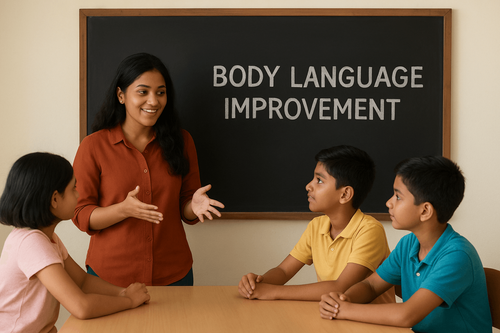

Body language speaks before words do. From a confident handshake to a warm smile, every gesture tells a story. Understanding and improving your body language can transform how others see and respond to you. In this guide, you’ll explore why body language matters, its key types, and practical tips to use it effectively every day.
What is Body Language?
Body language is a form of non-verbal communication, the way we express ourselves without using words. It includes gestures, facial expressions, eye movements, posture, and even the way we use space. Whether we realise it or not, our body is always sending messages.
For example, a simple smile can show warmth, while crossed arms may signal discomfort or defensiveness.
When a teacher asks a question and a student looks away or fidgets, it often says more than words could.
Similarly, when someone nods while listening, it tells the speaker, “I understand” or “I agree.” These subtle cues are what make body language such a powerful communication tool.
Everyday Examples of Body Language
- Smiling – shows friendliness, confidence, and openness.
- Eye contact – indicates attentiveness and honesty.
- Leaning forward – shows genuine interest in a conversation.
- Crossed arms – may signal disagreement or lack of comfort.
- Good posture – reflects confidence and alertness.
Why is Body Language Important in Communication?
Communication isn’t just about words; in fact, research suggests that over 70% of communication is non-verbal. Body language helps people interpret tone, intention, and emotion more accurately. It supports what we say, or sometimes, contradicts it.
For instance, if someone says “I’m confident” but avoids eye contact or slouches, their body language sends the opposite message. On the other hand, strong posture, open gestures, and a calm tone can instantly make communication more convincing.
Why It Matters in Daily Interactions
Body language affects every part of our lives, school, friendships, interviews, and even teamwork. Here’s how it plays a role:
- In classrooms: A student sitting upright, maintaining eye contact, and nodding shows attentiveness and respect. Teachers are more likely to engage with such students.
- During presentations: Using hand gestures and smiling builds a connection with the audience, helping ideas flow better.
- In group discussions: Open body posture signals cooperation, while crossed arms can create barriers.
- At home: Parents and children can understand each other better when they notice expressions, tone, and gestures beyond words.
Builds Trust and Understanding
Good body language builds trust. When people sense sincerity through eye contact and gestures, they feel more connected. In contrast, mismatched signals, like forced smiles or tense posture, can lead to confusion.
Helps Boost Confidence and Clarity
Body language directly affects self-confidence. Standing tall, keeping your shoulders back, and using expressive gestures can instantly make a person appear more self-assured. This is why PlanetSpark emphasises role-play and public speaking exercises that help students build this physical confidence.
A Simple Illustration
Imagine two students delivering the same line:
- One speaks softly, avoids eye contact, and shuffles their feet.
- The other maintains eye contact, smiles, and speaks with open gestures.
Even though they say the same words, the second student appears far more confident and engaging. That’s the magic of body language, it gives life to your words.
Build your child’s confidence, clarity, and communication skills. Join PlanetSpark’s body language classes for free today!
Different Types of Body Language in Communication
Body language is a combination of several non-verbal cues that work together to express thoughts and emotions. From a simple smile to the way we sit in a chair, every gesture says something about us. Understanding these types helps children and adults communicate more confidently and clearly.
Facial Expressions
Our face is the most expressive part of our body. It can show happiness, sadness, surprise, fear, anger, or confusion, often without saying a single word.
- Example: A bright smile while greeting someone immediately creates warmth and friendliness.
- In a classroom: When a student frowns during a lesson, a teacher knows they need help, even before the student says anything. Facial expressions make conversations more genuine and help listeners connect emotionally.
Eye Contact
Eyes are often called the “windows to the soul” for a reason. Maintaining the right amount of eye contact shows confidence, honesty, and attentiveness.
- Example: During a class discussion, students who look at the teacher while speaking appear more engaged and respectful.
- Tip: Too much staring can feel intimidating, while avoiding eye contact can seem nervous. Learning balance is key.
Gestures
Gestures are hand and arm movements that emphasise what we say. They help add rhythm and clarity to speech.
- Example: A student explaining an idea might use their hands to describe size or direction, making it easier for others to visualise.
- Positive gestures like open palms or thumbs-up signal openness and encouragement.
- Avoid negative gestures such as pointing or folding arms, as they can seem rude or defensive.
Posture and Body Movement
The way we sit, stand, or walk tells a lot about our attitude and mood. Good posture conveys confidence and focus, while slouching may suggest disinterest or nervousness.
- Example: Standing straight during a class presentation signals confidence, even if a student feels slightly nervous inside.
- Tip: Avoid unnecessary movements like rocking or shifting weight; they can distract the audience.
Touch (Haptics)
Touch can communicate warmth, reassurance, or support. In a professional or academic setting, it should always be appropriate and respectful.
- Example: A friendly handshake or pat on the back can boost confidence and show appreciation.
- In learning environments, Teachers may use light gestures (like a high-five) to motivate or congratulate students.
This form of body language helps build emotional connection and trust.
Space (Proxemics)
The distance we maintain while communicating affects how comfortable others feel. It’s about understanding personal space.
- Example: Standing too close might make someone uncomfortable, while standing too far can seem detached.
- At school or work: Keeping a balanced distance shows respect and helps maintain positive social interactions.
Paralanguage and Tone
Though technically part of spoken language, paralanguage, tone, pitch, and volume adds emotional colour to communication.
- Example: Saying “I’m fine” in a cheerful tone versus a dull one changes the entire meaning.
- Tip: A clear, steady tone conveys confidence, while a shaky voice can reflect nervousness.
Appearance and Presentation
Clothing, grooming, and overall presentation are subtle yet powerful parts of body language. They shape first impressions even before you speak.
Example: Wearing neat clothes and maintaining good hygiene at school shows self-respect and readiness to learn.
Microexpressions
These are quick, involuntary facial movements that reveal true emotions, even when someone tries to hide them.
Example: A brief frown during a conversation might show disagreement, even if the person is smiling. Recognising such signals helps improve emotional understanding and empathy, skills that make students better communicators.
How Can You Read Body Language?
Reading body language is like learning to understand an unspoken conversation. Every movement, gesture, and facial expression carries a message. By becoming aware of these non-verbal cues, you can gain insights into what a person is truly thinking or feeling, beyond their words.
Observe the Face
The face reveals emotions faster than words.
- Eyes: Notice eye contact, steady contact usually signals confidence or sincerity, while avoiding it may show nervousness or discomfort. For instance, a student avoiding a teacher’s gaze after a missed assignment is likely feeling guilty or anxious.
- Mouth: Tight lips, pursed smiles, or biting lips often indicate stress or hesitation. Genuine smiles reach the eyes, if the eyes remain still while the mouth smiles, the person may be masking emotion.
- Eyebrows: Raised brows can signal surprise or disbelief, while furrowed brows often suggest concentration or concern.
Watch Posture and Body Position
How someone stands or sits reveals comfort, confidence, and engagement.
- Open posture: A person standing tall with relaxed shoulders and hands visible usually feels at ease and open to conversation.
- Closed posture: Crossed arms, hunched shoulders, or turning slightly away can indicate defensiveness, boredom, or discomfort.
- Leaning: Leaning forward generally means interest, while leaning back might suggest withdrawal or dominance, think of a manager leaning back in a chair during a performance review.
Study Hand Gestures
Hands often communicate enthusiasm, honesty, or nervousness.
- Illustrative gestures: When people use their hands while talking, for example, spreading palms to emphasise a point, it adds energy and authenticity.
- Hidden hands: Keeping hands in pockets or behind the back can signal insecurity or avoidance.
- Touching the face: Rubbing the chin or touching the nose might indicate thinking, uncertainty, or even doubt.
Pay Attention to Mirroring
People often subconsciously mirror the body language of those they trust or agree with.
For example, two friends chatting and crossing their legs in the same direction often share a strong connection. If you notice someone mirroring your movements, it’s a sign they’re comfortable and aligned with you.
Observe the Voice and Tone
Even though voice is not purely body language, it complements it powerfully.
- A warm, steady tone conveys confidence and calm.
- A shaky or rushed tone might reveal nervousness.
- Sudden shifts in volume or speed can signal excitement or irritation. For instance, during a team meeting, a person who speaks in short, fast bursts might be anxious about their ideas being accepted.
Consider Cultural and Contextual Factors
The same gesture can have different meanings in different cultures.
- In India, a head wobble may mean agreement or attentiveness, while in other countries it might cause confusion.
- A thumbs-up gesture can be positive in Western cultures but offensive in some Middle Eastern contexts. Always read body language in context, the environment, relationship, and situation matter as much as the movement itself.
Let your child learn how to speak through expressions and posture. Begin their learning journey with a free Planet Spark demo class!
How Can You Improve Your Body Language?
Good body language doesn’t just make you look confident, it helps you connect more deeply with others. Whether in an interview, classroom, or daily conversation, your gestures, tone, and expressions shape how people perceive you.
Maintain Eye Contact Naturally
Eye contact shows attentiveness and sincerity.
- When speaking to someone, hold eye contact for a few seconds, then briefly look away before returning.
- Avoid staring, as it can feel intimidating. Example: During a presentation, maintaining soft eye contact with audience members helps build trust and engagement.
Practise an Open and Relaxed Posture
Your posture sends an instant signal about your mood and attitude.
- Stand tall with your shoulders back and chin level, this conveys confidence.
- Avoid crossing your arms; instead, keep them by your sides or use gentle hand gestures. Illustration: Imagine entering a meeting room. If you walk in upright with relaxed shoulders, you’ll appear confident and approachable, even before you speak.
Use Purposeful Hand Gestures
Hand movements add clarity and enthusiasm to your message.
- Use open palms to express honesty and inclusivity.
- Avoid excessive gestures that distract from your words. Example: Teachers often use broad hand gestures while explaining a concept, it keeps students visually engaged and reinforces understanding.
Be Mindful of Facial Expressions
Your face communicates emotions even when you’re silent.
- Keep a gentle, genuine smile when greeting others.
- Relax your facial muscles, avoid frowning or appearing distant. Example: In customer service, a friendly smile can make a customer feel valued even before a single word is spoken.
Control Nervous Habits
Fidgeting, tapping, or avoiding eye contact can distract from your message.
- Be aware of repetitive movements like touching your hair, shaking your leg, or clicking a pen.
- Practise calm breathing before important interactions to stay composed.
Illustration: Job candidates who avoid such nervous habits during interviews appear more confident and competent.
Pay Attention to Your Voice and Tone
Your tone completes your body language.
- Speak clearly, with a steady rhythm and moderate volume.
- Match your tone with your words, warmth when appreciating, firmness when asserting.
Example: During group discussions, a calm yet confident tone helps maintain authority without sounding aggressive.
Use Space Wisely
How you occupy physical space can influence perceptions.
- Standing or sitting too close can make others uncomfortable; too far may appear detached.
- Maintain a comfortable distance, about an arm’s length in professional settings. Illustration: A manager conducting a one-on-one review who sits at a moderate distance creates a sense of equality and comfort.
Why Students Must Join Planet Spark for Body Language Improvement?
PlanetSpark empowers students to express confidently and communicate effectively through the right mix of gestures, expressions, and posture. Its interactive classes focus on building natural communication skills that go beyond words.
- Interactive and engaging sessions: Students participate in live, activity-based classes where they learn how posture, facial expressions, and gestures influence communication. Fun tasks like storytelling, speeches, and debates help them practise real scenarios.
- Learning by doing: Every lesson includes practical exercises and confidence-building games that teach students to express clearly and stay composed while speaking in front of others.
- Expert mentor guidance: Experienced communication coaches provide personal feedback, helping students correct common mistakes like crossed arms, lack of eye contact, or slouching during conversation.
- Focus on confidence and clarity: With regular practice, learners develop confident body posture, expressive facial cues, and purposeful movements that make their communication more engaging and impactful.
- Preparation for the real world: From class presentations to interviews, PlanetSpark prepares students to use body language effectively in every situation, helping them leave a lasting positive impression.
Confidence starts with good communication. Enrol your child in PlanetSpark’s body language programme and claim a free trial class today!
Conclusion
Mastering body language is the secret to confident and effective communication. When children learn how to express through gestures, posture, and eye contact, they become more self-assured and expressive. Help your child build lasting confidence and communication skills. Enrol them in a free PlanetSpark class today and watch their personality shine through every movement.
Frequently Asked Questions
Yes, it can. Negative body language, such as avoiding eye contact, crossed arms, or lack of expression, may make others feel ignored or misunderstood. Learning positive body language helps build trust, strengthen bonds, and improve overall communication in relationships.
In professional and academic settings, body language shows attentiveness, confidence, and respect. Good posture during meetings or presentations makes you look prepared, while nodding and smiling show that you’re engaged and open to others’ ideas.
Practice maintaining eye contact, use open gestures, and be mindful of posture and facial expressions.
Because people often believe what they see more than what they hear. Even if your words are positive, poor body language, like slouching or avoiding eye contact, can send a mixed message. Positive non-verbal cues help your words sound more sincere and convincing
The main types include facial expressions, gestures, posture, eye contact, tone of voice, and body movement. Each type conveys different messages, for example, a smile can show warmth, while crossed arms may signal defensiveness or discomfort.
Body language is the way we express ourselves through posture, facial expressions, gestures, and eye contact. It’s important because it helps others understand our true feelings and emotions, even without words. Good body language builds trust, confidence, and strong connections in personal and professional life.