
Tips to Improve Workplace Wellness for Better Productivity


Table of Contents
- What Is Workplace Wellness and Why It Matters
- Physical Wellness at Work: Building a Strong Foundation
- Mental and Psychological Wellness: Reducing Stress and Burno
- Avoiding Bare Minimum Mondays for Better Engagement
- Setting Boundaries for Work-Life Harmony
- Psychological Safety in Diverse Teams
- Work-Life Balance and Flexibility
- Social and Environmental Well-being
- Key Aspects of Workplace Wellness Programs
- Benefits and ROI of Workplace Wellness
- Implementing Effective Workplace Wellness Programs
- Daily Habits That Improve Workplace Wellness
- How Leaders Can Support Workplace Wellness
- Common Workplace Wellness Mistakes to Avoid
- Transform Your Growth with PlanetSpark Personality Developme
- Build a Healthier, Happier Professional Life
Feeling constantly tired, distracted, or unmotivated at work is no longer rare. Many professionals struggle to balance deadlines, meetings, and personal responsibilities, which leads to stress and burnout. This is exactly where workplace wellness becomes crucial.
What if improving your daily work habits could dramatically increase your productivity, confidence, and overall satisfaction at work?
Workplace wellness is more than just physical health. It includes mental clarity, emotional balance, and a supportive work environment. In this blog, you will explore practical strategies like avoiding bare minimum Mondays, setting boundaries for work-life harmony, and building psychological safety in diverse teams.
By the end of this guide, you will have a clear roadmap to improve your energy, focus, and long-term career growth.
What Is Workplace Wellness and Why It Matters
Workplace wellness is a comprehensive approach to improving employee well-being across physical, mental, emotional, and social dimensions. It goes far beyond occasional wellness programs or gym memberships. Instead, it focuses on creating a sustainable work environment where employees can perform at their best without compromising their health or personal lives.
In this digitally connected work culture, the boundaries between work and personal life are becoming increasingly blurred. As a result, many professionals experience chronic stress, fatigue, and reduced motivation. Ignoring workplace wellness in such an environment often leads to burnout, disengagement, and a noticeable decline in productivity over time.
Why Workplace Wellness Is Critical Today
Several modern workplace trends have made wellness more important than ever:
- Increased remote and hybrid work has blurred clear work-life boundaries, making it harder to disconnect
- Rising stress levels due to constant notifications, deadlines, and performance pressure
- Higher expectations for productivity, multitasking, and continuous availability
- Growing need for emotional resilience and mental strength to handle workplace challenges
These factors collectively make workplace wellness not just important, but essential for long-term professional success.
Impact on Productivity
When workplace wellness is actively prioritized, the results are both immediate and long-term:
- Employees feel more engaged, focused, and motivated in their roles
- Absenteeism reduces as physical and mental health improves
- Creativity and innovation increase because employees feel mentally safe and energized
- Team collaboration becomes stronger due to better communication and trust
For example, companies that invest in wellness initiatives such as flexible schedules, mental health support, and ergonomic workspaces often report higher retention rates. Employees in such environments feel valued, supported, and more committed to their work.
The Bigger Picture
Workplace wellness is not just an employee benefit or a trend. It is a strategic advantage that directly impacts organizational success. Companies that prioritize employee well-being consistently outperform competitors in productivity, employee satisfaction, and long-term growth.
In simple terms, when employees thrive, businesses thrive.
Feeling stuck in a cycle of stress and low productivity? Book your FREE trial class today and start building confidence that transforms your career. Limited seats available.
Physical Wellness at Work: Building a Strong Foundation
Physical wellness forms the foundation of workplace wellness. Without physical comfort and sustained energy, it becomes difficult for professionals to maintain focus, efficiency, and consistency throughout the workday.
Many employees underestimate how small physical discomforts like poor posture, eye strain, or fatigue can gradually reduce productivity and increase stress levels. Over time, these issues can lead to chronic health problems and decreased performance.
Ergonomic Upgrades
Creating an ergonomically sound workspace is one of the most effective ways to improve physical wellness. Small adjustments can have a significant impact on daily comfort and long-term health.
- Adjustable chairs that provide proper back and lumbar support help maintain posture
- Sit-stand desks reduce the negative effects of prolonged sitting
- Proper lighting minimizes eye strain and headaches
- Correct screen positioning prevents neck and shoulder pain
A well-designed workspace not only reduces fatigue but also allows employees to work for longer periods without discomfort. This leads to improved efficiency and fewer health-related interruptions.
Movement Opportunities
Sedentary work habits are one of the biggest challenges in modern workplaces. Sitting for long hours can lead to reduced blood circulation, stiffness, and decreased concentration.
- Taking short walking breaks every hour improves circulation
- Stretching between tasks relieves muscle tension
- Participating in workplace fitness initiatives encourages active lifestyles
- Walking meetings promote both movement and creativity
Even a few minutes of movement can reset your energy levels and improve cognitive function. Regular movement helps maintain both physical health and mental alertness.
Nutrition and Hydration
Nutrition plays a direct role in energy, focus, and mood. Poor eating habits can lead to energy crashes, reduced concentration, and irritability.
- Healthy snacks like fruits, nuts, and seeds provide sustained energy
- Reducing sugar and excessive caffeine prevents energy spikes and crashes
- Staying hydrated supports brain function and overall health
A balanced diet combined with proper hydration ensures consistent performance throughout the day.
Real-World Insight
An employee who maintains proper posture, takes regular movement breaks, and follows healthy eating habits is more likely to stay focused and productive. In contrast, neglecting physical wellness often leads to fatigue, discomfort, and reduced efficiency.
Physical wellness is not about drastic changes. It is about building small, consistent habits that support long-term performance.
Mental and Psychological Wellness: Reducing Stress and Burnout
Mental wellness is a critical component of workplace wellness, yet it is often overlooked. Continuous stress, high expectations, and constant connectivity can take a toll on an individual’s mental health.
Ignoring mental wellness does not show immediate effects, but over time, it leads to burnout, reduced motivation, and even physical health issues.
Mental Health Resources
Organizations can play a significant role in supporting mental well-being by providing accessible resources:
- Employee Assistance Programs offer confidential support for personal and professional challenges
- Counseling services help employees manage stress, anxiety, and emotional difficulties
- Quiet or relaxation spaces allow employees to recharge during the day
- Mental health awareness sessions reduce stigma and encourage open conversations
Providing these resources creates a supportive environment where employees feel valued and understood.
Stress Management Techniques
Managing stress effectively is essential for maintaining productivity and emotional balance.
- Mindfulness and meditation improve focus and reduce anxiety
- Deep breathing exercises help regulate stress responses
- Journaling allows individuals to process thoughts and emotions
- Time management techniques reduce overwhelm and improve clarity
These strategies help employees stay calm, focused, and better equipped to handle workplace challenges.
Preventing Burnout
Burnout occurs when prolonged stress is not addressed. It affects both performance and overall well-being.
- Taking regular breaks helps maintain energy levels
- Using vacation days allows proper mental recovery
- Avoiding extended work hours prevents exhaustion
- Prioritizing tasks ensures better workload management
Burnout prevention is not about avoiding work. It is about maintaining a sustainable pace that supports long-term productivity.
A mentally healthy employee is more resilient, creative, and capable of handling challenges effectively.
Do you hesitate to express your ideas confidently at work? Book a FREE demo session now and build communication skills that set you apart. Seats are filling fast.
Avoiding Bare Minimum Mondays for Better Engagement
The idea of avoiding bare minimum Mondays highlights a common productivity challenge where professionals begin the week with low energy and minimal effort.
This slow start often creates a ripple effect, reducing productivity and motivation throughout the week.
Why It Happens
- Lack of motivation after a relaxed weekend
- Feeling overwhelmed by pending tasks
- Poor planning or unclear priorities
- Mental fatigue carried over from the previous week
How to Overcome It
- Plan key tasks on Friday to start Monday with clarity
- Begin with simple and achievable tasks to build momentum
- Create a structured and positive morning routine
- Avoid scheduling high-pressure meetings early in the day
- Focus on one important goal for the week
Behavioral Shift
Instead of viewing Monday as stressful, it should be seen as a fresh opportunity to reset and organize priorities.
When you start your week with intention and clarity, you naturally build momentum that carries into the following days.
Avoiding bare minimum Mondays is about creating a strong start that sets the tone for consistent performance.
Setting Boundaries for Work-Life Harmony
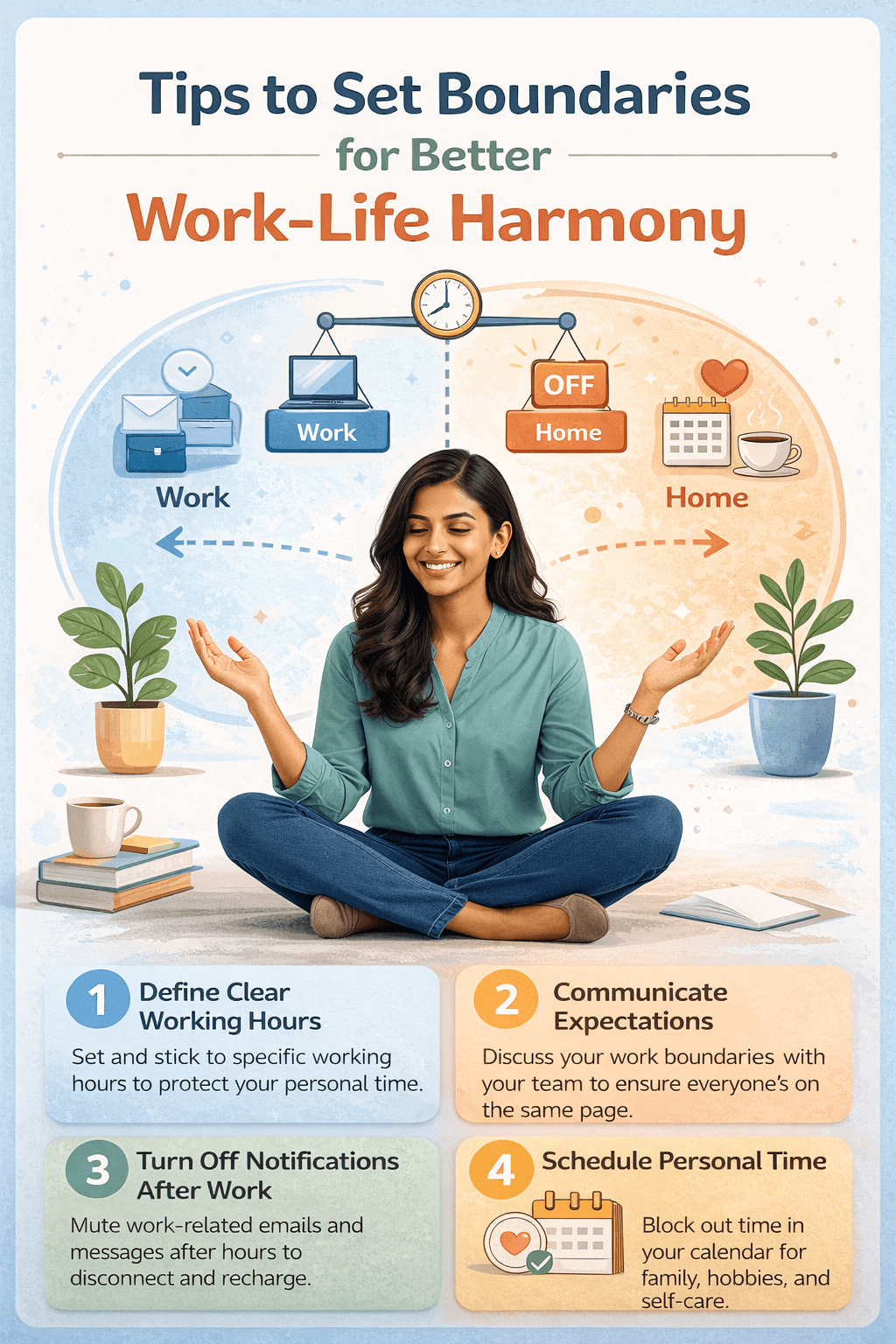
Setting boundaries for work-life harmony is essential for maintaining balance, productivity, and mental well-being. Without clear boundaries, work can easily extend into personal time, leading to exhaustion and burnout.
Common Boundary Challenges
- Being constantly available on calls and messages
- Difficulty declining additional work
- Blurred separation between work and personal life
- Taking on more responsibilities than manageable
Practical Boundary Strategies
- Define clear start and end times for your workday
- Communicate availability and expectations with your team
- Turn off work notifications after hours
- Treat personal time as important as work commitments
- Prioritize tasks based on importance and urgency
Real-Life Example
A professional who avoids checking emails after work hours is more likely to experience better sleep, improved focus, and higher productivity the next day.
Setting boundaries for work-life harmony ensures that you protect your energy while maintaining consistent performance.
Psychological Safety in Diverse Teams
Psychological safety in diverse teams is a crucial factor in creating a healthy and productive work environment. It ensures that employees feel comfortable expressing their ideas, asking questions, and sharing feedback without fear of judgment or criticism.
Why It Matters More in Diverse Teams
- Diverse teams bring varied perspectives that enhance innovation
- Inclusive environments encourage participation from everyone
- Safe communication builds trust and collaboration
How to Build Psychological Safety
- Encourage open and honest communication
- Respect and acknowledge different viewpoints
- Avoid blame and focus on learning from mistakes
- Provide constructive and supportive feedback
- Recognize and appreciate contributions
Leadership Role
Leaders play a key role in establishing psychological safety. When leaders demonstrate empathy, active listening, and inclusivity, it sets the tone for the entire team.
Psychological safety in diverse teams creates an environment where innovation, trust, and collaboration thrive.
Want to communicate confidently in meetings and presentations? Book your FREE PlanetSpark trial today and gain skills that accelerate your career growth. Limited time access.
Work-Life Balance and Flexibility
Flexibility is a major contributor to workplace wellness. Employees who have control over their schedules are more likely to feel satisfied and perform better.
Types of Flexibility
- Remote or hybrid work options
- Flexible working hours
- Compressed workweeks
Benefits
- Reduced stress and burnout
- Better management of personal responsibilities
- Increased job satisfaction
- Higher productivity and engagement
Flexibility demonstrates trust and respect from employers, which strengthens employee commitment and performance.
Social and Environmental Well-being
A supportive work environment significantly impacts employee well-being. Social connections and a positive workplace culture improve motivation and engagement.
Social Connection
- Team-building activities strengthen relationships
- Informal interactions improve communication
- Collaborative projects encourage teamwork
Environmental Wellness
- Clean, safe, and organized workspaces improve comfort
- Positive office culture enhances morale
- Inclusive policies ensure fairness and belonging
Employees who feel connected and valued are more likely to contribute positively to the organization.
Key Aspects of Workplace Wellness Programs
Effective workplace wellness programs address multiple dimensions of employee well-being.
- Physical wellness through fitness and ergonomic support
- Mental and emotional health through counseling and stress management
- Environmental wellness through safe and comfortable workspaces
- Preventive health initiatives and financial wellness education
A comprehensive approach ensures that all aspects of employee well-being are addressed, leading to sustainable results.
Benefits and ROI of Workplace Wellness
Workplace wellness programs provide both tangible and intangible benefits for organizations.
- Increased productivity due to better focus and energy
- Reduced healthcare costs through preventive care
- Lower absenteeism and improved attendance
- Higher employee retention and satisfaction
- Stronger employer brand and talent attraction
Organizations that invest in wellness often see a high return on investment because healthier employees perform better and stay longer.
Implementing Effective Workplace Wellness Programs
1. Prioritize Feedback
Regular surveys and check-ins help organizations understand employee needs and improve wellness initiatives accordingly.
2. Encourage Collaboration
Workplace wellness should be a shared responsibility between employees and leadership. Collaborative efforts create more effective and inclusive programs.
3. Focus on Culture
True workplace wellness is built on culture. It involves addressing root causes of stress, such as excessive workload or lack of support, rather than only offering surface-level solutions.
A strong wellness culture creates an environment where employees can grow, perform, and succeed consistently.

Daily Habits That Improve Workplace Wellness
Improving workplace wellness does not always require big changes. Small daily habits can make a significant difference over time.
Here are simple habits you can adopt:
- Start your day with a clear plan
- Practice gratitude to maintain a positive mindset
- Stay physically active, even with short stretches
- Maintain healthy eating habits
- Stay hydrated throughout the day
- Take mindful breaks to reduce stress
For instance, taking a short walk during lunch can improve your mood and energy levels. Similarly, writing down three priorities for the day can help you stay focused.
Consistency is key. When these habits become part of your routine, they naturally enhance your well-being and productivity.
How Leaders Can Support Workplace Wellness
Workplace wellness is not just an individual responsibility. Leaders play a critical role in shaping a healthy work environment.
Effective leaders:
- Promote a culture of respect and inclusion
- Encourage work-life balance
- Provide constructive feedback
- Support employee growth and development
- Recognize achievements regularly
Leaders who prioritize workplace wellness create teams that are more engaged, motivated, and productive.
For example, a manager who encourages flexible working hours helps employees manage personal responsibilities better, leading to higher job satisfaction.
Still unsure where to start your communication journey? Book your FREE demo class now and experience real transformation before slots are gone.
Common Workplace Wellness Mistakes to Avoid
While trying to improve workplace wellness, professionals often make certain mistakes that reduce effectiveness.
Avoid these common pitfalls:
- Ignoring mental health needs
- Overworking without breaks
- Not setting clear boundaries
- Avoiding communication with team members
- Neglecting physical health
Recognizing these mistakes helps you take corrective action and build a healthier work routine.
Transform Your Growth with PlanetSpark Personality Development Classes
PlanetSpark offers structured personality development programs designed for both working professionals and learners who want to improve communication, confidence, and career growth.
These programs focus on real-world challenges such as hesitation in meetings, lack of clarity in communication, and low confidence during presentations. With a structured curriculum, learners see measurable improvement in a short time.
Why PlanetSpark Stands Out:
- Live 1:1 and group interactive classes
- Expert trainers with industry experience
- Practice through real-world scenarios like presentations
- Personalized feedback after every session
- Confidence-building frameworks used globally
- Structured curriculum for professionals
With learners across 13+ countries and over 1 million classes completed, PlanetSpark has built a strong reputation in communication and personality development.

Build a Healthier, Happier Professional Life
Workplace wellness is the foundation of long-term success. When you take care of your well-being, you unlock higher productivity, stronger relationships, and greater confidence.
By focusing on avoiding bare minimum Mondays, setting boundaries for work-life harmony, and building psychological safety in diverse teams, you can transform your work experience completely.
Success is not about constant hustle. It is about sustainable growth, consistent habits, and a balanced mindset that helps you thrive in every stage of your career.
Frequently Asked Questions
Workplace wellness includes physical, mental, and emotional well-being that improves productivity and job satisfaction.
It reduces stress, increases focus, and improves employee engagement.
It refers to overcoming low motivation at the start of the week to maintain consistent productivity.
It prevents burnout and ensures a healthy balance between work and personal life.
It is an environment where employees feel safe to express ideas without fear.
By promoting flexibility, encouraging communication, and supporting employee growth.
Planning tasks, taking breaks, staying active, and maintaining a positive mindset.
Personalized Communication Roadmaps
Record a video to get a AI generated personalized communication reports