
Help Your Child Read Better Through Phonemic Awareness
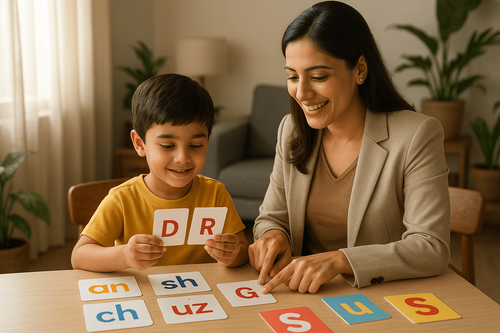

Table of Contents
- Boost Your Child’s Reading Through Phonemic Awareness
- What Is Phonemic Awareness and Why It Matters for Your Child
- Key Components of Phonemic Awareness
- Real-Life Situations Where Kids Use Phonemic Awareness Every
- Phonemic Awareness Skills Every Child Needs to Read Confiden
- How Phonemic Awareness Boosts Your Child’s Reading Ability
- Effective Phonemic Awareness Lessons for Kindergarten
- Fun Phonemic Awareness Activities to Try at Home or in Class
- Phonemic Awareness Games for Young Learners
- How We Helps Boost Your Child’s Reading Through Phonemic Awa
- When Should Parents Seek Extra Reading Support
- Simple Daily Reading Practice Plan
- About PlanetSpark : English Grammar
- Conclusion
Reading is not just about recognising letters or memorising words. It is about understanding sounds, blending them, breaking them apart, and making meaning from them. If your child struggles to read fluently, guesses words, skips lines, or avoids reading altogether, the root cause is often weak phonemic awareness.
This guide will help you boost your child’s reading through phonemic awareness using real-life examples, practical techniques, and age-appropriate strategies for students. You will also learn how PlanetSpark’s structured approach strengthens reading skills step by step.
Boost Your Child’s Reading Through Phonemic Awareness
Phonemic awareness is one of the most powerful foundations of reading, especially for kids. When children clearly understand sounds in words, reading stops feeling hard and starts feeling natural. This skill helps children read new words confidently instead of guessing or memorising.
Help your child read confidently—book a free PlanetSpark demo class today!
Below is a clear, child-focused, in-depth explanation of how phonemic awareness boosts reading, written in a way parents can easily understand and apply.
Helps children understand that words are made of sounds, not just letters.
Makes it easier for kids to read new and difficult words on their own
Improves reading fluency, so children read smoothly without stopping often
Reduces guessing while reading and builds correct pronunciation
Strengthens spelling skills naturally through sound recognition
Helps children read with better confidence and expression
Makes reading less stressful and more enjoyable for kids
Supports understanding of longer sentences and paragraphs
Builds a strong foundation for spoken English and vocabulary growth
Encourages children to become independent and confident readers
Why These Matter
When phonemic awareness is strong, reading becomes easier, faster, and more meaningful. Children focus less on decoding words and more on understanding what they read.
What Is Phonemic Awareness and Why It Matters for Your Child’s Reading
What Phonemic Awareness Means for Kids
Phonemic awareness means a child can:
Hear individual sounds in words
Break words into sounds
Blend sounds to read words
Change sounds to form new words
For example:
cat = /c/ /a/ /t/
ship = /sh/ /i/ /p/
This skill develops before fluent reading, but it continues to support reading at higher levels too.

Why Phonemic Awareness Matters
Research shows that strong phonemic awareness is one of the most important skills for reading success. It helps children connect the sounds they hear in spoken language to the letters they see in writing, making reading and spelling much easier.
Key Reasons It’s So Important
Builds Decoding and Spelling Skills
When children can blend sounds together and break words into smaller sounds, they can match letters to the sounds they hear. This makes reading new words and spelling much easier.Prevents Reading Difficulties
Starting phonemic awareness activities early helps children avoid struggling with reading later. Even simple, structured lessons in kindergarten or early grades give children a strong foundation for reading fluency.
Example in Action
If a child hears the sounds in the word cat:
First sound: /c/
Middle sound: /a/
Ending sound: /t/
and can blend them together, they are more likely to read and spell words correctly in phonics lessons later.
Read more about how phonemic awareness can boost your child’s reading skills!
Why Phonemic Awareness Improves Reading Ability
Children read better when they understand how words sound, not just how they look.
Phonemic awareness helps children:
Decode unfamiliar words on their own
Read faster and more smoothly
Improve pronunciation
Understand what they read
Gain confidence while reading aloud
Without this skill, children often:
Guess words
Skip difficult words
Read slowly
Avoid reading altogether
Key Components of Phonemic Awareness
Phonemic awareness is not just one skill it is a set of abilities that work together to help children become confident readers and spellers. Here are the four main components:
1. Sound Isolation
This is the ability to identify individual sounds in a word whether at the beginning, middle, or end.
Example:
What is the first sound in map? → /m/
What is the last sound in cat? → /t/
Sound isolation helps children recognise the building blocks of words, making reading and spelling easier.
2. Sound Blending
Blending is when children combine separate sounds to form a complete word.
Example:
/b/ + /a/ + /t/ = bat
/s/ + /i/ + /t/ = sit
This skill is essential for reading new words independently.

3. Sound Segmentation
Segmentation is the ability to break words into individual sounds.
Example:
dog → /d/ /o/ /g/
fish → /f/ /i/ /sh/
Segmenting sounds improves spelling and helps children see how words are built.
4. Sound Manipulation
This skill lets children play with sounds by adding, removing, or changing them to make new words.
Example:
Change the first sound of cat from /c/ to /m/ → mat
Remove the /s/ from sit → it
Sound manipulation develops flexibility with language and strengthens problem-solving while reading.
Real-Life Situations Where Kids Use Phonemic Awareness Every Day
Phonemic awareness is not just a classroom skill t is a daily tool children use naturally to make sense of language. Strong phonemic awareness allows kids to decode sounds, understand words, and communicate confidently in everyday situations. Let’s explore these real-life situations in detail:
1. Reading School Instructions
Every day, children encounter instructions in textbooks, worksheets, or exams. For example.
“Underline the correct answer” or “Circle the verbs in the sentence.”
To follow these instructions quickly, a child must break down words into their sounds. They need to recognize each word, process it, and act accordingly. Without phonemic awareness, children might:
Misread instructions
Skip words or lines
Struggle to complete tasks on time
Children with strong phonemic awareness can decode instructions faster, understand what is expected, and complete assignments with confidence. This skill directly affects academic performance, even beyond reading.
Unlock your child’s reading potential with phonemic awareness. Try a free trial class now!
2. Learning New Vocabulary
Every new word your child encounters, whether in science, math, or social studies, relies on phonemic awareness. Words like:
Environment
Fraction
Photosynthesis
can seem overwhelming at first. When children can segment words into individual sounds, they can decode them piece by piece. For example:
Environment → /en/ /vi/ /ron/ /ment/
Fraction → /fr/ /a/ /c/ /tion/
Breaking words into sounds makes learning pronunciation, spelling, and meaning much easier. Children can read new vocabulary independently and retain it longer.
3. Reading Aloud in Class
Reading aloud is one of the best ways to practice and demonstrate phonemic awareness. A child with strong skills:
Recognizes sound patterns instantly
Reads smoothly without frequent pauses
Pronounces words accurately
Adds natural expression and intonation
For example, when reading a passage from a storybook, they can blend sounds into words and words into sentences, making reading fluent and enjoyable. This also helps them participate actively in class discussions and presentations.
Without phonemic awareness, children may read slowly, stumble over words, or avoid reading aloud due to lack of confidence.
4. Understanding English Pronunciation
English is a complex language with many words that are not spelled how they sound. Phonemic awareness allows children to:
Identify individual sounds (phonemes) in words
Recognize patterns in pronunciation
Predict how words are read without memorizing each one
For instance, words like though, through, and thought are spelled differently but contain recognizable sound patterns. Children with strong phonemic awareness can decode these words correctly.
This skill also helps them communicate clearly in speech and improves listening comprehension. They begin to notice subtle differences in sounds, which builds confidence in spoken English.
Phonemic Awareness Skills Every Child Needs to Read Confidently
These phonemic awareness skills form the foundation of reading:
Phoneme identification – recognising sounds in words
Phoneme isolation – identifying first, middle, or last sounds
Phoneme blending – combining sounds to form words
Phoneme segmentation – breaking words into individual sounds
Phoneme deletion – removing sounds to form new words
Phoneme substitution – replacing sounds
Rhyming – recognising similar ending sounds
Alliteration – identifying repeated starting sounds
Mastery of these skills directly supports reading fluency and comprehension.
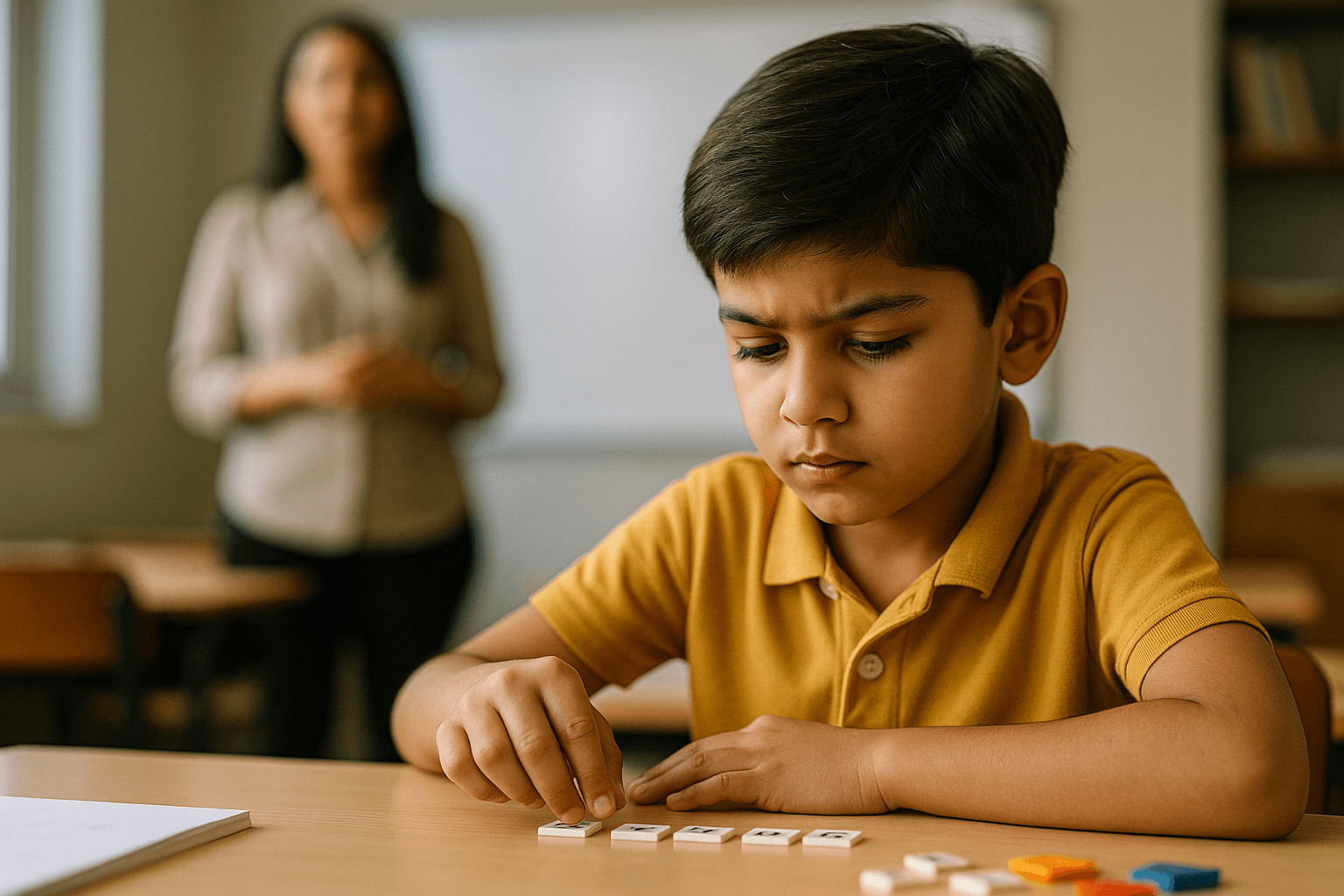
How Phonemic Awareness Boosts Your Child’s Reading Ability
Phonemic awareness acts as a reading booster because it helps children:
Decode unfamiliar words independently
Read faster with fewer pauses
Improve spelling accuracy
Understand complex texts
Gain confidence while reading aloud
Children stop guessing and start reading with clarity.
Effective Phonemic Awareness Lessons for Kindergarten
Kindergarten is the perfect time for children to develop strong phonemic awareness skills. At this age, kids are naturally curious about sounds and language, making it the ideal stage to build a foundation for reading and spelling.
How Lessons Should Look
Phonemic awareness lessons for kindergarten should be:
Short and lively – 5–10 minutes is enough to keep attention
Fun and engaging – use games, songs, and stories
Integrated into daily routines – practice during circle time, storytime, or even snack time
A typical lesson can include:
Listening activities to identify sounds
Rhyming word games
Blending and segmenting exercises
Tips for Making Lessons Effective
Keep It Interactive
Encourage children to say sounds aloud, segment words into individual sounds, and blend them together. Interaction makes learning active and memorable.Use Visual Support
Picture cards and word cards help children connect sounds with letters and images, reinforcing their understanding.Try Elkonin Boxes
Elkonin boxes are simple grids that let children map sounds to written letters, making abstract concepts concrete.Follow a Sound Sequence
Start with beginning sounds, move to ending sounds, and finally introduce middle vowel sounds. This step-by-step approach helps children grasp one skill at a time.Practice Daily
Short, consistent practice every day is key. Frequent repetition ensures steady progress and makes phonemic awareness a natural part of reading.
Transform reading struggles into success. Book a free trial class for your child!
Fun Phonemic Awareness Activities to Try at Home or in Class
The best way to strengthen phonemic awareness is through playful, hands-on activities that make learning feel fun. Here are some effective and easy activities you can try with your child:
1. Rhyming Pairs
Help your child recognise similar sounds by matching rhyming words.
Use picture cards or word lists.
Example: cat → hat, log → frog
This activity improves listening skills and helps children notice sound patterns in words.
2. Clap the Sounds
Turn words into a rhythm game by clapping for each sound.
Say a word aloud and clap for every individual sound.
Example: sun → clap /s/, clap /u/, clap /n/
Clapping helps children segment words into sounds, making reading and spelling easier.
3. Sound Scavenger Hunt
Make phonics active and interactive with a sound-based scavenger hunt.
Ask your child to find objects around the room that start with a particular sound.
Example: Find items that start with /b/: ball, book, bottle
This activity reinforces sound recognition in real-world contexts.
4. Phoneme Substitution
Encourage children to play with sounds by changing one sound to make a new word.
Example: bat → change /b/ to /r/ → rat
You can make it a fun game: “Can you change this word to make a new one?”
Phoneme substitution develops flexible thinking about words and strengthens spelling skills.
5. Onset-Rime Blending
Teach children how to blend parts of words for smooth reading.
Break a word into the onset (first sound) and rime (the rest of the word).
Example: /c/ + at = cat
This activity helps kids read words quickly and fluently.
Why These Activities Work
These simple, playful exercises help children hear, manipulate, and understand sounds in spoken words. Over time, this strengthens:
Reading fluency
Accurate spelling
Confidence in reading aloud
Overall language skills
By making phonemic awareness fun and interactive, children are more likely to enjoy reading and retain what they learn.
Phonemic Awareness Games for Young Learners
Learning becomes much more effective when it’s fun and interactive. Games help children practice phonemic awareness naturally, while keeping them engaged and motivated. Here are some tried-and-tested games that work both at home and in the classroom:
1. I Spy with Sounds
Instead of looking at letters, focus on sounds. For example:
“I spy something that starts with the same sound as moon.”
Children identify objects or words that begin with the same sound, strengthening sound recognition and listening skills.
2. Sound Bingo
Create bingo cards with pictures or letters. Call out a sound, and children mark the word or picture that matches.
This game builds sound-letter association and encourages quick thinking.
3. Phoneme Hopscotch
Draw squares on the floor or use a mat, each labeled with a letter or sound. Children hop from one square to another while saying the sound aloud.
This combines movement with learning, which helps children remember sounds better.
4. Rhyme Time Race
Say a word aloud, and have children quickly call out a rhyming word.
This game sharpens listening, vocabulary, and phonemic segmentation skills while keeping it exciting.
5. Elkonin Box Challenge
Use boxes or compartments and small counters. As each phoneme in a word is spoken, children push a counter into a box for every sound.
This visual and hands-on approach helps children segment words into individual sounds, a key phonemic awareness skill.
How We Helps Boost Your Child’s Reading Through Phonemic Awareness
PlanetSpark focuses on:
Structured phonemic awareness activities
Age-appropriate reading exercises
Personalised feedback
Confidence-building practice
What a PlanetSpark session looks like
Sound blending and segmentation exercises
Reading aloud with guidance
Vocabulary building
Comprehension discussions

Success Story: Vivansh, Age 10
Became an author
Published his own book
Sold 17 copies
Improved reading clarity and imagination through one-to-one coaching
When Should Parents Seek Extra Reading Support
Your child may need help if they:
Avoid reading
Guess words frequently
Read very slowly
Struggle with pronunciation
Fail to understand what they read
From sounding out words to fluent reading—experience a free phonemic awareness session today!
Simple Daily Reading Practice Plan
10 minutes phonemic awareness practice
10 minutes reading aloud
5 minutes discussion
5 minutes vocabulary review
Consistency matters more than duration.
About PlanetSpark : English Grammar
PlanetSpark helps children build strong English grammar skills through interactive, personalised 1:1 live classes. Our English Grammar Program improves sentence structure, tenses, vocabulary, and writing accuracy empowering kids to communicate clearly, confidently, and correctly in school and everyday life.
1. 1:1 Expert Grammar Coaching
Each child learns with a certified grammar trainer who explains concepts simply and tailors lessons to their level ensuring faster understanding and error-free writing.
2. Personalised Grammar Mastery Path
A customised curriculum strengthens tenses, parts of speech, punctuation, sentence formation, and grammar rules step by step guiding learners from basics to advanced accuracy.
3. AI-Powered Error Detection & Feedback
With SparkX and AI-led writing practice, students get instant feedback on grammar mistakes, clarity, structure, and usage helping them improve with every attempt.
4. Interactive & Gamified Grammar Practice
Fun modules like Grammar Guru, Spell Knockout, and Word Builder make grammar engaging, encouraging kids to practise daily through play-based learning.
5. Strong Writing & Communication Skills
Through worksheets, story-building, reading comprehension, and guided practice, kids learn to write clearly, speak confidently, and use grammar accurately in every communication.

Conclusion
Strong readers are not born they are made. By building phonemic awareness through fun practice and guided support, children gain the skills and confidence to read fluently and independently. Give your child the right start today with PlanetSpark’s personalized phonemic awareness program and watch them enjoy reading while growing stronger every day.
Frequently Asked Questions
It means understanding sounds in words, which helps children read fluently and confidently.
Use sound games, reading aloud, and guided practice daily.
No. Children need interaction and feedback, not just worksheets.
Yes. It supports fluency, pronunciation, and comprehension even in Class 5–6.
Yes. PlanetSpark’s one-to-one programs strengthen phonemic awareness and reading confidence.